
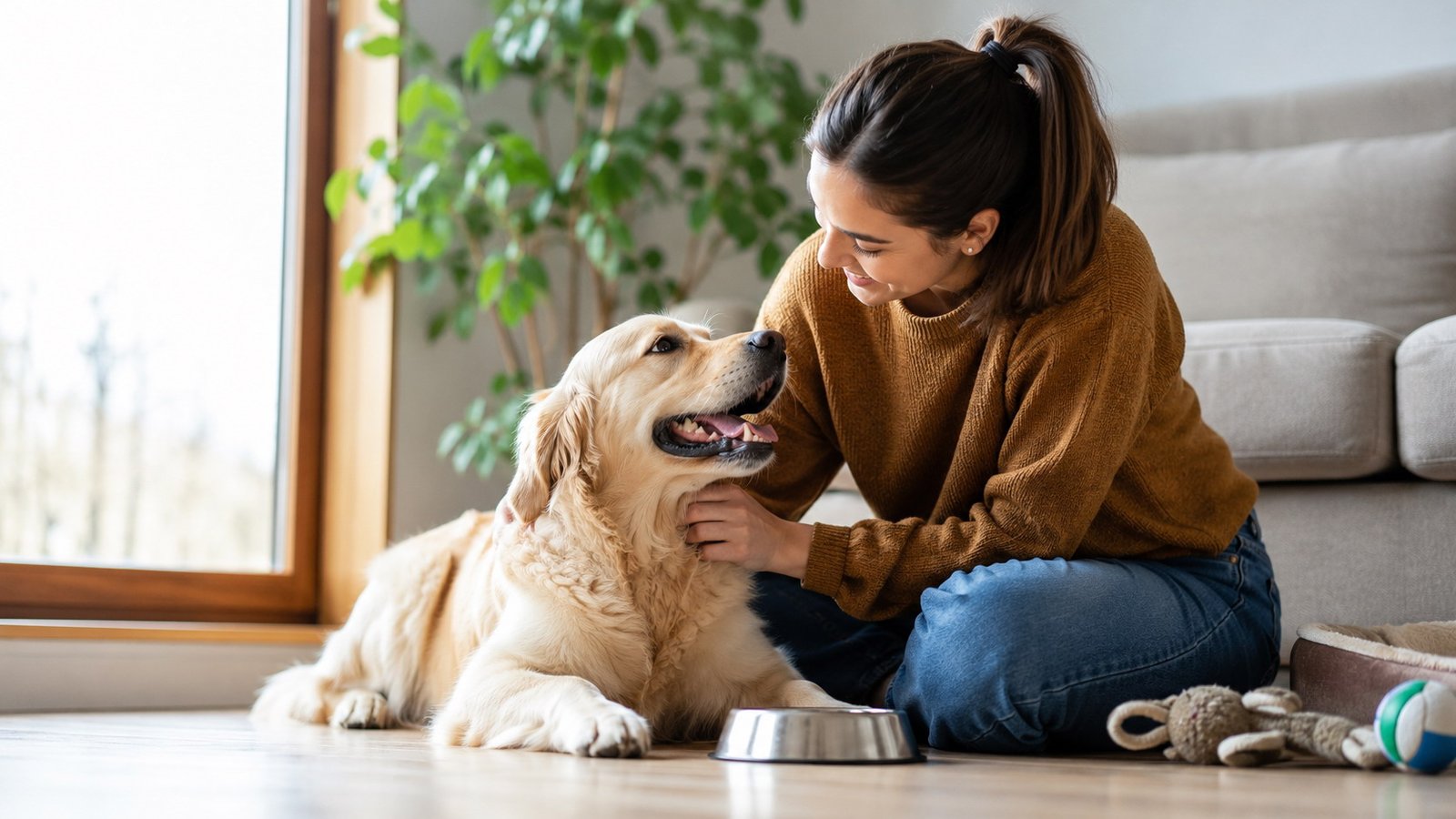
Bringing home a new pet is exciting, rewarding, and sometimes overwhelming. Whether you adopted a puppy, kitten, rabbit, bird, or another companion animal, the first few weeks set the foundation for your pet’s long-term health and behavior.
The best pet care tips for new owners focus on consistency, proper nutrition, routine veterinary care, training, mental stimulation, and building trust. New pet owners should prepare their home carefully, establish healthy routines early, and learn to recognize signs of stress or illness before they become serious problems.
This guide covers everything beginners need to know to raise a healthy, happy pet while avoiding common mistakes many first-time owners make.
In This Article
Why Proper Pet Care Matters Early On
Early care affects nearly every aspect of a pet’s life:
- Physical health
- Emotional well-being
- Behavior and socialization
- Lifespan and quality of life
- Bonding with owners
Pets thrive on stability and routine. A safe environment and consistent care help reduce anxiety and prevent destructive or fearful behavior later.
New owners often focus only on food and toys, but good pet care also includes:
- Preventive healthcare
- Daily exercise
- Mental enrichment
- Grooming
- Training
- Emotional connection
Quick Summary: Essential Pet Care Tips for Beginners
| Area | What New Owners Should Do |
| Nutrition | Feed high-quality food appropriate for species and age |
| Veterinary Care | Schedule a wellness exam immediately |
| Safety | Pet-proof the home before arrival |
| Exercise | Provide daily physical activity |
| Training | Start basic training and socialization early |
| Grooming | Maintain coat, nails, ears, and dental hygiene |
| Mental Health | Use toys, play, and enrichment activities |
| Routine | Keep feeding, sleep, and bathroom schedules consistent |
| Observation | Learn normal behavior and health signs |
| Patience | Allow pets time to adjust gradually |
Prepare Your Home Before Bringing a Pet Home
One of the best pet care tips for new owners is to prepare the environment before the pet arrives.
A sudden transition into a noisy or unsafe home can create stress and behavioral issues.
Pet-Proof Your Living Space
Different animals require different safety precautions, but common hazards include:
- Electrical cords
- Toxic plants
- Human medications
- Cleaning products
- Small choking hazards
- Open windows or balconies
- Loose trash bags
- Certain foods like chocolate, grapes, onions, or xylitol
For cats, secure climbing areas and remove fragile objects. For dogs, create a safe resting area away from heavy foot traffic.
Set Up a Dedicated Safe Space
New pets need a quiet area where they can relax without pressure.
This space should include:
- Food and water
- Bedding
- Toys
- Litter box or potty area if appropriate
- Crate or carrier for dogs
- Hiding spaces for smaller pets
A safe zone helps reduce stress during the adjustment period.
Choose the Right Food From the Start
Nutrition is one of the most important aspects of pet health.
How to Choose Good Pet Food
Look for food that is:
- Formulated for your pet’s species
- Appropriate for age and size
- Nutritionally complete and balanced
- Made by reputable manufacturers
Puppies and kittens have different nutritional needs than adults or seniors.
Avoid changing foods abruptly. If switching diets, transition slowly over 7–10 days to reduce digestive upset.
Avoid Overfeeding
Many new owners accidentally overfeed pets using treats or oversized portions.
Overfeeding can lead to:
- Obesity
- Joint problems
- Diabetes
- Heart strain
- Reduced lifespan
Use feeding guidelines as a starting point and adjust based on activity level and body condition.
Fresh Water Is Non-Negotiable
Pets should always have access to clean drinking water.
Change water daily and wash bowls regularly to prevent bacteria buildup.
Schedule a Veterinary Visit Early
A veterinary checkup should happen shortly after adoption or purchase.
Even healthy-looking pets may have underlying issues such as:
- Parasites
- Infections
- Dental problems
- Nutritional deficiencies
- Congenital conditions
What Happens During a Wellness Exam?
Veterinarians typically check:
- Weight and body condition
- Heart and lungs
- Teeth and gums
- Skin and coat
- Eyes and ears
- Vaccination status
- Parasites
This visit is also a good opportunity to ask questions about behavior, diet, and preventive care.
Keep Up With Preventive Care
Preventive care is usually less expensive and less stressful than treating advanced illness.
Essential preventive care may include:
- Vaccinations
- Flea and tick prevention
- Deworming
- Dental care
- Spaying or neutering
- Routine bloodwork for older pets
Build a Consistent Daily Routine
Animals feel safer when daily life is predictable.
Consistent schedules help pets understand:
- When to eat
- When to sleep
- When to exercise
- Where to eliminate
- What behaviors are expected
A Basic Daily Routine Example
Morning
- Bathroom break or litter cleaning
- Feeding
- Short walk or play session
Afternoon
- Mental stimulation or enrichment toys
- Rest time
Evening
- Exercise
- Training session
- Feeding
- Calm bonding time
Consistency is especially important for puppies, kittens, and rescue animals adjusting to a new home.
Focus on Training and Socialization Early
Training is not only about obedience. It helps pets feel secure and improves communication between owner and animal.
Start With Basic Commands
For dogs, begin with simple commands such as:
- Sit
- Stay
- Come
- Leave it
- Down
Use positive reinforcement methods like treats, praise, or toys.
Avoid punishment-based training, which can increase fear and anxiety.
Socialization Matters
Socialization helps pets become comfortable around:
- People
- Other animals
- Sounds
- Environments
- Handling
The goal is controlled, positive exposure — not overwhelming experiences.
Poor socialization can contribute to:
- Fear aggression
- Anxiety
- Reactivity
- Destructive behavior
Litter Training and House Training
For cats:
- Keep litter boxes clean
- Use unscented litter initially
- Place boxes in quiet areas
For puppies:
- Take them outside frequently
- Reward successful bathroom trips
- Maintain a regular schedule
- Supervise closely indoors
Understand Your Pet’s Body Language
One of the most overlooked pet care tips for new owners is learning animal communication.
Pets often show stress or illness before symptoms become severe.
Common Signs of Stress in Pets
Dogs
- Excessive panting
- Hiding
- Pacing
- Tail tucked
- Whining
- Lip licking
Cats
- Hiding
- Flattened ears
- Dilated pupils
- Tail flicking
- Reduced appetite
Signs That Require Veterinary Attention
Contact a veterinarian if your pet shows:
- Vomiting or diarrhea lasting more than a day
- Difficulty breathing
- Sudden lethargy
- Refusal to eat
- Limping
- Seizures
- Blood in urine or stool
- Sudden behavioral changes
Early treatment often leads to better outcomes.
Exercise Is Essential for Physical and Mental Health
Exercise needs vary depending on species, breed, age, and health.
A working dog breed typically needs far more activity than a senior cat.
Benefits of Regular Exercise
Proper exercise helps:
- Maintain healthy weight
- Reduce boredom
- Prevent destructive behavior
- Improve cardiovascular health
- Reduce anxiety
Good Exercise Options
Dogs
- Walks
- Fetch
- Hiking
- Agility games
- Puzzle toys
Cats
- Wand toys
- Climbing trees
- Laser pointer sessions
- Interactive feeders
Small Pets
- Tunnels
- Exercise wheels
- Supervised exploration time
Mental exercise is just as important as physical activity.
Don’t Ignore Mental Stimulation
Bored pets often develop behavior problems.
Mental enrichment encourages natural instincts and keeps animals engaged.
Simple Enrichment Ideas
- Food puzzles
- Snuffle mats
- Rotation of toys
- Training sessions
- Scent games
- Climbing structures
- Window perches for cats
Even short daily enrichment sessions can improve behavior significantly.
Grooming Is More Than Appearance
Regular grooming supports comfort and health.
Grooming Basics for Most Pets
| Grooming Task | Why It Matters |
| Brushing | Prevents mats and reduces shedding |
| Nail trimming | Prevents discomfort and injury |
| Ear cleaning | Reduces infection risk |
| Dental care | Helps prevent gum disease |
| Bathing | Removes dirt and allergens |
Long-haired breeds usually require more maintenance than short-haired pets.
Dental Care Is Often Forgotten
Dental disease is extremely common in pets.
Poor dental hygiene can lead to:
- Pain
- Tooth loss
- Infection
- Heart and kidney complications
Brush teeth regularly using pet-safe toothpaste.
Dental treats can help, but they should not replace brushing.
Create Healthy Boundaries and Expectations
New owners sometimes unintentionally reward bad habits because behaviors seem cute at first.
Examples include:
- Jumping on guests
- Begging for food
- Scratching furniture
- Excessive barking
- Rough play
Consistency from day one helps avoid confusion.
If a behavior should not continue long term, do not encourage it early.
Common Mistakes New Pet Owners Make
Avoiding common mistakes can make pet ownership much smoother.
1. Buying Too Many Supplies Immediately
Pets often prefer simple, familiar items at first.
Start with essentials:
- Food
- Bowls
- Bedding
- Basic toys
- Grooming supplies
You can expand later based on your pet’s preferences.
2. Skipping Training
Untrained pets can become difficult to manage quickly.
Even basic training improves safety and communication.
3. Ignoring Breed or Species Needs
Different animals have very different care requirements.
For example:
- Herding dogs need mental stimulation
- Some cats are highly social
- Rabbits require large exercise areas
- Birds need daily interaction
Research breed tendencies before making assumptions.
4. Expecting Instant Adjustment
Some pets adapt quickly. Others need weeks or months.
Stress during transitions is normal.
Patience and routine help build trust.
5. Free-Feeding Without Monitoring Intake
Leaving food available all day can contribute to overeating and make health monitoring harder.
Scheduled feeding often works better for many pets.
Best Practices for First-Time Pet Owners
Keep Emergency Information Accessible
Store contact information for:
- Your veterinarian
- Emergency animal hospital
- Poison control hotline
Quick access matters during emergencies.
Invest in Identification
Use:
- ID tags
- Microchips
- Secure collars or harnesses
Even indoor pets can accidentally escape.
Monitor Weight Regularly
Subtle weight changes may indicate health problems.
Regular weigh-ins help detect issues early.
Learn About Toxic Foods and Plants
Some common dangers include:
- Chocolate
- Grapes and raisins
- Lilies
- Alcohol
- Caffeine
- Xylitol
- Certain essential oils
Always verify safety before introducing new foods or household products.
Budget for Ongoing Expenses
Pet ownership involves recurring costs such as:
- Food
- Veterinary visits
- Medications
- Grooming
- Training
- Emergency care
Planning financially helps avoid difficult decisions later.
How to Build a Strong Bond With Your Pet
Trust develops through positive interactions and consistency.
Ways to Strengthen the Relationship
- Spend daily one-on-one time together
- Use calm communication
- Respect your pet’s boundaries
- Reward desired behavior
- Learn their preferences and personality
Some animals enjoy constant interaction, while others prefer independence.
Avoid forcing affection if a pet seems uncomfortable.
Caring for Different Types of Pets
Dogs
Dogs generally need:
- Daily exercise
- Training
- Social interaction
- Structured routines
Many behavioral problems in dogs stem from boredom or lack of guidance.
Cats
Cats benefit from:
- Vertical climbing spaces
- Quiet resting areas
- Interactive play
- Clean litter boxes
Cats often hide illness, so monitoring behavior closely is important.
Small Mammals
Rabbits, guinea pigs, and hamsters require:
- Proper enclosure size
- Species-specific diets
- Enrichment
- Gentle handling
Many small pets need more space than beginners expect.
Birds
Birds are highly intelligent and social.
They often require:
- Daily mental stimulation
- Out-of-cage time
- Social interaction
- Specialized diets
Neglecting enrichment can lead to stress-related behaviors.
FAQ About Pet Care for New Owners
What is the most important thing for a new pet owner to do first?
Schedule a veterinary checkup, create a safe environment, and establish a consistent routine immediately after bringing the pet home.
How long does it take for a pet to adjust to a new home?
Some pets adjust within days, while others may take several weeks or months. Consistency, patience, and calm handling help the transition.
How often should new owners play with their pets?
Most pets benefit from daily interactive play. Dogs usually need multiple activity sessions, while cats often prefer shorter but frequent play periods.
Should first-time owners use crates or carriers?
Crates and carriers can provide security and help with training when introduced positively and used appropriately.
How can I tell if my pet is stressed?
Common signs include hiding, appetite changes, pacing, excessive vocalization, aggression, or withdrawal from interaction.
What should new pet owners avoid feeding their animals?
Avoid toxic foods such as chocolate, onions, grapes, raisins, alcohol, caffeine, and xylitol unless a veterinarian confirms safety.
Final Thoughts on the Best Pet Care Tips for New Owners
The best pet care tips for new owners are rooted in consistency, patience, education, and preventive care. Pets rely on their owners for safety, health, emotional stability, and daily enrichment.
A successful start does not require perfection. It requires attention, willingness to learn, and commitment to meeting the animal’s needs over time.
By focusing on nutrition, veterinary care, training, exercise, mental stimulation, and trust-building, new owners can create a healthy environment where pets thrive for years to come.

Passionate about pets and animal care, we shares trusted tips, fun facts, and practical advice to help pet lovers give their furry, feathered, and scaly companions the best life possible. From everyday care guides to fascinating animal insights, we’re dedicated to making pet information easy, helpful, and enjoyable for every reader.
1 thought on “Best Pet Care Tips for New Owners: A Complete Beginner’s Guide”