
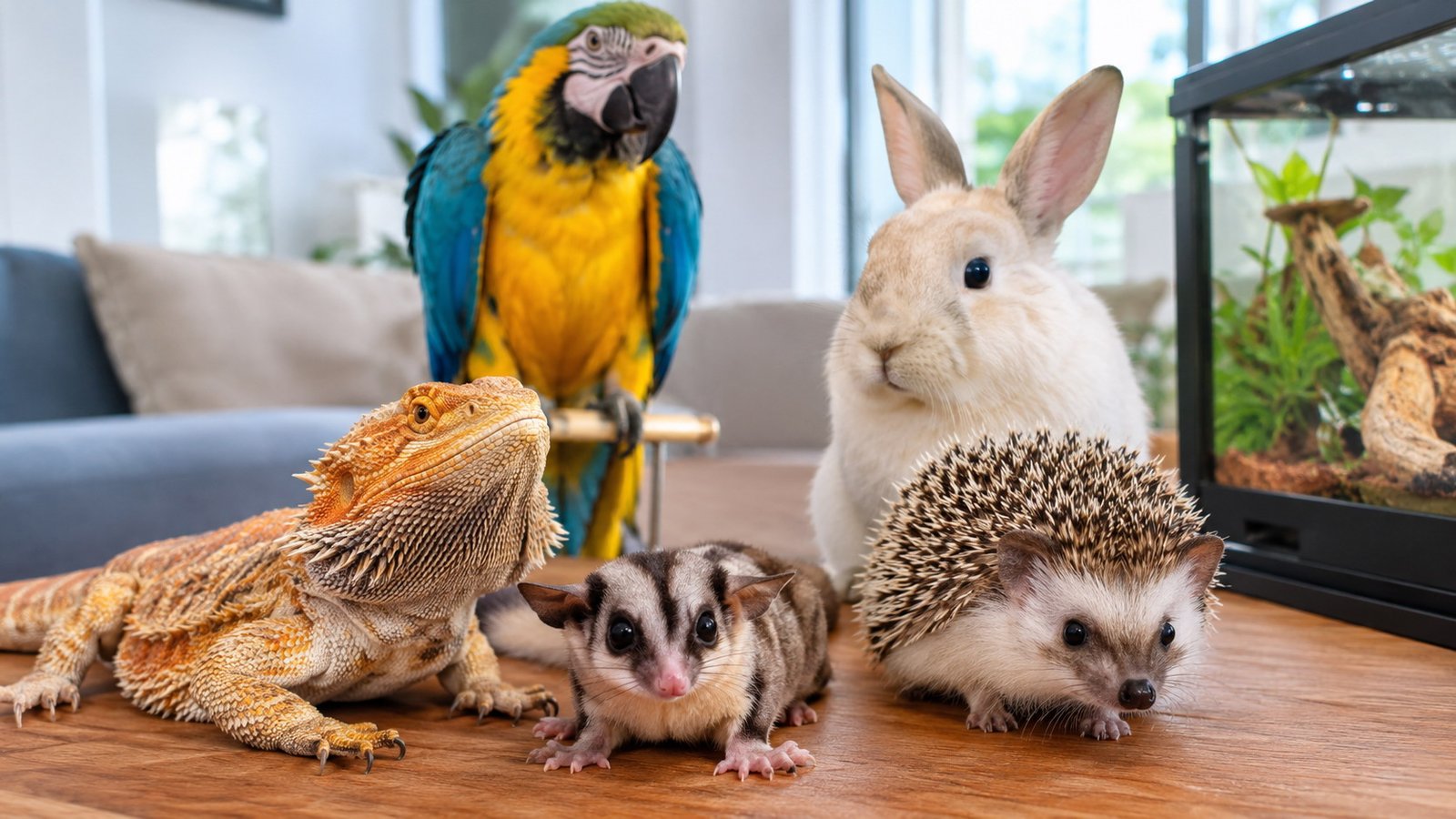
Popular exotic pets in 2027 are attracting attention from animal lovers who want something different from traditional cats and dogs. From colorful geckos and curious ferrets to fascinating axolotls and chinchillas, these unusual companions offer unique experiences, but they also come with specialized care requirements that every prospective owner should understand.
Choosing an exotic pet involves more than finding an animal that looks interesting. You need to consider its diet, habitat, temperament, lifespan, veterinary needs, and whether it is legal to keep in your area. Some species may suit beginners who are willing to learn, while others require considerable experience, daily attention, or carefully controlled environments.
This guide explores the popular exotic pets worth knowing about in 2027, explains what makes each one special, and compares their care requirements to help you make a responsible decision. You’ll also learn which animals may suit beginners and which ones need more preparation than their small size might suggest.
In This Article
What Makes an Exotic Pet Popular in 2027?
Exotic pets appeal to people for many reasons. Some owners enjoy observing unusual animal behaviors, while others appreciate the distinctive appearance of reptiles, amphibians, or small mammals. Limited living space can also influence the decision, although a small animal does not necessarily need a small enclosure.
In 2027, prospective owners should look beyond online trends and attractive photographs. The best exotic pet is one whose needs you can consistently meet, not simply the animal receiving the most attention on social media.
Unique Appearance and Fascinating Behaviors
Many exotic animals have characteristics that make them especially interesting to observe.
Leopard geckos have distinctive spotted patterns, bearded dragons display expressive body language, and axolotls retain their feathery external gills throughout adulthood. Chinchillas, meanwhile, are known for their exceptionally dense fur and energetic movements.
These features make exotic animals appealing to hobbyists who enjoy learning about different species. Their natural behaviors can also be rewarding to observe, provided their enclosures allow them to express those behaviors safely.
Suitable Options for Different Living Spaces
Some exotic pets can live comfortably in well-designed enclosures that fit into a dedicated area of a home. Certain geckos, for example, can be housed in appropriately sized terrariums rather than requiring an entire room to roam.
However, space requirements vary considerably. Chinchillas need room to jump and exercise, ferrets benefit from supervised exploration, and sugar gliders require substantial vertical space and enrichment.
Before choosing an animal, research its adult size and minimum enclosure requirements. Consider the space needed for food storage, cleaning equipment, temperature-control devices, and a secure location away from household hazards.
Growing Interest in Specialized Pet Care
Exotic pet ownership often attracts people who enjoy learning about animal biology, habitat design, and species-specific nutrition.
Reptile enthusiasts may spend time adjusting temperature gradients and UVB lighting, while aquatic animal keepers monitor water quality and filtration. Small mammal owners may need to provide carefully selected diets, suitable bedding, and opportunities for natural behaviors.
This specialized care can be enjoyable, but it also creates responsibilities. Equipment can fail, electricity costs can add up, and finding a veterinarian experienced with a particular species may require advance planning.
Why Popularity Does Not Always Mean a Pet Is Easy to Keep
An animal can become popular because of a viral video without being suitable for most households.
Sugar gliders, for example, are social, nocturnal animals with demanding companionship and enrichment needs. Axolotls may look simple to care for, but their water temperature and quality must remain within appropriate limits.
Research an animal’s needs before purchasing its enclosure or bringing it home. Responsible ownership begins with understanding the animal, rather than trying to adapt the animal to an unsuitable lifestyle.
Popular Exotic Pets in 2027: 10 Unique Animals Worth Knowing About
The following animals represent a diverse range of exotic pet options, from reptiles and small mammals to amphibians and invertebrates. They are not presented as a definitive popularity ranking, since availability, ownership trends, and legal restrictions vary between regions.
Each species has different strengths and challenges. Understanding those differences will help you narrow down your options before making a commitment.
Leopard Geckos: Small Reptiles With Distinctive Personalities
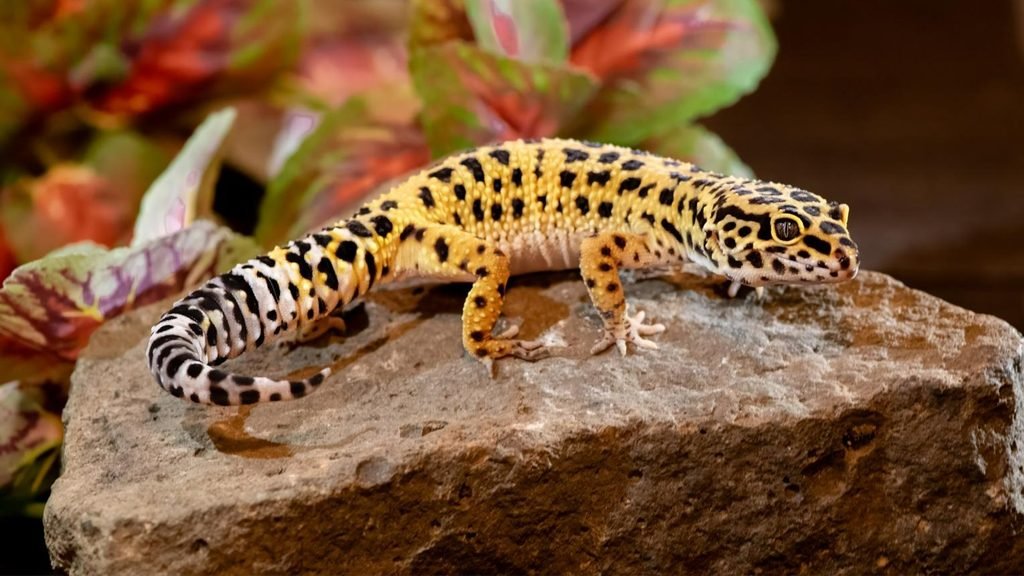
Leopard geckos are popular among reptile enthusiasts because of their distinctive markings, manageable size, and interesting behavior. Their spotted bodies and range of captive-bred color patterns make them attractive to both new and experienced keepers.
These ground-dwelling lizards spend much of their time exploring, resting in hides, and hunting insects. Although some become comfortable with gentle handling, they should never be treated like toys or handled against signs of stress.
Essential care requirements:
- Habitat: A secure, appropriately sized enclosure with multiple hides and suitable substrate.
- Temperature: A carefully controlled temperature gradient that allows the gecko to regulate its body temperature.
- Diet: Appropriately sized, nutritionally suitable live insects, with supplementation when required.
- Hydration: Access to clean drinking water and suitable humidity within designated hides.
- Lifespan: Often around 10–20 years with appropriate care.
Leopard geckos may suit beginners who are prepared to learn reptile husbandry. They still need daily observation, regular cleaning, and access to an experienced reptile veterinarian.
Bearded Dragons: Interactive Lizards With Specific Habitat Needs
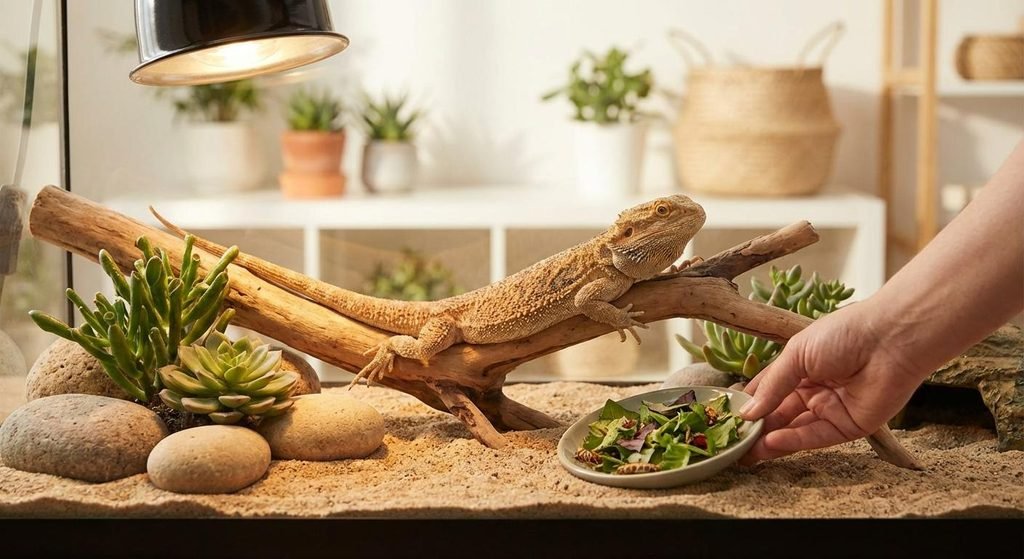
Bearded dragons are known for their curious behavior and ability to become accustomed to calm, gentle interaction. Their expressive movements, including head bobbing and changes in body posture, make them fascinating animals to observe.
They are often considered approachable reptiles, but their care is more involved than their relaxed appearance suggests. Proper lighting, heating, and nutrition are essential for maintaining good health.
What bearded dragons need:
- A spacious enclosure designed for their adult size.
- Appropriate UVB lighting and a properly maintained basking area.
- A balanced diet that includes suitable leafy greens, vegetables, and insects according to age and individual needs.
- Fresh drinking water and regular enclosure cleaning.
- Opportunities to explore and display natural behaviors.
Young bearded dragons generally need more frequent feeding than adults, and dietary proportions change as they mature. Owners should also monitor appetite, body condition, activity, and bowel movements.
Their relatively long lifespan means that bringing one home can represent a commitment of a decade or more. Bearded dragons are best suited to owners who can maintain a consistent daily care routine and afford specialized veterinary treatment when needed.
Crested Geckos: An Interesting Choice for a Vertical Terrarium
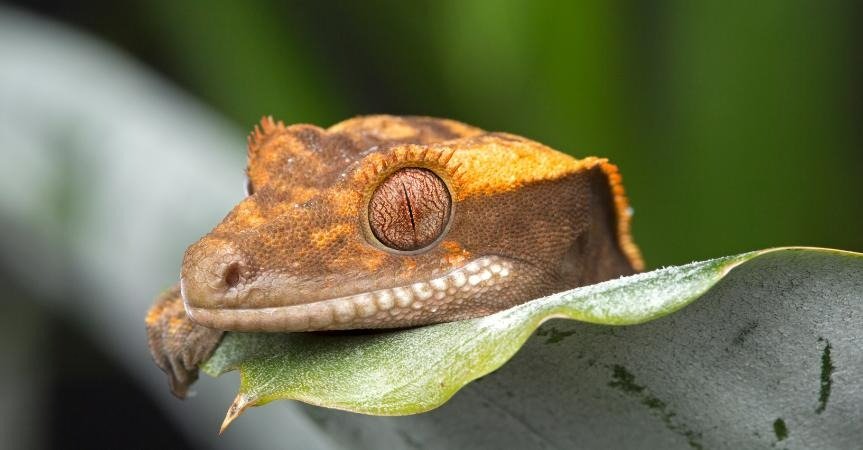
Crested geckos stand out because of the raised ridges above their eyes, their climbing abilities, and their attractive patterns. Unlike leopard geckos, which are primarily ground-dwelling, crested geckos are arboreal and benefit from a habitat with plenty of vertical climbing opportunities.
Their feeding routines can be relatively convenient because commercially prepared, nutritionally complete crested gecko diets are available. Depending on the product and the animal’s needs, appropriate insects may also form part of the feeding plan.
Important care considerations include:
- A tall, well-ventilated enclosure with branches, foliage, and secure hiding places.
- Appropriate humidity cycles, with enough ventilation to prevent persistently damp conditions.
- Suitable temperatures that avoid dangerous overheating.
- A complete diet formulated specifically for crested geckos.
- Gentle handling that accounts for their jumping ability and vulnerability to tail loss.
Crested geckos can be a good option for beginners who research their environmental needs carefully. They are primarily observation pets, however, and frequent handling is not necessary for their well-being.
Ball Pythons: Calm Snakes for Prepared Reptile Keepers
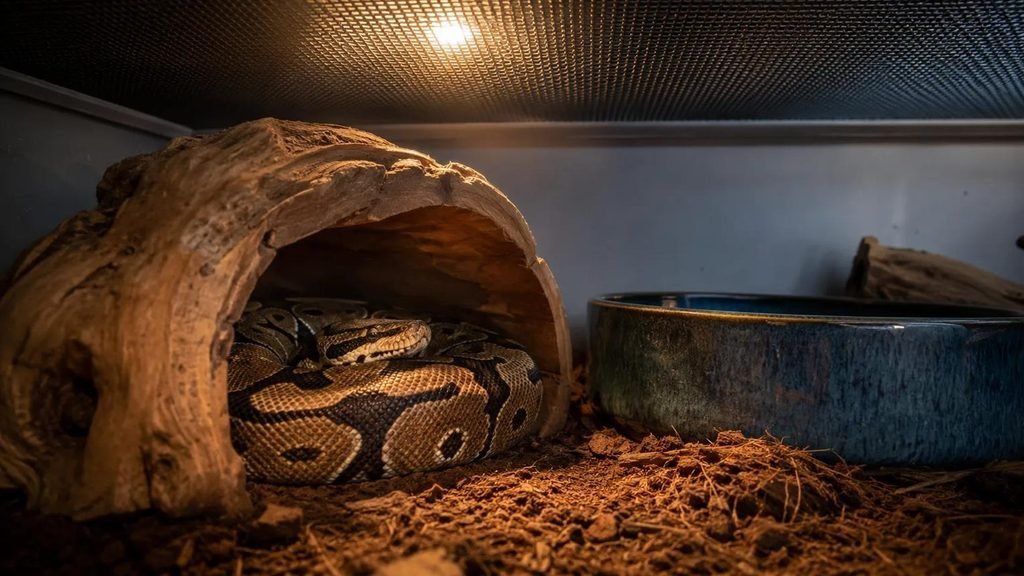
Ball pythons are recognizable by their patterned bodies and tendency to curl into a ball when feeling threatened. Some individuals become accustomed to calm, appropriate handling, making them appealing to people interested in keeping snakes.
Their quiet nature can be misleading, though. Ball pythons need secure housing, reliable environmental control, and a feeding plan based on suitable prey.
Before choosing a ball python, consider these responsibilities:
- Provide an enclosure large enough for the snake to stretch out and move comfortably.
- Maintain suitable warm and cooler areas, along with appropriate humidity.
- Offer secure hides and clean water.
- Feed appropriately sized prey according to the snake’s age, body condition, and established feeding schedule.
- Monitor shedding, breathing, weight, and appetite.
Ball pythons can live for several decades, sometimes reaching 20–30 years or more. Their long lifespan makes them a substantial commitment rather than a short-term hobby.
Never handle a snake immediately after feeding, and learn safe handling practices before bringing one home. Check local laws and ensure that a veterinarian familiar with reptiles is available.
Hedgehogs: Spiky Small Mammals With Specialized Needs
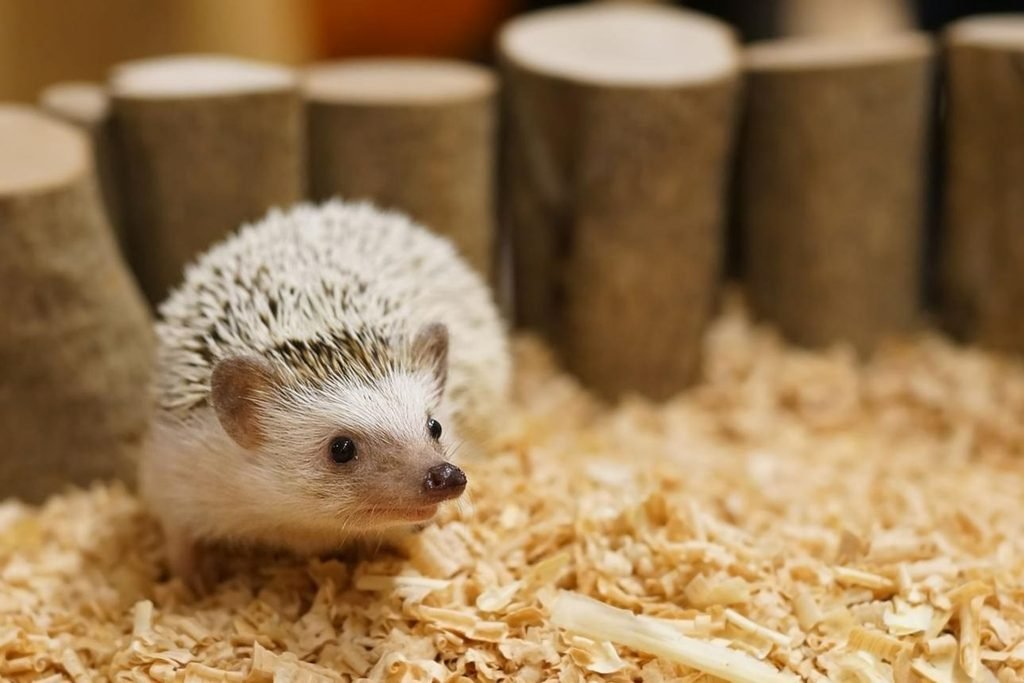
Hedgehogs attract attention because of their compact bodies, protective spines, and distinctive nighttime activity. African pygmy hedgehogs are the species commonly encountered in the exotic pet trade, although their legal status varies by location.
These animals are generally solitary and nocturnal. They may spend much of the day sleeping and become active when their owners are winding down for the evening.
Hedgehogs are not automatically affectionate pets. Some gradually become comfortable with gentle interaction, while others remain shy and prefer minimal handling.
Their basic care needs include:
- A spacious enclosure with solid flooring and suitable bedding.
- A safe exercise wheel designed to reduce the risk of injury.
- A balanced diet appropriate for hedgehogs, with portion control to prevent obesity.
- Consistent warmth within the species’ appropriate temperature range.
- Regular access to a veterinarian experienced with hedgehogs.
Hedgehogs also require careful hygiene because they can carry germs, including Salmonella, even when they appear healthy. Wash your hands after handling the animal or cleaning its enclosure, and keep its equipment away from food preparation areas.
Check local regulations before acquiring a hedgehog. They are prohibited or restricted in some places, and their specialized needs make them less suitable for households expecting a highly interactive daytime companion.
Sugar Gliders: Social Marsupials That Need Considerable Attention

Sugar gliders are small marsupials known for their large eyes, gliding membrane, and ability to move between elevated surfaces. Their unusual appearance and social behaviors make them appealing to people interested in less conventional pets.
Their care requirements, however, are frequently underestimated. Sugar gliders are nocturnal and highly social, and they need substantial opportunities for climbing, gliding, foraging, and interaction with compatible companions.
Sugar gliders require:
- A large, secure enclosure with appropriate vertical space.
- Daily enrichment and opportunities for natural movement.
- A carefully balanced diet designed to meet their nutritional needs.
- Consistent social interaction and thoughtful companionship arrangements.
- Access to an exotic-animal veterinarian with sugar glider experience.
Improper nutrition can contribute to serious health problems, and a generic small-mammal diet is not an adequate substitute for species-specific feeding guidance.
Sugar gliders may also vocalize and move around at night, which can be challenging for light sleepers. They are generally not a good choice for someone seeking an inexpensive, low-maintenance pet.
Before considering sugar gliders, investigate their social, dietary, and legal requirements thoroughly. In some jurisdictions, keeping or importing them is restricted.
Chinchillas: Soft-Furred Animals That Need a Cool Environment
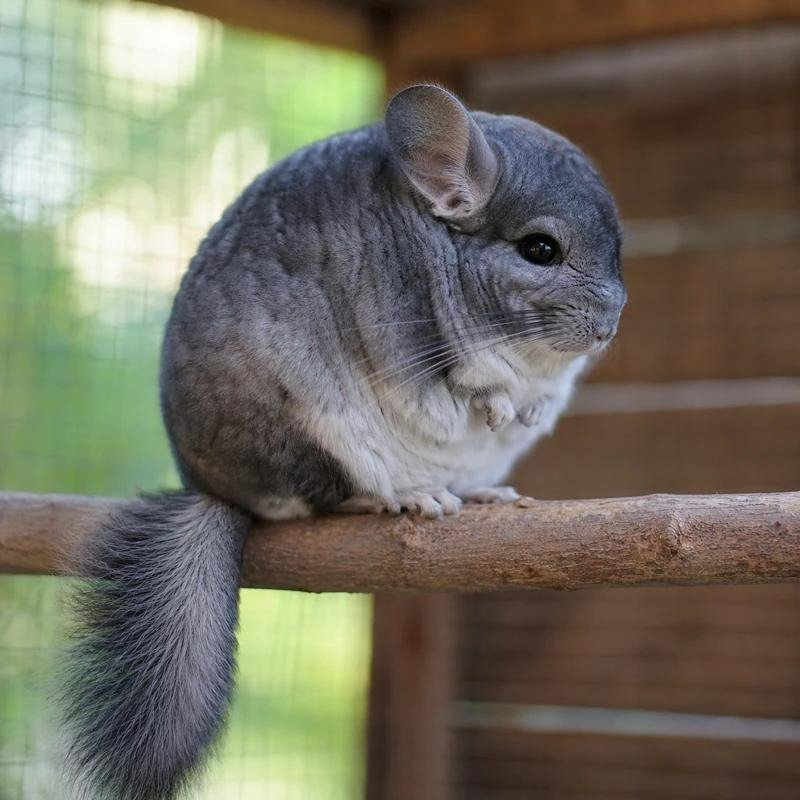
Chinchillas are admired for their exceptionally soft fur, alert expressions, and energetic personalities. They can be entertaining to observe as they jump, explore, and interact with their surroundings.
Despite their plush appearance, chinchillas are not cuddly toys. Many prefer having control over physical contact, and their delicate bodies require gentle, knowledgeable handling.
Temperature is one of the most important factors in chinchilla care. Their dense fur makes them particularly vulnerable to overheating, so they need a cool, well-ventilated environment.
A healthy chinchilla setup should include:
- A spacious enclosure with safe platforms and opportunities for exercise.
- A cool environment with protection from excessive heat and humidity.
- Unlimited access to suitable grass hay and a species-appropriate diet.
- Safe chew items to support normal dental wear.
- Appropriate dust baths and regular enclosure maintenance.
Chinchillas are typically most active during the evening and nighttime. Their need for exercise, enrichment, and dental monitoring means they require more care than their quiet appearance might suggest.
With appropriate husbandry, chinchillas can live for roughly 10–20 years. Prospective owners should be ready for a long-term commitment and have a plan for keeping the animal cool during hot weather or power outages.
Ferrets: Curious Companions for Active Owners
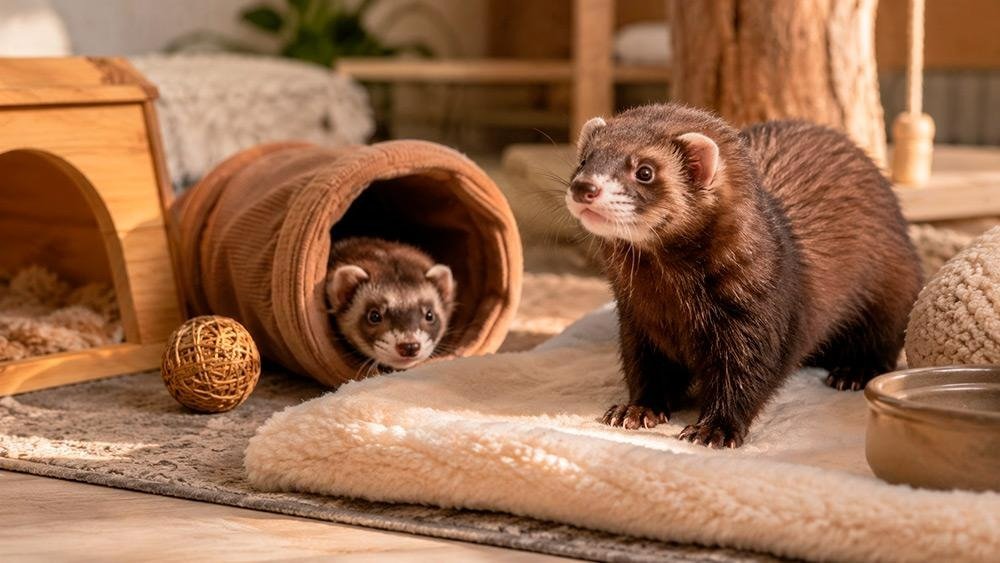
Ferrets are playful, intelligent mammals that enjoy exploring tunnels, investigating objects, and interacting with their surroundings. Their lively behavior makes them appealing to owners who want an animal that actively engages with its environment.
Unlike many reptiles, ferrets often enjoy regular interaction and supervised play. They are also remarkably curious, which means their living space must be carefully prepared to prevent accidents.
Ferret ownership involves several important responsibilities:
- Providing a secure, spacious living area and daily supervised exercise.
- Offering a nutritionally appropriate, animal-protein-based diet formulated for ferrets.
- Removing access to unsafe gaps, electrical cords, toxic substances, and objects that could be swallowed.
- Scheduling routine veterinary care and discussing locally recommended vaccinations and parasite prevention.
- Providing enrichment, social interaction, and opportunities for exploration.
Ferrets can squeeze into narrow spaces, chew or swallow dangerous objects, and investigate areas that owners might overlook. Ferret-proofing the home is essential before allowing them to explore.
Their lifespan is commonly around 5–10 years, although individual outcomes vary. Ferrets may suit active owners who can devote time to play, cleaning, supervision, and veterinary care.
Local laws also matter. Ferret ownership is restricted or prohibited in some jurisdictions, so confirm that keeping one is permitted before making arrangements.
Axolotls: Fascinating Aquatic Amphibians With Precise Water Needs
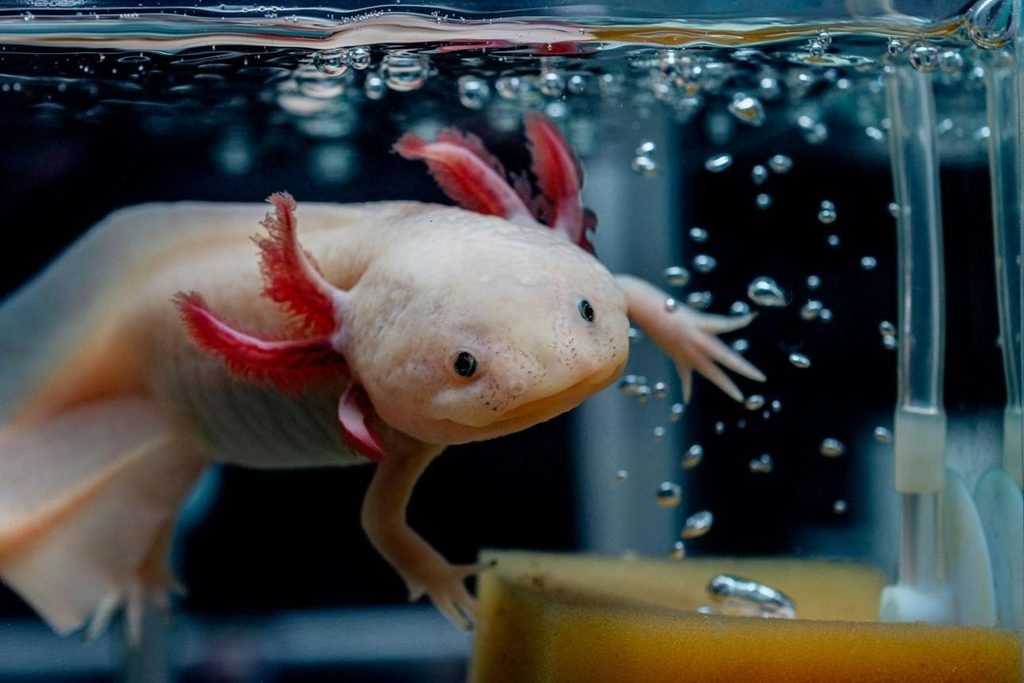
Axolotls are aquatic salamanders famous for their feathery external gills and unusual appearance. Their ability to regenerate certain body tissues has also made them scientifically fascinating animals.
Unlike many amphibians, axolotls remain aquatic throughout adulthood. They need a carefully maintained aquarium rather than a conventional terrestrial terrarium.
Their specialized requirements make them better suited to owners willing to learn aquarium management before acquiring the animal.
Essential axolotl care includes:
- An appropriately sized aquarium with stable, cool water.
- Reliable filtration and regular testing of water quality.
- Ammonia and nitrite levels maintained at zero in an established aquarium.
- Suitable water movement that does not create excessive currents.
- A safe substrate, appropriate hiding places, and a species-appropriate diet.
Temperature management is particularly important. Axolotls can suffer when water becomes too warm, so a plan for hot weather is essential in warmer climates.
Their skin and gills are sensitive, making careful handling and good water quality crucial. They are best treated as observation animals rather than pets to pick up and hold.
Axolotls may live for around 10–15 years under suitable conditions. Before purchasing one, learn how to establish an aquarium properly and ensure that an aquatic or exotic-animal veterinarian can provide appropriate care.
Tarantulas: Specialized Invertebrates for Observation
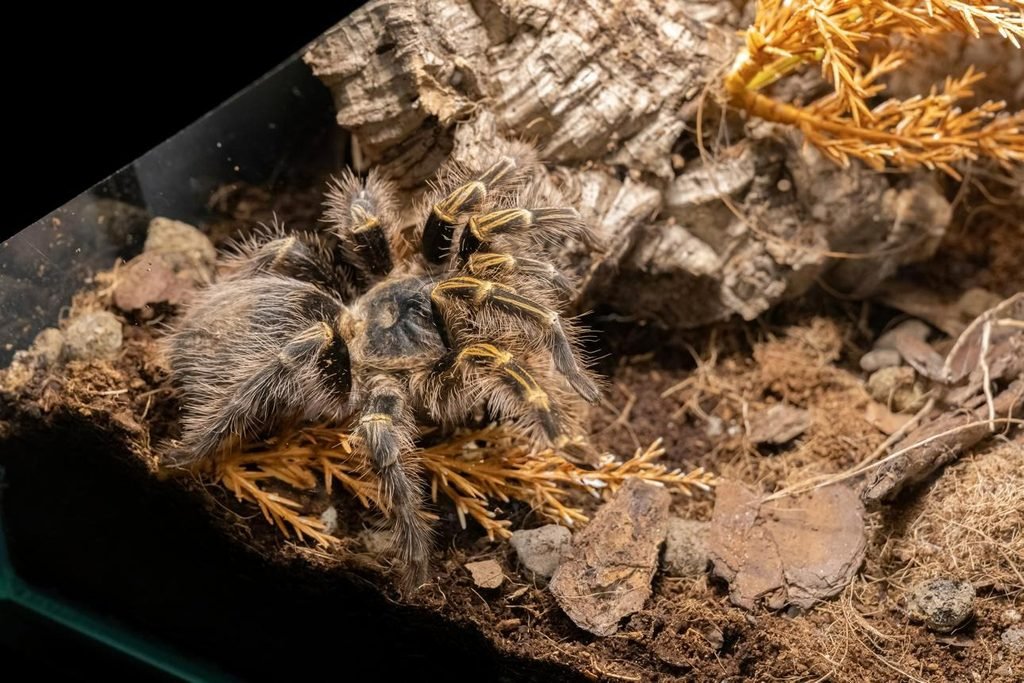
Tarantulas appeal to hobbyists who enjoy observing invertebrates and learning about their natural behaviors. Depending on the species, they may spend much of their time in burrows, beneath shelter, or exploring their enclosure.
Some tarantulas have relatively simple daily feeding routines compared with mammals, but that does not make every species easy or safe for beginners.
Their needs vary considerably. Terrestrial, burrowing, and arboreal species may require different enclosure designs, substrate depths, humidity conditions, and climbing structures.
Responsible tarantula care includes:
- Choosing a species with well-understood husbandry requirements.
- Providing a secure, escape-resistant enclosure with suitable ventilation.
- Maintaining species-appropriate temperatures and humidity.
- Offering appropriately sized feeder insects.
- Avoiding unnecessary handling, which can injure the tarantula or expose the keeper to bites and irritating defensive hairs.
Some tarantulas are fragile enough to suffer fatal injuries from relatively short falls. Handling also creates unnecessary risks, particularly with species that are defensive or fast-moving.
Certain species have medically significant venom, and defensive hairs from some New World tarantulas can cause skin or eye irritation. Beginners should research species-specific risks and choose an appropriate animal rather than assuming all tarantulas have the same temperament.
Tarantulas may be a reasonable option for experienced invertebrate enthusiasts who prefer observation over interaction. Their enclosure and care requirements should still be researched carefully, and wild-caught specimens should be avoided when a suitable, responsibly sourced captive-bred alternative is available.
Which Popular Exotic Pets Are Best for Beginners?
The best exotic pet for a beginner is one whose needs are manageable for that person’s available time, experience, budget, and living environment. No species is entirely maintenance-free, and a supposedly easy animal can become difficult to care for when its habitat or diet is incorrect.
For many first-time keepers, a well-researched reptile species may be a more practical starting point than a highly social exotic mammal. The right choice still depends on individual circumstances.
Exotic Pets That May Suit First-Time Owners
Leopard geckos and crested geckos can be reasonable choices for prepared beginners because their adult sizes are manageable and their basic husbandry requirements are well documented.
However, these species have different habitat needs. Leopard geckos require a suitable ground-level environment with a controlled temperature gradient, while crested geckos need vertical climbing space and appropriate humidity management.
A beginner who enjoys aquarium keeping may also be interested in axolotls, but only after learning how to establish and maintain a suitable aquatic environment. Water testing, temperature control, and filtration require consistent attention.
Before selecting any of these animals, make sure you can:
- Set up and test the habitat before the animal arrives.
- Obtain suitable food and essential equipment reliably.
- Monitor temperature, humidity, water quality, or lighting as appropriate.
- Recognize signs of illness and locate qualified veterinary care.
- Provide consistent care throughout the animal’s expected lifespan.
Exotic Pets That Require More Experience or Commitment
Some species have social, environmental, or nutritional needs that make them challenging for inexperienced owners.
| Exotic pet | Main challenge | Consideration for beginners |
| Sugar glider | Complex social and dietary needs | Usually not a suitable first exotic pet |
| Chinchilla | Heat sensitivity and specialized dental care | Requires careful environmental management |
| Bearded dragon | UVB lighting, heating, and balanced nutrition | Possible for prepared beginners |
| Ball python | Secure housing and long-term feeding management | Requires research and safe handling knowledge |
| Hedgehog | Nocturnal behavior and specialized veterinary care | May not suit owners seeking frequent interaction |
| Ferret | Daily exercise, supervision, and home safety | Better for owners with sufficient time and space |
| Axolotl | Stable water quality and temperature | Better for people prepared to manage an aquarium |
| Tarantula | Species-specific safety and habitat requirements | Depends heavily on the species selected |
How to Decide Whether an Exotic Pet Fits Your Lifestyle
Think about your normal routine rather than the ideal schedule you hope to maintain. If you work long hours, travel frequently, or have difficulty keeping environmental conditions stable, some species may not be appropriate.
Consider the following questions before committing:
- Time: Can you provide daily feeding, observation, cleaning, and enrichment?
- Budget: Can you afford the enclosure, ongoing supplies, utilities, and unexpected veterinary expenses?
- Space: Can you provide a suitable habitat without compromising the animal’s welfare?
- Lifestyle: Will nighttime activity, live insect feeding, or specialized equipment be practical in your home?
- Long-term plans: Can you continue caring for the animal if you move, change jobs, or experience a change in household circumstances?
- Veterinary access: Is a qualified veterinarian available for the species you want to keep?
A responsible owner chooses the animal they can care for well, not the animal that seems easiest to purchase. Taking time to answer these questions can prevent avoidable health problems and difficult rehoming situations later.
Exotic Pets Compared: Cost, Lifespan, Space, and Daily Care
Choosing among popular exotic pets in 2027 becomes easier when you compare their long-term costs, expected lifespan, housing needs, and daily care routines. An animal with a low purchase price may still require expensive equipment, specialized food, or veterinary treatment.
Before bringing an exotic pet home, calculate both the initial setup cost and the ongoing expenses. This helps you avoid choosing an animal that you cannot comfortably support over its lifetime.
How Much Does It Cost to Keep an Exotic Pet?
The cost of exotic pet ownership varies by species, location, equipment quality, and access to veterinary services. Reptiles may require specialized lighting and heating equipment, while aquatic animals need filtration and water-testing supplies. Mammals may have recurring expenses for food, bedding, enrichment, and preventive health care.
Your initial budget may include:
- Purchase or adoption fee: The amount paid to a reputable, legal source.
- Enclosure and furnishings: A terrarium, aquarium, cage, hides, climbing structures, or other habitat essentials.
- Environmental equipment: Thermostats, heating devices, UVB lighting, thermometers, hygrometers, filters, or water conditioners, depending on the species.
- Food and supplements: Appropriate staple foods, insects, hay, formulated diets, or other species-specific nutrition.
- Veterinary care: Initial examinations, routine health checks, diagnostic tests, and emergency treatment.
- Replacement supplies: Bulbs, filter media, substrate, cleaning products, and damaged equipment.
Never spend your entire budget on the animal itself. Prepare its habitat first and keep money available for veterinary emergencies.
Exotic Pet Lifespan and Long-Term Commitment
An exotic pet may remain part of your household for years or even decades. Its expected lifespan should be a major factor in your decision, especially if you are choosing an animal for a child or entering a stage of life when your circumstances may change.
| Exotic pet | Approximate lifespan | Important long-term consideration |
| Leopard gecko | 10–20 years | Insect feeding and controlled habitat conditions |
| Bearded dragon | 8–15 years | UVB lighting, heating, and varied nutrition |
| Crested gecko | 15–20 years | Humidity management and suitable vertical housing |
| Ball python | 20–30 years or more | Secure enclosure and long-term feeding management |
| Hedgehog | Around 3–7 years commonly | Specialized nutrition and veterinary care |
| Sugar glider | Often 10–15 years in captivity | Social companionship and enrichment |
| Chinchilla | 10–20 years | Cool housing, exercise, and dental health |
| Ferret | Around 5–10 years | Supervision, enrichment, and preventive health care |
| Axolotl | Around 10–15 years | Stable water quality and temperature |
| Tarantula | Highly species-dependent | Some females of certain species can live for decades |
These are approximate ranges, not guarantees. Sex, genetics, species, husbandry, and individual health can affect lifespan. Tarantula longevity varies particularly widely between species and sexes.
How Much Space Does Each Exotic Pet Need?
A small body does not automatically mean a small habitat is appropriate. Exotic animals need enough room to move, hide, exercise, thermoregulate, climb, burrow, or swim according to their natural behaviors.
- Leopard geckos: Need a secure enclosure with floor space, multiple hides, and a suitable temperature gradient.
- Bearded dragons: Require a spacious enclosure with room for movement, basking, climbing, and appropriate UVB exposure.
- Crested geckos: Benefit from vertical space, sturdy climbing structures, and foliage.
- Ball pythons: Need secure housing that permits comfortable movement, full-body extension, and access to appropriate warm and cool areas.
- Chinchillas: Need room for jumping, climbing, and exercise, along with a cool environment.
- Ferrets: Require a secure living area and regular supervised time to explore outside it.
- Axolotls: Need a suitably sized, established aquarium with effective filtration and stable water conditions.
- Tarantulas: Require species-appropriate enclosures, which may be designed for terrestrial, burrowing, or arboreal lifestyles.
Research the adult animal’s needs rather than buying an enclosure sized for a juvenile. Your setup should be suitable from the beginning, with adjustments as the animal grows when necessary.
Which Exotic Pet Has the Most Manageable Daily Routine?
Some exotic animals have relatively simple feeding schedules, while others require frequent interaction, fresh food preparation, or regular environmental monitoring. The amount of work involved also depends on how efficiently you organize the animal’s habitat.
| Pet | Typical daily responsibilities | Main ongoing challenge |
| Leopard gecko | Check temperature, water, appetite, and enclosure condition | Live insect feeding and environmental control |
| Bearded dragon | Monitor temperature, provide suitable food, and check lighting | Balancing nutrition and maintaining UVB equipment |
| Crested gecko | Check humidity, water, food, and enclosure conditions | Maintaining ventilation and appropriate humidity |
| Chinchilla | Provide hay, water, and daily observation | Preventing overheating and supporting dental health |
| Ferret | Feed, supervise activity, and maintain hygiene | Preventing accidents and providing enrichment |
| Axolotl | Observe behavior and check water conditions | Maintaining stable aquarium chemistry and temperature |
| Sugar glider | Provide appropriate food, check the habitat, and offer enrichment | Social needs and a specialized diet |
Daily care should include observing your pet’s normal behavior. A sudden change in appetite, movement, breathing, or activity may signal a health problem.
The most manageable exotic pet is not necessarily the one requiring the fewest daily tasks. It is the one whose specific care routine you can follow reliably, including on busy days and during unexpected changes in your schedule.
Are Exotic Pets Good for Families With Children?
Exotic pets can help children develop curiosity about wildlife, responsibility, and respect for animals. However, not every species enjoys being handled, and some are fragile, easily stressed, or capable of biting when frightened.
The best family pet is one whose needs match the household’s experience and whose safety requirements everyone can follow. An adult must remain responsible for the animal’s welfare, even when a child promises to take care of it.
Which Exotic Pets Are Suitable for Families?
Some animals may be appropriate for families that are prepared to provide specialized care and supervise interactions carefully.
Leopard geckos can be interesting observation pets for children who enjoy learning about reptiles. Older children may help with simple tasks, such as checking water bowls or observing feeding, while an adult manages handling and habitat conditions.
Bearded dragons can also be rewarding for families who can maintain their demanding lighting, heating, and dietary requirements. Gentle interaction may be possible with an accustomed animal, but children must learn to support its body properly and avoid grabbing it.
Crested geckos may appeal to families interested in observing climbing behavior and maintaining a planted or naturalistic terrarium. Their ability to jump and their vulnerability to tail loss mean that handling should be limited and carefully supervised.
Even species often described as beginner-friendly need appropriate equipment, consistent care, and veterinary support. Their suitability depends on the individual household rather than a simple label.
Exotic Pets That May Not Suit Young Children
Some animals have needs or characteristics that make them less practical for households with very young children.
- Sugar gliders: Their nocturnal lifestyle, social requirements, and specialized nutrition can be difficult for families to accommodate.
- Tarantulas: Many are fragile and should generally be observed rather than handled. Defensive hairs or bites may pose additional risks, depending on the species.
- Axolotls: Their sensitive skin and gills make handling inappropriate in most situations. Children can help observe aquarium conditions under adult supervision.
- Hedgehogs: Their spines, nocturnal habits, and potential to carry germs require careful hygiene and gentle handling.
- Ball pythons: They require safe handling practices and secure enclosures. An adult should supervise interactions and ensure the snake’s welfare takes priority.
An animal that appears calm is not necessarily comfortable. Hiding, defensive postures, repeated attempts to escape, or unusual inactivity may indicate stress or illness.
Teach Children How to Interact With Exotic Pets Safely
Children should understand that animals have boundaries and should never be forced to interact.
Establish a few clear household rules:
- Wash hands before and after handling animals or touching their habitat equipment.
- Never squeeze, chase, drop, or pick up an animal without adult permission.
- Keep faces away from animals and avoid kissing them.
- Never disturb a sleeping pet or interrupt feeding and shedding.
- Do not allow children to clean aquariums, handle potentially contaminated materials, or use heating equipment without adult supervision.
- Keep pets and their equipment away from kitchens and food preparation areas.
Young children should generally focus on observing animals rather than handling them. An adult should also supervise enclosure cleaning, food preparation, and any activity that involves potential bites, scratches, or exposure to animal waste.
Understand the Risk of Germs and Injuries
Reptiles and amphibians can carry Salmonella without showing signs of illness. Certain mammals and other exotic animals can also transmit infections through bites, scratches, or contact with contaminated surfaces.
Handwashing is essential, even if the animal looks clean and healthy. Families with children under five, older adults, or people with weakened immune systems should consult a healthcare professional and veterinarian before choosing a species that may present additional infection risks.
Keep an exotic pet’s habitat clean, prevent animals from roaming around food preparation areas, and avoid washing habitat accessories in kitchen sinks. Use a designated cleaning area whenever possible.
A family-friendly exotic pet is one that can be cared for safely without compromising the animal’s well-being. If a child loses interest, the adult must still be prepared to provide the necessary care for the animal’s entire life.
The Habitat Essentials Every Exotic Pet Owner Should Get Right
A suitable habitat is one of the most important investments you will make when keeping an exotic pet. The right enclosure helps an animal regulate its body temperature, maintain normal behavior, avoid injury, and remain healthier over time.
Poor habitat conditions can contribute to stress, appetite changes, respiratory problems, metabolic bone disease in susceptible reptiles, and other preventable health issues.
Before purchasing an exotic animal, research its specific environmental requirements and prepare the enclosure completely.
Choose the Right Enclosure Size and Design
Different animals need different types of living spaces. A climbing gecko benefits from vertical structures, while a burrowing tarantula needs suitable substrate depth. An axolotl requires an aquatic environment rather than a dry terrarium.
When selecting an enclosure, consider:
- Adult size: Make sure the habitat accommodates the animal’s full-grown dimensions and normal movement.
- Ventilation: Provide adequate airflow while maintaining the environmental conditions required by the species.
- Security: Use reliable lids, locks, or escape-resistant openings where appropriate.
- Hiding places: Include safe retreats that allow the animal to feel secure.
- Substrate: Choose material that suits the species and minimizes ingestion, impaction, or other injury risks.
- Enrichment: Add appropriate branches, platforms, tunnels, plants, climbing structures, or foraging opportunities.
Avoid overcrowding an enclosure with decorative objects that reduce usable space. Every feature should serve a purpose, whether it provides shelter, exercise, environmental complexity, or opportunities for natural behavior.
Maintain Safe Temperature, Humidity, and Lighting
Environmental control is especially important for reptiles and amphibians, which depend on their surroundings to maintain normal body functions.
Leopard geckos and bearded dragons need suitable temperature gradients, while crested geckos require appropriate humidity and protection from excessive heat. Axolotls need stable, cool water, and chinchillas must be protected from overheating.
Use equipment designed for the species rather than relying on guesswork.
- Thermometers: Measure temperatures in relevant areas of the enclosure.
- Thermostats: Control compatible heating equipment and help reduce the risk of overheating.
- Hygrometers: Monitor humidity where it matters.
- UVB lighting: Provide suitable UVB exposure for species that require it, following species-specific guidance.
- Aquarium thermometers and water tests: Monitor aquatic conditions, including temperature and water chemistry.
Heating equipment should be installed securely and used according to manufacturer instructions. Prevent direct contact with hot surfaces, protect cables from chewing, and check that the animal cannot become trapped near a heat source.
For reptiles that require UVB, remember that visible light alone does not indicate adequate UVB output. Bulb type, distance, enclosure materials, and replacement schedules all matter.
Create a Clean and Enriching Environment
Cleaning requirements vary by species and enclosure design. Removing soiled material, refreshing water, and inspecting food dishes may be daily tasks, while deeper cleaning should follow a schedule appropriate for the animal and habitat.
Aquatic environments need particular care because waste can affect water chemistry even when the aquarium looks clear. Establishing a biological filter and monitoring ammonia, nitrite, nitrate, and other relevant parameters are important parts of responsible aquarium management.
Enrichment matters just as much as cleanliness. A suitable habitat should encourage normal behavior rather than simply contain the animal.
Examples include:
- Climbing branches and foliage for arboreal geckos.
- Hides and suitable digging opportunities for terrestrial species.
- Safe tunnels and supervised exploration for ferrets.
- Chew items and exercise opportunities for chinchillas.
- Appropriate aquatic hides and environmental structure for axolotls.
Avoid using cleaning chemicals or disinfectants without checking that they are safe for the animal and enclosure materials. Rinse surfaces thoroughly when required and allow them to dry before returning the pet to its habitat.
Prepare the Habitat Before Bringing Your Pet Home
One of the most common mistakes new exotic pet owners make is buying the animal first and trying to solve its housing needs afterward.
A better approach is to research the species, assemble the enclosure, test the equipment, and confirm that environmental conditions remain stable before the animal arrives.
For an aquarium, this means understanding the nitrogen cycle and establishing suitable water conditions. For reptiles, it means verifying temperatures and lighting. For mammals, it means checking enclosure security, bedding, food supplies, and environmental comfort.
Prepare an emergency plan, too. Know how to maintain safe conditions during a power outage, where to obtain replacement equipment, and which veterinarian to contact if your pet becomes ill.
A properly prepared habitat is not an optional upgrade; it is a basic requirement for responsible exotic pet ownership. Taking the time to get these details right gives your new companion a much better start in its home.
Feeding Exotic Pets: Nutrition Mistakes That Can Harm Their Health
Proper nutrition is one of the most important parts of caring for popular exotic pets in 2027. Different species have very different dietary needs, and feeding an animal the wrong foods can lead to nutritional deficiencies, obesity, digestive problems, or serious long-term health complications.
A diet that works for one exotic pet may be completely unsuitable for another. Bearded dragons need a carefully balanced combination of plant foods and insects, chinchillas depend heavily on grass hay, and axolotls require appropriate aquatic animal foods.
The safest approach is to build your pet’s diet around its species-specific nutritional requirements rather than relying on generic pet food or advice from social media.
Understand What Different Exotic Pets Eat
Before bringing an exotic pet home, learn what it naturally eats and how those dietary needs change throughout its life.
Here are some important differences among popular exotic pets.
| Exotic pet | General dietary requirements | Common nutritional concern |
| Leopard gecko | Appropriately sized live insects | Poor insect nutrition or inadequate supplementation |
| Bearded dragon | Leafy greens, vegetables, and suitable insects, with proportions adjusted for age | Calcium imbalance and inadequate UVB exposure |
| Crested gecko | Complete, species-specific formulated diet; suitable insects may supplement it | Using fruit alone instead of a nutritionally complete diet |
| Ball python | Appropriately sized whole-prey items | Incorrect prey size or inappropriate feeding frequency |
| Hedgehog | Balanced, species-appropriate diet with appropriate protein and fat levels | Obesity and nutritional imbalance |
| Sugar glider | Carefully formulated diet appropriate for sugar gliders | Calcium deficiency and poorly balanced homemade diets |
| Chinchilla | Unlimited suitable grass hay and an appropriate chinchilla pellet | Excessive treats, sugary foods, and inadequate fiber |
| Ferret | Nutritionally complete food formulated for obligate carnivores | Inadequate animal protein and excessive unsuitable carbohydrates |
| Axolotl | Appropriate aquatic animal foods, such as suitable earthworms or formulated alternatives | Inappropriate food size and poor water quality during feeding |
| Tarantula | Suitable feeder insects selected for the species and size | Oversized prey and uneaten insects left in the enclosure |
These are general starting points rather than complete feeding plans. Age, body condition, reproductive status, health, and individual species requirements can all influence what an animal needs.
Why Calcium, Vitamins, and UVB Lighting Matter
Reptile nutrition involves more than choosing the right food. Some species need carefully managed calcium and vitamin intake, and appropriate UVB exposure can be essential for normal calcium metabolism.
Bearded dragons, for example, are vulnerable to metabolic bone disease when calcium intake, vitamin D metabolism, UVB exposure, or other aspects of husbandry are inadequate.
Leopard geckos and other insect-eating reptiles may also need appropriate supplementation, depending on their diet and lighting arrangements. However, supplementation should be species-specific because excessive vitamins or minerals can also cause harm.
Keep these principles in mind:
- Use supplements designed for the species you keep.
- Follow an evidence-based feeding and supplementation schedule.
- Check whether your reptile requires UVB lighting and install it correctly.
- Avoid adding several supplements together without understanding their combined nutrient content.
- Consult an experienced exotic-animal veterinarian if you are unsure about deficiencies, supplementation, or unusual changes in body condition.
More supplements do not automatically mean better nutrition. A balanced diet, appropriate environmental conditions, and correct supplementation must work together.
Common Exotic Pet Feeding Mistakes to Avoid
Even well-meaning owners can make feeding mistakes when they rely on convenience or outdated advice.
Feeding an unbalanced homemade diet
Homemade diets can be difficult to formulate correctly, particularly for sugar gliders and other animals with specialized nutritional needs. A mixture of fruits, vegetables, and other ingredients may appear healthy but still lack essential nutrients or contain inappropriate proportions.
Use a reputable, species-specific feeding plan and seek professional guidance before replacing a complete diet with homemade food.
Offering too many treats
Fruit, mealworms, and other treats may be appropriate for certain animals in limited amounts, but excessive treats can displace balanced food or contribute to obesity.
Treats should never become the main source of nutrition unless they are specifically part of a complete, appropriate feeding plan.
Ignoring the animal’s age
Young and adult animals may have different dietary requirements. Growing reptiles, for example, often need different feeding schedules and nutrient proportions from mature individuals.
Follow guidance for your pet’s life stage rather than applying one feeding routine indefinitely.
Assuming every insect is equally nutritious
Feeder insects vary in nutritional value. Appropriate gut-loading and supplementation can help improve their nutritional contribution for insect-eating reptiles.
Purchase feeders from reliable sources and choose suitable insect species and sizes for your animal.
Leaving unsuitable food in the enclosure
Uneaten insects may bite or stress some reptiles, while spoiled food can create hygiene problems in mammal enclosures and aquariums. Remove leftovers according to the animal’s needs and maintain clean feeding areas.
How to Know Whether Your Exotic Pet Is Eating Properly
A healthy feeding routine should support stable body condition, normal activity, and appropriate growth. Monitor your animal regularly rather than judging its health by appetite alone.
Pay attention to:
- Sudden changes in appetite or refusal to eat.
- Unexpected weight loss or excessive weight gain.
- Changes in stool, urination, or digestive behavior.
- Difficulty chewing or swallowing.
- Unusual weakness, lethargy, or reduced movement.
- Changes in skin, scales, shedding, or body condition.
Some exotic animals naturally eat less frequently than others, and certain species may temporarily reduce food intake during normal biological cycles. However, a prolonged loss of appetite, unexplained weight change, or other unusual symptoms should not be dismissed as normal behavior.
Contact a veterinarian experienced with your species if your pet stops eating unexpectedly or develops other signs of illness. Young, small, or medically fragile animals may deteriorate quickly, so waiting several days without professional advice can be risky.
For more detailed feeding guidance, consult the Merck Veterinary Manual’s animal health resources, which provides veterinary information relevant to a range of animal species.
Are Exotic Pets Legal to Own in 2027? Rules Every Owner Should Check
Before buying an exotic pet, confirm that owning, importing, transporting, breeding, and selling the species is legal where you live. Laws can differ significantly between countries, states, provinces, and municipalities.
An animal may be legal to keep in one location but prohibited or restricted in another. Some species require permits, while others are subject to wildlife conservation rules or import restrictions.
Never assume that an exotic pet is legal simply because a shop sells it or someone advertises it online.
Check Local Laws Before Purchasing an Exotic Animal
Start with the relevant government wildlife authority, environmental agency, agriculture department, or animal control office. Look for rules that specifically apply to private ownership rather than relying on general information about wildlife.
Check the following:
- Whether the species is permitted as a private companion animal.
- Whether an ownership, possession, or breeding permit is required.
- Whether importation or interstate transportation is restricted.
- Whether there are rules about enclosure standards or inspections.
- Whether local housing regulations or rental agreements restrict exotic animals.
- Whether there are additional requirements for dangerous, protected, or potentially invasive species.
The scientific name can be useful when checking regulations because common names sometimes refer to multiple species.
If a law or regulation is unclear, contact the relevant authority before paying a seller. Written confirmation can help you understand the applicable requirements more accurately than informal advice from an online community.
Understand Wildlife Trade and Conservation Restrictions
Some exotic animals are protected because wild populations face pressure from habitat loss, illegal collection, or international trade.
International trade in certain species is regulated under the Convention on International Trade in Endangered Species of Wild Fauna and Flora, commonly known as CITES. Depending on the species and circumstances, trade may require documentation, permits, or other safeguards.
CITES documentation does not automatically mean that private ownership is legal in every jurisdiction. National and local rules may impose additional restrictions.
Before purchasing an animal, ask whether it was captive-bred or wild-caught, where it originated, and what documentation is legally required. Avoid sellers who cannot explain the animal’s origin or who offer protected wildlife without appropriate paperwork.
Responsible sourcing helps reduce pressure on wild populations and supports more transparent animal-trade practices.
Why Captive-Bred Animals May Be a Better Choice
When legally available and appropriately bred, captive-bred animals can offer several advantages.
Their origin may be easier to document, and their previous care history may be more accessible than that of wild-caught animals. Captive-bred individuals may also be more accustomed to the environments used in responsible captive care.
However, captive-bred does not automatically mean healthy or ethically produced. Poor breeding conditions, inadequate nutrition, and improper handling can affect an animal regardless of where it was born.
Look for a reputable source that can explain:
- The animal’s species and origin.
- Its age and feeding history, where known.
- Any health concerns or previous treatment.
- The enclosure and dietary conditions needed.
- Relevant permits and legal documentation.
- Whether the animal has been bred responsibly and handled appropriately.
Avoid sellers who pressure you into making an immediate purchase or discourage you from asking questions.
Responsible Exotic Pet Ownership in Indonesia and Other Regions
Regulations are particularly important when purchasing exotic animals in places where native wildlife, imported species, and captive-bred pets may be subject to different rules.
In Indonesia, check the current requirements with the relevant conservation and wildlife authorities, including the applicable offices of the Ministry of Forestry and the Natural Resources Conservation Agency (Balai Konservasi Sumber Daya Alam, or BKSDA). Requirements can depend on the species, its conservation status, its origin, and the activity involved.
Do not capture native wildlife from the wild or assume that an animal can be kept simply because it is commonly advertised online. Protected species and regulated wildlife may require specific authorization, and unauthorized possession or trade can have legal consequences.
For readers in other countries, consult the appropriate local wildlife authority before acquiring a species that may be restricted.
The responsible choice is to verify the law first, confirm the animal’s origin, and only then decide whether it is suitable for your home.
Common Exotic Pet Care Myths That New Owners Should Stop Believing
Exotic pets often attract misconceptions because their needs are less familiar than those of cats and dogs. Advice shared in online groups or short videos may leave out important details about animal welfare, environmental requirements, or health risks.
Understanding the facts helps owners avoid preventable mistakes and provide better care.
Myth: Small Exotic Pets Need Only Small Enclosures
Fact: Enclosure size depends on the animal’s behavior and environmental needs, not just its body size.
A leopard gecko needs room for suitable temperature zones and hiding places. A chinchilla needs space to jump and exercise, while an arboreal gecko benefits from vertical climbing opportunities.
An enclosure that appears large enough for the animal to sit in may still prevent it from moving naturally.
Before buying a habitat, research the species’ adult size, activity level, and current husbandry recommendations. Include space for enrichment, food and water stations, and environmental equipment.
Myth: Reptiles Do Not Need Veterinary Checkups
Fact: Reptiles can develop health problems that are difficult for inexperienced owners to recognize.
Improper temperatures, inadequate nutrition, parasites, and poor lighting can contribute to illness. Reptiles may also hide signs of weakness, which means a problem can become advanced before obvious symptoms appear.
Routine preventive care should be discussed with a veterinarian experienced with reptiles. The appropriate schedule depends on the species, age, health history, and individual circumstances.
Seek professional advice if you notice unexplained weight loss, persistent appetite changes, abnormal breathing, difficulty moving, mouth lesions, or unusual shedding problems.
Myth: A Calm Exotic Pet Always Enjoys Being Handled
Fact: Remaining still does not necessarily mean an animal feels comfortable.
Some reptiles freeze when frightened. Other animals may tolerate handling without actively seeking it, while certain species become stressed when repeatedly picked up.
Learn the normal body language of your pet. Attempts to flee, defensive postures, repeated hiding, unusual vocalizations, or changes in normal behavior can indicate distress.
Keep handling brief and gentle when appropriate, support the animal’s body properly, and stop if it shows signs of discomfort. Many exotic pets are best appreciated through observation rather than frequent physical interaction.
Myth: Wild Animals Automatically Adapt to Life in Captivity
Fact: Captivity does not eliminate an animal’s natural needs.
Wild animals may experience stress when deprived of appropriate space, social conditions, environmental complexity, or opportunities to express natural behaviors. Some species are especially difficult to maintain in private homes because their needs are specialized or poorly suited to domestic environments.
Never assume that an animal will thrive simply because it is eating or surviving in an enclosure.
Choose species with well-established captive-care practices and acquire them through legal, responsible sources. Avoid taking wild animals home without the required authorization and appropriate expertise.
Myth: An Inexpensive Exotic Pet Is Cheap to Maintain
Fact: The initial purchase price is only one part of the total cost.
A relatively inexpensive reptile may need specialized lighting, a thermostat, replacement bulbs, feeder insects, and veterinary care. An axolotl may require aquarium equipment and ongoing water-quality monitoring, while a chinchilla needs suitable housing and protection from heat.
The total cost can also rise if equipment fails or the animal becomes ill.
Before buying, calculate the cost of the complete habitat, recurring supplies, electricity, preventive care, and emergency treatment. Keep a financial reserve rather than assuming that a low purchase price makes an animal affordable.
Myth: Exotic Pets Are Naturally Low-Maintenance Because They Are Quiet
Fact: Quiet behavior does not indicate that an animal has simple care needs.
Axolotls do not bark or demand attention like some household pets, but their aquatic environment must remain suitable. Tarantulas may require less direct interaction than ferrets, yet they still need secure housing, appropriate environmental conditions, and species-specific feeding.
Some exotic animals also become ill without showing dramatic symptoms.
The best approach is to measure maintenance by the care the animal actually needs, including environmental monitoring, cleaning, enrichment, and veterinary support.
Responsible exotic pet ownership begins with facts, not assumptions. Research your chosen species carefully, verify legal requirements, and prepare an appropriate habitat before bringing an animal home. These steps can make the experience safer and more rewarding for both you and your pet.
How to Choose the Right Exotic Pet for Your Lifestyle
Choosing among popular exotic pets in 2027 requires more than finding an animal you like. The right choice depends on your experience, daily routine, available space, budget, and ability to meet the animal’s needs throughout its life.
A pet that suits one household may be completely unsuitable for another. Someone who enjoys maintaining an aquarium might find an axolotl rewarding, while a person who prefers observing animals in a dry enclosure may be more interested in a leopard gecko or tarantula.
Start with the care requirements, then choose the animal—not the other way around.
Match Your Exotic Pet to Your Daily Schedule
Your normal routine can help you narrow down the best options.
Consider these examples:
- If you prefer observing rather than handling pets: A tarantula, axolotl, or certain gecko species may suit you, provided you can meet their specialized habitat requirements.
- If you enjoy interactive animals: Ferrets may be appealing if you have enough time for supervised play, enrichment, and daily care.
- If you prefer a quiet reptile: A leopard gecko or crested gecko may be worth researching, although neither is maintenance-free.
- If you enjoy aquarium keeping: An axolotl may interest you if you can maintain suitable water quality and temperature.
- If you have limited time for social interaction: Avoid species such as sugar gliders that depend heavily on companionship and enrichment.
Remember that a relatively quiet pet can still require frequent environmental checks, cleaning, and carefully planned feeding routines.
Consider Your Budget Before Making a Commitment
Exotic pet ownership involves both predictable expenses and unexpected costs. An animal may be affordable to purchase but expensive to house correctly.
Prepare a budget covering:
- The animal’s purchase or adoption fee.
- An appropriate enclosure and essential equipment.
- Food, supplements, bedding, and other recurring supplies.
- Electricity and replacement equipment where necessary.
- Preventive veterinary care and emergency treatment.
- Pet care arrangements when you travel or become unavailable.
Do not compromise on essential equipment simply to reduce the initial expense. An unsuitable enclosure or unreliable heating system can create welfare problems that become more expensive to address later.
Think About Lifespan and Future Changes
Some exotic pets live for several years, while others may remain with you for decades. Consider whether you can provide appropriate care if you move, change jobs, have children, or experience other changes in your household.
Long-lived animals, including some ball pythons, geckos, and tarantulas, require particularly careful long-term planning.
Ask yourself whether you can continue providing the same standard of care throughout the animal’s expected lifespan. If you share your home with other people, make sure everyone understands the responsibilities involved.
Use This Quick Checklist Before Choosing an Exotic Pet
Exotic pet readiness checklist
0 of 6
I have confirmed that the species is legal to keep where I live.
I understand the animal’s adult size, lifespan, and behavior.
I can afford the enclosure, ongoing care, and veterinary expenses.
I have access to a veterinarian experienced with this species.
I can provide the correct diet and habitat conditions.
I have a reliable plan for daily care, travel, and emergencies.
Completing this checklist does not guarantee that a particular animal is suitable for you, but it helps identify important questions before you make a decision.
Essential Health Warning Signs Exotic Pet Owners Should Never Ignore
Exotic animals often hide signs of illness. This behavior can make it difficult to recognize a problem until it becomes serious, especially when owners are unfamiliar with the species.
Learning what is normal for your pet is one of the most useful things you can do. Monitor appetite, weight, activity, breathing, waste, skin condition, and behavior so that unusual changes are easier to identify.
Contact a veterinarian experienced with your pet’s species if you notice persistent or unexplained changes. Breathing difficulties, collapse, severe weakness, significant bleeding, or other signs of an emergency require immediate veterinary attention.
Warning Signs in Reptiles and Amphibians
Reptiles and amphibians may develop health problems related to nutrition, temperature, humidity, water quality, parasites, or infections.
Watch for:
- Persistent refusal to eat or unexplained weight loss.
- Abnormal breathing, wheezing, or discharge around the mouth or nose.
- Difficulty walking, weakness, tremors, or an unusually soft jaw in susceptible reptiles.
- Retained shed that constricts toes or other body parts.
- Sores, swelling, unusual skin discoloration, or lesions.
- Unusual buoyancy, loss of balance, or marked inactivity in aquatic animals.
Some species naturally eat less frequently than others, so a single missed meal does not always indicate illness. However, appetite changes accompanied by weight loss, weakness, or other symptoms deserve prompt professional attention.
Never attempt to correct a suspected nutritional deficiency by giving large doses of vitamins or minerals without veterinary guidance. Excess supplementation can cause additional problems.
Health Problems to Watch for in Exotic Mammals
Small mammals may hide discomfort because appearing weak can make them vulnerable in the wild. A seemingly minor change in behavior can therefore be important.
For hedgehogs, chinchillas, sugar gliders, and ferrets, watch for:
- Reduced appetite or refusal to drink.
- Sudden weight changes.
- Diarrhea or a substantial change in stool.
- Difficulty chewing, drooling, or signs of dental pain.
- Unusual breathing or nasal discharge.
- Reduced activity, weakness, or difficulty moving.
- Repeated scratching, hair loss, skin irritation, or wounds.
Ferrets that have difficulty urinating, collapse, or develop severe weakness need urgent veterinary attention. Chinchillas that stop eating or producing normal droppings may develop serious digestive problems and should be assessed promptly.
Sugar gliders with weakness or difficulty climbing also need prompt evaluation, particularly when an unbalanced diet may be involved.
Avoid giving human medication or products intended for cats, dogs, or other species unless a veterinarian specifically directs you to do so.
How to Reduce the Risk of Illness
Preventive care begins with appropriate husbandry. Clean water, a balanced diet, suitable temperatures, secure housing, and regular observation help reduce avoidable health risks.
Follow these practical habits:
- Monitor weight: Use a suitable scale when appropriate and keep a record of changes.
- Maintain a consistent routine: Sudden changes in food, temperature, or housing can create unnecessary stress.
- Keep the habitat clean: Remove waste and uneaten food, and follow suitable cleaning procedures.
- Check equipment: Inspect thermostats, heating devices, lighting, filters, and other essential systems.
- Arrange veterinary care: Ask a qualified veterinarian about preventive examinations, parasite screening, and species-specific health needs.
- Quarantine new animals when appropriate: Follow veterinary guidance on separation, hygiene, and health screening before introducing a new animal to an existing collection.
Keep records of feeding, weight, shedding, and unusual behavior. These details can help a veterinarian identify patterns that might otherwise be overlooked.
When Should You Take an Exotic Pet to the Vet?
Seek urgent veterinary care for breathing difficulty, collapse, severe bleeding, seizures, suspected poisoning, major injuries, or sudden inability to move normally.
Contact a veterinarian promptly for persistent appetite loss, abnormal waste, unexplained weight changes, skin lesions, repeated vomiting or regurgitation where relevant, or significant changes in behavior.
Choose a veterinarian who has experience treating your particular species. A clinic that primarily treats cats and dogs may not have the specialized equipment or expertise needed for an axolotl, tarantula, or certain reptiles.
Never wait for an exotic pet to look seriously ill before seeking advice. Early assessment can make a meaningful difference, particularly for small animals that may deteriorate quickly.
Frequently Asked Questions About Popular Exotic Pets in 2027
What is the most popular exotic pet in 2027?
There is no single universally accepted ranking of the most popular exotic pets in 2027. Leopard geckos, bearded dragons, crested geckos, ferrets, and other unusual companion animals appeal to different groups of owners, but popularity varies by location, availability, and legal restrictions. Choose a species based on its care requirements rather than online trends.
What is the easiest exotic pet to care for?
Some geckos may be manageable for prepared beginners because their daily routines can be relatively straightforward once their habitats are properly established. However, they still need appropriate temperatures, suitable food, regular cleaning, and veterinary care. No exotic pet is entirely maintenance-free, and the easiest choice depends on your experience and available resources.
Which exotic pets are suitable for small homes?
Certain geckos and some invertebrates may fit into a small home if you can provide a suitable enclosure and environmental conditions. However, a small enclosure is not automatically appropriate just because the animal is small. Consider the animal’s adult size, activity level, equipment needs, and access to a quiet, secure location before choosing a species.
What is the cheapest exotic pet to own?
The total cost depends on the species, local prices, equipment, food, electricity, and veterinary expenses. Some invertebrates may have relatively modest ongoing costs, while reptiles and aquatic animals can require specialized equipment. Compare the full cost of responsible ownership rather than choosing an animal based only on its purchase price.
Are exotic pets safe to handle?
Safety depends on the species, the individual animal, and the handling method. Some geckos may tolerate gentle handling, while axolotls and many tarantulas are better observed without physical contact. Reptiles and amphibians can also carry germs such as Salmonella, so proper hygiene is essential. Learn species-specific handling practices and supervise children carefully.
Can exotic pets live with cats or dogs?
Some exotic pets can live in a household that also has cats or dogs, but they should have secure, separate living areas. Predator-prey interactions can cause severe stress or injury even when a dog or cat appears friendly. Never leave an exotic pet unsupervised with another animal, and do not assume that an enclosure alone makes every interaction safe.
Where can you responsibly buy an exotic pet?
Look for reputable, legal sources that can explain the animal’s origin, feeding history, health status, and care requirements. Confirm whether the species is legally permitted and whether permits or other documents are required. Avoid illegally traded wildlife and sellers who cannot provide reliable information about the animal.
Do exotic pets need special veterinarians?
Many exotic pets benefit from care provided by veterinarians with species-specific experience. Reptiles, amphibians, birds, small mammals, and invertebrates can have very different medical and husbandry requirements. Locate an appropriate veterinarian before acquiring your pet, and ask about preventive examinations and emergency services.
Are exotic pets suitable for first-time pet owners?
Some species may suit prepared beginners, particularly when their care requirements are well documented and appropriate veterinary support is available. Leopard geckos and crested geckos are possibilities for people willing to learn reptile husbandry. More demanding animals, including sugar gliders, may be less suitable for inexperienced owners because of their specialized social and dietary needs.
How can I tell if an exotic pet is stressed or sick?
Watch for changes in appetite, activity, breathing, movement, body condition, waste, or normal behavior. Repeated attempts to escape, unusual hiding, defensive behavior, and abnormal inactivity may indicate stress or illness, depending on the species. Consult a qualified veterinarian when changes persist, appear severe, or occur alongside other symptoms.
Make Responsible Exotic Pet Ownership Your Priority
Popular exotic pets in 2027 offer plenty of fascinating possibilities, from climbing geckos and curious ferrets to aquatic axolotls and specialized invertebrates. Each species has its own needs, and understanding those requirements is the foundation of responsible ownership.
Before bringing an animal home, verify that it is legal to keep, research its lifespan and behavior, prepare an appropriate habitat, and establish a realistic budget for food, equipment, and veterinary care. Make sure you can meet its needs consistently, even when your schedule or household circumstances change.
The best exotic pet is one that can thrive in your care—not simply one that catches your eye. Take time to compare your options, consult reliable animal-care resources, and speak with a qualified exotic-animal veterinarian before making your decision. Your preparation today can help your future companion enjoy a safer, healthier, and more comfortable life.

Passionate about pets and animal care, we shares trusted tips, fun facts, and practical advice to help pet lovers give their furry, feathered, and scaly companions the best life possible. From everyday care guides to fascinating animal insights, we’re dedicated to making pet information easy, helpful, and enjoyable for every reader.