
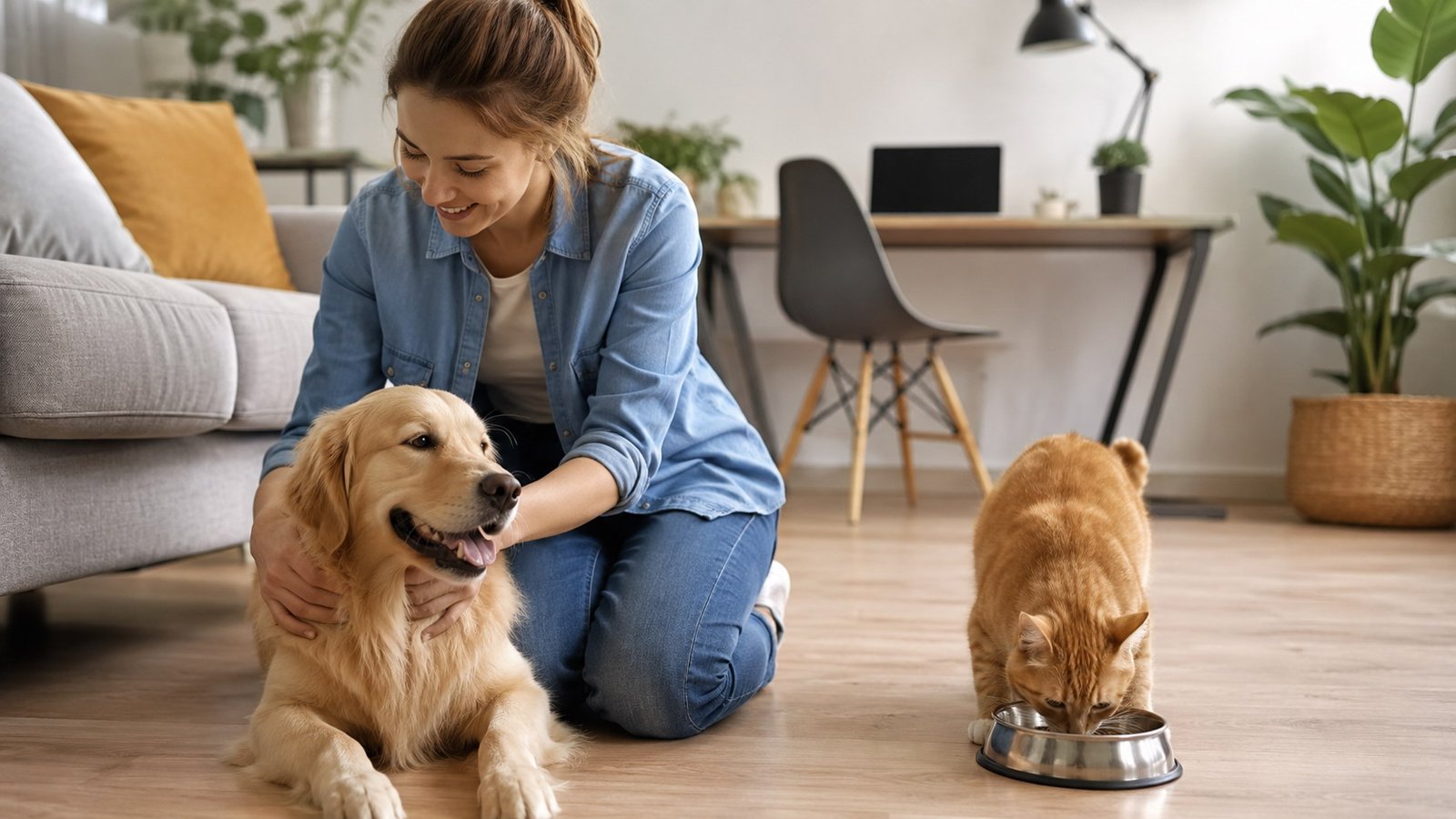
Balancing work, errands, family responsibilities, and pet care can feel overwhelming, especially when your schedule changes every day. An easy pet care guide for busy owners is not about doing less for your pet — it’s about creating smarter routines that keep your dog, cat, or small animal healthy and happy without turning daily care into a full-time job.
Many pet owners worry they are not doing “enough,” but most pets thrive on consistency more than perfection. With the right habits, tools, and time-saving strategies, even busy households can provide excellent care. This guide covers practical daily routines, low-maintenance care hacks, and realistic solutions that fit modern lifestyles while still prioritizing your pet’s well-being.
In This Article
Why Busy Pet Owners Need a Smarter Care Routine
Modern pet ownership often comes with packed calendars, long commutes, unpredictable meetings, and household responsibilities. Pets still depend on structure, though, and inconsistent routines can quietly affect their physical and emotional health.
Dogs may become restless or destructive when exercise is skipped too often. Cats can develop stress-related behaviors when feeding schedules constantly change. Small pets like rabbits or guinea pigs may hide discomfort until health issues become serious.
Pets Thrive on Predictability
Pets feel more secure when they know what to expect. Regular feeding times, bathroom breaks, walks, and bedtime routines help reduce anxiety and behavioral problems.
A simple routine also helps owners notice changes faster, including:
- Reduced appetite
- Low energy levels
- Bathroom irregularities
- Skin irritation
- Sudden behavioral changes
Spotting problems early often prevents expensive vet visits later.
Busy Owners Often Overcomplicate Pet Care
One common mistake is believing excellent pet care requires hours every day. In reality, small consistent actions matter more than occasional “perfect” days.
A realistic care routine should:
- Fit your schedule
- Be easy to maintain long term
- Include physical and mental stimulation
- Support your pet’s emotional health
Consistency beats intensity when it comes to pet care.
Signs Your Current Routine May Need Improvement
Some warning signs are subtle at first. Busy owners sometimes assume these behaviors are normal when they actually signal boredom, stress, or unmet needs.
Watch for:
- Excessive barking or meowing
- Destructive chewing or scratching
- Weight gain or sudden weight loss
- Overgrooming in cats
- Lack of interest in play
- Restlessness at night
Pets do not need constant attention, but they do need regular interaction and stability.
The Easy Pet Care Guide Every Busy Owner Should Follow Daily
Creating a manageable routine is the foundation of stress-free pet ownership. The goal is to cover essentials efficiently while still giving your pet quality attention every day.
Start With a Simple Morning Routine
Mornings set the tone for the entire day. Even 15 focused minutes can make a huge difference.
A practical morning routine may include:
- Fresh water refill
- Feeding
- Quick potty break or litter check
- Short play session or walk
- Fast visual health check
While feeding your pet, quickly look for:
- Limping
- Eye discharge
- Scratching
- Digestive issues
- Changes in appetite
These quick observations often help catch health concerns early.
Build a Realistic Evening Routine
Evenings are ideal for bonding and exercise, especially for indoor pets that spend hours alone.
Helpful evening activities include:
- A longer walk
- Interactive play
- Grooming touch-ups
- Training practice
- Puzzle toys or enrichment games
Dogs benefit from structured activity after long inactive periods. Cats usually become more active in the evening, making it the perfect time for interactive toys.
Use Time Blocks Instead of “Finding Time”
Busy owners often fail because they wait for free time that never appears. Instead, attach pet care to existing habits.
Examples:
- Feed pets before making coffee
- Walk the dog immediately after work
- Brush your cat while watching TV
- Refill water bowls before bed
This approach turns pet care into automatic habits instead of extra tasks.
A Sample Daily Pet Care Schedule
| Time | Task | Estimated Time |
| Morning | Feeding + quick walk/play | 10–20 minutes |
| Midday | Potty break or enrichment toy | 5–10 minutes |
| Evening | Exercise + bonding time | 20–40 minutes |
| Night | Water refresh + quick check | 5 minutes |
Even small routines create major long-term benefits.
Low-Maintenance Pet Care Hacks That Actually Work
Convenience tools can genuinely help busy pet owners — when used properly. The key is choosing products and habits that support your routine without replacing meaningful interaction.
Automatic Feeders Can Improve Consistency
Automatic feeders help maintain regular meal schedules, especially for owners with changing work hours.
They work best for:
- Portion control
- Early morning feeding
- Cats that wake owners at dawn
- Pets on strict schedules
However, automatic feeding should never fully replace monitoring your pet’s eating habits. Appetite changes are often the first sign of illness.
Water Fountains Encourage Better Hydration
Many pets drink more water from circulating fountains than still bowls. This is especially helpful for cats, which are naturally prone to low water intake.
Benefits include:
- Fresher water
- Better hydration
- Reduced odor buildup
- Less frequent refilling
Proper hydration supports kidney health, digestion, and overall energy levels.
Grooming Shortcuts That Save Time
Skipping grooming completely usually creates larger problems later. Mats, skin irritation, nail overgrowth, and ear infections become harder and more expensive to manage.
Instead of long grooming sessions, try “micro-grooming.”
Examples include:
- Brushing for 3–5 minutes daily
- Wiping paws after walks
- Trimming one or two nails at a time
- Using grooming gloves during cuddles
Short, consistent grooming sessions are easier on both pets and owners.
Smart Toys Help Reduce Boredom
Mental stimulation is essential, especially for pets left home alone during work hours.
Useful enrichment tools include:
- Treat-dispensing toys
- Snuffle mats
- Puzzle feeders
- Rotating chew toys
- Window perches for cats
Bored pets often develop destructive habits simply because they lack stimulation.
Convenience Should Never Replace Interaction
Technology helps, but pets still need emotional connection. A dog with automatic feeders and toys still requires affection, exercise, and social interaction.
Aim for balance:
- Use tools to simplify care
- Save time where possible
- Prioritize quality interaction daily
The best easy pet care systems combine efficiency with genuine attention.
Easy Pet Care Guide for Dogs vs Cats: What Busy Owners Should Know
Dogs and cats have very different daily needs, which means busy owners should avoid using the same care routine for both. Understanding those differences makes it easier to create a realistic schedule that actually works.
Dogs Usually Need More Structured Attention
Most dogs require:
- Daily walks
- Social interaction
- Physical exercise
- Bathroom breaks on a schedule
High-energy breeds often struggle in homes where owners work long hours without backup care. Bored dogs may bark excessively, chew furniture, or develop anxiety-related behaviors.
Busy owners often do best with dogs that adapt well to moderate activity levels, such as:
- Greyhounds
- Cavalier King Charles Spaniels
- French Bulldogs
- Adult rescue dogs with calmer personalities
That does not mean active breeds cannot thrive with busy owners — they simply require more planning and exercise support.
Cats Are More Independent — But Still Need Engagement
Cats generally manage alone time better than dogs, but independence should not be mistaken for low emotional needs.
Indoor cats still need:
- Mental stimulation
- Play sessions
- Clean litter boxes
- Predictable feeding schedules
Without enough enrichment, cats may:
- Scratch furniture excessively
- Gain weight
- Overgroom
- Become withdrawn
A few short interactive play sessions each day can dramatically improve a cat’s mood and behavior.
Small Pets Need Consistency Too
Rabbits, guinea pigs, hamsters, and birds are sometimes marketed as “easy pets,” but they still require regular care and enrichment.
Busy owners should remember:
- Rabbits need social interaction and exercise
- Guinea pigs require daily fresh vegetables
- Birds can become lonely without stimulation
- Small animal cages need frequent cleaning
Low-maintenance does not mean no-maintenance.
Comparing Care Needs for Busy Owners
| Pet Type | Time Commitment | Exercise Needs | Grooming Needs | Independence Level |
| Dogs | Moderate to high | Daily | Moderate | Lower |
| Cats | Moderate | Moderate indoor play | Low to moderate | Higher |
| Rabbits | Moderate | Daily roaming time | Moderate | Moderate |
| Guinea Pigs | Moderate | Low | Moderate | Moderate |
| Fish | Low | None | Tank maintenance | High |
Choosing a pet that matches your lifestyle often leads to better long-term care and fewer behavioral problems.
Busy Owners Should Focus on Routine Compatibility
A pet should fit into your real lifestyle — not your idealized schedule.
Questions worth asking include:
- How many hours is the pet alone daily?
- Can you realistically provide exercise?
- Will your schedule stay consistent?
- Is backup help available if needed?
Making honest decisions early helps prevent stress for both owners and pets.
Pet Nutrition Shortcuts Without Sacrificing Health
Nutrition is one area where busy owners often feel pressured to choose between convenience and quality. Fortunately, healthy feeding routines do not have to be complicated or time-consuming.
Choose Balanced Food First
The easiest way to simplify feeding is to select nutritionally complete food designed for your pet’s age, size, and health needs.
Look for foods that meet recognized nutritional guidelines, such as those recommended by the Association of American Feed Control Officials (AAFCO):
https://www.aafco.org/
High-quality nutrition supports:
- Healthy weight
- Better digestion
- Skin and coat health
- Energy levels
- Immune function
Cheap food may seem convenient initially, but poor nutrition can lead to health problems later.
Meal Prep Can Save Time During Busy Weeks
Meal prepping is not only for humans. Preparing pet meals or portioning food in advance reduces stress on hectic days.
Helpful meal prep ideas include:
- Pre-portioning dry food containers
- Freezing homemade pet-safe toppers
- Preparing weekly treat bags
- Organizing supplements ahead of time
This prevents rushed overfeeding and keeps routines consistent.
Healthy Convenience Options for Busy Owners
Many owners rely too heavily on table scraps or random treats when short on time. A few healthier options can simplify feeding without compromising nutrition.
Quick healthy treats include:
- Baby carrots for dogs
- Freeze-dried meat treats
- Plain cooked chicken
- Cat grass for indoor cats
- Vet-approved dental chews
Avoid frequent feeding of highly processed snacks with excessive fillers or artificial ingredients.
Watch Portion Sizes Carefully
Busy owners sometimes unintentionally overfeed because measuring food feels inconvenient. Weight gain can happen gradually and often goes unnoticed.
A simple measuring scoop or automatic feeder helps maintain consistency.
Signs your pet may be overweight:
- Difficulty feeling ribs
- Reduced activity
- Heavy breathing after light exercise
- Loss of visible waistline
Obesity increases the risk of diabetes, arthritis, heart disease, and mobility problems.
Hydration Is Often Overlooked
Fresh water is just as important as food. Pets that eat mostly dry food especially need reliable hydration.
Simple hydration tips:
- Place multiple water bowls around the home
- Wash bowls daily
- Use fountains for reluctant drinkers
- Monitor water intake during hot weather
Sudden increases or decreases in thirst should always be discussed with a veterinarian.
Quick Grooming Routines That Keep Pets Clean and Comfortable
Grooming does much more than improve appearance. Regular maintenance helps prevent painful skin problems, infections, and matting while giving owners a chance to monitor overall health.
The good news is that effective grooming does not require hours every week.
Daily Micro-Grooming Works Better Than Marathon Sessions
Busy owners often postpone grooming until problems become obvious. Unfortunately, tangled fur, overgrown nails, and dirty ears become harder to manage over time.
Short daily habits are easier and more effective.
A realistic routine may include:
- Two minutes of brushing
- Quick ear inspection
- Wiping paws after outdoor walks
- Checking for ticks or skin irritation
Small actions prevent larger grooming emergencies later.
Brushing Frequency Depends on Coat Type
Different pets require different grooming schedules.
| Coat Type | Recommended Brushing |
| Short-haired dogs | 1–2 times weekly |
| Long-haired dogs | Daily or every other day |
| Short-haired cats | Weekly |
| Long-haired cats | Several times weekly |
| Rabbits | Weekly, more during shedding |
Long-haired breeds usually need more consistent maintenance to prevent painful mats.
Nail Care Should Never Be Ignored
Overgrown nails can affect posture, walking comfort, and joint health.
Common signs nails are too long:
- Clicking sounds on floors
- Difficulty walking normally
- Curved nails
- Paw sensitivity
Owners nervous about trimming nails can start slowly by clipping one or two nails per session.
Professional groomers or veterinarians can help if trimming becomes stressful.
Bathing Too Often Can Cause Problems
Many owners assume frequent baths equal better hygiene, but excessive bathing may dry out skin and damage natural oils.
Most pets only need occasional baths unless:
- They roll in something dirty
- Have skin conditions
- Experience heavy shedding
- Spend significant time outdoors
Always use pet-safe shampoos rather than human products.
Grooming Sessions Double as Health Checks
One hidden advantage of grooming is early problem detection.
While brushing or handling your pet, check for:
- Lumps
- Fleas or ticks
- Skin redness
- Ear odor
- Unusual sensitivity
Early detection often leads to simpler treatment and lower veterinary costs.
If you notice sudden hair loss, skin sores, or persistent itching, schedule a veterinary visit promptly rather than trying random home remedies.
The Biggest Easy Pet Care Mistakes Busy Owners Make
Even caring pet owners can fall into habits that slowly affect their pet’s health and happiness. Most mistakes are not caused by neglect — they happen because life gets busy and routines become inconsistent.
Recognizing these patterns early makes pet care much easier in the long run.
Skipping Exercise Because Pets “Seem Fine”
Pets often adapt quietly to low activity levels, but that does not mean their needs are fully met.
Dogs without enough exercise may develop:
- Weight gain
- Hyperactivity indoors
- Anxiety
- Destructive chewing
- Excessive barking
Indoor cats can also become less active over time, increasing the risk of obesity and boredom-related behaviors.
Even short activity sessions matter. A 15-minute walk or interactive play session is far better than doing nothing during a busy day.
Inconsistent Feeding Schedules Create Stress
Feeding pets at random times may seem harmless, but many animals rely heavily on routine.
Irregular schedules can lead to:
- Begging behaviors
- Digestive upset
- Food guarding
- Anxiety around mealtimes
Automatic feeders can help maintain consistency, especially for owners with unpredictable work hours.
Mental Stimulation Often Gets Ignored
Many busy owners focus only on food, water, and bathroom needs while overlooking enrichment.
Pets need opportunities to:
- Explore
- Problem-solve
- Play
- Satisfy natural instincts
A bored pet may appear lazy when it is actually understimulated.
Simple enrichment ideas include:
- Treat puzzles
- Rotating toys
- Scent games
- Window viewing areas
- Short training sessions
Mental exercise is especially important for intelligent breeds and indoor pets.
Over-Relying on Convenience Products
Technology can simplify care, but it should support interaction rather than replace it.
Automatic feeders, cameras, and self-cleaning litter boxes are helpful tools, yet pets still require:
- Emotional connection
- Physical activity
- Human interaction
- Observation for health changes
A fully automated setup cannot replace quality bonding time.
Waiting Too Long to Address Health Changes
Busy schedules sometimes cause owners to delay vet visits, especially when symptoms appear mild at first.
Pay close attention to:
- Changes in appetite
- Vomiting or diarrhea
- Limping
- Excessive scratching
- Sudden behavioral changes
Small symptoms can quickly become serious if ignored.
When something feels “off,” trust your instincts and contact your veterinarian.
Simple Enrichment Ideas for Pets Left Alone During the Day
Pets that spend long hours alone need mental stimulation to stay emotionally balanced. Without enrichment, boredom can turn into stress, destructive behavior, or inactivity.
Fortunately, enrichment does not need to be expensive or complicated.
Puzzle Toys Keep Pets Mentally Active
Food puzzles are one of the easiest ways to keep pets engaged while owners are away.
They encourage:
- Problem-solving
- Slower eating
- Natural foraging behavior
- Mental stimulation
Popular options include:
- Treat-dispensing balls
- Snuffle mats
- Slow feeders
- Interactive puzzle boards
Rotating puzzle toys every few days helps prevent boredom.
Rotate Toys Instead of Leaving Everything Out
Many owners leave all toys available at once, which often reduces excitement over time.
Instead:
- Store some toys away
- Rotate selections weekly
- Reintroduce older toys later
This simple trick keeps toys feeling “new” without constantly buying replacements.
Create Safe Observation Areas
Pets enjoy watching activity around them, especially when alone.
Helpful enrichment setups include:
- Window perches for cats
- Safe outdoor viewing areas
- Aquarium videos or calming pet TV
- Bird feeders outside windows
Visual stimulation helps reduce boredom during quiet hours.
Short Training Sessions Build Mental Confidence
Training is not only for puppies. Adult pets benefit greatly from learning simple behaviors and games.
Five-minute sessions can teach:
- Basic commands
- Recall
- Trick behaviors
- Leash manners
- Target training
Training strengthens communication and provides valuable mental exercise.
Busy Owners Should Prioritize Quality Over Quantity
Many people worry they are not spending enough time with their pets. In reality, focused interaction is often more meaningful than constant passive presence.
A dedicated 15-minute play session without distractions can provide more enrichment than hours of ignored coexistence.
Pets notice engagement more than perfection.
How to Keep Pets Healthy When You Have a Packed Schedule
Preventive care is one of the smartest investments busy owners can make. Staying organized with health routines helps prevent emergencies and reduces long-term stress.
Preventive Vet Visits Save Time and Money
Routine wellness exams often detect problems before they become severe.
Regular veterinary care helps monitor:
- Weight changes
- Dental health
- Parasites
- Joint issues
- Vaccination schedules
Adult pets typically benefit from yearly checkups, while senior pets may need more frequent monitoring.
Parasite Prevention Should Stay Consistent
Flea, tick, and heartworm prevention are easy to forget during busy months, but skipping doses increases health risks significantly.
Using:
- Reminder apps
- Calendar alerts
- Subscription refill services
can help owners stay on track.
Parasites may cause:
- Skin irritation
- Anemia
- Digestive issues
- Serious heart disease in dogs
Indoor pets are not always fully protected from parasites either.
Dental Health Is Commonly Neglected
Dental disease affects many pets long before owners notice symptoms.
Warning signs include:
- Bad breath
- Drooling
- Difficulty eating
- Pawing at the mouth
- Red gums
Simple habits help reduce risk:
- Dental treats
- Pet-safe toothbrushes
- Dental diets
- Routine oral checks
Ignoring dental care can eventually lead to painful infections and expensive procedures.
Organize Pet Care Like Any Important Appointment
Busy owners often succeed when pet care becomes part of their normal scheduling system.
Helpful organization strategies:
- Set recurring reminders
- Keep vet records in one folder
- Schedule grooming appointments ahead of time
- Use medication trackers if needed
Consistency prevents last-minute stress.
Know the Signs That Require Immediate Veterinary Attention
Some symptoms should never wait.
Seek veterinary care immediately if your pet experiences:
- Difficulty breathing
- Collapse
- Seizures
- Severe vomiting or diarrhea
- Inability to urinate
- Sudden paralysis
- Suspected poisoning
The American Veterinary Medical Association offers reliable pet health resources and emergency guidance:
https://www.avma.org/resources-tools/pet-owners
Quick action can save lives during emergencies.
Creating an Emergency Backup Plan for Your Pet
Unexpected overtime, family emergencies, illness, or sudden travel can disrupt even the best pet care routine. Having a backup plan in place prevents panic and helps ensure your pet remains safe and comfortable when life becomes unpredictable.
Identify Trusted Backup Caregivers
Every busy pet owner should have at least one reliable emergency contact who can help with pet care if needed.
Good backup options may include:
- Family members
- Trusted neighbors
- Professional pet sitters
- Dog walkers
- Reputable boarding facilities
Pets usually adjust better when they already know the person helping them. Occasional meet-and-greet visits can make emergencies far less stressful.
Keep Emergency Supplies Ready
A basic pet emergency kit can save valuable time during urgent situations.
Helpful items include:
- Extra food and treats
- Bottled water
- Medications
- Vaccination records
- Leash or carrier
- Waste bags
- Comfort items like blankets or toys
Store supplies in one accessible location so caregivers can quickly find everything they need.
Create Written Care Instructions
Busy owners sometimes assume others know their pet’s routine, but small details matter.
Your care sheet should include:
- Feeding schedule
- Medication instructions
- Emergency contacts
- Veterinary clinic information
- Behavioral quirks
- Allergies or sensitivities
Clear instructions reduce confusion and help maintain consistency.
Consider Pet Cameras for Extra Peace of Mind
Pet cameras allow owners to monitor behavior while away and may help identify:
- Separation anxiety
- Barking patterns
- Restlessness
- Activity levels
Some devices even include treat dispensers or voice interaction features.
While cameras should not replace in-person care, they can provide reassurance during long workdays or travel.
Emergency Planning Reduces Pet Anxiety Too
Pets often sense human stress. Owners who prepare ahead of time usually handle emergencies more calmly, which helps pets remain more relaxed as well.
A prepared household creates stability even during unexpected disruptions.
Expert Tips for Building a Stress-Free Pet Routine
Perfect pet care routines rarely exist. Successful routines are usually simple, repeatable, and flexible enough to survive real life.
Experienced pet owners often focus less on perfection and more on sustainability.
Consistency Matters More Than Lengthy Routines
Many pets are happiest with predictable daily structure, even if routines are relatively simple.
Reliable habits help pets feel secure:
- Regular feeding times
- Consistent sleep schedules
- Daily interaction
- Predictable exercise
Pets adjust more easily when routines stay stable from day to day.
Short Training Sessions Improve Daily Life
Training is one of the most overlooked time-saving tools for busy owners.
Well-trained pets are often:
- Easier to walk
- Less destructive
- Calmer during grooming
- More manageable during vet visits
Useful everyday commands include:
- Sit
- Stay
- Leave it
- Come
- Go to bed
Just five minutes of training several times weekly can improve behavior significantly.
Create “Pet Zones” Around Your Home
Organized spaces help reduce stress and simplify care routines.
Helpful pet zones may include:
- Feeding stations
- Toy baskets
- Grooming areas
- Resting spaces
- Potty supply storage
Keeping supplies accessible saves time and encourages consistency.
Match Your Expectations to Your Lifestyle
One major source of frustration comes from unrealistic expectations.
A high-energy working breed may struggle in a small apartment with limited exercise time. Choosing routines and activities that genuinely fit your lifestyle creates a healthier experience for everyone involved.
Good pet care is sustainable pet care.
Focus on Connection, Not Perfection
Pets rarely need elaborate schedules or expensive accessories to feel loved.
Most pets simply want:
- Safety
- Predictability
- Attention
- Physical comfort
- Positive interaction
Small daily moments often matter more than owners realize.
Frequently Asked Questions About Easy Pet Care for Busy Owners
Can pets stay happy if I work full-time?
Yes, many pets adapt very well to full-time working households when they receive consistent care, exercise, enrichment, and quality interaction before and after work.
What is the easiest pet for busy owners?
Cats, adult rescue dogs with calm temperaments, fish, and some small pets are often considered easier for busy owners. However, every pet still requires regular care and attention.
How much exercise does a busy dog owner realistically need to provide?
Most dogs benefit from at least one meaningful walk and some interactive play daily. Energy levels vary greatly by breed, age, and health condition.
Are automatic feeders safe for daily use?
Automatic feeders can be very helpful when used properly. They work best alongside regular monitoring of your pet’s eating habits and overall health.
How can I tell if my pet is bored while I’m at work?
Common signs include destructive behavior, excessive vocalization, pacing, overgrooming, sleeping excessively, or sudden clinginess when you return home.
Do indoor cats really need enrichment?
Absolutely. Indoor cats need mental stimulation, climbing opportunities, scratching surfaces, and regular play to stay emotionally and physically healthy.
What are the biggest pet care priorities for busy owners?
Consistent feeding, fresh water, exercise, mental stimulation, preventive veterinary care, and daily interaction are the most important priorities.
How often should busy owners schedule vet visits?
Healthy adult pets typically need annual wellness exams, while senior pets or animals with medical conditions may require more frequent visits.
Life gets busy, but caring for a pet does not have to become overwhelming. Small, consistent habits can make a huge difference in your pet’s happiness, behavior, and long-term health. Whether you are simplifying routines, using smart pet care tools, or building better daily habits, the goal is to create a routine that works for both you and your pet.
Start with one or two manageable changes today, and build from there. Your pet does not need perfection — they simply need reliable care, attention, and a home where they feel safe and loved.

Passionate about pets and animal care, we shares trusted tips, fun facts, and practical advice to help pet lovers give their furry, feathered, and scaly companions the best life possible. From everyday care guides to fascinating animal insights, we’re dedicated to making pet information easy, helpful, and enjoyable for every reader.