
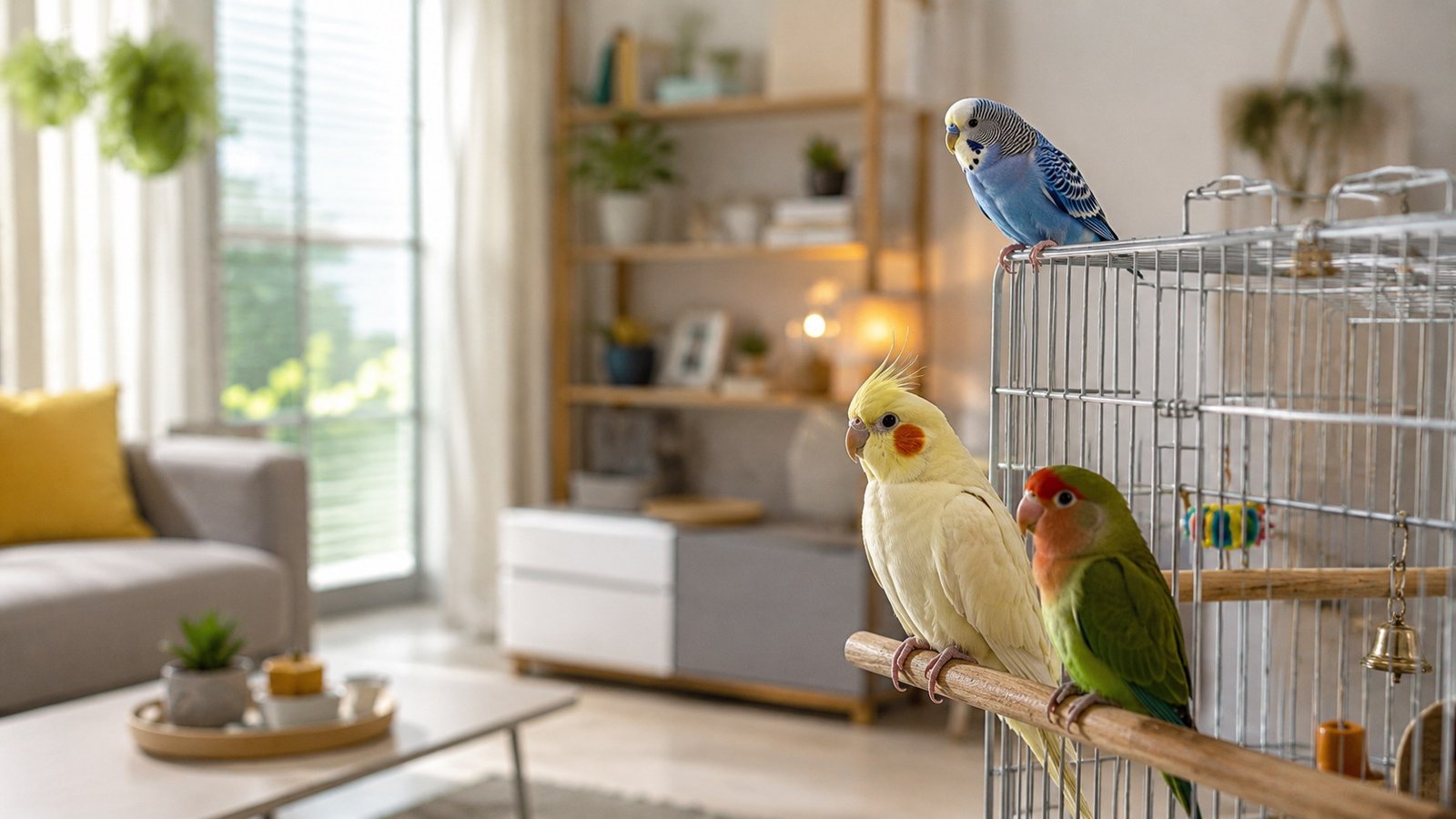
Finding the best beginner birds for small apartments can feel overwhelming, especially when every bird species seems adorable in a pet store. Some birds are quiet and easygoing, while others need constant attention, lots of space, or can become surprisingly loud for apartment living.
The good news? Several beginner-friendly pet birds adapt beautifully to smaller homes and make wonderful companions for first-time owners. Choosing the right species comes down to understanding personality, noise level, care needs, and how much daily interaction you can realistically provide.
This guide covers the best apartment birds for beginners, what to expect before bringing one home, and how to choose a bird that fits your lifestyle—not just your living space.
In This Article
Why Some Birds Thrive in Apartments While Others Don’t
Not every bird handles apartment life well. A species that works perfectly in a large home may become stressed, noisy, or destructive in a compact space.
Successful apartment birds usually share a few important traits:
- Moderate noise levels
- Smaller cage requirements
- Easier-to-manage social needs
- Lower dust production
- Adaptability to indoor routines
Parrots, for example, are intelligent and social, but some species scream loudly enough to disturb neighbors. Certain birds also need several hours of interaction daily and can develop behavioral issues if ignored.
What Makes a Bird Apartment-Friendly?
The best beginner birds for small apartments are typically:
- Small to medium in size
- Less vocal than large parrots
- Comfortable with indoor lifestyles
- Easier for first-time owners to handle
Birds like budgies and canaries often do better in apartments because they’re smaller, relatively manageable, and less intimidating for beginners.
Noise Matters More Than Most Beginners Expect
Many people assume small birds are naturally quiet. That’s not always true.
A tiny conure can easily be louder than a larger cockatiel. Birds communicate through chirping, calling, and vocalizing throughout the day, especially during morning and evening hours.
Important: Apartment-friendly does not mean silent.
If you have thin walls or noise-sensitive neighbors, choosing a lower-volume species becomes extremely important.
Space Isn’t Just About Cage Size
Even small birds need room to move, stretch, and exercise. Cramped cages can lead to stress, feather plucking, aggression, and boredom.
A good setup includes:
- Proper cage dimensions
- Safe out-of-cage time
- Perches at different heights
- Toys for mental stimulation
Birds spend their entire lives in the environment you create for them. A thoughtfully arranged small apartment can still provide an excellent quality of life.
Common Beginner Mistakes in Small Apartments
First-time bird owners often underestimate daily care needs.
Some of the most common mistakes include:
- Buying a cage that’s too small
- Ignoring noise potential
- Choosing a bird based only on appearance
- Leaving birds alone for long hours without enrichment
- Using unsafe household products like aerosol sprays or scented candles
According to the Association of Avian Veterinarians, household toxins and poor environmental conditions are common causes of preventable bird illness.
Best Beginner Birds for Small Apartments
Several bird species consistently stand out as beginner-friendly apartment pets. Each has a different personality, noise level, and care style, so there’s no one-size-fits-all choice.
Budgies (Parakeets)
Budgies are often considered the gold standard for beginner bird owners.
Budgerigar are small, social, intelligent, and relatively easy to care for compared to larger parrots. They can even learn words and simple tricks with regular interaction.
Why Budgies Work Well in Apartments
- Small cage footprint
- Moderate noise level
- Affordable care costs
- Friendly and curious personalities
Budgies usually chatter instead of scream, making them more apartment-friendly than many parrots.
Things Beginners Should Know
Budgies still need daily social interaction and mental stimulation. A bored budgie may become withdrawn or develop unwanted behaviors.
Best fit for: Beginners who want an interactive, playful companion without overwhelming care requirements.
Cockatiels
Cockatiel are gentle, affectionate birds known for their sweet temperament and expressive crests.
They’re slightly larger than budgies but remain manageable for apartment living when properly cared for.
Why Cockatiels Are Popular First Birds
- Calm and affectionate
- Easier to tame
- Enjoy human interaction
- Less intense than larger parrots
Many cockatiels enjoy sitting with their owners and can become deeply bonded companions.
Apartment Considerations
Cockatiels whistle frequently and can become vocal during certain times of day. Males tend to vocalize more than females.
They also produce noticeable feather dust, so regular cleaning helps maintain air quality in small apartments.
Best fit for: Owners looking for a friendly, cuddly bird with moderate care needs.
Lovebirds
Lovebird pack huge personalities into tiny bodies.
Despite their small size, they’re energetic, intelligent, and sometimes surprisingly feisty.
Why Some Beginners Love Lovebirds
- Compact size
- Strong bonding potential
- Entertaining personalities
- Beautiful colors and markings
Lovebirds can become very attached to their owners when handled consistently.
Potential Challenges
These birds require enrichment and social interaction to stay emotionally healthy. Without enough stimulation, they may become territorial or nippy.
A single lovebird often bonds strongly with humans, while paired birds may focus more on each other.
Best fit for: Active owners who enjoy interacting with their pets daily.
Canaries
Canary are often overlooked, but they’re one of the easiest beginner birds for small apartments.
Unlike parrots, canaries are usually less hands-on and more independent.
Why Canaries Shine in Apartments
- Soft, pleasant singing
- Lower social demands
- Minimal handling requirements
- Smaller space needs
Male canaries are especially known for their beautiful songs.
Important Care Notes
Canaries typically prefer observation over cuddling. They’re ideal for people who enjoy birds but don’t necessarily want constant physical interaction.
Best fit for: Beginners seeking a lower-maintenance bird with calming vocalizations.
Green-Cheek Conures
Green-cheeked conure are playful, intelligent, and extremely engaging.
Among conures, green-cheeks are generally considered one of the quieter options.
Why People Love Them
- Very affectionate
- Highly trainable
- Funny and energetic personalities
- Strong bonding tendencies
Many owners describe green-cheeks as “big parrots in small bodies.”
What Beginners Need to Know
Even quieter conures can still be noisy. They also require significant social interaction and enrichment.
Without enough attention, they may scream, bite, or become destructive.
Best fit for: Dedicated beginners who want a highly interactive companion bird.
Choosing the Right Beginner Bird for Your Lifestyle
The best beginner birds for small apartments aren’t necessarily the cutest or quietest birds—they’re the ones that realistically fit your daily life.
A bird that matches your schedule and personality will usually become a happier, healthier pet.
Best Birds for Busy Owners
If you work long hours or spend a lot of time away from home, independent species often work better.
Good choices include:
- Canaries
- Finches
- Some budgies with proper enrichment
These birds still need care and attention, but they’re generally less emotionally demanding than clingy parrots.
Best Birds for Interactive Companionship
Some people want a bird that actively engages with them throughout the day.
Cockatiels, budgies, and green-cheek conures tend to enjoy:
- Training sessions
- Talking practice
- Shoulder time
- Interactive play
Owners who enjoy daily bonding usually thrive with these species.
Consider Your Noise Tolerance Honestly
Bird noise affects apartment life more than most beginners expect.
Here’s a simple comparison:
| Bird Species | Noise Level | Social Needs | Beginner Friendly |
| Budgie | Moderate | Moderate | Excellent |
| Cockatiel | Moderate | High | Excellent |
| Canary | Low to Moderate | Low | Very Good |
| Lovebird | Moderate to High | High | Good |
| Green-Cheek Conure | Moderate to High | Very High | Moderate |
Think Beyond the First Few Weeks
Birds can live a surprisingly long time.
- Budgies: 7–15 years
- Cockatiels: 15–25 years
- Lovebirds: 10–15 years
- Conures: 20+ years
A bird isn’t a short-term hobby. Daily care, cleaning, socialization, and veterinary expenses remain part of the commitment for years.
Choosing carefully at the beginning often prevents rehoming situations later.
Apartment Living With Birds: What Most Beginners Don’t Expect
Living with birds in a small apartment can be incredibly rewarding, but it also comes with a few surprises that many first-time owners never anticipate.
Birds are intelligent, sensitive animals that notice changes in sound, routine, light, and even your mood. Small spaces can work beautifully for them when the environment is managed properly.
Feather Dust and Daily Cleaning Add Up Fast
Even tiny birds create mess.
Seeds scatter, feathers drift across furniture, and droppings appear more often than most beginners expect. Species like cockatiels also produce a fine feather dust that can build up around cages and shelves.
A simple cleaning routine makes apartment bird ownership much easier:
- Spot-clean cages daily
- Vacuum around the cage frequently
- Wash food and water dishes every day
- Replace cage liners often
- Use an air purifier if possible
Tip: Placing a washable mat under the cage helps contain seed mess and simplifies cleanup.
Birds Need More Out-of-Cage Time Than Many People Realize
A cage should never become permanent confinement.
Even apartment-friendly beginner birds need safe daily exercise outside their cage to stay mentally and physically healthy.
Many behavioral problems start when birds become bored or understimulated:
- Excessive screaming
- Feather plucking
- Aggression
- Pacing
- Depression-like withdrawal
A small apartment can still provide enough enrichment when birds have:
- Climbing opportunities
- Rotating toys
- Supervised flying time
- Human interaction
Bird-Proofing a Small Apartment Is Essential
Birds explore with their beaks and can get into dangerous situations quickly.
Before allowing free flight or supervised roaming, check for:
- Open windows or mirrors
- Ceiling fans
- Toxic plants
- Electrical cords
- Hot stoves or pans
- Small gaps behind furniture
Nonstick cookware can be deadly to birds. Heated Teflon and similar coatings may release fumes that are toxic to avian respiratory systems.
The American Veterinary Medical Association provides excellent bird safety information for pet owners.
Noise Complaints Can Become a Real Problem
Birds vocalize naturally. Even quieter species chirp during sunrise and sunset hours.
Apartment owners should think strategically about cage placement:
- Avoid shared bedroom walls with neighbors
- Don’t place cages near echo-heavy hallways
- Cover cages at night to encourage better sleep routines
Consistency matters. Birds that stay on a healthy sleep schedule often vocalize less excessively.
Small Apartments Can Still Be Great Bird Homes
Square footage matters less than environmental quality.
Birds thrive when they receive:
- Mental stimulation
- Proper nutrition
- Social interaction
- Safe exercise
- Predictable routines
A thoughtfully designed studio apartment can provide a happier life than a large home where a bird receives little attention.
Cage Setup Essentials for Beginner Birds in Small Apartments
A proper cage setup can make the difference between a stressed bird and a confident, healthy companion.
Many beginners accidentally buy cages that look attractive but fail to meet a bird’s actual physical and mental needs.
Bigger Is Usually Better
Pet stores often sell cages that are far too small.
Birds need room to:
- Stretch their wings fully
- Climb comfortably
- Move between perches
- Play with toys without crowding
Horizontal space is especially important for smaller birds like budgies and lovebirds because they move side to side frequently.
Minimum Cage Recommendations
| Bird Type | Minimum Recommended Cage Size |
| Budgie | 18″ x 18″ x 18″ |
| Cockatiel | 20″ x 20″ x 24″ |
| Lovebird | 18″ x 18″ x 24″ |
| Canary | 20″ x 16″ x 20″ |
| Green-Cheek Conure | 24″ x 24″ x 30″ |
Larger cages are always preferred whenever possible.
Perches Matter More Than Most Owners Think
One smooth wooden dowel perch isn’t enough.
Birds need multiple perch textures and sizes to support healthy feet and prevent pressure sores.
A balanced perch setup may include:
- Natural wood branches
- Rope perches
- Platform perches
- Mineral perches for nail wear
Avoid sandpaper perch covers because they can irritate feet over time.
Toys Aren’t Optional
Birds are highly intelligent animals that need regular mental stimulation.
Without enrichment, boredom can quickly turn into destructive behavior.
Good beginner bird toys include:
- Shreddable paper toys
- Soft wood chew toys
- Bells and swings
- Puzzle feeders
- Foraging toys
Rotate toys weekly to keep the environment interesting.
Smart Cage Placement Tips for Apartments
Where you place the cage affects your bird’s stress level significantly.
Birds usually feel safest when:
- One side of the cage faces a wall
- They can observe household activity
- They aren’t isolated in empty rooms
- They avoid direct drafts or harsh sunlight
The kitchen is generally one of the worst places for bird cages due to smoke, fumes, temperature shifts, and cooking hazards.
Recommended Apartment-Friendly Bird Supplies
Certain products make apartment bird ownership much easier.
Helpful essentials include:
- Compact rolling cage stands
- Seed catchers
- HEPA air purifiers
- Quiet shredding toys
- Easy-clean cage liners
- Stainless steel food bowls
Cheap plastic accessories often wear out quickly and may become unsafe if chewed heavily.
Feeding Beginner Birds the Right Way
Nutrition is one of the biggest areas where beginner bird owners accidentally make mistakes.
Many people assume seed mixes are complete diets because that’s what pet stores commonly advertise. In reality, seed-only diets can contribute to obesity, vitamin deficiencies, and long-term health problems.
Why Seed-Only Diets Are Risky
Seeds are high in fat and low in several essential nutrients.
Birds naturally pick out favorite seeds first, which creates unbalanced eating habits over time.
A healthier daily diet usually includes:
- High-quality pellets
- Fresh vegetables
- Limited fruits
- Healthy seeds in moderation
Pellets should form the nutritional foundation for many pet birds.
Best Fresh Foods for Beginner Birds
Many apartment birds enjoy fresh produce when introduced gradually.
Safe options include:
- Carrots
- Broccoli
- Spinach
- Bell peppers
- Peas
- Cucumber
- Blueberries
- Apples (without seeds)
Offering a variety of colors helps encourage curiosity and balanced nutrition.
Foods That Are Dangerous for Birds
Some everyday human foods are toxic to birds and should never be offered.
Avoid:
- Avocado
- Chocolate
- Caffeine
- Alcohol
- Onion
- Garlic
- Apple seeds
- Salty processed foods
Even small amounts of certain toxins can seriously harm small birds.
A Simple Feeding Routine for Beginners
Keeping feeding routines consistent helps birds feel secure.
A practical daily routine often looks like this:
- Fresh water every morning
- Pellets available throughout the day
- Vegetables offered in the morning
- Small healthy treats during training
- Remove spoiled fresh food after a few hours
Birds can be cautious around unfamiliar foods, so patience is important. Some may need repeated exposure before trying new vegetables.
Signs Your Bird’s Diet May Need Improvement
Poor nutrition often shows up gradually.
Watch for:
- Dull feathers
- Low energy
- Weight gain
- Overgrown beaks
- Frequent illness
- Excessive molting problems
Any major appetite change or sudden weight loss should be evaluated by an avian veterinarian promptly.
Helpful Nutrition Resources for Bird Owners
The Lafeber Pet Birds Nutrition Center offers reliable feeding guidance, species-specific care information, and beginner-friendly nutrition advice for pet bird owners.
Beginner Bird Behavior Decoded
Bird behavior can seem confusing at first, especially for new owners who expect instant cuddles and calm companionship. Even the best beginner birds for small apartments have natural instincts that influence how they communicate, bond, and react to their environment.
Learning basic bird behavior helps prevent misunderstandings and builds trust much faster.
Why Birds Chirp, Scream, or Make Noise
Vocalizing is completely normal.
Birds use sound to:
- Communicate with flock members
- Express excitement
- Seek attention
- React to sunlight changes
- Respond to environmental stress
Morning and evening vocal sessions are especially common.
A happy budgie may chatter constantly, while a bored conure might scream for attention. Context matters more than volume alone.
Sudden changes in vocal behavior should never be ignored. Quiet birds that abruptly stop vocalizing may be stressed or ill.
Biting Usually Has a Reason
Birds rarely bite “for no reason.”
Common causes include:
- Fear
- Territorial behavior
- Hormonal changes
- Overstimulation
- Lack of trust
- Poor socialization
Punishing a bird for biting often damages trust further.
Instead:
- Move slowly
- Respect body language
- Avoid forcing handling
- Reward calm interactions
Trust develops gradually, especially with nervous or newly adopted birds.
Signs Your Bird May Be Bored or Lonely
Birds are intelligent animals that need regular mental engagement.
A bored bird may:
- Scream excessively
- Rip feathers out
- Pace repetitively
- Destroy cage items obsessively
- Withdraw socially
Apartment birds especially benefit from enrichment because they spend most of their lives indoors.
Helpful boredom busters include:
- Rotating toys weekly
- Short training sessions
- Foraging activities
- Window views
- Background sounds like soft music
Understanding Bird Body Language
Birds communicate constantly through posture and movement.
Some common signals include:
| Behavior | Possible Meaning |
| Fluffed feathers | Relaxed, sleepy, or sick |
| Tail bobbing while breathing | Possible respiratory issue |
| Crest raised (cockatiels) | Excitement or alertness |
| Rapid pacing | Stress or boredom |
| Beak grinding | Comfort and relaxation |
| Lunging | Fear or territorial behavior |
Important: Persistent tail bobbing, labored breathing, or sitting puffed up for long periods may indicate illness and should be checked by an avian vet.
Building Trust Without Forcing Interaction
Many beginners unintentionally overwhelm birds by trying to handle them too quickly.
A calmer approach works better:
- Sit near the cage regularly
- Speak softly
- Offer treats through the bars
- Allow the bird to approach voluntarily
- Keep handling sessions short at first
Birds remember both positive and negative experiences surprisingly well. Consistency matters more than intensity.
The Quietest Beginner Birds for Small Apartments
Noise level is often the deciding factor for apartment bird owners. Some species are naturally softer and easier to manage in shared living environments.
Still, it’s important to understand that no bird is completely silent.
What “Quiet” Actually Means With Pet Birds
Quiet birds still:
- Chirp
- Whistle
- Contact call
- Vocalize during excitement
The difference is intensity and frequency.
A canary’s singing usually sounds pleasant and gentle. A conure’s flock calls can travel through walls.
Best Low-Noise Birds for Apartments
Several beginner-friendly birds tend to stay on the quieter side.
Canaries
Canaries are among the best choices for peaceful apartment living.
Their songs are:
- Softer than parrot screams
- More melodic
- Less likely to trigger neighbor complaints
Male canaries sing more frequently than females.
Budgies
Budgies chatter often, but their vocalizations are generally lower in volume than larger parrots.
Most apartment owners tolerate budgie sounds well, especially in modern buildings with decent insulation.
Lineolated Parakeets
Lineolated parakeet are lesser-known beginner birds with relatively calm personalities and softer vocalizations.
They tend to communicate with gentle chirps rather than piercing screams.
Birds That May Be Too Loud for Some Apartments
Even popular beginner birds can become noisy depending on personality and environment.
Species that may challenge apartment living include:
- Sun conures
- Quaker parrots
- Indian ringnecks
- Some lovebirds
Noise levels vary between individual birds, but these species generally vocalize more intensely.
Tips for Managing Bird Noise in Apartments
Owners can reduce excessive vocalization by improving daily routines.
Helpful strategies include:
- Maintaining a consistent sleep schedule
- Providing enrichment before boredom starts
- Avoiding accidental scream reinforcement
- Covering cages at night
- Offering daily interaction
Birds that feel secure and stimulated usually vocalize more appropriately.
Quiet Doesn’t Mean Low Maintenance
Some quiet birds are still emotionally demanding.
A quieter species may still require:
- Social interaction
- Daily cleaning
- Mental stimulation
- Veterinary care
- Consistent routines
Choosing solely based on noise can lead to mismatched expectations later.
Common Myths About Beginner Birds
Bird ownership is surrounded by misconceptions that often lead to unrealistic expectations. Many beginners unintentionally choose the wrong bird because of outdated or misleading advice.
Understanding the truth behind these myths helps owners make more responsible decisions.
Myth: Small Birds Are Easier Than Large Birds
Size doesn’t always equal simplicity.
Small birds may still require:
- Daily enrichment
- Social interaction
- Specialized veterinary care
- Training and patience
Some tiny birds actually have bigger personalities and higher energy levels than larger species.
Lovebirds, for example, can be more demanding behaviorally than some larger parrots.
Myth: Birds Are Low-Maintenance Pets
Birds are often marketed as decorative pets that simply sit in cages.
Reality looks very different.
Healthy bird ownership involves:
- Daily cleaning
- Fresh food preparation
- Socialization
- Environmental enrichment
- Routine health monitoring
Birds also hide illness instinctively, meaning owners must pay close attention to subtle behavior changes.
Myth: One Bird Will Always Be Lonely
A single bird can absolutely thrive when given proper interaction and enrichment.
In fact, some birds bond more deeply with humans when housed alone.
What matters most is:
- Social engagement
- Mental stimulation
- Daily attention
- Emotional security
Two birds may entertain each other, but they can also become less interested in human interaction.
Myth: Birds Don’t Need Training
Training isn’t just about tricks.
Basic training helps with:
- Bonding
- Handling
- Veterinary visits
- Stress reduction
- Mental stimulation
Simple behaviors like step-up training make daily care dramatically easier.
Positive reinforcement works best. Birds respond far better to rewards than punishment.
Myth: Pet Store Advice Is Always Accurate
Unfortunately, some pet stores prioritize quick sales over long-term bird welfare.
Common misinformation includes:
- Recommending undersized cages
- Suggesting seed-only diets
- Underestimating lifespan commitments
- Downplaying noise levels
Researching through reputable avian sources and experienced bird owners is always worth the effort.
Myth: Apartment Birds Don’t Need Exercise
Even birds living in small apartments need physical activity.
Safe exercise supports:
- Muscle health
- Weight management
- Mental wellbeing
- Reduced behavioral issues
Daily out-of-cage time remains important, even for smaller beginner birds.
Health & Safety Tips Every First-Time Bird Owner Should Know
Birds are excellent at hiding illness. In the wild, showing weakness can attract predators, so many pet birds continue acting “normal” until they become seriously sick.
That’s why small changes in behavior often matter more than dramatic symptoms.
Warning Signs Beginners Should Never Ignore
Contact an avian veterinarian if you notice:
- Fluffed feathers for long periods
- Loss of appetite
- Sitting at the cage bottom
- Tail bobbing while breathing
- Sudden aggression or lethargy
- Weight loss
- Discharge from eyes or nostrils
- Changes in droppings
A sick bird can decline very quickly. Waiting “a few days to see what happens” is risky.
Household Dangers That Can Harm Birds
Birds have extremely sensitive respiratory systems.
Common household hazards include:
- Nonstick cookware fumes
- Scented candles
- Aerosol sprays
- Cigarette smoke
- Essential oil diffusers
- Cleaning chemical fumes
Even overheated nonstick pans can release invisible fumes that may become fatal to birds within minutes.
Safe Cleaning Habits for Bird Owners
Apartment bird owners clean frequently, but harsh chemicals can create problems.
Safer practices include:
- Using bird-safe cleaners
- Cleaning cages in well-ventilated spaces
- Avoiding bleach fumes near birds
- Rinsing food bowls thoroughly
Fresh airflow matters, but birds should never sit in direct drafts from air conditioners or open windows.
Why Avian Veterinarians Matter
Not all veterinarians specialize in birds.
Avian vets understand:
- Bird anatomy
- Species-specific illnesses
- Nutritional deficiencies
- Behavioral concerns
- Emergency bird care
Routine wellness visits help detect hidden problems early, especially in beginner-owned birds.
You can search for certified avian veterinarians through the Association of Avian Veterinarians Vet Finder.
Reducing Stress During Travel or Cleaning
Birds thrive on predictability.
Sudden environmental changes can trigger stress behaviors like:
- Excessive screaming
- Refusing food
- Feather plucking
- Fear biting
Helpful ways to reduce stress:
- Keep routines consistent
- Move slowly around the cage
- Introduce new toys gradually
- Use calm voices during handling
- Cover carriers partially during travel
Small, positive experiences build confidence over time.
Best Beginner Birds for Small Apartments: Quick Comparison Chart
Choosing between species becomes easier when you compare their core care needs side by side.
| Bird Species | Noise Level | Social Needs | Trainability | Lifespan | Beginner Difficulty | Monthly Cost |
| Budgie | Moderate | Moderate | High | 7–15 years | Easy | Low |
| Cockatiel | Moderate | High | High | 15–25 years | Easy | Moderate |
| Canary | Low to Moderate | Low | Low | 10–15 years | Very Easy | Low |
| Lovebird | Moderate to High | High | Moderate | 10–15 years | Moderate | Moderate |
| Green-Cheek Conure | Moderate to High | Very High | Very High | 20+ years | Moderate | Higher |
Which Beginner Bird Is Best Overall?
There’s no universal “perfect” apartment bird.
Here’s a quick breakdown:
- Best overall for beginners: Budgie
- Best for affectionate companionship: Cockatiel
- Best low-maintenance option: Canary
- Best for playful personalities: Lovebird
- Best for highly interactive owners: Green-cheek conure
The best match depends on your:
- Schedule
- Noise tolerance
- Budget
- Social expectations
- Long-term commitment level
Budgeting Beyond the Purchase Price
Bird ownership costs continue long after adoption day.
Typical ongoing expenses include:
- Pellets and fresh foods
- Cage cleaning supplies
- Toys and enrichment
- Veterinary care
- Replacement perches and accessories
Cheap setups often become more expensive later because poorly made cages and unsafe accessories wear out quickly.
FAQ: Beginner Apartment Birds Answered
What is the easiest bird for first-time owners?
Budgies are often considered the easiest beginner birds because they’re affordable, social, intelligent, and relatively adaptable to apartment living.
Which bird is best for quiet apartments?
Canaries and lineolated parakeets are among the quieter beginner-friendly options. Budgies are also manageable in many apartment settings.
Can birds really be happy in small apartments?
Yes. Birds can thrive in apartments when they receive proper enrichment, daily interaction, safe exercise, and a well-designed living environment.
How much daily attention do pet birds need?
Most beginner birds need at least one to several hours of interaction, enrichment, or supervised activity daily depending on species and personality.
Are two birds better than one?
Not always. Some birds bond strongly with humans when kept alone, while others benefit from avian companionship. The right choice depends on the species and owner lifestyle.
What’s the cheapest beginner bird to care for?
Budgies and canaries are usually among the most affordable birds in terms of food, cage size, and ongoing care costs.
Do apartment birds smell bad?
Healthy birds themselves produce very little odor. Dirty cages, spoiled food, and poor cleaning routines are usually the cause of unpleasant smells.
How long can beginner birds stay alone during the day?
Many birds can tolerate several daytime hours alone if they have enrichment and a consistent routine, but highly social species may struggle with frequent isolation.
Finding the Right Bird for Your Apartment Lifestyle
The best beginner birds for small apartments aren’t simply the quietest or smallest birds—they’re the ones that fit naturally into your everyday routine.
A well-cared-for bird can become an incredibly rewarding companion for years, bringing personality, intelligence, and companionship into even the smallest living space. Success usually comes from realistic expectations, proper setup, and consistent daily care rather than choosing the “perfect” species.
Take time to research carefully, prepare your apartment properly, and focus on long-term wellbeing instead of impulse decisions. Birds may be small pets, but they require meaningful commitment and thoughtful care.
If you’re planning to bring home your first bird soon, start by creating a safe environment, investing in a quality cage, and learning your chosen species’ unique personality traits. A little preparation early on can make apartment bird ownership far more enjoyable for both you and your future feathered companion.

Passionate about pets and animal care, we shares trusted tips, fun facts, and practical advice to help pet lovers give their furry, feathered, and scaly companions the best life possible. From everyday care guides to fascinating animal insights, we’re dedicated to making pet information easy, helpful, and enjoyable for every reader.