
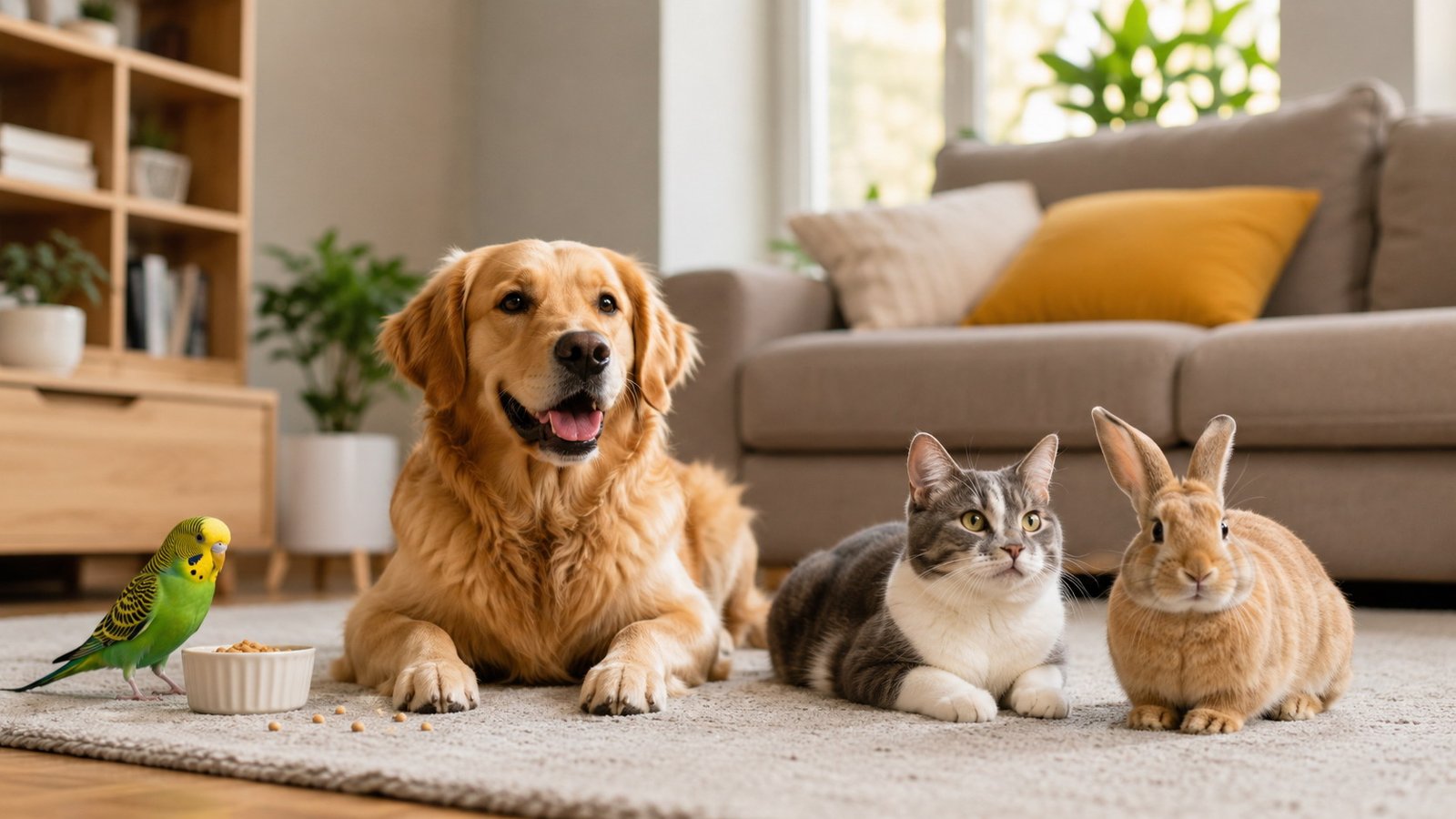
Indoor pets rely entirely on their owners for exercise, mental stimulation, nutrition, safety, and emotional well-being. Proper indoor pet care means creating an environment that supports both physical and mental health while meeting the specific needs of your animal.
Whether you have a cat, dog, rabbit, bird, hamster, or another companion animal, good indoor care involves more than food and shelter. Pets living indoors need daily interaction, enrichment, grooming, routine veterinary care, and a clean, safe environment to thrive.
This guide explains how to take care of indoor pets step by step, including feeding, exercise, hygiene, mental stimulation, common mistakes to avoid, and best practices for long-term health.
In This Article
Quick Summary: Indoor Pet Care Essentials
| Area of Care | Why It Matters | Best Practices |
| Nutrition | Supports health and energy | Feed balanced species-appropriate diets |
| Exercise | Prevents obesity and boredom | Daily play and movement |
| Mental stimulation | Reduces stress and destructive behavior | Toys, training, puzzles, enrichment |
| Clean environment | Prevents illness and odors | Regular cleaning and sanitation |
| Veterinary care | Detects problems early | Routine checkups and vaccinations |
| Grooming | Maintains skin and coat health | Brush, trim nails, clean ears |
| Safety | Prevents accidents and poisoning | Pet-proof the home |
| Social interaction | Supports emotional well-being | Spend quality time daily |
Why Indoor Pet Care Matters
Indoor pets often live longer than outdoor pets because they face fewer dangers such as traffic, predators, harsh weather, and infectious diseases. However, indoor living also creates unique challenges.
Animals kept indoors may become:
- Overweight from lack of exercise
- Bored or anxious without stimulation
- Destructive due to pent-up energy
- Lonely if ignored for long periods
- More sensitive to poor air quality or stress
A well-cared-for indoor pet is usually calmer, healthier, easier to train, and more emotionally balanced.
Understanding Your Pet’s Basic Needs
Different animals have different care requirements, but most indoor pets need the following:
1. Proper Nutrition
Nutrition affects nearly every aspect of your pet’s health, including:
- Energy levels
- Weight
- Digestion
- Immune system function
- Skin and coat condition
- Lifespan
Choose food designed for your pet’s species, age, and health condition.
2. Clean Water
Fresh water should always be available. Many pets become mildly dehydrated without owners noticing.
Some animals, especially cats, drink more water from fountains because moving water feels fresher to them.
3. Physical Activity
Indoor animals need regular movement to stay healthy. Lack of exercise contributes to obesity, joint issues, and behavioral problems.
4. Mental Enrichment
Pets need opportunities to explore, play, solve problems, and interact with their surroundings.
Mental stimulation is especially important for intelligent animals like dogs, cats, parrots, and rabbits.
5. Safety and Comfort
Indoor pets should have:
- Comfortable sleeping areas
- Quiet spaces for rest
- Stable temperatures
- Safe toys and furniture
- Protection from hazards
How to Feed Indoor Pets Properly
Choose Species-Appropriate Food
Each animal has unique nutritional requirements.
Examples include:
- Cats require high-protein diets and certain amino acids like taurine
- Dogs benefit from balanced protein, fat, and carbohydrates
- Rabbits need high-fiber hay-based diets
- Birds require species-specific seeds, pellets, fruits, and vegetables
Avoid feeding pets human food unless it is confirmed safe.
Follow Portion Guidelines
Overfeeding is one of the biggest problems among indoor pets.
Signs of overfeeding include:
- Weight gain
- Reduced energy
- Difficulty grooming
- Breathing heavily after activity
Use feeding recommendations as a starting point, then adjust based on activity level and body condition.
Establish a Feeding Routine
Pets thrive on consistency.
A routine helps:
- Prevent overeating
- Improve digestion
- Reduce anxiety
- Make training easier
Most pets do well with meals at the same times each day.
Creating a Safe Indoor Environment
Indoor pets are safer than outdoor pets, but homes still contain hazards.
Pet-Proof Your Home
Common indoor dangers include:
- Toxic plants
- Electrical cords
- Small swallowable objects
- Cleaning chemicals
- Human medications
- Open windows
- Hot stoves and appliances
Store hazardous items securely and supervise curious pets.
Provide Safe Resting Areas
Every pet should have a designated safe space.
Good resting areas are:
- Quiet
- Comfortable
- Clean
- Away from heavy foot traffic
- Temperature-controlled
Cats often prefer elevated spaces, while dogs may prefer cozy beds near family activity.
Exercise and Physical Activity for Indoor Pets
Why Exercise Is Essential
Exercise helps indoor pets:
- Maintain healthy weight
- Build muscle
- Reduce anxiety
- Improve sleep
- Prevent boredom
- Strengthen the human-animal bond
Exercise Ideas for Indoor Dogs
Indoor dogs need structured daily exercise.
Good options include:
- Fetch in hallways or yards
- Tug games
- Indoor obstacle courses
- Training sessions
- Stair climbing
- Puzzle toys
Even small dogs need regular activity.
Exercise Ideas for Indoor Cats
Cats benefit from short bursts of activity throughout the day.
Try:
- Wand toys
- Laser pointers
- Climbing trees
- Interactive feeders
- Window perches
- Chase games
Cats often exercise best during dawn and evening hours.
Exercise for Small Pets
Rabbits, guinea pigs, ferrets, and hamsters also need movement.
Provide:
- Safe playpens
- Tunnels
- Climbing platforms
- Wheels designed for their species
- Supervised out-of-cage time
Mental Stimulation and Enrichment
Mental enrichment is one of the most overlooked aspects of indoor pet care.
Without stimulation, pets may develop:
- Excessive barking
- Destructive chewing
- Aggression
- Depression-like behavior
- Overgrooming
- Repetitive pacing
Best Ways to Mentally Stimulate Indoor Pets
Rotate Toys
Pets become bored with the same toys constantly available.
Rotating toys every few days keeps them interesting.
Use Puzzle Feeders
Food puzzles encourage natural problem-solving behavior and slow eating.
They work especially well for:
- Dogs
- Cats
- Birds
- Rabbits
Teach New Commands
Training exercises stimulate the brain and strengthen communication.
Even older pets can learn new behaviors.
Simple training ideas include:
- Sit
- Stay
- Recall
- Target training
- Agility basics
- Trick training
Encourage Natural Behaviors
Healthy enrichment often mimics natural instincts.
Examples include:
| Pet Type | Natural Behavior | Enrichment Idea |
| Cats | Hunting | Wand toys and treat hunts |
| Dogs | Sniffing and searching | Nose work games |
| Rabbits | Foraging | Hidden hay and treats |
| Birds | Climbing and shredding | Hanging toys and paper |
| Hamsters | Digging and tunneling | Deep bedding and tunnels |
Grooming and Hygiene
Why Grooming Matters
Regular grooming helps:
- Prevent mats and tangles
- Reduce shedding
- Detect skin problems early
- Improve comfort
- Reduce hairballs in cats
Brushing
Brush frequency depends on coat type.
Long-haired pets usually require more maintenance than short-haired pets.
Nail Trimming
Overgrown nails can cause:
- Pain
- Posture problems
- Scratches
- Difficulty walking
Trim nails regularly or ask a veterinarian or groomer for help.
Bathing
Avoid overbathing, especially for cats and small animals.
Use pet-safe shampoos only.
Dental Care
Dental disease is extremely common in indoor pets.
Good dental care includes:
- Tooth brushing
- Dental treats
- Veterinary cleanings
- Dental-friendly diets
Bad breath, drooling, or difficulty eating may indicate dental problems.
Keeping Indoor Pets Emotionally Healthy
Indoor pets form strong emotional connections with humans.
Lack of interaction can lead to stress and behavioral issues.
Spend Quality Time Daily
Simple activities make a big difference:
- Petting
- Playing
- Talking calmly
- Grooming
- Training
Consistency matters more than long sessions.
Recognize Signs of Stress
Signs of emotional distress may include:
- Hiding
- Aggression
- Excessive vocalization
- Loss of appetite
- Destructive behavior
- Changes in bathroom habits
Sudden behavior changes should never be ignored.
Veterinary Care for Indoor Pets
Some owners assume indoor pets rarely need veterinary care. That is incorrect.
Indoor pets still require:
- Routine wellness exams
- Vaccinations
- Parasite prevention
- Dental checks
- Weight monitoring
Preventive Care Matters
Preventive care catches problems before they become severe.
Regular exams may identify:
- Kidney disease
- Diabetes
- Arthritis
- Dental disease
- Skin conditions
- Heart issues
Early treatment often improves outcomes significantly.
Cleaning and Maintaining a Healthy Indoor Environment
A clean environment benefits both pets and humans.
Clean Pet Areas Regularly
Focus on:
- Bedding
- Litter boxes
- Food bowls
- Water bowls
- Cages
- Toys
Dirty environments can encourage bacteria, parasites, and unpleasant odors.
Litter Box Best Practices
Cats may avoid dirty litter boxes.
General guidelines include:
- Scoop daily
- Wash regularly
- Place boxes in quiet areas
- Provide enough boxes for multiple cats
Air Quality Matters
Poor air quality can affect pets, especially birds and small animals.
Avoid:
- Cigarette smoke
- Strong chemical sprays
- Scented candles
- Excessive dust
Good ventilation helps maintain healthier indoor conditions.
Common Mistakes Indoor Pet Owners Make
1. Not Providing Enough Exercise
Indoor pets often appear relaxed but may still be under-stimulated.
2. Overfeeding
Free-feeding and excessive treats commonly lead to obesity.
3. Ignoring Mental Health
Bored pets often develop behavior problems mistaken for “bad behavior.”
4. Skipping Veterinary Visits
Indoor pets can still develop serious illnesses.
5. Using Unsafe Household Products
Some cleaning products, plants, and essential oils are toxic to pets.
6. Leaving Pets Alone Too Long
Extended isolation may increase anxiety and stress.
Best Practices for Long-Term Indoor Pet Care
Keep a Consistent Routine
Predictable schedules reduce stress.
Try to maintain regular times for:
- Feeding
- Walks
- Playtime
- Sleep
- Medication
Monitor Weight Regularly
Weight changes may signal health problems.
A healthy pet should have:
- Visible waistline
- Easy movement
- Good energy levels
Learn Your Pet’s Normal Behavior
Owners usually notice illness first through subtle behavioral changes.
Pay attention to:
- Appetite
- Activity
- Bathroom habits
- Mood
- Sleep patterns
Invest in Quality Supplies
Well-made pet products often improve safety and comfort.
Useful supplies include:
- Comfortable bedding
- Durable toys
- Secure carriers
- Grooming tools
- Quality food bowls
Indoor Pet Care by Life Stage
Caring for Young Pets
Young animals need:
- Socialization
- Training
- Frequent meals
- Safe exploration
- Vaccinations
Caring for Adult Pets
Adult pets benefit from:
- Weight management
- Structured exercise
- Routine preventive care
- Continued mental enrichment
Caring for Senior Pets
Older pets may need:
- Softer bedding
- Easier access to food and litter
- Joint support
- More veterinary monitoring
- Gentler exercise
Senior pets can remain happy and active with proper support.
Signs Your Indoor Pet Is Healthy
Healthy indoor pets usually show:
- Good appetite
- Bright eyes
- Consistent grooming
- Healthy weight
- Playfulness
- Normal bathroom habits
- Smooth movement
A sudden change in these areas may indicate illness or stress.
Frequently Asked Questions
How often should indoor pets exercise?
Most indoor pets benefit from daily exercise. The amount depends on species, age, breed, and health condition. Dogs often need structured walks or play sessions, while cats prefer multiple short play periods throughout the day.
Do indoor pets need vaccinations?
Yes. Indoor pets can still be exposed to diseases through people, other animals, insects, or contaminated objects. Veterinarians usually recommend core vaccines even for indoor animals.
What is the biggest challenge for indoor pets?
Lack of stimulation is one of the most common issues. Without enough exercise and mental enrichment, pets may become overweight, anxious, or destructive.
How can I keep my indoor pet from getting bored?
Rotate toys, use puzzle feeders, create climbing or hiding spaces, schedule daily playtime, and introduce training activities to keep pets mentally engaged.
How clean should indoor pet areas be?
Pet spaces should be cleaned regularly to prevent odors, bacteria, and disease. Food bowls, bedding, litter boxes, and cages should all be maintained consistently.
Can indoor pets become lonely?
Yes. Many pets are social animals and need interaction. Spending quality time together daily helps support emotional health and reduces stress.
Final Thoughts on How to Take Care of Indoor Pets
Learning how to take care of indoor pets properly means understanding that animals need far more than food and shelter. Indoor pets depend on their environment for physical activity, mental stimulation, emotional security, and overall health.
The best indoor pet care routines combine proper nutrition, exercise, enrichment, grooming, preventive veterinary care, and daily interaction. Small improvements — like more playtime, better routines, cleaner living spaces, or additional enrichment — can dramatically improve a pet’s quality of life.
A healthy indoor pet is usually active, curious, emotionally balanced, and comfortable in its environment. With consistent care and attention, indoor animals can enjoy long, safe, and fulfilling lives alongside their owners.

Passionate about pets and animal care, we shares trusted tips, fun facts, and practical advice to help pet lovers give their furry, feathered, and scaly companions the best life possible. From everyday care guides to fascinating animal insights, we’re dedicated to making pet information easy, helpful, and enjoyable for every reader.