
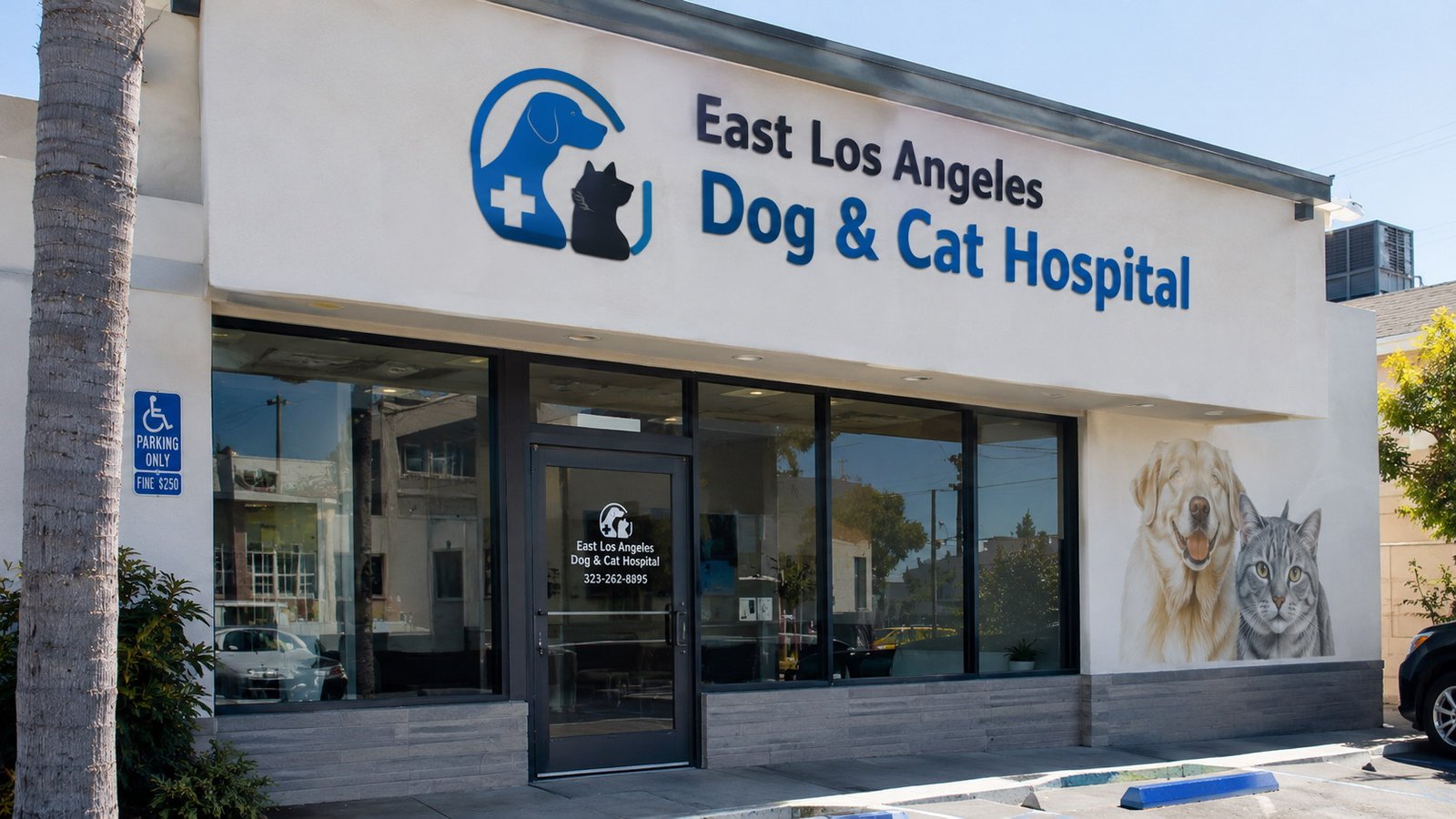
Finding a reliable veterinarian is one of the most important parts of keeping your pet healthy. East Los Angeles Dog and Cat Hospital is a veterinary facility that pet owners in East Los Angeles, California, may consider when looking for routine checkups, vaccinations, diagnostic testing, and other medical services for their dogs and cats.
Whether you’re bringing home a new puppy, caring for an older cat, or looking for a veterinary clinic closer to home, knowing what to expect before your visit can make the experience less stressful. Understanding the hospital’s location, available services, appointment procedures, and emergency care limitations can also help you make better decisions for your pet.
This guide explains what pet owners should know about East Los Angeles Dog and Cat Hospital, how to prepare for a veterinary visit, which services to ask about, and how to recognize situations that require more urgent medical attention.
In This Article
What Is East Los Angeles Dog and Cat Hospital?
East Los Angeles Dog and Cat Hospital is a veterinary facility serving the needs of dog and cat owners in the East Los Angeles area. Its services cover several aspects of companion animal health, from preventive care to diagnostic evaluations and selected medical and surgical procedures.
For pet owners, having access to a veterinary clinic can make it easier to establish a consistent healthcare routine. Regular examinations help veterinarians assess an animal’s overall condition, identify potential problems, and recommend care based on the pet’s age, lifestyle, and medical history.
Why Regular Veterinary Care Matters
Dogs and cats often hide signs of illness, particularly during the early stages of a health problem. A pet may continue eating, playing, and behaving normally even when an underlying condition is developing.
Routine veterinary visits can help identify concerns such as dental disease, obesity, skin problems, parasites, and age-related changes before they become more difficult to manage.
Preventive care also gives pet owners an opportunity to discuss everyday concerns, including:
- Changes in appetite, thirst, or bathroom habits.
- Persistent scratching, hair loss, or skin irritation.
- Unusual behavior, anxiety, or reduced activity.
- Weight gain or unexplained weight loss.
- Vaccination schedules and parasite prevention.
- Dental hygiene, nutrition, and exercise needs.
A healthy-looking pet still benefits from regular checkups. The recommended frequency depends on age and health status. Puppies, kittens, senior pets, and animals with chronic conditions may need more frequent veterinary attention than healthy adult pets.
What Types of Pets Can Receive Care?
The hospital focuses on dogs and cats, making it relevant to households with either or both species. Although many preventive care principles overlap, each animal has different medical needs.
Dogs may need guidance on exercise, weight management, breed-related health risks, and protection against parasites encountered outdoors. Cats may require closer attention to dental health, urinary habits, indoor enrichment, and subtle changes in behavior.
When contacting the clinic, explain your pet’s species, age, breed, and reason for visiting. This information helps the staff determine whether the facility offers the service your pet needs and whether an appointment or another care arrangement is appropriate.
Where Is East Los Angeles Dog and Cat Hospital Located?
East Los Angeles Dog and Cat Hospital is listed at the following address:
East Los Angeles Dog and Cat Hospital 5655 Whittier Blvd Los Angeles, CA 90022
The location may be convenient for pet owners living in East Los Angeles and nearby communities. Before setting out, confirm the current address and contact information through the hospital’s official website: East Los Angeles Dog and Cat Hospital.
How to Plan Your Visit
A little preparation can save time and help your pet feel more comfortable during the trip.
Consider these practical steps before leaving home:
- Confirm the operating hours. Check the official website or call the hospital, particularly if you plan to visit early, late, or around a holiday.
- Ask about walk-in availability. A clinic that accepts walk-ins may still experience busy periods or have restrictions on certain services.
- Check the service you need. Confirm whether the hospital can perform the required examination, diagnostic test, vaccination, or procedure.
- Plan your route and parking. Allow extra time if your pet becomes anxious in the car or if you are unfamiliar with the neighborhood.
- Bring your pet’s medical records. Previous vaccination records, test results, and medication details can help the veterinary team understand your pet’s history.
If your dog is nervous around unfamiliar animals, keep them securely leashed and give other pets plenty of space in the waiting area. Cats should travel in a secure carrier that cannot accidentally open.
How to Confirm Contact Details and Operating Hours
Veterinary schedules can change because of staffing, holidays, or clinic policies. Online listings may also display outdated information, so it is wise to confirm the details directly before visiting.
Use the hospital’s official contact information to ask about:
- Current opening and closing times.
- Whether walk-ins are accepted that day.
- Availability of new-client appointments.
- Fees for examinations and common services.
- Instructions for urgent cases.
- Whether a specific veterinarian or service is available.
Do not assume that a regular veterinary clinic is open around the clock. If your pet develops a potentially life-threatening condition outside normal operating hours, contact an emergency veterinary hospital rather than waiting for the clinic to reopen.
What Veterinary Services Does East Los Angeles Dog and Cat Hospital Offer?
Understanding the available veterinary services can help you decide whether East Los Angeles Dog and Cat Hospital is suitable for your pet’s needs. The hospital lists a range of services involving preventive care, diagnostic testing, dental health, and medical or surgical treatment.
Service availability can vary, so contact the clinic to confirm the details, costs, and any preparation required for your pet’s specific procedure.
Wellness Exams and Preventive Care
Wellness examinations are a foundation of routine veterinary care. During a checkup, a veterinarian can assess your pet’s weight, body condition, skin, coat, eyes, ears, mouth, heart, and other aspects of general health.
The examination may also include a discussion of behavior, diet, activity levels, and changes you’ve noticed at home. Depending on your pet’s age and medical history, the veterinarian may recommend blood tests, urine testing, or other screening procedures.
Regular wellness visits can be especially useful for:
- Puppies and kittens beginning their vaccination schedules.
- Adult pets that need routine health monitoring.
- Senior animals that may develop age-related conditions.
- Pets with ongoing medical issues requiring follow-up.
- Newly adopted animals with an uncertain health history.
Keep a simple record of your pet’s appetite, weight, medication, and unusual symptoms. Sharing these observations during an appointment can help the veterinarian identify patterns that might otherwise be overlooked.
Vaccinations and Parasite Prevention
Vaccinations protect dogs and cats against certain infectious diseases. The appropriate schedule depends on the animal’s species, age, previous vaccinations, health status, and exposure risks.
For dogs, a veterinarian may discuss protection against diseases such as rabies, distemper, parvovirus, and other infections. For cats, vaccination recommendations may include protection against rabies, feline panleukopenia, feline herpesvirus, and calicivirus.
Not every pet requires the same combination of vaccines. Your veterinarian can help determine which vaccinations are essential and which may be appropriate based on lifestyle and local risks.
Parasite prevention is another important part of routine care. Fleas, ticks, intestinal worms, and heartworms can affect animals in different ways, depending on the parasite and the pet’s exposure.
Keep these precautions in mind:
- Use flea and tick products specifically approved for your pet’s species and weight.
- Never apply a dog-only parasite product to a cat without explicit veterinary confirmation; certain ingredients, including concentrated permethrin, can be highly toxic to cats.
- Ask your veterinarian which parasite preventives are appropriate for your region and your pet’s lifestyle.
- Follow product instructions and recommended testing schedules.
- Tell the veterinarian about any previous reactions to medications or vaccines.
For additional guidance on vaccination and preventive healthcare, the American Veterinary Medical Association’s pet owner resources provide useful information to discuss with your veterinarian.
How Does the Walk-In System Work at East Los Angeles Dog and Cat Hospital?
When your dog or cat needs veterinary attention, getting an appointment quickly can make a big difference. East Los Angeles Dog and Cat Hospital has been listed as offering walk-in veterinary care, which may be useful for pet owners who need to bring their animals in without scheduling a visit far in advance.
However, walk-in availability does not guarantee immediate treatment or mean every service is available without an appointment. Waiting times, staffing, patient volume, and the type of care required can affect how quickly your pet is seen.
What Should You Expect When You Walk In?
If you’re planning to visit East Los Angeles Dog and Cat Hospital without an appointment, understanding the general process can help you prepare.
- Check availability before leaving home. Call the hospital to confirm that walk-ins are being accepted and ask whether the service your pet needs is available.
- Explain your pet’s symptoms clearly. Tell the staff when the problem started, whether it has worsened, and whether your pet is eating, drinking, and behaving normally.
- Prepare for a possible wait. Walk-in clinics may see patients in an order influenced by medical urgency, so arrival time does not necessarily determine treatment order.
- Bring relevant medical information. Previous veterinary records, medication details, and vaccination history can help the team assess your pet.
- Ask about costs before proceeding. Request information about the examination fee and any recommended diagnostic tests or treatments.
A brief description of the problem can help the veterinary team understand why you’re visiting. Instead of saying your dog simply seems unwell, explain specific changes, such as refusing food since yesterday, vomiting several times, or becoming unusually tired after exercise.
Walk-In Visits Versus Scheduled Appointments
Both options can be useful, depending on your pet’s needs.
| Walk-in veterinary visit | Scheduled appointment |
| May be suitable for certain non-emergency concerns that need prompt assessment | Often more convenient for routine checkups and planned care |
| Waiting times can vary with patient volume | May provide a more predictable arrival time |
| Availability may depend on the day’s staffing and services | Can allow more time to prepare records or discuss ongoing conditions |
| May not accommodate every procedure | May be preferable for surgeries, specialized testing, or follow-up visits |
For routine vaccinations, annual wellness examinations, and planned procedures, ask whether scheduling ahead is the better option. If your pet has a chronic condition, a scheduled visit can also provide more time to review treatment progress and adjust the care plan.
When a Walk-In Visit Is Not Enough
Some conditions require immediate emergency treatment rather than an ordinary walk-in consultation. Severe breathing difficulties, collapse, uncontrolled bleeding, suspected poisoning, and seizures are examples of situations that warrant urgent veterinary assistance.
Do not wait in a routine queue if your pet appears critically ill. Call an emergency veterinary facility while arranging safe transportation, and follow its instructions. If your pet has difficulty breathing or cannot stand, minimize handling and avoid giving food, water, or medication unless a veterinarian directs you to do so.
A blocked urinary tract is another serious concern, particularly in male cats. Repeated attempts to urinate with little or no urine production can indicate a life-threatening emergency.
The most important step is to match the level of care to the urgency of the problem. Calling ahead can help you determine whether East Los Angeles Dog and Cat Hospital can see your pet or whether an emergency facility is more appropriate.
What Should You Bring to Your First Veterinary Visit?
Preparing for your first visit to East Los Angeles Dog and Cat Hospital can make the appointment more productive and less stressful for everyone. Even if your pet has visited other veterinarians, bringing accurate medical information helps the veterinary team understand previous diagnoses, treatments, and possible health risks.
You don’t need an elaborate folder. A few essential records and clear notes about your pet’s health are often enough to get started.
Your First-Visit Veterinary Checklist
Before leaving home, check that you have the following items.
- Previous veterinary records: Bring vaccination certificates, laboratory results, previous diagnoses, and discharge instructions if available.
- Medication details: Write down the names, doses, and frequency of prescription medications, supplements, and other products your pet receives.
- Symptom notes: Record when the problem began, how often it occurs, and whether anything makes it better or worse.
- Diet information: Note your pet’s usual food, approximate daily portions, treats, and any recent dietary changes.
- Identification details: Have your contact information ready and mention whether your pet has a microchip.
- Payment method: Confirm which payment methods the clinic accepts and ask about examination fees if necessary.
If you have a young puppy or kitten, adoption records and any information supplied by the breeder, rescue organization, or previous caregiver can be especially useful.
How to Describe Your Pet’s Symptoms
Pet owners sometimes struggle to explain what’s wrong because animals cannot describe pain or discomfort in words. Specific observations are more useful than general statements.
For example, instead of saying, “My cat isn’t acting normally,” explain that your cat has been hiding under the bed, eating half the usual amount, and visiting the litter box more frequently for two days.
Useful details include:
- When you first noticed the change.
- Whether symptoms occur continuously or come and go.
- Changes in appetite, thirst, urination, or bowel movements.
- Any recent changes in food, environment, routine, or medication.
- Possible exposure to toxic plants, chemicals, human medication, or unfamiliar foods.
Photos and short videos can help demonstrate intermittent problems, such as unusual walking, coughing, or a recurring skin irritation. However, never delay emergency care to take a video or collect additional information.
If poisoning is possible, keep the product packaging or take a photograph of the label if you can do so safely. Contact a veterinarian or animal poison-control service immediately rather than waiting for symptoms to develop.
How to Keep Your Dog or Cat Calm During the Visit
A veterinary visit can be overwhelming for animals that are unfamiliar with travel, new smells, or other pets.
For dogs, use a secure leash and well-fitted collar or harness. Give your dog enough space from unfamiliar animals, particularly if they are fearful or reactive.
For cats, choose a sturdy carrier with secure closures. Place a familiar towel inside, and keep the carrier covered with a lightweight blanket if that helps your cat feel safe while still allowing adequate ventilation.
A few additional strategies can make the experience easier:
- Allow your pet to become familiar with the carrier before appointment day.
- Bring a favorite toy or familiar blanket.
- Ask the veterinary team about appropriate ways to manage severe travel anxiety.
- Avoid forcing a frightened animal into interactions with other pets.
- Follow the clinic’s instructions about feeding before anesthesia or specific diagnostic procedures.
Never give human sedatives or anxiety medication to your pet unless a veterinarian has specifically prescribed or approved the medication and dosage.
Questions Worth Asking Your Veterinarian
Your appointment is an opportunity to understand your pet’s health, not just receive a diagnosis or prescription. Preparing a short list of questions helps you leave with a clear plan.
Consider asking:
- What are the most likely causes of my pet’s symptoms?
- Are diagnostic tests needed, and what will each test help determine?
- What are the available treatment options?
- What side effects should I watch for with prescribed medication?
- When should my pet return for a follow-up examination?
- Which symptoms would mean I need to seek emergency care?
If anything is unclear, ask the veterinarian to explain it in everyday language. You should understand how to give medication, what improvement to expect, and when to seek additional help.
How Much Does Veterinary Care in East Los Angeles Cost?
Veterinary costs can vary considerably depending on the service, your pet’s condition, and the treatment required. If you’re considering East Los Angeles Dog and Cat Hospital, contact the clinic directly for current prices rather than relying on outdated online estimates.
A routine wellness examination may involve a relatively straightforward consultation, while a pet with unexplained symptoms could require laboratory testing, imaging, medication, or additional appointments. Surgical procedures and emergency treatment generally involve different cost considerations.
The best way to avoid financial surprises is to request a clear estimate before treatment whenever the situation allows.
What Influences the Cost of Veterinary Care?
Several factors can affect the final bill.
| Veterinary service | Factors that may influence the cost |
| Wellness examination | Type of visit, age of the pet, and whether additional assessments are needed |
| Vaccinations | Number and type of vaccines, previous vaccination history, and examination requirements |
| Diagnostic testing | Type and number of laboratory tests, X-rays, ultrasound, or other investigations |
| Dental treatment | Severity of dental disease, anesthesia, dental X-rays, and extractions if required |
| Medication | Drug type, dosage, treatment duration, and pet’s size |
| Surgery | Procedure complexity, anesthesia, monitoring, medications, and follow-up care |
| Ongoing medical care | Frequency of rechecks, repeat tests, and long-term prescriptions |
These are general cost factors, not a price list for East Los Angeles Dog and Cat Hospital. Actual charges should be confirmed with the clinic.
How to Budget for Your Pet’s Veterinary Needs
Planning ahead can make routine care more manageable and reduce the financial pressure of unexpected illnesses.
Start with preventive care. Ask your veterinarian which examinations, vaccines, parasite preventives, and screening tests are appropriate for your pet. Preventive care cannot eliminate every health problem, but it can help identify certain issues earlier and reduce avoidable risks.
Build a dedicated pet emergency fund. Setting aside a small amount regularly can help cover unexpected consultations, diagnostic tests, or treatment. The appropriate savings target depends on your financial circumstances and your pet’s individual health risks.
Ask for an itemized estimate. Before a planned procedure, request a breakdown of examination fees, anesthesia, testing, medication, and follow-up appointments. Ask which items are essential and whether additional costs might arise if the veterinarian discovers another problem.
Discuss treatment options. When several medically appropriate options exist, ask about their benefits, limitations, expected outcomes, and costs. The cheapest option is not always the most suitable, but understanding the choices can help you make an informed decision.
Review pet insurance carefully. Policies differ in premiums, deductibles, reimbursement limits, waiting periods, and exclusions for pre-existing conditions. Check the details before enrolling rather than assuming every illness or procedure will be covered.
Are Payment Plans or Discounts Available?
Some veterinary clinics offer promotional services, wellness packages, financing arrangements, or other payment options. Availability varies, so don’t assume East Los Angeles Dog and Cat Hospital provides a particular program without confirming it directly.
When contacting the clinic, ask:
- Which payment methods are accepted?
- Are wellness packages or preventive care promotions available?
- Is financing offered for eligible treatments?
- Must payment be made in full at the time of service?
- Can staff provide an estimate for a planned procedure before the appointment?
If your pet needs urgent treatment and cost is a concern, explain your situation honestly and ask which medically appropriate options are available. The veterinary team may be able to help you understand the immediate priorities and discuss the likely costs.
Why You Shouldn’t Delay Necessary Treatment to Save Money
It is understandable to worry about veterinary bills, especially when a problem appears unexpectedly. However, delaying care can allow certain illnesses or injuries to become more serious and potentially more expensive to treat.
Repeated vomiting, significant pain, difficulty breathing, inability to urinate, suspected poisoning, and collapse should never be treated as routine budgeting decisions. Seek immediate veterinary guidance for these warning signs.
For non-emergency concerns, call the clinic, describe the symptoms, and ask how soon your pet should be examined. A clear discussion about urgency and expected costs can help you plan without unnecessarily putting your pet’s health at risk.
When Should You Choose a Regular Vet Visit Instead of Emergency Care?
Knowing when your dog or cat needs a routine appointment and when the situation calls for emergency treatment can make a real difference to their health. Some symptoms can wait for a scheduled examination, while others may indicate a serious condition that requires immediate attention.
East Los Angeles Dog and Cat Hospital may be an option for veterinary care during its operating hours, but pet owners should confirm whether the clinic can handle their pet’s specific condition. For life-threatening symptoms, contact an emergency veterinary hospital without waiting for a routine appointment.
Warning Signs That Your Pet Needs Prompt Veterinary Attention
Pets don’t always show obvious signs of illness. Changes in everyday habits may be the first indication that something is wrong.
Watch for symptoms such as:
- Repeated vomiting or diarrhea: Occasional digestive upset may resolve, but repeated episodes, blood, weakness, or difficulty keeping water down warrant prompt veterinary assessment.
- Loss of appetite: Skipping a meal can have many causes, but persistent refusal to eat deserves attention. Cats are particularly vulnerable to complications from prolonged inadequate food intake.
- Unusual tiredness: A pet that suddenly becomes withdrawn, weak, or reluctant to move may be experiencing pain or illness.
- Changes in drinking or urination: Excessive thirst, frequent urination, or noticeably reduced urine production can indicate an underlying medical problem.
- Limping or signs of pain: Difficulty walking, yelping, guarding a body part, or resisting touch may indicate an injury or another painful condition.
- Persistent scratching or skin irritation: Severe itching, swelling, open sores, or rapidly spreading skin problems should be assessed by a veterinarian.
Contact your veterinarian promptly if symptoms persist, worsen, or appear alongside other unusual changes. Young animals, senior pets, and pets with existing medical conditions may need earlier assessment.
Symptoms That Require Emergency Veterinary Care
Certain symptoms should never wait for a routine walk-in visit.
| Emergency warning sign | Why immediate attention matters |
| Difficulty breathing or blue, gray, or very pale gums | May indicate a serious breathing or circulation problem |
| Collapse, unresponsiveness, or sudden inability to stand | Can be associated with life-threatening illness or injury |
| Seizures, especially repeated seizures or one lasting several minutes | May require urgent stabilization and investigation |
| Severe bleeding or major trauma | Can result in dangerous blood loss or internal injuries |
| Suspected poisoning or ingestion of a toxic substance | Some toxins cause serious damage before obvious symptoms appear |
| Repeated straining to urinate with little or no urine | May indicate a urinary blockage, particularly in male cats |
| A swollen abdomen with repeated unsuccessful attempts to vomit | Can indicate a life-threatening emergency, particularly in dogs |
If your pet shows any of these signs, seek emergency veterinary care immediately. Call the emergency facility while preparing to leave, if doing so does not delay transport.
Avoid giving human medication, inducing vomiting, or trying home remedies unless a veterinarian specifically instructs you to do so. Some common household medications and treatments can be toxic to dogs and cats.
How to Decide Where to Take Your Pet
When you’re unsure whether a symptom is serious, call a veterinary clinic and describe exactly what you have observed. The staff may be able to advise whether your pet needs a routine appointment, a same-day assessment, or emergency care.
Before contacting East Los Angeles Dog and Cat Hospital, it helps to know:
- When the symptoms started.
- Whether your pet is alert and breathing normally.
- Whether your pet can walk, eat, drink, and urinate.
- Whether there has been an injury or possible exposure to a toxin.
- Whether the symptoms are getting worse.
Do not delay emergency treatment while waiting for a callback if your pet is struggling to breathe, collapsing, bleeding heavily, or showing other critical warning signs.
How to Keep Your Dog or Cat Healthy Between Veterinary Visits
Veterinary care doesn’t begin and end at the clinic. Everyday habits at home play a major role in supporting your pet’s long-term health and helping you recognize problems before they become more serious.
Whether you visit East Los Angeles Dog and Cat Hospital for routine checkups or seek veterinary care elsewhere, consistent preventive care makes it easier to monitor your pet’s condition over time.
Feed a Balanced Diet That Matches Your Pet’s Needs
Good nutrition supports healthy muscles, bones, skin, and immune function. The right diet depends on your pet’s species, age, activity level, body condition, and medical history.
For dogs, choose a complete and balanced food appropriate for their life stage. Cats have different nutritional requirements and need food formulated specifically for their species, including essential nutrients such as taurine.
Keep these feeding tips in mind:
- Measure food portions instead of estimating them by eye.
- Limit treats so they do not displace a balanced diet.
- Provide fresh, clean drinking water every day.
- Introduce dietary changes gradually unless your veterinarian advises otherwise.
- Ask your veterinarian about special diets if your pet has allergies, digestive problems, kidney disease, or other medical concerns.
Avoid assuming that food marketed as natural, grain-free, or homemade is automatically healthier. A homemade diet can become nutritionally deficient without careful formulation by a qualified veterinary nutrition professional.
Related reading idea: Link this section to your blog’s guide to choosing balanced pet food or understanding dog and cat nutritional requirements.
Make Dental Care Part of Your Routine
Dental disease can cause pain, inflamed gums, bad breath, and difficulty eating. Pets may continue eating despite oral discomfort, so the absence of obvious symptoms doesn’t necessarily mean their teeth are healthy.
To support your pet’s dental health:
- Brush their teeth regularly using a pet-specific toothbrush and toothpaste.
- Introduce brushing gradually, particularly if your pet is unfamiliar with it.
- Ask your veterinarian about dental examinations and professional cleaning.
- Choose dental products appropriate for your pet’s size and chewing habits.
- Avoid hard objects that could fracture teeth, including very hard bones and unsuitable antlers.
Never use human toothpaste on dogs or cats because some ingredients, including xylitol in certain products, can be dangerous to pets.
Bad breath, drooling, bleeding gums, dropping food, or chewing on one side of the mouth may indicate a dental problem. Arrange a veterinary examination if you notice these signs.
Keep Up With Grooming, Exercise, and Enrichment
Grooming is more than a cosmetic activity. Regular brushing can help reduce tangles, remove loose hair, and give you an opportunity to check for fleas, ticks, skin irritation, lumps, or wounds.
Dogs generally benefit from daily activity suited to their breed, age, and physical condition. Cats also need opportunities to play, climb, explore, and express natural hunting behaviors indoors.
Try incorporating these habits into your routine:
- Brush your pet’s coat according to its length and grooming needs.
- Keep nails at a comfortable length.
- Clean food and water bowls regularly.
- Provide appropriate toys and supervised enrichment activities.
- Maintain a predictable routine for feeding, exercise, and rest.
- Use positive reinforcement to make handling and grooming less stressful.
If your pet suddenly resists brushing, avoids jumping, or becomes aggressive when touched in a particular area, consider whether pain could be involved. A change in behavior is not always simply a training problem.
Related reading idea: Link to a practical dog grooming guide or an article about keeping indoor cats physically active and mentally stimulated.
Prevent Parasites and Maintain Vaccinations
Fleas, ticks, intestinal worms, and other parasites can affect pets throughout the year. The risks depend on local conditions, your pet’s environment, and whether they spend time outdoors.
Work with your veterinarian to establish a suitable prevention plan. Some pets may need different products or testing schedules because of their lifestyle, travel history, age, or medical condition.
Remember these essential precautions:
- Use only products appropriate for your pet’s species and weight.
- Follow the label instructions and your veterinarian’s recommendations.
- Keep vaccination records and note upcoming boosters.
- Check your pet’s coat and skin after outdoor activities when appropriate.
- Ask about parasite testing if your pet has symptoms or a relevant exposure history.
Never assume a product is safe for both dogs and cats. Certain dog flea treatments contain ingredients that can be extremely toxic to cats.
Monitor Small Changes Before They Become Bigger Problems
You know your pet’s usual habits better than anyone else. Paying attention to everyday behavior can help you notice changes that might otherwise go unnoticed.
Once a week, take a moment to observe your pet’s:
- Appetite and water intake.
- Weight and body condition.
- Energy levels and willingness to play.
- Skin, coat, eyes, and ears.
- Urination and bowel movements.
- Walking, jumping, and general mobility.
You don’t need to keep a complicated health journal. A simple note on your phone can help you track when a symptom began, how often it occurs, and whether it changes over time.
The goal isn’t to diagnose your pet at home. It’s to recognize unusual changes and share useful information with your veterinarian. When something seems wrong, contact a veterinary professional rather than relying on internet searches or home remedies alone.
Regular checkups, balanced nutrition, dental care, grooming, and close observation all work together to support a healthier life for your dog or cat.
How to Evaluate Whether a Veterinary Hospital Is Right for Your Pet
Choosing a veterinary hospital is about more than finding the closest clinic. You want a veterinary team that communicates clearly, understands your pet’s needs, and helps you make informed decisions about treatment.
If you’re considering East Los Angeles Dog and Cat Hospital, take time to confirm its current services, policies, and availability. The right choice will depend on your pet’s medical needs, your budget, and the kind of ongoing support you expect.
Look for Clear Communication and Compassionate Care
A good veterinary experience starts with being able to discuss your concerns openly. You should feel comfortable asking questions about your pet’s symptoms, diagnostic tests, medications, and recovery.
During your visit, consider whether the veterinary team:
- Explains medical findings in language you can understand.
- Discusses treatment options and their potential benefits and risks.
- Gives clear instructions for medications and home care.
- Explains which symptoms require a follow-up visit or emergency attention.
- Treats both you and your pet with patience and respect.
You should also feel comfortable telling the veterinarian if you have concerns about treatment costs or your ability to administer medication at home. Honest communication can help the team recommend a practical care plan.
Confirm That the Hospital Offers the Services You Need
Not every veterinary clinic provides every type of treatment. Some facilities focus primarily on general practice, while others offer more extensive diagnostic services, surgery, or specialized care.
Before choosing East Los Angeles Dog and Cat Hospital for an ongoing medical need, ask whether it can provide the specific service your pet requires.
For example, a pet with recurring digestive problems may need laboratory testing and follow-up appointments. An older dog with mobility issues may need diagnostic imaging and a long-term pain-management plan. A cat with dental disease may require an oral examination and potentially a procedure under anesthesia.
If the clinic cannot provide a particular service, ask whether it can recommend an appropriate veterinary specialist or another facility.
Consider Location, Availability, and Follow-Up Care
Convenience matters, particularly when your pet needs repeated examinations or ongoing treatment. A nearby clinic may make routine visits easier, but location should not be the only consideration.
Think about these practical factors:
- Are the operating hours compatible with your schedule?
- Can you arrange appointments when your pet needs follow-up care?
- Is the clinic accessible during periods of heavy traffic?
- Does the staff explain what to do if symptoms worsen after a visit?
- Is there a clear plan for obtaining urgent care outside regular hours?
For pets with chronic conditions, continuity of care is particularly valuable. Keeping medical records organized and sharing them with the veterinary team can help prevent confusion when treatment plans change.
Understand the Costs Before Agreeing to Treatment
Veterinary expenses can be difficult to predict, especially when diagnostic tests reveal a more complicated problem than initially expected.
Before a planned procedure or a series of tests, ask for an estimate and find out what it includes. You can also ask which expenses are essential immediately and whether additional costs may arise during treatment.
A trustworthy veterinary relationship should allow you to discuss financial concerns without feeling embarrassed. Your veterinarian can explain the medical implications of different options and help you understand the potential consequences of delaying care.
The best veterinary hospital for your pet is one that can meet their medical needs, communicates transparently, and provides care you can realistically maintain.
Frequently Asked Questions About East Los Angeles Dog and Cat Hospital
Where is East Los Angeles Dog and Cat Hospital located?
East Los Angeles Dog and Cat Hospital is listed at 5655 Whittier Blvd, Los Angeles, CA 90022. Confirm the address before traveling by checking the hospital’s official website.
Does East Los Angeles Dog and Cat Hospital accept walk-ins?
The hospital has been listed as offering walk-in veterinary care, but availability and waiting times may vary. Contact the clinic before visiting to confirm its current walk-in policy and whether it can accommodate your pet’s needs.
What are the operating hours of East Los Angeles Dog and Cat Hospital?
Operating hours can change, including during holidays or because of staffing arrangements. Check the hospital’s official website or call directly for its current schedule rather than relying on potentially outdated online listings.
Does East Los Angeles Dog and Cat Hospital treat both dogs and cats?
Yes, the facility is a dog-and-cat veterinary hospital. Contact the clinic to confirm that it provides the particular examination, treatment, or procedure your pet requires.
Can I take my dog or cat there for vaccinations and wellness exams?
The hospital lists preventive veterinary services, including wellness examinations and vaccinations. Your pet’s recommended vaccination schedule will depend on their age, medical history, lifestyle, and exposure risks.
Does East Los Angeles Dog and Cat Hospital offer X-rays and surgery?
The hospital lists diagnostic and surgical services, including X-rays and certain procedures. Confirm the availability of the specific test or surgery, any preparation requirements, and the estimated cost before scheduling.
How much does a veterinary visit at East Los Angeles Dog and Cat Hospital cost?
Costs depend on the type of examination, diagnostic testing, medication, and treatment required. Contact the clinic for current fees and request an itemized estimate before planned procedures whenever possible.
Should I call before visiting East Los Angeles Dog and Cat Hospital?
Yes. Calling ahead helps you confirm operating hours, walk-in availability, required records, and whether the clinic offers the service your pet needs. For life-threatening symptoms, contact an emergency veterinary facility immediately instead of waiting for a routine appointment.
What should I bring to my pet’s first veterinary appointment?
Bring any available vaccination records, previous medical records, a list of medications, and notes about your pet’s symptoms. Use a secure carrier for cats and a leash or appropriate restraint for dogs.
What should I do if my pet needs emergency treatment after the clinic closes?
Contact a nearby emergency veterinary hospital if your pet has difficulty breathing, collapses, experiences severe bleeding, may have been poisoned, or cannot urinate. Confirm the emergency facility’s availability and follow its instructions while arranging transportation.
Give Your Pet a Healthier Future With the Right Veterinary Care
Finding the right veterinary provider is an important step toward helping your dog or cat enjoy a healthier, more comfortable life. East Los Angeles Dog and Cat Hospital may be worth considering if you’re looking for veterinary services in the East Los Angeles area, but confirming its current hours, services, and policies will help you decide whether it meets your needs.
Prepare for your visit by gathering your pet’s medical records, writing down any symptoms, and making a list of questions. Once you’re at the clinic, ask for clear explanations of recommended tests, treatment options, costs, and follow-up care.
Remember that good pet healthcare extends beyond the examination room. Balanced nutrition, regular dental care, appropriate exercise, parasite prevention, and attention to changes in behavior all contribute to your pet’s well-being.
Ready to plan your pet’s next checkup? Visit the official East Los Angeles Dog and Cat Hospital website to verify the latest information and contact the clinic about your pet’s needs. Taking a little time to prepare today can make veterinary visits easier and help you provide more confident, consistent care for your companion.

Passionate about pets and animal care, we shares trusted tips, fun facts, and practical advice to help pet lovers give their furry, feathered, and scaly companions the best life possible. From everyday care guides to fascinating animal insights, we’re dedicated to making pet information easy, helpful, and enjoyable for every reader.