
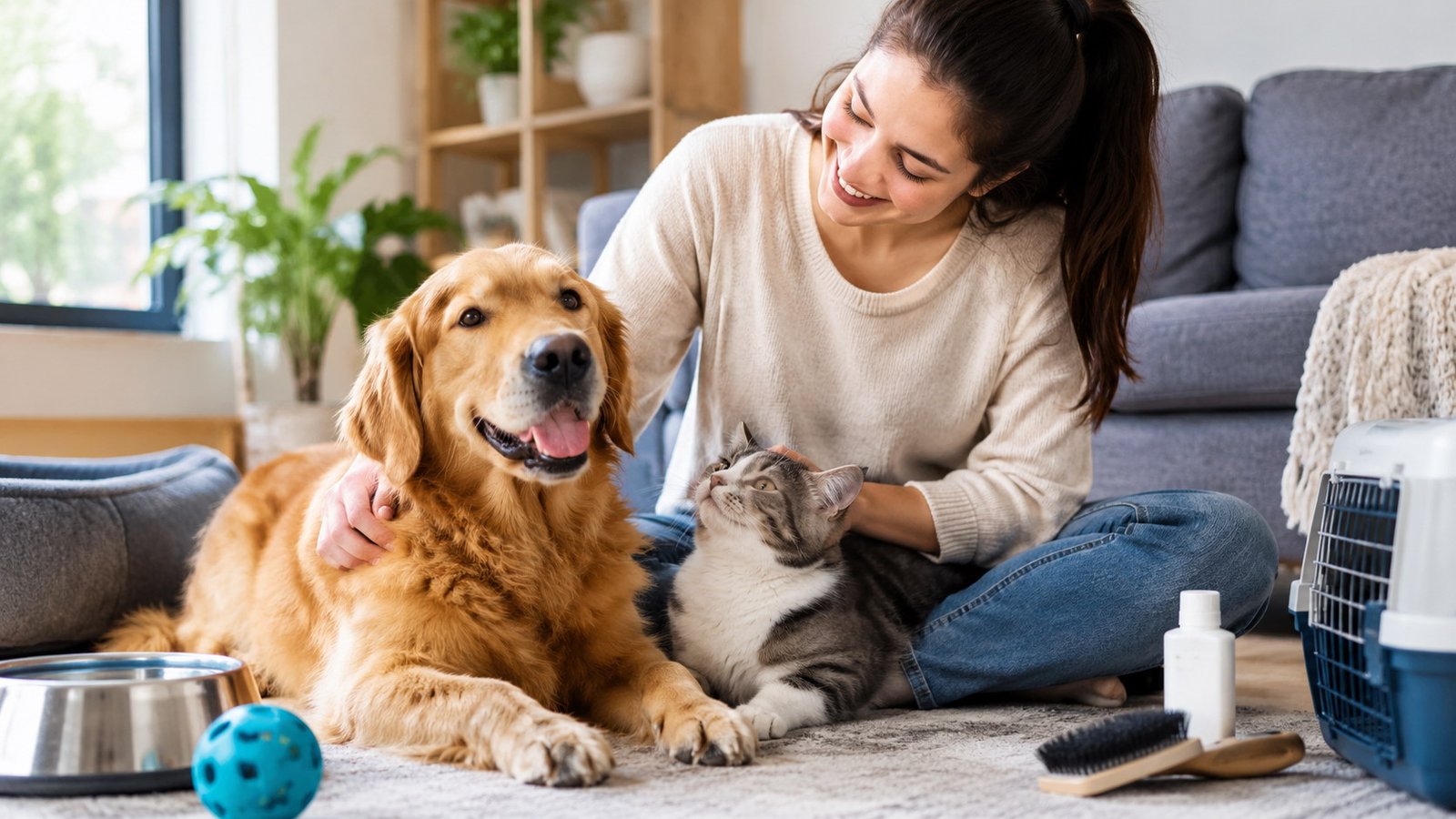
Bringing a pet home is exciting, but easy pet care tips for beginners can make the transition much less overwhelming. Whether you are caring for a dog, cat, rabbit, guinea pig, or another companion animal, the basics are surprisingly consistent: provide appropriate food and fresh water, create a safe environment, maintain good hygiene, offer exercise and mental enrichment, and pay attention to changes in health or behavior.
The key is not trying to become an expert overnight. This guide breaks pet care into manageable routines, explains what new owners should prioritize, highlights common mistakes, and shows you when professional veterinary help is needed. With a little consistency, caring for your pet can become a natural part of your daily life.
In This Article
Easy Pet Care Tips for Beginners: What New Pet Owners Should Know First
Good pet care starts with understanding one simple idea: your pet depends on you for much more than food. Their physical health, emotional well-being, safety, and quality of life are all influenced by the environment and routine you provide.
Every species has different requirements, but responsible care generally comes down to several essential needs.
The basic needs every pet has
Your pet should have reliable access to:
- Appropriate food for its species, age, size, and health needs
- Fresh, clean water
- A safe and comfortable place to sleep and rest
- Appropriate exercise and physical activity
- Mental stimulation and enrichment
- Regular grooming and hygiene
- Preventive veterinary care
- A clean living environment
- Positive social interaction and appropriate companionship
- Protection from household hazards
These needs may look simple on paper, yet overlooking one of them can gradually affect your pet’s health or behavior.
A dog that rarely exercises may become restless or overweight. A cat without appropriate enrichment may become bored and destructive. A rabbit kept in an unsuitable environment can develop both physical and behavioral problems.
Understand your pet’s species-specific needs
One of the most important beginner pet care tips is to avoid treating every animal the same way.
A dog’s care routine can be dramatically different from a cat’s, while rabbits and guinea pigs have their own specialized dietary and housing requirements.
For example, rabbits should not be treated like small dogs or cats. Their digestive systems depend heavily on appropriate high-fiber food, particularly hay. Guinea pigs also have specific nutritional requirements, including a dietary source of vitamin C.
Cats, meanwhile, generally benefit from opportunities to climb, scratch, hide, stalk, and play. Dogs typically need regular physical activity, training, social interaction, and opportunities to explore.
Before bringing an animal home, learn the basic requirements of that species and breed where applicable.
Build a routine instead of relying on memory
New owners often make pet care harder than it needs to be by trying to remember every task individually.
A simple routine works better.
For example, your daily schedule might look like:
Morning
- Refresh water
- Provide the appropriate meal
- Clean the litter box or bathroom area
- Check your pet’s general behavior
- Provide exercise or play
During the day
- Offer appropriate enrichment
- Monitor food and water intake
- Provide additional exercise when needed
Evening
- Feed according to the established schedule
- Clean up waste
- Spend some quiet interaction time together
- Check for anything unusual
The exact routine depends on the animal, but consistency helps both you and your pet know what to expect.
Think about the commitment before getting a pet
Pet ownership is rewarding, but it is also a long-term responsibility.
Before adopting or purchasing a pet, consider:
- Daily time requirements
- Food and supply costs
- Veterinary expenses
- Grooming needs
- Exercise requirements
- Housing requirements
- Travel and vacation arrangements
- Potential emergency expenses
- The animal’s expected lifespan
The easiest pet to care for is not necessarily the pet that requires the least attention. A good match is one whose needs fit realistically into your lifestyle.
Create a Simple Daily Pet Care Routine
A predictable routine is one of the easiest ways to stay on top of pet care. It also makes it easier to notice when something changes.
Pets often develop recognizable patterns around eating, sleeping, playing, and using the bathroom. When you know what is normal for your animal, unusual behavior becomes easier to spot.
Start with the four daily essentials
For most household pets, begin by checking four areas:
Food: Provide the correct food in an appropriate amount and according to the animal’s feeding schedule.
Water: Make sure clean water is available and replace it when it becomes dirty.
Bathroom: Clean litter boxes, cages, bedding, outdoor areas, or other waste areas as appropriate.
Activity: Give your pet an appropriate opportunity to move, play, explore, or exercise.
These tasks form the foundation of a beginner-friendly pet care routine.
Add a quick health and behavior check
You do not need to perform a complicated examination every morning.
Simply observe your pet.
Ask yourself:
- Is my pet behaving normally?
- Is it interested in food?
- Is it drinking normally?
- Does it appear comfortable when moving?
- Are the eyes and nose free from unusual discharge?
- Does the coat or skin look reasonably normal?
- Are bathroom habits consistent?
- Is the animal unusually withdrawn, restless, aggressive, or lethargic?
Knowing your pet’s normal behavior is one of the most useful forms of preventive care.
A subtle change may not always indicate illness, but a persistent or significant change deserves attention.
Make cleaning part of the routine
Pet hygiene does not have to become a huge weekend project.
Small daily tasks can prevent larger problems.
Depending on the animal, this might include:
- Removing waste from litter boxes
- Spot-cleaning bedding
- Picking up dog waste
- Removing uneaten fresh food
- Washing food and water bowls
- Checking cages or habitats
- Cleaning accidents promptly
A clean environment reduces unpleasant odors and helps keep your pet comfortable.
Don’t forget quality time
Pet care is not only about maintenance.
Dogs may need walks, training, games, and companionship. Cats often enjoy interactive play and gentle social interaction on their own terms. Small animals may benefit from safe exploration and enrichment appropriate to their species.
Even 10–15 minutes of focused interaction can be more meaningful than simply being in the same room while you are distracted.
Pay attention to what your individual pet enjoys. Some animals love attention, while others need more personal space.
Feeding Your Pet the Right Way: Beginner Nutrition Basics
Nutrition is one of the most important parts of easy pet care for beginners, and it is also an area where well-intentioned owners can make mistakes.
The goal is not to find the fanciest food or provide the largest meal. The goal is to provide complete, appropriate nutrition in the right amount for your particular animal.
Choose food based on the animal, not the marketing
Start with the species.
Food formulated for dogs is not automatically appropriate for cats, rabbits, guinea pigs, birds, or other animals. Nutritional requirements can differ substantially between species.
Age and life stage also matter. Puppies and kittens have different nutritional needs from healthy adults, while senior pets may require adjustments based on their condition.
Other factors can influence food selection, including:
- Body size
- Activity level
- Growth stage
- Pregnancy or nursing
- Allergies or food sensitivities
- Existing health conditions
- Veterinary recommendations
When your pet has a medical condition or unusual nutritional requirement, your veterinarian can help determine the most appropriate diet.
Portion control matters just as much as food quality
Overfeeding is an easy mistake because pets often act as though they are still hungry.
Those pleading eyes can be difficult to resist.
However, regularly giving excessive portions or too many treats can contribute to unwanted weight gain. Obesity can affect mobility and increase the risk of various health problems.
Use the feeding guidance for the specific food as a starting point, then consider your pet’s individual needs and body condition.
Treats should be part of the overall diet, not an unlimited bonus.
If you use treats during training, keep portions small and account for them when considering your pet’s overall calorie intake.
Fresh water should always be a priority
Clean drinking water is one of the simplest but most important pet care basics.
Check the water supply regularly and clean the bowl frequently. Some pets may spill water, contaminate it with food, or avoid a dirty bowl.
Cats can sometimes be particular about where and how they drink. Providing multiple clean water sources may encourage some cats to drink more comfortably.
Small animals also require constant access to appropriate water, with bottles or bowls checked regularly to make sure they are functioning properly.
Never assume your pet has enough water simply because you filled the bowl earlier. Make checking the water part of your daily routine.
Be careful with human food
Sharing food can feel like an easy way to show affection, but many human foods are inappropriate or dangerous for animals.
Potentially dangerous foods vary by species, but common concerns for dogs and cats include:
- Chocolate
- Onions and garlic
- Grapes and raisins
- Alcohol
- Caffeinated products
- Foods containing certain artificial sweeteners such as xylitol
High-fat or heavily seasoned foods can also cause digestive problems.
Other species have their own specific dietary hazards, so never assume that a food is safe simply because another pet can eat it.
When you are uncertain about something your pet has eaten, contact a veterinarian or an appropriate animal poison-control service promptly rather than waiting for symptoms to appear.
Keep feeding equipment clean
Food bowls can accumulate leftover food, saliva, and bacteria.
Wash food and water dishes regularly, especially when they become visibly dirty or slimy. Fresh food should also be stored appropriately to prevent spoilage.
For a useful science-based reference on choosing appropriate pet food and understanding nutritional adequacy, the American College of Veterinary Nutrition provides veterinary nutrition information for pet owners and professionals.
A simple beginner feeding checklist
| Task | Beginner-friendly approach |
| Choose food | Select food appropriate for your pet’s species and life stage |
| Feeding schedule | Follow a consistent schedule suitable for the animal |
| Portions | Measure food rather than guessing |
| Treats | Keep treats limited and appropriate |
| Water | Provide clean, fresh water every day |
| Human food | Check safety before sharing anything |
| Weight | Monitor body condition and discuss concerning changes with a vet |
| Special diets | Follow veterinary recommendations when needed |
The best beginner pet care routine is one you can maintain consistently. Start with proper nutrition, fresh water, a predictable schedule, and daily observation. Once those fundamentals become habits, grooming, exercise, enrichment, and preventive care become much easier to manage.
Easy Pet Care Tips for Beginners That Keep Pets Clean and Comfortable
Good hygiene is an important part of keeping your pet healthy and comfortable. The amount of grooming required depends heavily on the animal, breed, coat type, and lifestyle, so beginners should focus on learning what their particular pet actually needs rather than following a one-size-fits-all schedule.
Regular grooming also gives you an opportunity to notice changes such as skin irritation, lumps, parasites, damaged nails, ear problems, or unusual odors before they become more serious.
Brushing and coat care
Brushing helps remove loose fur, dirt, and debris while keeping the coat in better condition. It can also reduce the amount of hair your pet sheds around the home.
The right frequency varies considerably:
- Short-haired cats and dogs may need occasional brushing.
- Long-haired pets often need much more frequent brushing to prevent tangles and mats.
- Rabbits and other small animals have species-specific grooming requirements.
- Some pets may require professional grooming because of their coat type.
Never aggressively pull through a mat. Tight mats can pull on the skin and cause pain. Severe matting may need to be handled by a professional groomer or veterinarian.
Nail and claw care
Overgrown nails can interfere with normal movement and, in some animals, become painful or cause injuries.
Check your pet’s nails regularly. Dogs that frequently walk on hard surfaces may naturally wear their nails to some degree, while indoor pets may need more frequent trimming.
Cats also need appropriate claw care and should have access to scratching surfaces.
If you are nervous about trimming nails yourself, ask a veterinarian or professional groomer to demonstrate the technique. Cutting too far into the sensitive part of a nail can cause pain and bleeding.
Don’t overlook dental hygiene
Dental care is often forgotten by first-time pet owners, yet oral health is an important part of routine care.
Depending on the species, dental problems can lead to bad breath, difficulty eating, pain, and other health complications.
For dogs and cats, brushing with pet-specific toothpaste can help reduce plaque. Human toothpaste should not be used because some ingredients can be unsafe for pets.
Watch for:
- Persistent bad breath
- Red or swollen gums
- Excessive drooling
- Difficulty chewing
- Dropping food
- Reduced appetite
- Loose or damaged teeth
A professional veterinary dental examination may be necessary when there are signs of significant dental disease.
Keep the living environment clean
Your pet’s hygiene is closely connected to its surroundings.
Regularly clean:
- Food and water bowls
- Bedding
- Litter boxes
- Cages and habitats
- Toys
- Crates and carriers
- Frequently used resting areas
Different animals require different cleaning schedules. A litter box may need daily waste removal, while bedding and habitat cleaning may follow a less frequent but thorough schedule.
Avoid strongly scented cleaning products around pets unless they are confirmed safe for the animal and used according to their instructions. Residues and fumes can sometimes cause problems.
Bathing isn’t always necessary
One common beginner mistake is assuming every pet needs frequent baths.
Many healthy cats rarely need routine bathing because they groom themselves. Dogs vary considerably depending on their coat, skin, activity level, and individual needs.
Rabbits generally should not be routinely bathed because bathing can cause considerable stress and may create risks such as chilling or skin problems.
When bathing is appropriate, use a product specifically formulated for the animal and avoid getting shampoo into the eyes or ears.
If your pet suddenly develops a strong odor despite normal hygiene, don’t simply keep bathing it. An unusual smell can sometimes be a sign of an underlying skin, ear, dental, or other health problem.
Exercise, Play, and Mental Enrichment: More Than Just Keeping Pets Busy
Exercise is an essential part of easy pet care for beginners, but keeping your pet active involves more than simply making it run around.
Pets also need opportunities to explore, think, investigate, play, and behave naturally.
A good enrichment routine can reduce boredom and provide an outlet for normal behaviors.
Give dogs opportunities to move and explore
Most dogs need regular physical activity, but the ideal amount varies with age, breed, size, health, and individual temperament.
Activities can include:
- Walks
- Fetch
- Training games
- Safe outdoor exploration
- Puzzle feeders
- Interactive toys
- Short play sessions
A walk does not have to be an exhausting workout every time. Allowing a dog to safely sniff and investigate its surroundings can provide valuable mental stimulation.
Young, energetic dogs may need considerably more activity than older dogs, while puppies and senior dogs may require adjustments based on their physical abilities.
Make indoor cats’ lives more interesting
Indoor cats can live happy, healthy lives, but they still need opportunities to exercise their bodies and minds.
Try providing:
- Interactive toys
- Wand-style toys
- Scratching posts
- Cat trees or climbing areas
- Safe hiding places
- Food puzzles
- Rotating toys
- Window areas for supervised observation
Rotate toys instead of leaving every toy available all the time. Bringing out something different can make familiar objects feel interesting again.
Interactive play that imitates natural hunting behavior—such as chasing and pouncing—can be particularly engaging for many cats.
Small pets need enrichment too
Rabbits, guinea pigs, and other small companion animals are sometimes overlooked when people think about exercise and enrichment.
Their needs are different from those of dogs and cats, but they still benefit from appropriate opportunities to move and interact with their environment.
Depending on the species, enrichment might include:
- Tunnels
- Hiding areas
- Safe chew materials
- Foraging opportunities
- Appropriate toys
- Spacious exercise areas
- Changes in the arrangement of safe environmental features
Always check that enrichment items are appropriate for the species. A toy that is safe for a dog may be unsuitable for a rabbit or guinea pig.
Watch for signs of too little or too much activity
Behavior can provide clues about whether your pet’s routine is working.
Potential signs of insufficient stimulation include:
- Destructive behavior
- Excessive barking or vocalization
- Restlessness
- Attention-seeking behavior
- Repetitive behaviors
- Weight gain
Too much exercise can also be problematic, particularly for puppies, senior pets, overweight animals, or pets with medical conditions.
Signs such as excessive panting, weakness, reluctance to continue, limping, or unusual fatigue mean you should stop the activity and allow your pet to rest. Persistent exercise intolerance should be discussed with a veterinarian.
Learn Your Pet’s Behavior and Build Trust
Understanding behavior is one of the most valuable beginner pet care skills because pets cannot explain when they are frightened, uncomfortable, confused, or unhappy.
Learning how your pet normally communicates helps you respond appropriately instead of interpreting every unusual behavior as disobedience.
Learn to read body language
Different species communicate differently, but body language can reveal a great deal.
A relaxed dog may have a loose body and natural posture. A frightened dog might lower its body, tuck its tail, avoid eye contact, or attempt to retreat.
Cats can communicate discomfort through flattened ears, a tense posture, tail movements, hiding, or changes in normal interaction.
Rabbits and guinea pigs can also show stress through changes in posture, activity, appetite, and social behavior.
Look at the whole picture rather than one body signal in isolation.
A wagging tail, for example, does not always mean a dog is happy. Context matters.
Use positive reinforcement
Positive reinforcement means rewarding desirable behavior rather than relying on fear or punishment.
Rewards might include:
- Small treats
- Praise
- Petting when the animal enjoys it
- Toys
- Playtime
- Access to something the pet values
Timing matters. Give the reward soon after the desired behavior so your pet can make the connection.
For example, if you want a dog to sit calmly, reward the sitting behavior immediately rather than waiting several minutes.
Avoid punishment-based training
Shouting, hitting, intimidation, or frightening a pet can damage trust and may make behavior problems worse.
A better approach is to identify what you want the pet to do and make that behavior rewarding.
If a dog jumps on visitors, for example, teaching and rewarding an alternative behavior such as sitting can be more productive than repeatedly yelling at the dog.
Training should teach your pet what works—not simply punish what you don’t like.
Give new pets time to adjust
A newly adopted pet may not immediately behave like the animal you imagined bringing home.
Moving into a new environment can be stressful. Some animals become highly active, while others hide, eat less temporarily, or take time to interact.
Help the adjustment process by providing:
- A quiet and predictable environment
- A comfortable resting area
- Consistent feeding times
- Safe hiding spaces where appropriate
- Gentle interaction
- Gradual introductions to people and other animals
Don’t force interaction when a frightened pet is trying to retreat.
Trust is built through repeated positive experiences. Allow your new companion to approach you at its own pace while continuing to monitor eating, drinking, bathroom habits, and overall behavior.
Respect your pet’s need for personal space
Even affectionate animals need time to sleep and relax.
Children should be taught not to disturb pets while they are:
- Eating
- Sleeping
- Hiding
- Caring for young
- Showing clear signs of stress
This is especially important in households with dogs and young children.
Creating a designated safe area gives your pet somewhere to retreat when it wants peace and quiet. A pet that knows it has a safe place is often better equipped to cope with everyday household activity.
Good pet care isn’t just about keeping an animal physically healthy. It’s about creating an environment where the animal feels safe enough to behave naturally and build trust with its people.
Beginner Pet Health Care: Simple Checks You Can Do at Home
Good pet care for beginners includes more than feeding, cleaning, and playing. Daily observation is one of the simplest ways to notice potential health problems early. You don’t need to perform a veterinary examination at home; you simply need to know what is normal for your pet and recognize meaningful changes.
A healthy pet will have its own patterns. Appetite, energy, sleep, bathroom habits, grooming behavior, and personality can all provide useful clues about well-being.
Know what normal looks like for your pet
Spend a few minutes observing your pet during normal daily activities.
Pay attention to:
- Appetite and eating habits
- Water consumption
- Energy and activity level
- Breathing
- Walking and movement
- Stool and urine
- Coat or skin condition
- Eyes and ears
- Weight and body condition
- Normal social behavior
Changes from your pet’s usual behavior are often more useful than comparing your pet with another animal.
For example, one healthy dog may naturally sleep more than another, while one cat may be naturally quiet and another highly active. Your goal is to understand your individual pet’s baseline.
Perform a quick daily health check
You can incorporate a basic check into feeding or playtime.
Look at your pet’s eyes and face. Check whether the coat appears reasonably clean and whether there are obvious wounds, swelling, parasites, or areas of irritation.
Watch your pet walk. Limping, stiffness, reluctance to jump, or suddenly avoiding normal activities can indicate discomfort.
Notice bathroom habits as well. Changes in frequency, appearance, straining, accidents, or difficulty urinating deserve attention, particularly when they persist.
You don’t need to inspect every part of your pet every day. Consistent observation is more important than performing an elaborate examination.
Don’t ignore changes in appetite or thirst
A temporary variation may not always mean something is seriously wrong, but a significant or persistent change can be important.
Contact your veterinarian if your pet:
- Suddenly refuses food
- Has a major increase or decrease in drinking
- Loses weight without an obvious reason
- Repeatedly vomits
- Develops persistent diarrhea
- Seems unusually tired or weak
Young animals, senior pets, and animals with existing medical problems may require faster attention when these changes occur.
Preventive veterinary care matters
Veterinary visits aren’t only for sick pets.
Routine care can include physical examinations, vaccinations when appropriate, parasite prevention, dental assessment, weight monitoring, and other preventive services based on the animal’s species, age, lifestyle, and health status.
Your veterinarian can also help you establish an appropriate schedule rather than relying on a generic online checklist.
Don’t wait for an obvious illness before establishing a relationship with a veterinary clinic. Knowing where to go before an emergency occurs can save valuable time.
Keep your pet’s health information organized
Beginners can make veterinary visits easier by keeping basic records in one place.
Useful information includes:
- Vaccination records
- Current medications
- Parasite-prevention products
- Previous illnesses or procedures
- Food and diet information
- Your veterinarian’s contact details
- Notes about unusual symptoms or behavior
If you notice a recurring symptom, write down when it happens. Photos or short videos can also help a veterinarian understand something that isn’t occurring during the appointment.
Pet-Proof Your Home Before Problems Happen
Many household hazards are easy to overlook because they are completely ordinary from a human perspective.
Pets investigate the world differently. Dogs may chew objects, cats can climb into surprisingly high places, and small animals may gnaw materials that seem harmless.
Pet-proofing is easier before an accident happens than after one.
Keep dangerous foods out of reach
Never assume a food is safe simply because your pet shows interest in it.
Keep potentially dangerous foods securely stored, including foods such as chocolate, onions, garlic, grapes, raisins, alcohol, and products containing xylitol where relevant to the species.
Don’t leave food scraps on counters or tables where a curious pet can reach them.
If your pet eats something potentially toxic, don’t wait for symptoms before seeking professional advice. Contact your veterinarian or an appropriate animal poison service and provide information about what was eaten, approximately how much, and when it happened.
Secure medications and household chemicals
Prescription medications, over-the-counter medicines, cleaning products, pesticides, and other chemicals should be stored somewhere pets cannot access.
A closed cabinet is safer than leaving products on a low shelf.
Remember that some pets can open doors or push objects aside, so particularly determined animals may require additional precautions.
Never give your pet human medication unless a veterinarian specifically instructs you to do so. A medication that is safe for people can be dangerous to animals, and appropriate doses can differ substantially.
Watch plants, cords, and small objects
Common household items can create risks.
Check your home for:
- Electrical cords that can be chewed
- Small objects that could be swallowed
- Loose strings or threads
- Open windows or balconies
- Accessible trash cans
- Toxic plants
- Unsecured containers
- Small children’s toys
- Easily accessible batteries
Cats may climb onto shelves and countertops, so pet-proofing should include elevated areas rather than only the floor.
Dogs may investigate trash or chew household objects, while rabbits and guinea pigs can be particularly interested in gnawing accessible materials.
Create an escape-proof environment
Doors, gates, windows, fences, carriers, and outdoor areas should be checked regularly.
A pet that escapes can face traffic, unfamiliar animals, environmental hazards, and the risk of becoming lost.
Dogs should have appropriate identification and secure walking equipment. Cats that are allowed outdoors need appropriate identification and a carefully considered outdoor safety plan.
Small pets also need secure enclosures with no gaps large enough for them to squeeze through.
Prepare a basic pet safety kit
You don’t need an enormous collection of equipment.
A practical emergency setup might include:
- Basic pet first-aid supplies
- Your veterinarian’s phone number
- Emergency veterinary contact information
- A secure carrier or appropriate transport method
- Leash and harness for applicable animals
- Copies of important medical records
- Clean towels
- Disposable gloves
- A flashlight
First-aid supplies are for temporary support, not a substitute for veterinary treatment.
If your pet has a serious injury, difficulty breathing, severe bleeding, poisoning, collapse, or another potentially life-threatening problem, seek veterinary care immediately.
Common Pet Care Mistakes Beginners Should Avoid
Even owners with the best intentions can make mistakes. Most beginner errors happen because a pet’s needs aren’t obvious or because advice intended for one species gets incorrectly applied to another.
Recognizing these mistakes early can make everyday pet care much easier.
Feeding too much
Food is often used to show affection, reward behavior, or entertain a pet.
The problem is that small extras can add up.
Measure regular meals, keep treats controlled, and monitor your pet’s body condition. If you’re unsure whether your pet is at a healthy weight, ask your veterinarian rather than relying only on appearance.
A pet looking excited about food doesn’t necessarily mean it needs more food.
Assuming every pet needs the same care
A common beginner mistake is using general pet advice without considering species.
Cats, dogs, rabbits, guinea pigs, birds, and reptiles have very different dietary, environmental, behavioral, and health requirements.
Even within one species, age, breed, size, activity level, and medical history can change what is appropriate.
Before buying food, supplements, grooming products, or habitat equipment, confirm that the item is suitable for your specific animal.
Skipping exercise and enrichment
Food and shelter aren’t enough to meet an animal’s behavioral needs.
A pet that spends most of its time without appropriate activity or stimulation may become bored, frustrated, overweight, or destructive.
Build exercise and enrichment into the routine rather than treating them as optional extras.
For example, a short training session, interactive game, sniffing opportunity, or food puzzle can add meaningful stimulation without requiring hours of free time.
Ignoring dental and grooming care
Some health problems develop gradually and may not be obvious until they become uncomfortable.
Regular brushing, nail care, coat maintenance, and appropriate dental care can help you identify problems earlier.
Pay particular attention to sudden changes such as:
- New bad breath
- Excessive scratching
- Hair loss
- Skin irritation
- Overgrown nails
- Ear odor or discharge
- Difficulty eating
Routine grooming is also an opportunity to notice changes—not simply a cosmetic task.
Using the wrong products
A product marketed for one type of animal isn’t automatically safe for another.
This is particularly important with:
- Flea and tick products
- Shampoos
- Medications
- Supplements
- Cleaning products
- Grooming products
Some substances can be dangerous to certain species.
Always read the label and follow species-specific instructions. When there is any uncertainty, ask a veterinarian before applying a product to your pet.
Trying to treat serious problems at home
Online advice can help you understand basic pet care, but it shouldn’t replace professional diagnosis.
Avoid experimenting with human medications, leftover prescriptions, unverified supplements, or home remedies when your pet is seriously ill.
When your pet’s condition is severe, worsening, or difficult to explain, professional veterinary guidance is the safer choice.
Expecting instant adjustment from a new pet
New pets may need time to become comfortable.
A recently adopted animal might hide, hesitate around people, eat differently, or behave cautiously during the first days or weeks.
Give it a predictable routine and a safe environment. Avoid forcing interaction.
At the same time, don’t automatically assume every change is simply “new home stress.” A significant lack of appetite, severe lethargy, breathing problems, repeated vomiting, or other concerning symptoms should not be dismissed as an adjustment period.
Signs Your Pet May Need Veterinary Attention
Knowing when to call a veterinarian is an essential part of easy pet care for beginners. Not every unusual behavior is an emergency, but certain symptoms should never be ignored.
Changes that deserve prompt attention
Contact your veterinarian when you notice concerning or persistent changes such as:
| Sign | Why it matters |
| Sudden loss of appetite | Can accompany illness, pain, or digestive problems |
| Persistent vomiting | May lead to dehydration and can have many causes |
| Persistent diarrhea | Can cause dehydration and may indicate illness |
| Unusual lethargy | May indicate pain, infection, or another health problem |
| Sudden weight change | Can signal nutritional or medical problems |
| Difficulty walking | May indicate injury or pain |
| Significant behavior change | Can sometimes be an early sign of discomfort or illness |
| Unusual drinking or urination | May warrant medical investigation |
| Eye or ear discharge | Can indicate infection or irritation |
| Difficulty eating | May be associated with dental or other health problems |
The seriousness depends on the animal, its age, medical history, and the severity of the symptoms.
Know the difference between urgent and routine concerns
Some situations should be treated as emergencies rather than waiting for a regular appointment.
Seek urgent veterinary care if your pet experiences problems such as:
- Difficulty breathing
- Collapse or loss of consciousness
- Severe bleeding
- Major trauma
- Seizures
- Suspected poisoning
- Severe weakness
- Inability to urinate when this is normally expected
- Severe pain
- A rapidly worsening condition
When in doubt, call a veterinary clinic and explain what happened. The veterinary team can help determine how quickly your pet needs to be seen.
Don’t wait for symptoms to become dramatic
Pets can sometimes hide signs of illness, particularly in the early stages.
That makes subtle changes worth noticing.
A pet that is sleeping much more than usual, avoiding normal activities, suddenly hiding, eating differently, or behaving unusually may be communicating that something isn’t right.
You don’t need to diagnose the problem yourself. Your job as a pet owner is to notice the change and decide when professional advice is appropriate.
A simple daily routine of feeding, cleaning, observing, exercising, and interacting with your pet can make those changes much easier to recognize.
What Pet Supplies Do Beginners Actually Need?
New pet owners can easily spend too much money on products they don’t really need. Pet stores are filled with specialized beds, toys, gadgets, grooming tools, feeders, and accessories, but good pet care starts with the essentials, not a huge collection of supplies.
The right shopping list depends on your pet’s species, age, size, health, and living environment. A puppy will need different equipment from an indoor cat, while a rabbit or guinea pig requires specialized housing and enrichment.
Start with the true essentials
Before bringing your pet home, make sure you have the basics covered.
| Supply | Why you need it |
| Appropriate food | Provides species- and life-stage-appropriate nutrition |
| Food and water bowls | Makes feeding and hydration easier |
| Comfortable resting area | Gives your pet a safe place to sleep |
| Waste supplies | Helps maintain hygiene |
| Appropriate toys | Provides physical and mental enrichment |
| Grooming supplies | Supports coat, nail, and general hygiene |
| Carrier or safe transport | Essential for veterinary visits and emergencies |
| Identification | Helps reunite lost pets with their owners |
| Habitat or enclosure | Necessary for animals that require controlled living spaces |
Don’t buy based solely on popularity or appearance. A product should solve a genuine need for your particular animal.
Choose products designed for your pet
Species-specific products matter.
A scratching post can be useful for a cat, while a secure chew toy may be more appropriate for a dog. Rabbits need safe materials they can chew and appropriate opportunities to forage and explore.
Product safety also matters. Avoid items with small pieces that can easily break off or be swallowed, sharp edges, toxic materials, or construction that could trap your pet.
Inspect toys and equipment regularly. Replace anything that becomes damaged, loose, or unsafe.
Consider comfort and safety before convenience
Automatic feeders, water fountains, smart collars, cameras, and other gadgets can be useful, but they shouldn’t replace basic care.
Your pet still needs:
- Fresh food
- Clean water
- Human interaction
- Exercise
- Enrichment
- Hygiene
- Health monitoring
- Appropriate veterinary care
Think of convenience products as tools that support responsible care—not substitutes for it.
Easy Pet Care Tips for Beginners: A Weekly and Monthly Checklist
Daily routines keep the basics under control, while weekly and periodic tasks prevent smaller maintenance jobs from being forgotten.
A checklist can be particularly useful during your first few months of pet ownership.
Daily pet care checklist
Try to cover these fundamentals every day:
- Provide the correct amount of food
- Check and refresh drinking water
- Remove waste
- Observe appetite and behavior
- Provide appropriate exercise
- Offer mental enrichment
- Give your pet positive social interaction
- Check the living area for obvious hazards
The routine doesn’t have to take hours. The important thing is consistency.
Weekly pet care checklist
Weekly tasks vary by species, but may include:
- Thoroughly clean bedding and resting areas
- Wash food and water bowls
- Brush your pet when appropriate
- Inspect toys and equipment
- Clean habitat components
- Check nails and claws
- Review your pet’s body condition
- Wash frequently used washable items
Avoid cleaning an animal’s environment so aggressively that you remove all familiar scents when doing so could cause unnecessary stress. Follow species-specific habitat-cleaning recommendations.
Monthly and periodic tasks
Some responsibilities happen less frequently.
You might need to:
- Check supplies and replace damaged equipment
- Review vaccination or veterinary schedules
- Monitor weight and body condition
- Reassess food portions as your pet grows or activity changes
- Check identification information
- Review parasite-prevention schedules with your veterinarian
- Schedule routine veterinary appointments when due
Don’t rely entirely on a calendar for health care. If your pet develops a concerning symptom between routine appointments, contact your veterinarian rather than waiting for the next scheduled visit.
Make the checklist fit your pet
There is no universal pet care schedule.
A long-haired dog may require much more grooming than a short-haired dog. A kitten will have different feeding and veterinary needs from a senior cat. A rabbit requires different environmental and nutritional care from either of them.
Use a basic checklist as a starting point, then adapt it to your pet’s needs and your veterinarian’s recommendations.
Frequently Asked Questions About Easy Pet Care for Beginners
What is the easiest pet to take care of for a beginner?
There isn’t one universally easiest pet. The best choice depends on your available time, living environment, budget, and ability to meet the animal’s species-specific needs. A pet that seems low-maintenance may still require specialized food, housing, enrichment, grooming, or veterinary care.
How much time should beginners spend caring for a pet each day?
The amount varies significantly by species and individual animal. Daily responsibilities generally include feeding, providing fresh water, cleaning waste, observing health and behavior, and providing appropriate interaction or exercise. Dogs often require substantial daily activity and companionship, while other pets may have different routines.
What are the most important things a new pet owner needs?
Start with appropriate food, fresh water, safe housing, basic hygiene supplies, suitable enrichment, safe transportation, and access to veterinary care. Add optional products only after the essential needs are covered.
How often should pets be fed?
Feeding frequency depends on the species, age, size, health, and type of food. Follow the feeding instructions for the appropriate food and your veterinarian’s recommendations rather than assuming every pet should eat on the same schedule.
How do I know if my pet is healthy?
A healthy pet generally maintains its normal appetite, activity level, body condition, bathroom habits, and behavior. Sudden or persistent changes—including reduced appetite, unusual lethargy, breathing problems, vomiting, diarrhea, pain, or significant behavior changes—should be discussed with a veterinarian.
How can I keep my pet entertained indoors?
Use enrichment suited to the animal. Dogs may enjoy training games, scent activities, and interactive toys. Cats often benefit from climbing opportunities, scratching surfaces, and interactive play. Rabbits and guinea pigs can benefit from appropriate tunnels, hiding places, safe chew materials, and foraging activities.
What should I do if my new pet is scared or hiding?
Give the animal a quiet, predictable environment and an appropriate safe space. Avoid forcing physical interaction. Allow your pet to approach you gradually while maintaining normal food, water, hygiene, and health monitoring routines. Severe or persistent appetite loss, weakness, breathing problems, or other concerning symptoms should not automatically be attributed to stress.
How much does basic pet care usually cost?
Costs vary based on species, size, location, food requirements, grooming needs, veterinary care, and equipment. Beginners should budget for both predictable expenses—such as food and routine care—and unexpected veterinary costs.
Can beginners take care of pets without professional help?
Owners can handle many everyday responsibilities themselves, but veterinary care remains an important part of responsible ownership. Routine examinations, preventive care, vaccinations when appropriate, dental assessment, parasite control, and professional advice can help protect your pet’s long-term health.
What is the most important pet care tip for beginners?
Learn what is normal for your specific pet and maintain a consistent routine. When you understand your pet’s usual appetite, behavior, activity, and bathroom habits, you’re more likely to notice when something changes.
Start Simple and Build a Healthy Pet Care Routine
Being a good pet owner doesn’t require knowing everything on the first day. Start with the fundamentals: appropriate nutrition, fresh water, a safe environment, regular hygiene, exercise, enrichment, and preventive health care.
Build these responsibilities into your everyday routine instead of trying to handle everything at once. Over time, you’ll learn your pet’s personality, preferences, habits, and warning signs.
Most importantly, remember that responsible pet care is about consistency rather than perfection. Pay attention, provide what your animal needs, and ask a veterinarian when you’re unsure about a health concern.
Start with one simple improvement today—check your pet’s food, water, environment, activity, and overall behavior. Small habits can make a meaningful difference in your pet’s health and happiness over the years.

Passionate about pets and animal care, we shares trusted tips, fun facts, and practical advice to help pet lovers give their furry, feathered, and scaly companions the best life possible. From everyday care guides to fascinating animal insights, we’re dedicated to making pet information easy, helpful, and enjoyable for every reader.