
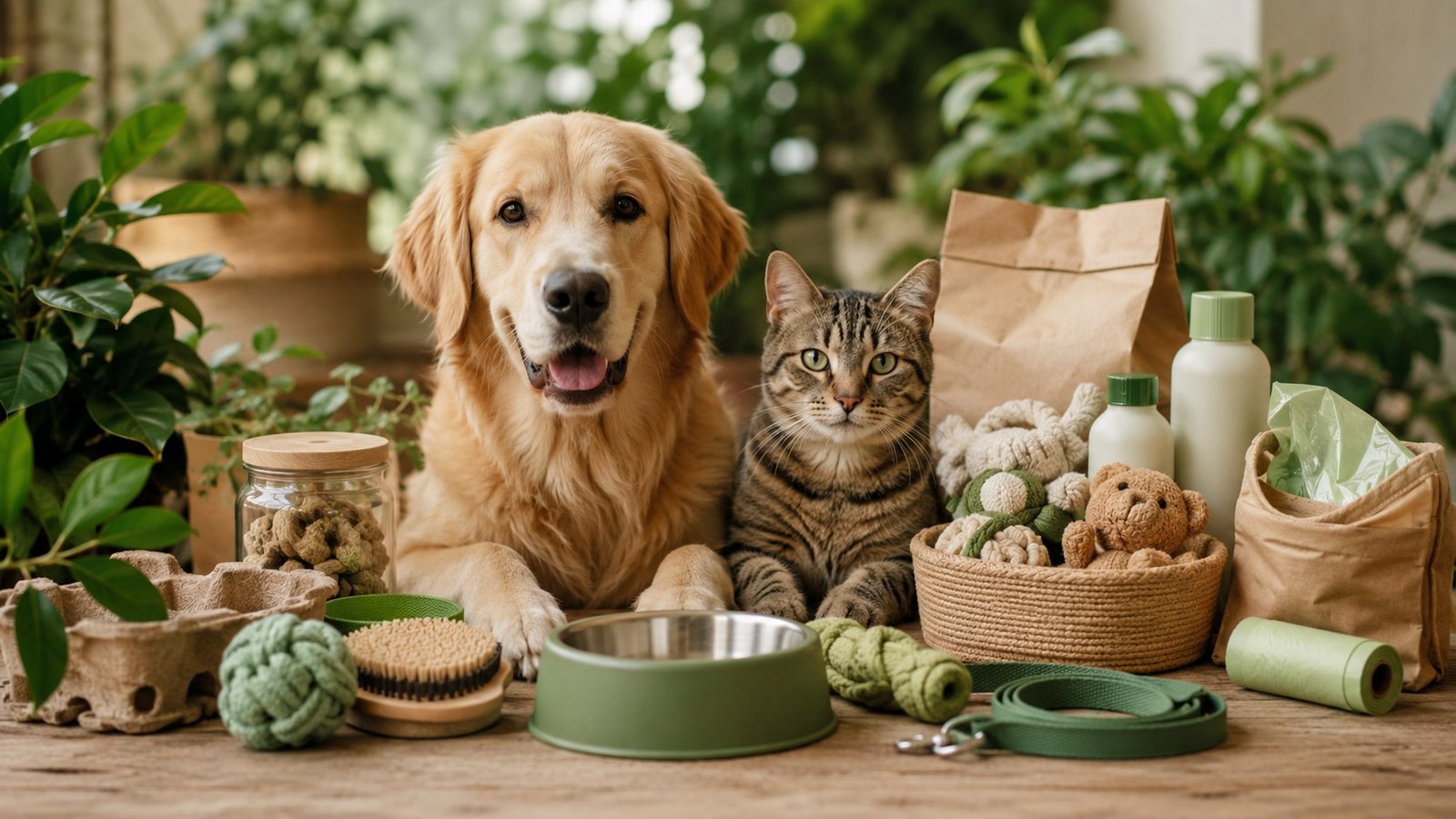
Pet owners are paying closer attention to the environmental impact of the products they buy. In 2026, sustainable pet care is no longer a niche trend—it has become a major part of the global pet industry. From biodegradable poop bags to recycled pet beds and low-carbon pet food, eco-friendly pet products are reshaping how people care for dogs, cats, and other companion animals.
This guide explores the biggest sustainable pet product trends in 2026, how these products work, what makes them eco-friendly, and how pet owners can make smarter purchasing decisions without sacrificing quality or convenience.
In This Article
What Are Sustainable & Eco-Friendly Pet Products?
Sustainable pet products are items designed to reduce environmental harm throughout their lifecycle. That includes:
- Manufacturing
- Packaging
- Transportation
- Product use
- Disposal or recycling
Eco-friendly pet products often use:
- Recycled materials
- Renewable resources
- Biodegradable ingredients
- Non-toxic components
- Minimal packaging
- Ethical production methods
The goal is to reduce waste, pollution, and resource consumption while still meeting pets’ everyday needs.
Examples of Sustainable Pet Products
| Product Type | Eco-Friendly Alternative |
| Plastic pet toys | Hemp, natural rubber, recycled fabric toys |
| Traditional cat litter | Plant-based or biodegradable litter |
| Synthetic pet beds | Recycled polyester or organic cotton beds |
| Disposable pee pads | Washable reusable pads |
| Plastic food bowls | Bamboo fiber or stainless steel bowls |
| Conventional treats | Sustainably sourced or insect-protein treats |
Why Sustainability Matters in the Pet Industry
The global pet industry generates significant waste each year. Common environmental concerns include:
- Single-use plastic packaging
- Non-biodegradable toys and accessories
- Chemical-heavy grooming products
- Resource-intensive meat production
- Fast-consumption pet accessories
Many conventional pet products are designed for convenience rather than long-term sustainability. Cheap materials often wear out quickly, leading to frequent replacement.
Eco-friendly alternatives aim to solve several problems at once:
- Reduce landfill waste
- Lower carbon emissions
- Improve product durability
- Minimize toxic chemical exposure
- Encourage responsible manufacturing
For many pet owners, sustainability also aligns with broader lifestyle choices like zero-waste living, ethical shopping, and reducing household plastic use.
Top Sustainable Pet Product Trends in 2026
1. Recycled and Upcycled Pet Products
One of the biggest trends in 2026 is the use of recycled materials in pet accessories.
Manufacturers are transforming discarded materials into:
- Dog collars
- Leashes
- Pet beds
- Carriers
- Toys
- Clothing
Common recycled materials include:
- Ocean-bound plastic
- Recycled PET bottles
- Repurposed denim
- Reclaimed cotton
- Upcycled fabric scraps
Why It’s Trending
Consumers increasingly want products that reduce waste without compromising durability.
Recycled pet products also help reduce demand for virgin plastic and synthetic textiles.
Benefits
- Diverts waste from landfills
- Often highly durable
- Reduces raw material consumption
- Supports circular economy practices
Potential Drawbacks
- Some recycled fabrics may still contain synthetic fibers
- Quality varies between brands
2. Biodegradable Dog Poop Bags
Plastic waste from pet waste disposal remains a major issue. In 2026, biodegradable and compostable poop bags continue gaining popularity.
These bags are typically made from:
- Cornstarch blends
- Plant polymers
- Compostable bioplastics
Important Distinction: Biodegradable vs Compostable
Many pet owners confuse the two.
| Term | Meaning |
| Biodegradable | Breaks down eventually under certain conditions |
| Compostable | Breaks down into natural material in composting environments |
Certified compostable bags are generally considered the better environmental option.
What to Look For
Choose bags certified under recognized compostability standards such as:
- ASTM D6400
- EN 13432
Avoid products with vague “eco” claims that lack certification.
3. Plant-Based and Sustainable Pet Food
Pet food has one of the largest environmental footprints in the pet industry due to meat production and packaging waste.
In 2026, sustainable pet nutrition is evolving rapidly through:
- Insect protein formulas
- Responsibly sourced fish
- Human-grade surplus ingredients
- Plant-inclusive diets
- Alternative proteins
Insect Protein Is Expanding
Black soldier fly larvae protein has become particularly popular because it requires:
- Less land
- Less water
- Fewer greenhouse gas emissions
Compared to traditional livestock farming.
Are Sustainable Pet Foods Safe?
Reputable brands formulate products to meet nutritional guidelines for pets. Dogs may adapt more easily to alternative proteins than cats, which are obligate carnivores and require carefully balanced nutrition.
Pet owners should always:
- Read ingredient labels carefully
- Consult veterinarians before major dietary changes
- Transition foods gradually
4. Natural and Non-Toxic Pet Toys
Traditional pet toys may contain questionable dyes, glues, or plastics.
Eco-conscious buyers in 2026 are seeking toys made from:
- Natural rubber
- Organic cotton
- Hemp
- Wool felt
- Untreated wood
Why Natural Toys Matter
Pets frequently chew, lick, and carry toys in their mouths. Non-toxic materials help reduce exposure to unnecessary chemicals.
Durability also matters. Cheap toys that break quickly create more waste and may become safety hazards.
Best Uses
Natural toys work especially well for:
- Light to moderate chewers
- Interactive play
- Enrichment activities
Heavy chewers may still require tougher materials.
5. Eco-Friendly Cat Litter
Cat litter is another major sustainability concern.
Clay-based litter is commonly mined through strip mining, which has significant environmental impacts.
In 2026, many cat owners are switching to biodegradable litter made from:
- Wood
- Corn
- Wheat
- Coconut husks
- Grass
- Recycled paper
Benefits of Sustainable Cat Litter
- Often biodegradable
- Lower dust levels
- Renewable materials
- Reduced mining impact
Common Challenges
Some eco-friendly litters:
- Track more easily
- Clump differently
- Require gradual transition for picky cats
Testing several varieties may help find the best fit.
6. Refillable and Waterless Grooming Products
Pet grooming is becoming more environmentally conscious through:
- Refillable shampoo systems
- Shampoo bars
- Waterless foams
- Concentrated formulas
These products help reduce:
- Plastic packaging
- Water use
- Shipping emissions
Ingredients Pet Owners Prefer
Many eco-friendly grooming products avoid:
- Sulfates
- Parabens
- Artificial fragrances
- Harsh detergents
Instead, they may include:
- Oatmeal
- Aloe vera
- Coconut-derived cleansers
7. Sustainable Pet Bedding
Pet beds often contain foam, polyester stuffing, and synthetic fabrics that are difficult to recycle.
Eco-friendly pet beds in 2026 commonly feature:
- Recycled polyester filling
- Organic cotton covers
- Natural latex
- Washable modular components
Why Modular Designs Are Growing
Some newer designs allow owners to replace only worn-out covers or inserts instead of throwing away the entire bed.
This reduces long-term waste and saves money over time.
8. Smart Durable Products That Reduce Waste
Sustainability is not only about materials. Durability also matters.
Long-lasting products reduce replacement frequency and overall consumption.
Popular durable eco-conscious products include:
- Heavy-duty stainless steel bowls
- Reinforced hemp leashes
- Modular scratching posts
- Repairable harness systems
Consumers are increasingly prioritizing quality over disposable convenience.
How to Identify Truly Eco-Friendly Pet Products
Greenwashing remains a major issue in 2026. Some brands use vague environmental marketing without meaningful sustainability practices.
Signs of Legitimate Sustainability
Look for:
- Transparent sourcing information
- Third-party certifications
- Recyclable packaging
- Detailed material disclosures
- Ethical manufacturing statements
Helpful Certifications
| Certification | What It Indicates |
| FSC | Responsibly sourced wood/paper |
| GOTS | Organic textile standards |
| OEKO-TEX | Tested for harmful substances |
| USDA Organic | Organic agricultural ingredients |
| Cradle to Cradle | Sustainable product lifecycle standards |
Red Flags
Be cautious of products labeled only as:
- “Natural”
- “Green”
- “Eco”
- “Earth-friendly”
Without explanation or certification.
Common Mistakes Pet Owners Make
Buying Cheap “Eco” Products That Don’t Last
A poorly made sustainable product that needs replacing frequently may create more waste overall.
Durability is a key part of sustainability.
Ignoring Product Safety
Natural does not automatically mean safe.
Always verify:
- Material safety
- Chew resistance
- Ingredient quality
- Appropriate use for your pet’s size and behavior
Switching Foods Too Quickly
Sustainable pet foods still require gradual dietary transition.
Rapid changes can cause digestive upset.
Overlooking Packaging Waste
Some brands market sustainable ingredients while using excessive plastic packaging.
Evaluate the full product lifecycle, not just one feature.
Best Practices for Sustainable Pet Ownership
Choose Fewer, Higher-Quality Products
Instead of frequently replacing low-cost items, invest in durable essentials.
Prioritize Reusables
Reusable products often reduce waste dramatically over time.
Examples include:
- Washable pee pads
- Refillable grooming containers
- Durable feeding accessories
Repair Instead of Replace
Some pet gear can be repaired rather than discarded.
Check whether manufacturers offer:
- Replacement parts
- Refill systems
- Repair kits
Recycle Responsibly
Not all pet product materials are curbside recyclable.
Review local recycling guidelines carefully.
Donate Usable Pet Supplies
Unused or gently used items may help:
- Animal shelters
- Rescue organizations
- Foster programs
Are Sustainable Pet Products More Expensive?
Eco-friendly pet products often cost more upfront, but many provide better long-term value due to durability and reusable designs.
Cost Comparison Example
| Product | Lower-Cost Conventional Option | Sustainable Alternative |
| Pee pads | Disposable pads replaced weekly | Washable reusable pads |
| Dog bed | Cheap foam bed replaced yearly | Durable modular recycled bed |
| Toys | Thin plastic toys | Long-lasting natural rubber toys |
In many cases, sustainable products reduce replacement frequency and waste simultaneously.
Sustainable Pet Products for Different Types of Pets
Dogs
Popular sustainable dog products include:
- Compostable waste bags
- Hemp collars
- Natural chew toys
- Insect-protein treats
- Recycled beds
Cats
Eco-friendly cat trends include:
- Biodegradable litter
- Cardboard scratchers
- Recycled climbing furniture
- Stainless steel bowls
Small Pets
Rabbit, guinea pig, and hamster owners are increasingly using:
- Paper-based bedding
- Natural wood enrichment toys
- Refillable hay storage systems
Birds
Bird owners are moving toward:
- Natural fiber perches
- Stainless steel feeding accessories
- Chemical-free enrichment toys
Quick Summary
| Trend | Main Benefit |
| Recycled accessories | Reduces plastic waste |
| Compostable poop bags | Minimizes landfill impact |
| Sustainable pet food | Lowers environmental footprint |
| Natural toys | Reduces chemical exposure |
| Biodegradable litter | Avoids strip-mined clay |
| Refillable grooming products | Cuts packaging waste |
| Durable modular gear | Reduces replacement frequency |
The Future of Eco-Friendly Pet Care
Several emerging developments are likely to shape sustainable pet care beyond 2026:
- Closed-loop recycling systems for pet packaging
- Carbon-neutral pet food manufacturing
- Subscription refill systems
- Biodegradable smart pet tech accessories
- Greater transparency through QR-based sourcing information
Consumers are becoming more informed and selective, pushing brands toward stronger environmental accountability.
Regulatory pressure around packaging waste and sustainability claims may also increase in coming years.
FAQ About Sustainable & Eco-Friendly Pet Products
What makes a pet product eco-friendly?
Eco-friendly pet products are typically made with sustainable materials, reduced packaging, ethical manufacturing practices, or biodegradable and recyclable components.
Are sustainable pet products safe for pets?
Many are very safe, especially products made with non-toxic materials. However, pet owners should still evaluate durability, ingredient safety, and suitability for their pet’s behavior and size.
Is biodegradable cat litter better for the environment?
Biodegradable litter generally has a lower environmental impact than traditional clay litter because it uses renewable materials and avoids strip mining.
Do eco-friendly pet products cost more?
Some products have higher upfront costs, but reusable and durable items may save money over time by reducing replacements.
Can dogs eat sustainable or insect-based pet food safely?
Many insect-based dog foods are nutritionally balanced and safe when formulated by reputable manufacturers. Consult a veterinarian before making major dietary changes.
How can I avoid greenwashing when shopping for pet products?
Look for certifications, transparent sourcing details, detailed material information, and evidence-based sustainability claims rather than vague marketing language.
Final Thoughts on Sustainable & Eco-Friendly Pet Products Trending in 2026
Sustainable pet ownership in 2026 is about making smarter, more responsible choices—not achieving perfection. Eco-friendly pet products continue evolving as manufacturers improve materials, packaging, durability, and transparency.
The most effective approach is often gradual:
- Replace disposable items with reusable alternatives
- Prioritize durable products
- Choose safer materials
- Support transparent brands
- Reduce unnecessary consumption
Small improvements across everyday pet care routines can significantly reduce environmental impact over time while still keeping pets healthy, comfortable, and enriched.

Passionate about pets and animal care, we shares trusted tips, fun facts, and practical advice to help pet lovers give their furry, feathered, and scaly companions the best life possible. From everyday care guides to fascinating animal insights, we’re dedicated to making pet information easy, helpful, and enjoyable for every reader.
1 thought on “Sustainable & Eco-Friendly Pet Products Trending in 2026”