
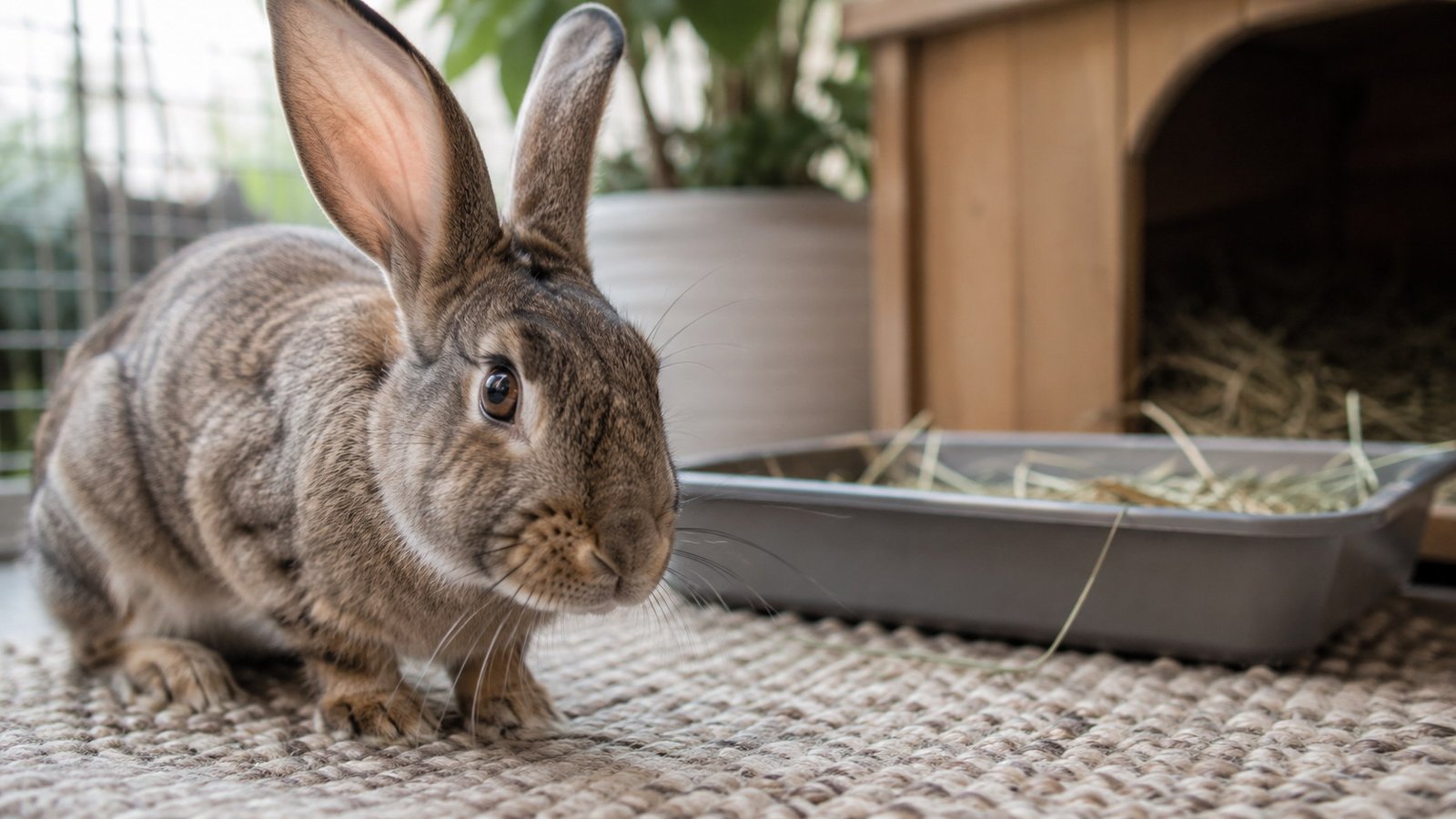
Jackrabbit urine smell can be surprisingly strong, especially when urine accumulates in bedding, carpets, or enclosed living spaces. Whether you’re caring for a pet rabbit or dealing with rabbit urine odors around a rabbit enclosure, understanding the cause of the smell is the first step toward eliminating it effectively.
Many owners worry that a strong urine odor automatically means something is wrong with their rabbit. In reality, several factors can influence how rabbit urine smells, including diet, hydration, cleaning habits, hormones, and overall health. Some odors are completely normal, while others may signal a problem that requires attention.
This guide explains why jackrabbit urine smell can become so noticeable, what causes odor problems, when to be concerned, and how to keep your rabbit’s environment fresh and healthy.
In This Article
Why Does Jackrabbit Urine Smell So Strong?
Rabbit urine naturally contains minerals, waste products, and compounds that can produce a distinct odor. Unlike many other small pets, rabbits often release urine with a higher concentration of calcium and other substances, which can make the smell seem stronger.
Odor intensity varies from rabbit to rabbit. Some owners barely notice it, while others find it overwhelming, particularly when cleaning routines fall behind.
Understanding the Natural Composition of Rabbit Urine
Healthy rabbit urine can range in color from pale yellow to dark orange, depending on hydration levels and diet. The urine contains:
- Urea and ammonia-producing compounds
- Excess minerals, especially calcium
- Natural waste products filtered by the kidneys
- Pigments from certain vegetables and plants
When urine sits for several hours, bacteria begin breaking down urea into ammonia. This process creates the sharp smell many owners associate with rabbit urine.
Fresh urine usually smells much milder than old urine.
Why Urine Odor Becomes More Noticeable Indoors
Indoor environments tend to trap odors. Poor airflow allows ammonia gases to build up, making the smell seem much stronger than it actually is.
Common situations that amplify odor include:
- Small or enclosed rabbit habitats
- Dirty litter boxes
- Damp bedding materials
- Carpets or fabrics that absorb urine
- Limited room ventilation
A single accident on a carpet can continue releasing odor long after the surface appears dry.
Factors That Influence Odor Intensity
Several everyday factors affect how strong jackrabbit urine smell becomes.
| Factor | Effect on Urine Odor |
| Hydration | Concentrated urine smells stronger |
| Diet | Certain vegetables may alter odor |
| Age | Older rabbits may have different urine characteristics |
| Hormones | Unneutered rabbits often produce stronger-smelling urine |
| Cleaning Frequency | Old urine generates more ammonia |
Hydration is one of the biggest factors. Rabbits that drink plenty of water typically produce more diluted urine with less noticeable odor.
Is Jackrabbit Urine Smell Normal or a Sign of a Problem?
Most rabbit urine odors are completely normal. Healthy rabbits naturally produce urine with a distinctive scent that owners quickly learn to recognize.
The challenge is knowing when an odor crosses the line from normal to concerning.
What a Typical Urine Odor Should Smell Like
Normal rabbit urine may have:
- A mild earthy scent
- A slightly musky odor
- A noticeable but not overwhelming smell
- Temporary odor changes after certain foods
Fresh urine should not create an intensely foul smell throughout an entire room.
When Strong-Smelling Urine May Indicate Health Concerns
A sudden change in urine odor can sometimes point to an underlying health issue.
Possible causes include:
- Urinary tract infections
- Bladder inflammation
- Kidney problems
- Severe dehydration
- Dietary imbalances
Pay attention if odor changes occur alongside other symptoms.
Signs That Warrant a Veterinary Examination
Contact a rabbit-savvy veterinarian if you notice:
- Blood in the urine
- Difficulty urinating
- Frequent straining
- Loss of appetite
- Lethargy
- Excessive thirst
- Extremely foul-smelling urine that persists
Strong odor alone is not always a medical emergency, but odor combined with behavioral changes should never be ignored.
For reliable rabbit health information, owners can consult the rabbit care resources provided by House Rabbit Society.
Common Reasons Jackrabbit Urine Smell Gets Worse
Many odor problems are caused by environmental factors rather than health issues. Identifying the source helps solve the problem much faster.
Urine-Soaked Bedding and Litter Buildup
Old bedding is often the biggest culprit.
Urine trapped in absorbent materials continues producing ammonia long after it has dried. Even a clean-looking enclosure may hide odor-producing moisture beneath the surface.
Signs bedding needs replacement include:
- Damp spots
- Yellow staining
- Persistent ammonia smell
- Increased rabbit avoidance of litter areas
Poor Ventilation Around the Enclosure
Air circulation plays a huge role in odor control.
Enclosures placed in corners, closets, or poorly ventilated rooms tend to develop stronger odors because ammonia remains trapped.
Improving airflow can significantly reduce noticeable smells without changing anything else.
Dehydration and Concentrated Urine
Rabbits that consume less water produce more concentrated urine.
Concentrated urine contains higher levels of waste products and ammonia-forming compounds, making odors stronger and more persistent.
Encouraging water intake may help by:
- Providing fresh water daily
- Offering both bowls and bottles
- Feeding moisture-rich leafy greens
- Keeping water containers clean
Hormonal Behaviors in Unneutered Rabbits
Unneutered rabbits frequently use urine for territorial marking.
This behavior can create stronger odors because rabbits intentionally spray urine on surfaces, walls, and objects.
Many owners notice significant odor reduction after spaying or neutering, along with improvements in litter habits.
Infrequent Habitat Cleaning
Even healthy rabbits can create odor problems if cleaning schedules are inconsistent.
A practical cleaning routine includes:
- Spot-cleaning litter boxes daily
- Replacing bedding regularly
- Washing food and water containers
- Deep-cleaning enclosures weekly
- Removing urine accidents immediately
Consistent cleaning prevents odors from becoming embedded in surfaces, which is much easier than trying to remove old urine smells later.
How to Remove Jackrabbit Urine Smell From Carpets, Floors, and Furniture
Rabbit urine can soak deep into porous materials, making the odor difficult to remove with ordinary cleaning products. Many owners are surprised when a cleaned area still smells days later. This happens because the odor-causing compounds remain trapped below the surface.
Step-by-Step Cleaning Process
Removing jackrabbit urine smell effectively requires more than simply wiping up the mess.
Follow these steps:
- Blot fresh urine immediately using paper towels or a clean cloth.
- Avoid rubbing, which can spread urine deeper into fibers.
- Rinse the area lightly with water if the accident is fresh.
- Apply an enzyme-based pet cleaner according to the manufacturer’s instructions.
- Allow the cleaner to sit for the recommended contact time.
- Blot excess moisture and let the area air dry completely.
Patience matters. Enzyme cleaners need time to break down odor-causing compounds.
Why Ordinary Household Cleaners Often Fail
Many common cleaners temporarily mask odors without eliminating the source.
Products that simply add fragrance may leave the urine compounds intact. Once the fragrance fades, the unpleasant smell often returns.
Common cleaning mistakes include:
- Using scented sprays only
- Scrubbing aggressively
- Applying too little cleaner
- Not allowing enough drying time
- Repeatedly wetting the area
Using Enzyme-Based Cleaners Effectively
Enzyme cleaners are among the most effective solutions for rabbit urine odors.
These products work by breaking down organic compounds rather than covering them up.
For best results:
- Saturate the affected area thoroughly
- Follow label directions carefully
- Allow complete drying
- Repeat treatment if needed for older stains
Deep-set urine stains may require multiple applications before odors disappear completely.
Preventing Lingering Odors From Returning
Even after cleaning, lingering odors can resurface if hidden urine remains.
Check areas such as:
- Under furniture
- Carpet padding
- Baseboards
- Fabric-covered pet accessories
- Cage corners
A thorough inspection often reveals overlooked spots contributing to persistent odor issues.
The Best Cleaning Products for Jackrabbit Urine Smell
Not all pet cleaning products perform equally. Choosing the right cleaner can save time, money, and frustration.
Features to Look for in a Pet-Safe Odor Remover
An effective rabbit-safe cleaner should:
- Neutralize odors instead of masking them
- Be non-toxic after drying
- Leave minimal residue
- Work on multiple surfaces
- Be safe around sensitive respiratory systems
Always read labels before using any product near rabbits.
Enzyme Cleaners vs. Deodorizing Sprays
The differences are significant.
| Product Type | How It Works | Effectiveness |
| Enzyme Cleaner | Breaks down urine compounds | Excellent |
| Deodorizing Spray | Covers odor with fragrance | Temporary |
| Vinegar Solution | Neutralizes some odors | Moderate |
| Air Freshener | Masks smells in the air | Short-term |
Enzyme cleaners generally provide the most reliable long-term results.
Cleaning Products to Avoid Around Rabbits
Rabbits have sensitive respiratory systems.
Avoid products containing:
- Strong ammonia
- Bleach fumes
- Heavy fragrances
- Phenol-based disinfectants
- Aerosol sprays used directly around rabbits
Improper cleaning products can cause irritation and discomfort.
Safety Tips When Disinfecting Rabbit Areas
Protect your rabbit by following a few simple precautions:
- Remove the rabbit before deep cleaning.
- Allow surfaces to dry fully before reintroduction.
- Rinse surfaces if product instructions recommend it.
- Ensure good ventilation during cleaning.
- Store cleaning products securely.
A clean environment should never come at the expense of your rabbit’s safety.
Jackrabbit Urine Smell in Cages and Hutches: Fast Solutions That Work
When odors seem strongest around the enclosure, the problem usually stems from routine maintenance issues rather than the rabbit itself.
Small changes can dramatically improve odor control.
Daily Maintenance Habits
Daily care prevents odors from building to overwhelming levels.
Helpful habits include:
- Removing heavily soiled bedding
- Emptying litter boxes as needed
- Wiping urine splashes
- Checking corners for hidden moisture
- Refreshing water sources
Many owners find that just five minutes of daily maintenance makes a noticeable difference.
Deep-Cleaning Routines for Indoor and Outdoor Enclosures
Routine deep cleaning removes accumulated residue that daily maintenance may miss.
A typical weekly deep-cleaning routine includes:
- Remove all bedding and litter.
- Wash trays and litter boxes.
- Scrub surfaces with rabbit-safe cleaners.
- Rinse thoroughly if required.
- Dry completely before adding fresh bedding.
Outdoor hutches may require more frequent cleaning during warm or humid weather because bacteria multiply faster.
Choosing Absorbent Bedding Materials
The right bedding can significantly reduce jackrabbit urine smell.
Good options include:
- Paper-based bedding
- Recycled paper pellets
- Aspen shavings (rabbit-safe varieties)
- Compressed paper litter products
Avoid bedding materials that remain damp for long periods, as moisture encourages odor development.
How Often Litter Boxes Should Be Cleaned
Cleaning frequency depends on:
- Number of rabbits
- Box size
- Bedding type
- Rabbit habits
General guidelines:
| Cleaning Task | Recommended Frequency |
| Remove wet spots | Daily |
| Refresh litter | Every 1–3 days |
| Wash litter box | Weekly |
| Deep-clean enclosure | Weekly |
Consistent litter box maintenance is one of the most effective ways to keep jackrabbit urine smell under control. Many persistent odor complaints can be traced back to litter areas that are not being cleaned often enough.
Can Diet Affect Jackrabbit Urine Smell?
Many rabbit owners focus on cleaning when trying to reduce odors, but diet can also play a surprisingly important role. What a rabbit eats and drinks directly affects urine concentration, composition, and smell.
A healthy diet won’t completely eliminate rabbit urine odor, but it can help prevent unusually strong smells.
The Connection Between Hydration and Urine Concentration
Hydration is one of the biggest factors influencing urine odor.
When rabbits drink enough water, their urine becomes more diluted. Diluted urine typically contains lower concentrations of waste products, resulting in a less intense smell.
Signs your rabbit may need more hydration include:
- Darker urine color
- Stronger urine odor
- Dry droppings
- Reduced water consumption
Ways to encourage drinking:
- Provide fresh water at all times
- Clean water bowls daily
- Offer leafy greens with high moisture content
- Keep water cool and appealing
Well-hydrated rabbits generally produce less pungent urine than dehydrated rabbits.
Foods That May Influence Urine Odor
Certain foods can temporarily affect how rabbit urine smells.
Some examples include:
- Kale
- Parsley
- Dandelion greens
- Mustard greens
- Certain herbs
Changes in odor after introducing a new vegetable are often harmless if your rabbit remains healthy and active.
Keep in mind that every rabbit responds differently. One rabbit may experience noticeable odor changes while another shows no difference at all.
The Role of Hay, Fresh Greens, and Balanced Nutrition
A balanced rabbit diet supports overall urinary health.
An ideal diet typically includes:
- Unlimited high-quality grass hay
- Fresh leafy greens
- Fresh water
- Limited rabbit pellets
- Occasional healthy treats
Hay is especially important because it supports digestion, hydration habits, and overall wellness.
Poor nutrition can contribute to health issues that may eventually affect urine quality and odor.
Related Rabbit Care Topic: Nutrition and Hydration Matter
Owners dealing with persistent jackrabbit urine smell should evaluate more than just cleaning habits.
Questions worth asking include:
- Is my rabbit drinking enough water?
- Is the diet primarily hay-based?
- Have I recently changed foods?
- Are vegetables being offered appropriately?
Small nutritional improvements can sometimes produce noticeable odor improvements over time.
Mistakes That Make Jackrabbit Urine Odor Harder to Eliminate
Many odor problems persist because of common cleaning and management mistakes. Even dedicated rabbit owners can unintentionally make the situation worse.
Avoiding these mistakes can save considerable time and frustration.
Covering Odors Instead of Removing Them
One of the most common mistakes is trying to mask odors with fragrances.
Products such as:
- Air fresheners
- Scented candles
- Fabric sprays
- Perfumed room deodorizers
may temporarily improve the smell of a room but do little to address the actual source.
Odor removal is far more effective than odor concealment.
Using Ammonia-Based Cleaners
This mistake often surprises rabbit owners.
Rabbit urine naturally produces ammonia as it breaks down. Using ammonia-containing cleaners can actually reinforce urine-related odors and may even encourage some rabbits to remark the area.
Safer alternatives include:
- Enzyme cleaners
- Rabbit-safe disinfectants
- Diluted vinegar solutions for certain surfaces
Delaying Cleanup After Accidents
Fresh urine is much easier to remove than old urine.
When accidents sit for hours or days:
- Odors become stronger
- Stains set deeper
- Bacteria multiply
- Cleaning becomes more difficult
Quick action significantly improves odor-control success.
Overlooking Hidden Urine Spots
Many recurring odor problems come from missed areas.
Common hiding places include:
- Under litter boxes
- Behind cages
- Beneath rugs
- Furniture legs
- Baseboards
- Corners where rabbits frequently mark
If a room still smells despite repeated cleaning, a hidden urine spot is often the culprit.
Jackrabbit Urine Smell vs. Other Rabbit Odors: Knowing the Difference
Not every unpleasant smell around a rabbit comes from urine. Understanding the source helps owners choose the correct solution.
Urine Odor Compared With Scent Marking
Rabbits communicate using scent.
Urine marking often occurs when rabbits:
- Reach sexual maturity
- Feel territorial
- Encounter new pets
- Experience environmental changes
Marked areas usually produce localized odors and may appear as small urine sprays on vertical surfaces.
Spaying and neutering frequently reduce this behavior.
Feces, Dirty Bedding, and Gland-Related Smells
Several other sources can create unpleasant odors.
| Odor Source | Typical Characteristics |
| Urine | Sharp, ammonia-like smell |
| Dirty Bedding | Musty, stale odor |
| Feces | Mild earthy smell when healthy |
| Scent Glands | Strong musky odor |
| Wet Fur | Sour or damp smell |
Healthy rabbit droppings usually produce very little odor. Strong smells are more commonly associated with urine buildup, dirty living conditions, or scent glands that need attention.
Identifying the True Source of Unpleasant Odors
Before assuming jackrabbit urine smell is the problem, perform a quick inspection.
Check:
- Litter boxes
- Bedding materials
- Fur around the hindquarters
- Cage corners
- Food storage areas
- Scent glands if recommended by your veterinarian
Identifying the exact source often reveals a simpler solution than expected.
Why Accurate Odor Identification Matters
Treating the wrong problem wastes time and effort.
For example:
- Cleaning carpets won’t help if the smell comes from soiled bedding.
- Air fresheners won’t solve urine-soaked padding.
- Deep-cleaning the cage won’t fix a rabbit with a urinary health issue.
The most effective odor-control strategy starts with understanding exactly where the smell is coming from and why it developed in the first place.
How Grooming and Habitat Care Help Reduce Jackrabbit Urine Smell
Cleaning the enclosure is important, but grooming and daily habitat care also play a major role in controlling odors. A rabbit that stays clean and dry is less likely to carry urine smells on its fur or spread odors throughout its living space.
Keeping Fur Clean and Dry
Healthy rabbits are excellent self-groomers, but they can still develop urine-related odor problems.
Urine may collect on the fur when:
- Litter boxes are too small
- Bedding stays damp
- The rabbit is overweight
- Mobility becomes limited with age
- Health issues affect grooming habits
Regularly inspecting the hindquarters helps catch problems before odors become severe.
Preventing Urine Staining on the Coat
Urine stains are not only unsightly but can also trap odors close to the rabbit’s body.
To minimize staining:
- Keep litter boxes clean
- Use highly absorbent litter
- Trim heavily soiled fur when necessary
- Monitor older rabbits for mobility issues
- Seek veterinary advice if urine scald develops
Never give a full bath unless specifically instructed by a veterinarian. Rabbits can become stressed and may suffer serious complications from improper bathing.
Maintaining a Clean Living Environment
A clean habitat supports both odor control and overall health.
Focus on:
- Dry bedding
- Proper ventilation
- Clean litter areas
- Fresh food and water
- Routine deep cleaning
Many odor issues improve significantly when grooming and habitat maintenance work together.
Related Rabbit Care Topic: Grooming and Hygiene
Owners who maintain regular grooming routines often notice:
- Less odor buildup
- Cleaner fur
- Reduced urine staining
- Easier health monitoring
Routine grooming also provides an opportunity to check for skin irritation, parasites, injuries, or other concerns that may require attention.
Myths and Facts About Jackrabbit Urine Smell
Rabbit urine odors are often misunderstood. Separating fact from fiction helps owners make better care decisions.
Myth: Strong Urine Odor Always Means Illness
Fact: Strong urine odor is frequently caused by concentrated urine, dirty bedding, or inadequate cleaning rather than disease.
Health concerns become more likely when odor changes are accompanied by symptoms such as appetite loss, lethargy, or difficulty urinating.
Myth: Air Fresheners Solve the Problem
Fact: Air fresheners only mask smells temporarily.
The source of the odor remains present until urine residues are properly removed.
Myth: Rabbits Naturally Smell Bad
Fact: Healthy rabbits are generally very clean animals.
Persistent odors usually result from:
- Dirty habitats
- Soiled bedding
- Urine accumulation
- Health issues
- Poor ventilation
A properly cared-for rabbit should not make an entire room smell unpleasant.
Fact: Proper Cleaning Removes Odor at the Source
Cleaning methods matter.
Removing urine compounds with effective cleaning products is far more successful than simply covering odors.
Fact: Diet and Hydration Play Important Roles
Many owners overlook the connection between nutrition and odor.
Adequate hydration and a balanced rabbit diet can help support healthier urine production and reduce excessive odor intensity.
Frequently Asked Questions About Jackrabbit Urine Smell
How long does jackrabbit urine smell last?
Fresh urine may lose much of its odor within hours if cleaned promptly. Urine that soaks into carpets, wood, or fabric can continue producing odors for weeks or even months until properly treated with an enzyme cleaner.
What neutralizes rabbit urine odor naturally?
White vinegar can help reduce certain urine odors on hard surfaces. However, enzyme-based cleaners generally provide more complete odor removal because they break down the organic compounds causing the smell.
Why does rabbit urine sometimes smell stronger than usual?
Changes in hydration, diet, hormonal activity, litter box cleanliness, and environmental conditions can all affect urine odor. Sudden odor changes accompanied by illness symptoms should be evaluated by a veterinarian.
Can rabbit urine permanently damage carpets?
Yes. If urine penetrates carpet fibers and padding, staining and odor can become long-term issues. Prompt cleaning greatly reduces the risk of permanent damage.
Are enzyme cleaners safe around rabbits?
Many pet-safe enzyme cleaners are safe when used according to label instructions. Allow treated areas to dry completely before allowing your rabbit access.
Does spaying or neutering help reduce jackrabbit urine smell?
In many cases, yes. Spaying and neutering often reduce territorial urine marking behaviors, which can significantly decrease odor problems in the home.
Why does my rabbit smell even after I clean the cage?
Hidden urine spots, soiled carpeting, damp bedding, urine-stained fur, or inadequate ventilation may be contributing to lingering odors. A thorough inspection can help identify the source.
Creating a Long-Term Odor-Free Environment for Rabbits
Managing jackrabbit urine smell isn’t about finding a single miracle product. Long-term success comes from combining good cleaning habits, proper nutrition, regular grooming, and attentive rabbit care.
A simple routine of daily litter maintenance, weekly deep cleaning, fresh water availability, and regular health monitoring can dramatically reduce odor problems while improving your rabbit’s quality of life.
Pay attention to changes in urine odor, behavior, or litter habits, as these can sometimes provide early clues about health concerns. When in doubt, consult a rabbit-experienced veterinarian to ensure everything is normal.
A clean, well-maintained environment benefits both you and your rabbit. Start with the practical tips in this guide, stay consistent with care routines, and you’ll be well on your way to a fresher-smelling home and a happier, healthier rabbit.

Passionate about pets and animal care, we shares trusted tips, fun facts, and practical advice to help pet lovers give their furry, feathered, and scaly companions the best life possible. From everyday care guides to fascinating animal insights, we’re dedicated to making pet information easy, helpful, and enjoyable for every reader.