
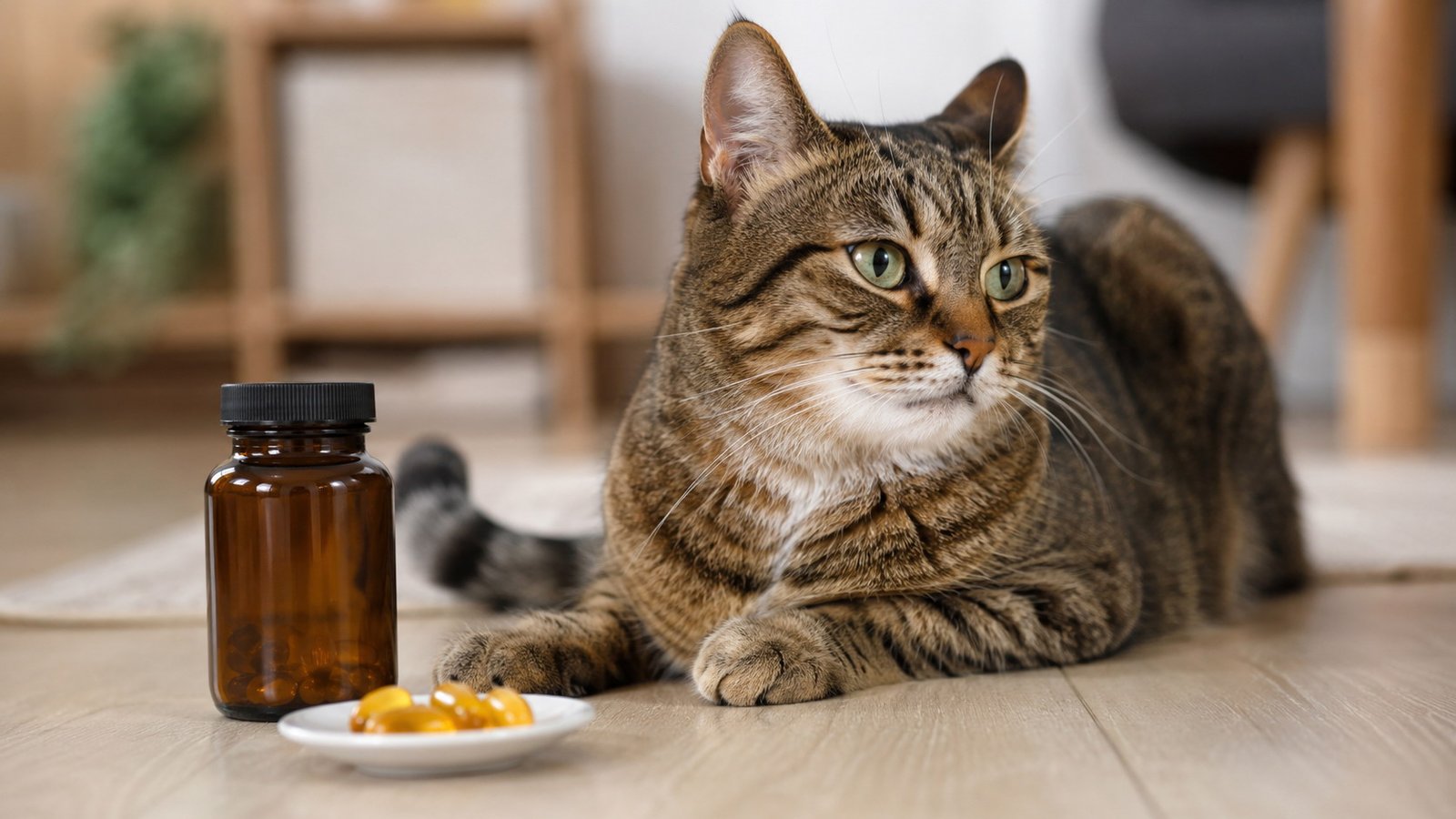
A shiny coat and healthy skin are often signs that your cat is thriving, which is why many pet owners search for the best skin and coat supplements for cats when they notice shedding, dandruff, or dull fur. While supplements can be incredibly helpful, choosing the right one requires understanding what your cat’s skin and coat actually need.
This guide explains the common causes of skin and coat problems, the ingredients that matter most, and how to identify high-quality supplements that support long-term feline health. Whether you’re dealing with dry skin, excessive shedding, or simply want your cat’s coat to look its best, you’ll learn practical solutions that can make a real difference.
In This Article
Why Your Cat’s Skin and Coat Health Matters More Than Appearance
Many cat owners focus on coat shine because it looks attractive, but skin and coat condition reveal much more than cosmetic beauty.
Healthy skin acts as a protective barrier against bacteria, allergens, parasites, and environmental irritants. Fur helps regulate body temperature and protects the skin from injury. When either system becomes compromised, your cat may experience discomfort, itching, or even more serious health issues.
The Connection Between Skin, Coat Quality, and Overall Health
A cat’s coat often reflects what’s happening inside the body. Nutritional deficiencies, chronic inflammation, digestive problems, and underlying illnesses frequently show up through changes in the skin and fur.
Common signs of a healthy coat include:
- Soft, smooth fur
- Natural shine without greasiness
- Minimal dandruff
- Consistent shedding patterns
- Healthy skin without redness
Signs that may indicate a problem include:
- Dry, flaky skin
- Excessive shedding
- Bald patches
- Dull or brittle fur
- Frequent scratching
- Red or irritated skin
Sudden changes in coat quality should never be ignored, especially if accompanied by weight loss, lethargy, or behavioral changes.
How Nutrition Influences Skin Condition and Fur Quality
Skin and fur require a constant supply of nutrients to remain healthy. Cats cannot maintain a luxurious coat without adequate protein, essential fatty acids, vitamins, and minerals.
Poor nutrition may lead to:
- Increased shedding
- Slow coat growth
- Dry skin
- Reduced shine
- Weakened skin barrier function
This is why many veterinarians recommend evaluating diet quality before relying solely on supplements.
Common Causes of Dry Skin, Dandruff, and Excessive Shedding in Cats
Before choosing the best skin and coat supplement for your cat, it’s important to understand what may be causing the issue.
Supplements can help support skin health, but they won’t solve every underlying problem.
Nutritional Deficiencies
One of the most common causes of poor coat condition is inadequate nutrition.
Cats require:
- High-quality animal protein
- Essential fatty acids
- Zinc
- B vitamins
- Vitamin E
Deficiencies can develop when cats eat low-quality diets or foods that are not nutritionally balanced.
Seasonal Changes and Indoor Environments
Many indoor cats experience skin dryness during colder months.
Factors that contribute include:
- Heated indoor air
- Low humidity
- Reduced hydration
- Seasonal shedding cycles
Pet owners often notice more dandruff during winter when indoor air becomes particularly dry.
Allergies and Food Sensitivities
Allergic reactions frequently affect the skin before other symptoms appear.
Potential triggers include:
- Certain proteins in food
- Environmental allergens
- Dust mites
- Pollen
- Household cleaning products
Cats with allergies often scratch excessively, overgroom, or develop irritated skin.
Parasites and Skin Infections
Fleas remain one of the most common causes of skin irritation in cats.
Other possible culprits include:
- Mites
- Ringworm
- Bacterial infections
- Yeast infections
No supplement can replace proper diagnosis and treatment for parasites or infections.
Age-Related Coat Changes
Senior cats sometimes develop thinner or duller coats.
Several factors contribute to this:
- Reduced nutrient absorption
- Lower activity levels
- Arthritis that limits grooming
- Age-related health conditions
Older cats may benefit from targeted nutritional support, but regular veterinary checkups remain essential.
What Makes the Best Skin and Coat Supplements for Cats?
Walk into a pet store or browse online, and you’ll find dozens of products claiming to transform your cat’s coat. Some are excellent, while others provide little measurable benefit.
Knowing what separates quality supplements from marketing hype can save both money and frustration.
Key Factors to Evaluate Before Buying
Several characteristics consistently appear in high-quality feline supplements.
Look for products that offer:
- Clearly listed active ingredients
- Appropriate dosing instructions
- Third-party quality testing
- Ingredients backed by veterinary research
- Manufacturing from reputable companies
Avoid products that make unrealistic promises such as instant results or guaranteed cures.
Ingredient Quality and Bioavailability
Not all ingredients are absorbed equally.
Bioavailability refers to how effectively your cat’s body can use a nutrient after consumption. High-quality fish oils, for example, generally provide more usable omega-3 fatty acids than lower-grade alternatives.
Important considerations include:
| Factor | Why It Matters |
| Ingredient source | Higher-quality sources often provide better absorption |
| Freshness | Oils can lose effectiveness when oxidized |
| Manufacturing standards | Reduces contamination risks |
| Proper storage | Preserves nutrient potency |
Cat-Friendly Formulations
Even the best supplement won’t help if your cat refuses to take it.
Popular options include:
- Liquid fish oils
- Soft chews
- Powders
- Capsules
- Gel formulations
Liquid supplements mixed into wet food are often easiest for picky cats.
Safety Considerations and Veterinary Recommendations
Supplements should support—not replace—proper veterinary care.
Before starting any new supplement:
- Check for existing medical conditions
- Review current medications
- Follow dosage recommendations carefully
- Monitor for digestive upset or allergic reactions
A helpful resource for understanding feline nutritional needs is the American Association of Feed Control Officials (AAFCO) nutrient guidelines.
Cats with persistent skin problems, severe itching, hair loss, or open sores should always be examined by a veterinarian before supplementation begins.
Essential Ingredients Found in the Best Skin and Coat Supplements for Cats
Not all skin and coat supplements are created equal. The most effective products contain ingredients that directly support skin hydration, reduce inflammation, and promote healthy fur growth.
Understanding what each ingredient does can help you choose a supplement that addresses your cat’s specific needs rather than relying on marketing claims alone.
Omega-3 Fatty Acids (EPA and DHA)
Omega-3 fatty acids are widely considered the gold standard for feline skin and coat support.
EPA (eicosapentaenoic acid) and DHA (docosahexaenoic acid) help:
- Reduce skin inflammation
- Improve skin hydration
- Support the natural skin barrier
- Promote a softer, shinier coat
- Decrease excessive shedding in some cats
Many veterinarians recommend omega-3 supplements for cats dealing with allergies, dry skin, or inflammatory skin conditions.
Fish-derived omega-3s are generally more beneficial for cats than plant-based sources because cats utilize marine omega-3s more efficiently.
Omega-6 Fatty Acids
Omega-6 fatty acids play a different but equally important role.
These fats help:
- Maintain skin structure
- Support skin cell growth
- Improve coat texture
- Strengthen the skin’s protective barrier
Healthy skin depends on a proper balance between omega-3 and omega-6 fatty acids. Too much of one without the other may reduce overall effectiveness.
Fish Oil and Krill Oil
Fish oil remains one of the most popular ingredients in the best skin and coat supplements for cats.
Benefits of fish oil include:
- High EPA and DHA content
- Strong research support
- Wide availability
- Easy administration
Krill oil offers similar benefits but differs slightly.
| Feature | Fish Oil | Krill Oil |
| Omega-3 Content | High | High |
| Absorption | Excellent | Potentially excellent |
| Cost | Usually lower | Usually higher |
| Antioxidants | Limited | Contains natural antioxidants |
Many cats do well with either option, provided the product is high quality and properly stored.
Biotin and B Vitamins
Biotin is frequently included in skin and coat formulas because it supports healthy skin cell production.
Benefits may include:
- Stronger fur growth
- Improved coat texture
- Better skin maintenance
Other B vitamins assist with energy metabolism and tissue repair, helping maintain healthy skin over time.
Zinc and Trace Minerals
Zinc plays a vital role in skin regeneration and wound healing.
Cats need adequate levels of:
- Zinc
- Copper
- Selenium
- Manganese
Deficiencies can contribute to poor coat quality, slow healing, and skin irritation.
Many comprehensive supplements include these minerals in balanced amounts.
Antioxidants
Skin is constantly exposed to environmental stressors that can damage cells.
Antioxidants such as vitamin E help:
- Protect skin cells from oxidative damage
- Support immune function
- Preserve healthy skin tissues
- Improve the stability of fatty acid supplements
Vitamin E is especially valuable when combined with fish oil because it helps protect delicate fats from oxidation.
When evaluating ingredients, focus on proven nutrients rather than trendy additives with limited feline research.
Best Skin and Coat Supplements for Cats: Top Categories Compared
Choosing the right category of supplement is often more important than choosing a specific brand.
Different products are designed to address different needs, and understanding these categories can make shopping much easier.
Fish Oil Supplements
Fish oil supplements are often the first recommendation for cats with skin and coat concerns.
Pros:
- Rich in EPA and DHA
- Well-studied benefits
- Suitable for many skin conditions
- Often easy to mix into food
Potential drawbacks:
- Strong odor
- Some cats dislike the taste
- Improper storage can lead to oxidation
Fish oil is frequently the best starting point for cats with dry skin, mild dandruff, or excessive shedding.
Multivitamin Skin & Coat Formulas
These products combine fatty acids with vitamins and minerals that support skin health.
Advantages include:
- Broader nutritional support
- Convenient all-in-one formula
- Helpful for cats with multiple deficiencies
Limitations include:
- Lower concentrations of certain ingredients
- May not provide enough omega-3s for specific skin concerns
These supplements work best when coat issues are linked to overall nutritional gaps.
Omega Blends
Omega blends combine several fatty acids into a single formula.
Many include:
- Omega-3
- Omega-6
- Omega-9
Potential benefits:
- Balanced fatty acid profile
- Comprehensive skin support
- Suitable for routine maintenance
Many healthy cats benefit from omega blends as part of a long-term wellness plan.
Veterinary-Specific Supplements
Some supplements are formulated specifically for cats with diagnosed skin conditions.
These products may include:
- Therapeutic omega concentrations
- Specialized anti-inflammatory ingredients
- Veterinary-formulated nutrient blends
Situations where these supplements may be beneficial include:
- Chronic allergies
- Persistent dermatitis
- Recurring skin inflammation
- Cats under veterinary treatment plans
Veterinary-specific products often provide the most targeted support but should ideally be used under professional guidance.
How to Choose the Right Supplement Based on Your Cat’s Needs
The best skin and coat supplement for one cat may not be the best choice for another.
Selecting the right product starts with identifying the primary issue you’re trying to address.
For Dry, Flaky Skin
Dry skin often responds well to increased omega-3 intake.
Look for supplements containing:
- Fish oil
- Krill oil
- Vitamin E
- Balanced fatty acids
Improving hydration and environmental humidity may also enhance results.
For Excessive Shedding
Some shedding is normal, but excessive shedding may indicate nutritional support is needed.
Helpful ingredients include:
- Omega-3 fatty acids
- Biotin
- Zinc
- B-complex vitamins
Regular brushing should accompany supplementation to help remove loose fur.
For Dull or Brittle Fur
A dull coat often reflects nutritional imbalance or poor grooming habits.
Supplements designed for coat quality commonly contain:
- Fish oil
- Biotin
- Vitamin E
- Trace minerals
Many owners notice improved shine after several weeks of consistent use.
For Senior Cats
Older cats often have unique skin and coat challenges.
Ideal supplements may include:
- Highly absorbable omega-3s
- Antioxidants
- Joint-supporting ingredients
- Comprehensive vitamin blends
Senior cats should receive regular veterinary evaluations to identify any age-related health concerns affecting coat quality.
For Cats With Allergies or Sensitivities
Allergy-prone cats often benefit from supplements that support the skin barrier and reduce inflammation.
Helpful options may include:
- High-EPA fish oils
- Veterinary-formulated allergy supplements
- Limited-ingredient products
Avoid supplements containing unnecessary fillers, artificial flavors, or ingredients your cat has reacted to previously.
Quick Supplement Selection Guide
| Primary Concern | Best Supplement Type |
| Dry skin | Fish oil or krill oil |
| Excessive shedding | Omega blend with biotin |
| Dull coat | Multivitamin skin & coat formula |
| Senior cat support | Comprehensive omega-rich supplement |
| Allergy-related skin issues | Veterinary-focused omega supplement |
If your cat develops severe itching, bald patches, skin infections, or worsening symptoms despite supplementation, schedule a veterinary examination promptly. Supplements work best when underlying health issues have been properly identified and addressed.
How Long Does It Take to See Results?
One of the most common questions cat owners ask after starting a supplement is, “When will I notice a difference?”
The answer depends on the cause of the skin or coat problem, the quality of the supplement, your cat’s overall health, and how consistently the product is given.
Realistic Timelines for Coat Improvement
Unlike medications that may provide rapid relief, nutritional supplements work gradually.
Many cat owners notice the following timeline:
| Time Frame | What You May Notice |
| 2–4 weeks | Improved skin hydration and less dandruff |
| 4–8 weeks | Softer fur and reduced shedding |
| 8–12 weeks | More noticeable coat shine and healthier skin appearance |
| 3+ months | Maximum benefits from consistent supplementation |
Coat growth takes time, so patience is important.
Factors That Affect Supplement Effectiveness
Several variables influence how quickly a supplement works.
These include:
- Your cat’s age
- Diet quality
- Existing health conditions
- Severity of skin issues
- Supplement dosage
- Product quality
- Consistency of use
A cat eating a balanced diet and receiving a high-quality omega-3 supplement daily will often show results sooner than a cat with underlying medical problems.
When to Consult a Veterinarian if Results Are Limited
Skin and coat supplements are designed to support health, not diagnose disease.
Contact your veterinarian if you notice:
- Persistent hair loss
- Open sores
- Severe itching
- Red or inflamed skin
- Weight loss
- Behavioral changes
- No improvement after several months
A supplement cannot correct untreated allergies, infections, hormonal disorders, or other medical conditions that may be affecting your cat’s skin.
Common Mistakes Cat Owners Make With Skin and Coat Supplements
Even high-quality supplements may fail to deliver results if they’re used incorrectly.
Avoiding these common mistakes can help your cat get the greatest benefit from supplementation.
Over-Supplementing Fatty Acids
Many owners assume that if a little fish oil is good, more must be better.
Unfortunately, excessive supplementation can lead to:
- Digestive upset
- Weight gain from extra calories
- Nutritional imbalances
- Reduced effectiveness
Always follow label directions or your veterinarian’s recommendations.
Ignoring the Underlying Cause of Skin Problems
Dry skin and excessive shedding are symptoms—not diagnoses.
Some underlying causes include:
- Food allergies
- Flea infestations
- Skin infections
- Hormonal disorders
- Chronic illnesses
Supplements can support healing, but they should not replace proper medical evaluation when symptoms persist.
Choosing Products Based Only on Marketing Claims
Pet supplement packaging often features impressive promises.
Instead of focusing on buzzwords, evaluate:
- Active ingredients
- Ingredient amounts
- Product transparency
- Manufacturer reputation
- Veterinary recommendations
Products that clearly list EPA, DHA, vitamins, and minerals are generally easier to evaluate than those using vague proprietary blends.
Inconsistent Administration
One of the biggest reasons supplements fail is simple inconsistency.
Cats benefit most when supplements are given:
- Daily
- At the recommended dosage
- For several weeks or months
Skipping doses frequently can delay or reduce results.
Forgetting to Store Supplements Properly
Many skin and coat supplements contain delicate oils that can degrade when exposed to heat, air, or sunlight.
To maintain quality:
- Keep bottles tightly sealed
- Store according to manufacturer instructions
- Check expiration dates
- Discard products with unusual odors
Rancid oils not only lose effectiveness but may also become unpalatable for cats.
Beyond Supplements: Other Ways to Improve Your Cat’s Skin and Coat
The best skin and coat supplements for cats work even better when combined with good overall care.
A healthy coat is usually the result of several factors working together.
Proper Grooming Habits
Regular grooming removes loose fur, distributes natural skin oils, and helps you spot skin problems early.
Benefits of routine brushing include:
- Reduced shedding
- Fewer hairballs
- Improved coat shine
- Better skin stimulation
Long-haired breeds typically require more frequent grooming than short-haired cats.
Helpful grooming habits include:
- Brushing several times per week
- Checking for mats and tangles
- Monitoring for fleas or skin irritation
- Using cat-safe grooming tools
Hydration and Moisture Intake
Skin health depends heavily on proper hydration.
Many cats naturally consume less water than they should, especially if they eat primarily dry food.
Ways to encourage hydration include:
- Feeding wet food regularly
- Providing multiple water stations
- Using pet water fountains
- Keeping water bowls clean and fresh
Better hydration often leads to healthier skin and a softer coat over time.
Environmental Management
Environmental factors can have a surprisingly large impact on skin condition.
Common issues include:
- Dry indoor air
- Excessive heat
- Dust accumulation
- Household allergens
Simple improvements may help:
- Use a humidifier during dry seasons
- Vacuum frequently
- Wash bedding regularly
- Reduce exposure to irritating chemicals
Routine Veterinary Wellness Checks
Many skin problems develop gradually and can be easy to overlook.
Regular veterinary visits help identify:
- Allergies
- Parasites
- Nutritional deficiencies
- Hormonal conditions
- Age-related health concerns
Early detection often prevents minor coat issues from becoming major health problems.
Healthy Skin Requires a Whole-Cat Approach
Supplements provide valuable support, but they work best alongside:
- Balanced nutrition
- Consistent grooming
- Proper hydration
- Parasite prevention
- Routine veterinary care
Think of supplements as one piece of a larger wellness strategy rather than a standalone solution.
If you’re looking to improve your cat’s overall appearance and comfort, combining these habits with a quality supplement often produces the most noticeable and lasting results.
The Role of Diet in Supporting Healthy Skin and Fur
Even the best skin and coat supplements for cats cannot compensate for a poor-quality diet. Supplements are designed to fill gaps and provide targeted support, but the foundation of healthy skin and fur always begins with balanced nutrition.
Why Supplements Should Complement, Not Replace, Good Nutrition
A cat’s body relies on nutrients from daily meals to maintain healthy skin cells and continuously replace old fur.
Without proper nutrition, supplements can only do so much.
Cats need:
- High-quality animal protein
- Essential fatty acids
- Vitamins and minerals
- Adequate moisture intake
- Appropriate calorie intake
A balanced diet provides the building blocks that supplements enhance.
Nutrients Commonly Found in High-Quality Cat Foods
Premium cat foods often contain ingredients that naturally support skin and coat health.
Look for foods that provide:
| Nutrient | Benefit for Skin and Coat |
| Animal protein | Supports fur growth and repair |
| Omega-3 fatty acids | Helps reduce inflammation |
| Omega-6 fatty acids | Maintains skin barrier function |
| Zinc | Supports skin regeneration |
| Vitamin E | Protects skin cells |
| B vitamins | Supports healthy skin metabolism |
Reading ingredient labels can help you determine whether your cat’s diet already contains beneficial nutrients.
When Dietary Changes May Be More Effective Than Supplementation
Sometimes the problem isn’t a lack of supplements—it’s the food itself.
Dietary adjustments may help when:
- The current food lacks quality protein sources
- Food allergies are suspected
- Digestive issues reduce nutrient absorption
- Coat problems developed after a food change
Many cats experience significant improvements in skin and coat condition after transitioning to a nutritionally complete, high-quality diet.
If skin problems persist despite good nutrition and supplementation, veterinary testing may be necessary to identify underlying causes.
Myths vs. Facts About Cat Skin and Coat Supplements
Misinformation can make it difficult to know what actually helps cats. Separating myths from facts allows pet owners to make better decisions.
Myth: More Fish Oil Always Means Better Results
Excessive fish oil does not automatically produce a shinier coat.
Fact: Cats benefit from appropriate amounts of omega-3 fatty acids. Over-supplementation can cause digestive upset, unnecessary calorie intake, and nutritional imbalances.
Myth: All Shedding Is Caused by Poor Nutrition
Many owners assume shedding automatically means their cat needs supplements.
Fact: Seasonal shedding, breed characteristics, stress, age, and environmental factors can all influence how much fur a cat loses.
Myth: Supplements Work Immediately
Some products are marketed as quick fixes.
Fact: Skin cells and fur growth require time to respond to nutritional changes. Visible improvements often take several weeks or even months.
Myth: Every Cat Needs a Skin and Coat Supplement
Healthy cats with balanced diets do not always require additional supplementation.
Fact: Supplements are most useful when they address a specific need, nutritional gap, or skin concern.
Myth: A Shiny Coat Always Means a Healthy Cat
A glossy coat can be a positive sign, but it doesn’t tell the whole story.
Fact: Overall health depends on many factors, including weight, energy levels, hydration, dental health, and medical status.
The best approach is to view supplements as part of a comprehensive health plan rather than a miracle solution.
Frequently Asked Questions About the Best Skin and Coat Supplements for Cats
Are skin and coat supplements safe for kittens?
Many supplements are formulated specifically for adult cats. Kittens have different nutritional requirements, so always consult your veterinarian before introducing supplements to a growing cat.
Can skin and coat supplements help with cat dandruff?
Yes. Omega-3 fatty acids, proper hydration, and balanced nutrition can often reduce mild dandruff. Persistent dandruff may indicate allergies, parasites, or medical conditions that require veterinary attention.
What is the best omega-3 source for cats?
Fish oil and krill oil are generally considered the most effective omega-3 sources because they provide EPA and DHA, which cats can utilize efficiently.
Can cats take human fish oil supplements?
Some human fish oil products may contain ingredients, flavorings, or dosages that are not appropriate for cats. Veterinary-formulated products are usually the safest choice.
How long should I give my cat a skin and coat supplement?
Many supplements are intended for long-term use. The ideal duration depends on your cat’s health status, diet, and individual needs. Your veterinarian can help determine an appropriate plan.
Do skin and coat supplements help reduce shedding in indoor cats?
They may help if shedding is related to dry skin or nutritional deficiencies. Regular grooming and proper nutrition are also important for managing excess fur.
What should I do if my cat refuses a skin and coat supplement?
Try mixing a liquid supplement into wet food, using a flavored formulation, or gradually introducing the product. Consult your veterinarian if administration remains difficult.
Finding the Best Skin and Coat Supplements for Cats: Key Takeaways
Choosing the best skin and coat supplements for cats doesn’t have to be overwhelming. The most effective products typically contain proven ingredients such as omega-3 fatty acids, omega-6 fatty acids, biotin, zinc, and vitamin E.
Success comes from matching the supplement to your cat’s specific needs rather than selecting products based solely on marketing claims. A cat with dry skin may benefit most from fish oil, while a senior cat may need a broader nutritional formula that supports overall wellness.
Remember that supplements work best when paired with:
- A balanced, high-quality diet
- Regular grooming
- Adequate hydration
- Routine veterinary care
- A healthy living environment
Most importantly, pay attention to what your cat’s skin and coat are telling you. Changes in fur quality can provide valuable clues about overall health.
If you’re considering adding a skin and coat supplement to your cat’s routine, start with a high-quality product, use it consistently, and monitor your cat’s progress over time. A little patience and the right nutritional support can go a long way toward helping your feline companion enjoy healthier skin, a softer coat, and greater comfort every day.
Looking for more ways to keep your cat healthy? Explore our other guides on feline nutrition, grooming, and preventive care to help your cat thrive at every stage of life.

Passionate about pets and animal care, we shares trusted tips, fun facts, and practical advice to help pet lovers give their furry, feathered, and scaly companions the best life possible. From everyday care guides to fascinating animal insights, we’re dedicated to making pet information easy, helpful, and enjoyable for every reader.