
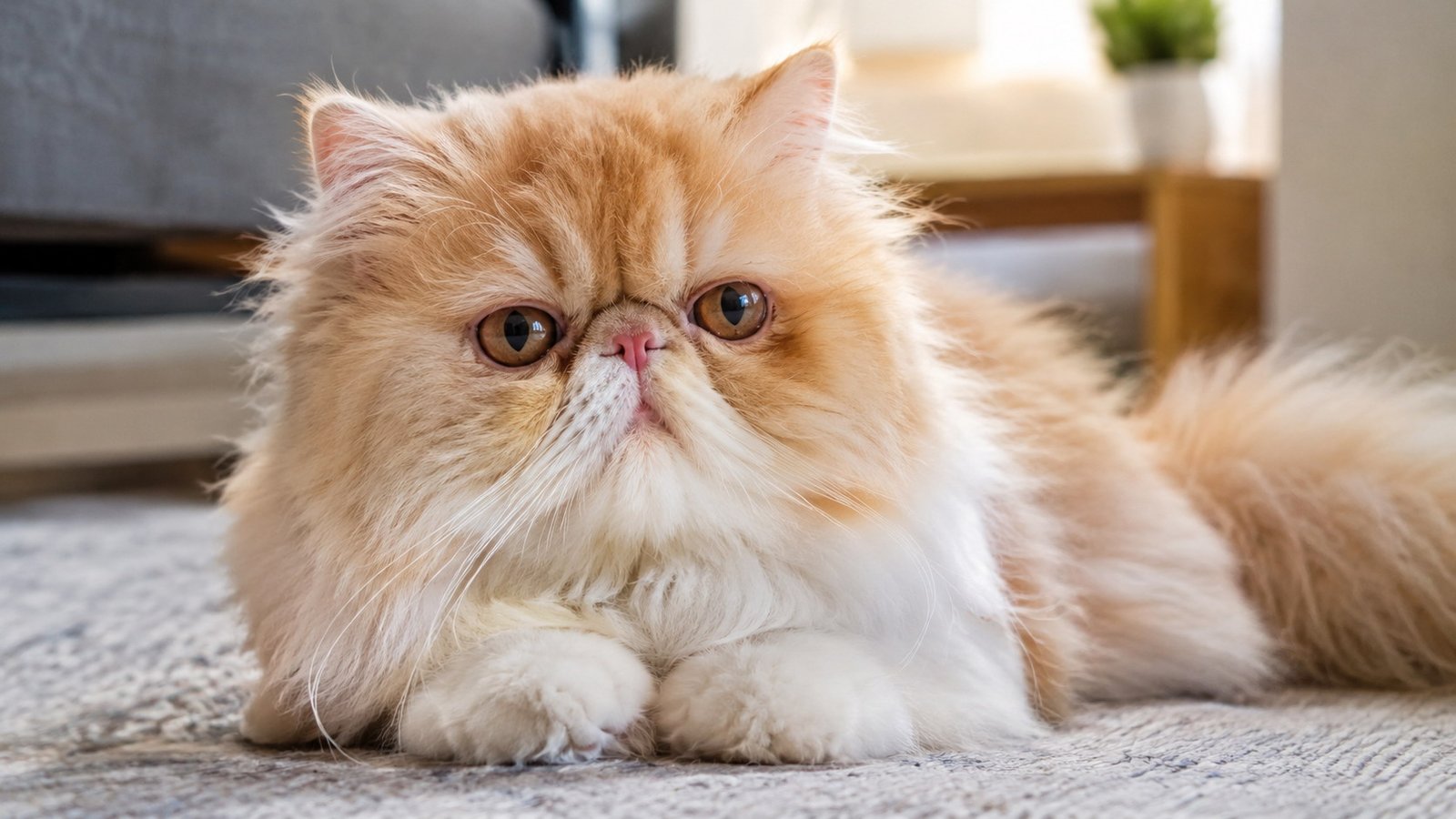
The flat face Persian cat is famous for its round face, short nose, large expressive eyes, and long, luxurious coat. These cats have an unmistakable appearance that attracts cat lovers around the world, but their distinctive facial structure can also create health challenges that prospective owners should understand.
Whether you’re thinking about adopting a flat-faced Persian kitten or already share your home with one, knowing how to care for this breed can make a meaningful difference in its comfort and quality of life. From recognizing potential breathing problems to maintaining a beautiful coat, this guide covers the essential facts about their appearance, breeding history, health risks, and everyday needs.
Flat Face Persian Cat: What Makes This Cat So Unique?
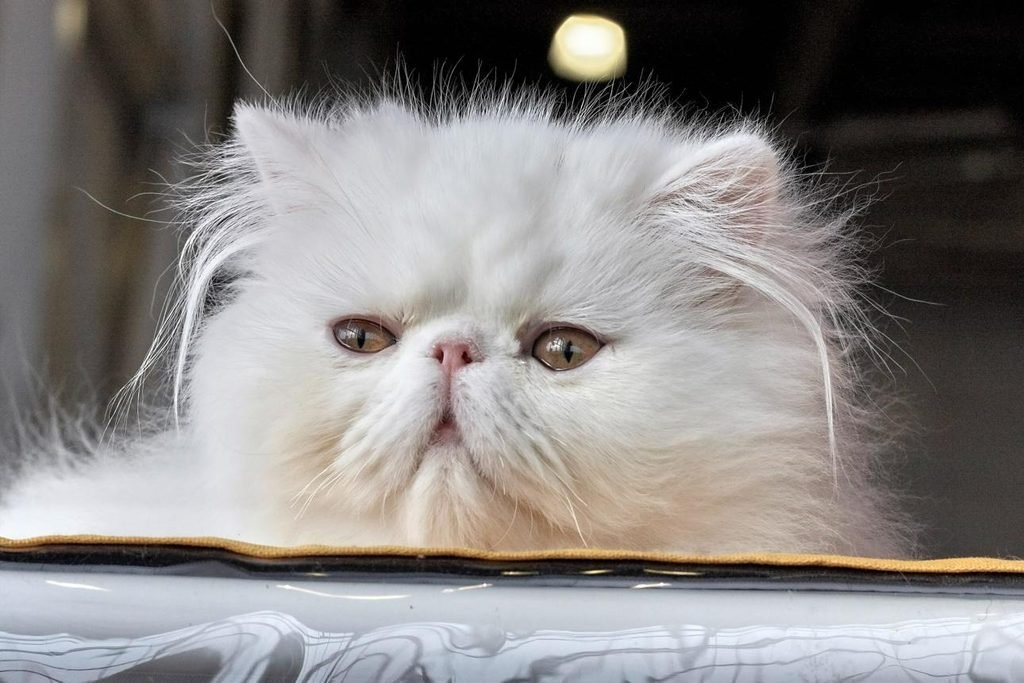
The flat face Persian cat, sometimes called a flat-faced Persian or peke-face Persian, is a long-haired cat known for its shortened muzzle and rounded facial profile. Its nose sits relatively close to the eyes, giving the face a compact appearance that differs from that of many other domestic cats.
Persian cats are generally recognized for their calm demeanor, plush coats, and affectionate companionship. However, the degree of facial flatness varies considerably between individuals. Some have a moderately shortened nose, while others have an extremely flat profile that can affect normal bodily functions.
The facial features that make flat-faced Persians recognizable
Several physical characteristics help distinguish these cats from other breeds.
- Short, flattened nose: The nose may sit high between the eyes, with very little visible muzzle.
- Large, round eyes: Their prominent eyes often give them a sweet, almost surprised expression.
- Full cheeks: Rounded cheeks and a broad head contribute to their distinctive appearance.
- Small, rounded ears: The ears are generally set apart and positioned relatively low on the head.
- Long, dense fur: Their thick coat creates a plush appearance around the face, neck, and body.
The combination of these features makes the breed visually striking. However, an extremely flat face is not necessarily a sign of better breed quality or better health. Facial proportions that interfere with breathing, blinking, or eating can negatively affect a cat’s well-being.
Coat colors and eye colors
Flat face Persian cats come in a wide range of coat colors and patterns. White, black, blue-gray, cream, silver, and calico are among the familiar varieties. Some cats have solid-colored coats, while others display tabby markings, shaded fur, or contrasting patches.
Eye color depends partly on genetics and coat coloration. Copper and deep gold eyes are common in many Persian varieties, while blue and green eyes occur in particular color lines. Some white Persian cats may have blue eyes, copper eyes, or one eye of each color.
Their long coats require regular attention regardless of color. Light-colored fur may make tear staining more noticeable, but darker cats can experience the same underlying eye-watering problems.
Are flat face Persian cats different from ordinary Persian cats?
The main difference is the degree of facial shortening. Traditional or doll-face Persians generally have a more visible muzzle and a less compressed facial profile. Extreme flat-faced Persians have a much shorter nose and a more pronounced indentation between the forehead and nose.
These descriptions are commonly used by breeders and cat enthusiasts, although terminology is not always standardized.
A moderately shortened face does not automatically guarantee good health, just as a particular label cannot determine whether an individual cat will develop complications. The most important considerations are whether the cat can breathe comfortably, close its eyes normally, eat without difficulty, and remain active without distress.
Practical tip: If you’re choosing a Persian kitten, look beyond photographs. Observe its breathing while resting, check whether its eyes are irritated, and ask a veterinarian or responsible breeder about the health of its parents.
Why Are Persian Cats Bred to Have Flat Faces?
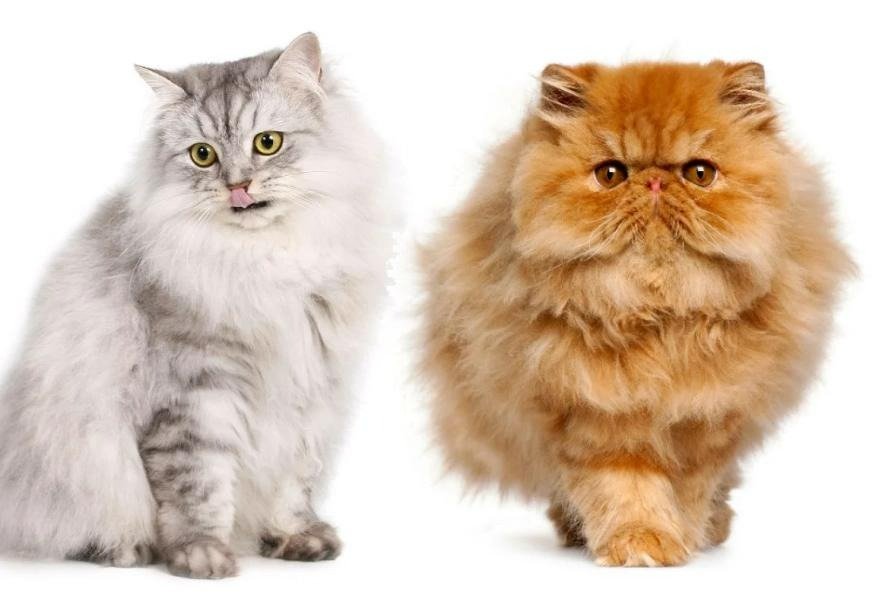
Persian cats have been selectively bred for their distinctive appearance over many generations. Early Persian-type cats had longer noses than some of the extremely flat-faced Persians seen today. Over time, breeding preferences favored rounder heads, shorter muzzles, and more prominent eyes.
This process changed the breed’s appearance, but it also introduced challenges associated with brachycephaly, a term describing an unusually shortened skull and muzzle.
Brachycephaly is seen in several animal breeds, including certain dog breeds. In cats, its effects vary depending on the individual animal’s facial anatomy and the severity of the shortening.
How selective breeding changes facial structure
Selective breeding involves choosing animals with particular inherited characteristics to produce future generations. Breeders seeking a very flat facial profile may select cats with shorter noses and more pronounced facial features.
When this process produces extreme shortening, the bones and soft tissues of the face may no longer fit together in a way that supports normal function.
Potential consequences include:
- Narrowed nasal passages that make breathing more difficult.
- Changes in tear drainage that contribute to persistent watery eyes.
- Prominent eyes that may be more vulnerable to irritation or injury.
- Dental crowding caused by changes in jaw and skull proportions.
- Facial folds that can trap moisture and debris.
Not every flat-faced Persian develops all these problems. Nevertheless, the risk of certain complications can increase when facial features become more extreme.
Brachycephaly: When a cute face creates health challenges
A shortened muzzle may look appealing to people, but a cat’s facial anatomy has important functions beyond appearance.
Healthy cats should generally be able to breathe quietly while resting, eat comfortably, and close their eyelids without difficulty. Persistent noisy breathing, frequent gagging, or obvious effort during respiration should not be dismissed simply because a cat belongs to a flat-faced breed.
Eye health is another important consideration. Some Persian cats have shallow eye sockets or eyelids that do not protect the eyes as effectively as they should. Their eyes may water frequently, and the exposed surface can become irritated or injured.
A flat face should never be treated as a reason to accept preventable discomfort. Responsible breeding should prioritize functional anatomy, comfortable breathing, healthy eyes, and overall quality of life rather than an exaggerated appearance.
How to choose a healthier flat face Persian cat
If you’re planning to adopt or purchase one, take time to evaluate the cat’s health rather than relying on appearance alone.
Look for these positive signs:
- Quiet, comfortable breathing while resting.
- Clear eyes without persistent redness, squinting, or thick discharge.
- Normal eating and drinking without obvious difficulty.
- Clean facial folds without sores, swelling, or unpleasant odors.
- Comfortable movement and age-appropriate play.
- A willingness from the breeder or rescue organization to discuss veterinary history and known health concerns.
Ask whether the kitten has received a veterinary examination and whether its parents have been assessed for relevant health problems. A kitten that appears healthy during a short visit may still develop inherited or structural complications later, so a visual inspection cannot replace veterinary assessment.
For additional guidance on responsible pet selection and welfare, the International Cat Care website offers educational resources about feline health and responsible cat care.
Before making a decision, remember that adoption is a long-term commitment involving grooming, routine veterinary visits, and possible breed-related medical expenses. Choosing a Persian with less extreme facial features may help reduce some structural risks, although it cannot eliminate every health problem.
Flat Face Persian Cat Health Problems: Warning Signs Owners Should Never Ignore
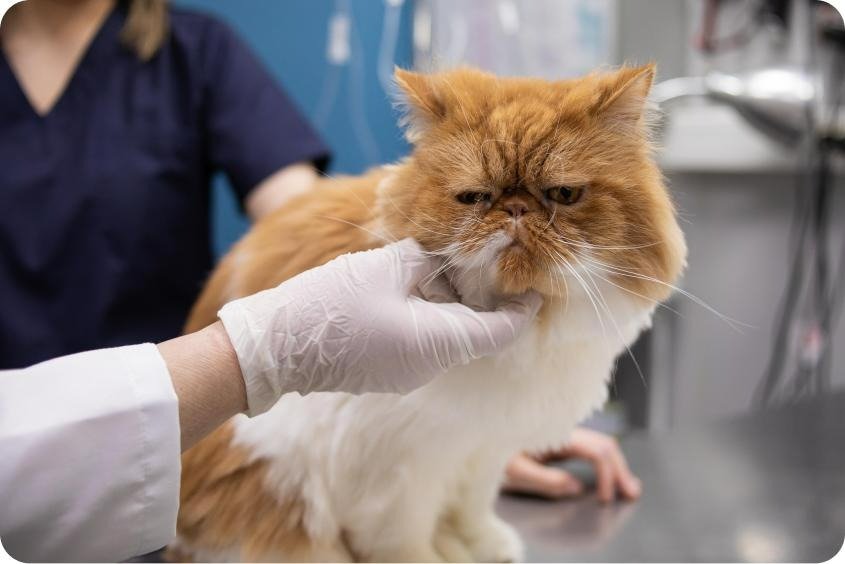
A flat face Persian cat may look healthy and happy while experiencing problems that are easy to overlook. Because its shortened facial structure can affect breathing, eye protection, tear drainage, and dental alignment, regular observation is an important part of responsible ownership.
Not every flat-faced Persian develops serious complications, but owners should know which symptoms deserve attention. Noisy breathing, persistent eye irritation, and difficulty eating should never be dismissed as normal simply because of the breed.
Breathing problems and narrowed nasal passages
One of the most important health concerns in flat-faced Persian cats is brachycephalic airway disease. The shortened skull can be associated with narrow nostrils and other changes that restrict airflow.
Some affected cats breathe noisily, snore frequently, or struggle to tolerate exercise. Problems may become more noticeable during hot weather, periods of excitement, or physical activity.
Watch for signs such as:
- Persistent snoring or snorting while awake.
- Noisy breathing that occurs even when the cat is resting.
- Reduced interest in play because of breathing discomfort.
- Unusual fatigue after mild activity.
- Visible effort when breathing.
Occasional sleep noises do not automatically mean a cat has an airway disorder. However, persistent or worsening symptoms deserve veterinary evaluation.
Seek emergency veterinary care if your cat breathes with its mouth open, struggles visibly to breathe, collapses, or develops blue, gray, or unusually pale gums. Keep the cat calm and avoid unnecessary handling while arranging help. Do not attempt to treat breathing distress with home remedies.
Watery eyes, tear stains, and eye injuries
Large, prominent eyes are one of the most recognizable features of a flat face Persian cat. Unfortunately, their facial structure can interfere with normal tear drainage and leave the eyes more exposed to irritation.
You may notice brown or reddish staining beneath the eyes, damp fur around the nose, or tears collecting at the inner corners. Mild staining can occur without a serious problem, but persistent watering may also indicate blocked tear drainage, eyelid abnormalities, inflammation, or infection.
Pay attention to the following symptoms:
- Redness around the eye or eyelids.
- Thick yellow or green discharge.
- Frequent blinking, squinting, or rubbing the face.
- Cloudiness or a visible change in the eye’s surface.
- Sudden swelling or obvious discomfort.
Eye injuries can worsen quickly, particularly when the cornea is affected. Contact a veterinarian promptly if your cat squints, appears painful, or develops unusual discharge. Sudden cloudiness, significant eye trauma, or severe pain warrants urgent assessment.
For routine cleaning, use a soft, clean cloth dampened with lukewarm water to gently wipe away discharge from the surrounding fur. Use a separate clean area of the cloth for each eye, and avoid pressing on the eyeball.
Never use human eye drops, peroxide, or harsh tear-stain products unless a veterinarian specifically recommends them. Some products can irritate delicate tissues or delay proper treatment.
Dental problems caused by a shortened muzzle
The skull and jaw changes associated with extreme facial shortening can leave some Persian cats with crowded or misaligned teeth. Food debris may accumulate around poorly positioned teeth, making oral hygiene more challenging.
Possible warning signs include bad breath, red gums, dropping food, chewing on one side of the mouth, or reluctance to eat hard food. Cats often hide dental pain, so subtle changes in eating behavior deserve attention.
Regular veterinary dental examinations can identify problems before they become severe. Home dental care, such as brushing with cat-specific toothpaste, may also help when introduced gradually and performed safely.
If your cat suddenly refuses food, cries while chewing, drools excessively, or paws repeatedly at its mouth, arrange a veterinary examination rather than assuming the behavior is simply related to its facial shape.
Skin-fold irritation around the face
Some flat-faced Persian cats have deep folds around the nose and eyes. These areas can trap tears, moisture, skin oils, and debris, creating conditions that encourage irritation and sometimes secondary infection.
Signs of a problem include redness, damp or sticky fur, an unpleasant odor, scabs, and frequent rubbing of the face against furniture.
Check the folds during daily grooming. If they become damp or dirty, gently clean the area with a soft cloth and dry it thoroughly. Avoid scrubbing, applying fragranced wipes, or using medicated creams without veterinary advice.
Recurring inflammation may require professional treatment and an assessment of whether the facial structure is contributing to the problem.
Heat sensitivity and difficulty staying comfortable
Cats with significant airway restriction may have greater difficulty coping with heat because normal breathing plays an important role in regulating body temperature. Hot, humid weather can be especially challenging for vulnerable cats.
This is particularly relevant for owners living in warm climates. Keep your Persian indoors in a well-ventilated, temperature-controlled environment, provide fresh water, and offer shaded resting areas away from direct sunlight.
Watch for rapid breathing, excessive restlessness, drooling, weakness, or unusual lethargy during hot weather. If your cat appears overheated or has breathing difficulty, move it to a cooler area and contact a veterinarian immediately. Do not force it to drink or delay care while trying home treatments.
When should you take a flat face Persian cat to the vet?
The following guide can help you decide how quickly to seek help.
| Symptom | Recommended action |
| Mild, occasional eye watering without discomfort | Mention it at the next veterinary visit; arrange an earlier check if it persists or worsens. |
| Persistent tearing, skin irritation, or unpleasant odor around facial folds | Schedule a veterinary appointment. |
| Frequent noisy breathing or reduced exercise tolerance | Arrange prompt veterinary assessment. |
| Squinting, eye pain, or thick discharge | Seek same-day veterinary advice or assessment. |
| Open-mouth breathing, severe respiratory effort, collapse, or blue-gray gums | Seek emergency veterinary care immediately. |
Routine examinations are valuable even when your cat appears healthy. Your veterinarian can assess breathing, eyes, teeth, skin, body condition, and other concerns associated with the breed.
How to Care for a Flat Face Persian Cat Every Day
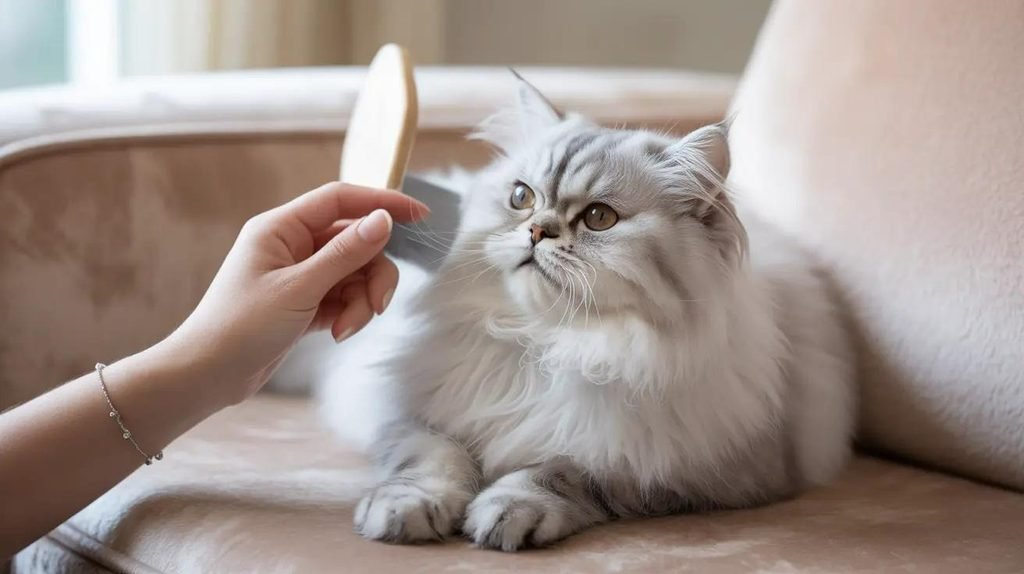
Caring for a flat face Persian cat involves more than keeping its long coat beautiful. Its eyes, facial folds, breathing, and eating habits may need closer attention than those of cats with longer muzzles.
The good news is that a consistent routine can make daily care easier for both you and your cat. Short, gentle sessions are often more comfortable than trying to complete every grooming task at once.
Build a simple daily care routine
A few minutes of observation each day can help you notice changes before they become more serious.
Check the eyes and face. Look for new redness, unusual discharge, damp fur, or swelling. Gently remove ordinary surface discharge with a clean, damp cloth when needed.
Observe breathing at rest. Listen for changes in breathing sounds and watch whether your cat seems comfortable while sleeping or relaxing. Persistent snoring or noisy breathing should be discussed with a veterinarian.
Brush the coat. Use a suitable comb or soft slicker brush to work through the long fur gently. Pay special attention to areas where tangles form easily, including behind the ears, beneath the front legs, and around the belly.
Check appetite and drinking habits. Make sure your cat is eating comfortably and has access to fresh water. A sudden change in appetite, chewing behavior, or thirst can signal a health concern.
Spend time playing. Offer short, gentle play sessions using toys that encourage stalking and chasing. Let your cat rest whenever it wants, and stop if you notice unusual panting, noisy breathing, or fatigue.
Keep facial folds clean without irritating the skin
Facial cleaning is especially important for cats whose folds collect moisture or debris. However, cleaning too aggressively can damage delicate skin and make irritation worse.
Follow these practical steps:
- Wash your hands before handling the face.
- Use a soft cloth dampened with lukewarm water or a product recommended by your veterinarian.
- Gently wipe away visible debris without pulling at the skin.
- Use a clean part of the cloth for each eye.
- Pat the area dry, paying attention to folds that tend to remain damp.
- Check for redness, sores, odor, or discharge after cleaning.
Do not insert cotton swabs into the nose or force cleaning into narrow facial creases. If the skin remains inflamed despite gentle care, a veterinarian should check for infection or an underlying anatomical problem.
Create a comfortable indoor environment
Flat-faced Persian cats generally benefit from a safe indoor lifestyle. Keeping them indoors also reduces exposure to traffic, infectious diseases, parasites, and other outdoor hazards.
Make your home comfortable by providing:
- A cool, well-ventilated resting area.
- Fresh water in accessible locations.
- Comfortable beds away from direct sunlight and heat sources.
- Low-sided litter boxes if your cat has difficulty climbing into taller ones.
- Scratching posts, climbing options, and interactive toys suited to its mobility and preferences.
Avoid forcing your cat to exercise intensely, especially during hot or humid conditions. Play should be enjoyable rather than physically demanding.
Choose the right grooming tools and supplies
You do not need an extensive collection of products to care for a Persian cat. A few appropriate supplies can make the routine easier.
| Item | Why it helps |
| Wide-toothed metal comb | Helps separate long fur and identify tangles close to the skin. |
| Soft slicker brush | Helps remove loose hair and maintain the coat between combing sessions. |
| Soft, clean cloth | Useful for gentle cleaning around the eyes and face. |
| Cat-specific nail clippers | Help maintain comfortable nail length when used correctly. |
| Cat-safe toothbrush and toothpaste | Support oral hygiene when your cat tolerates gradual training. |
| Cat carrier with good ventilation | Makes veterinary visits safer and less stressful. |
Select tools based on your cat’s coat condition, temperament, and needs. Avoid cutting tight mats with scissors close to the skin because cat skin is delicate and can easily be injured. Severe matting is best handled by a veterinary professional or an experienced groomer who understands feline handling.
Help your cat become comfortable with grooming
Persian cats may need frequent grooming, but not every cat enjoys being handled for long periods. Introducing care gradually can prevent grooming from becoming a stressful experience.
Start with brief sessions when your cat is relaxed. Allow it to sniff the brush, reward calm behavior with praise or a small treat, and gently work on one area at a time.
If your cat pulls away, growls, swats, or becomes distressed, pause and give it a break. Forcing the process can create fear and make future grooming harder.
The goal is a comfortable, repeatable routine—not a perfect grooming session every day. If your cat consistently resists face handling, develops painful mats, or shows signs of discomfort, ask your veterinarian or a qualified feline groomer for guidance.
Grooming a Flat Face Persian Cat: Prevent Mats, Tear Stains, and Skin Irritation
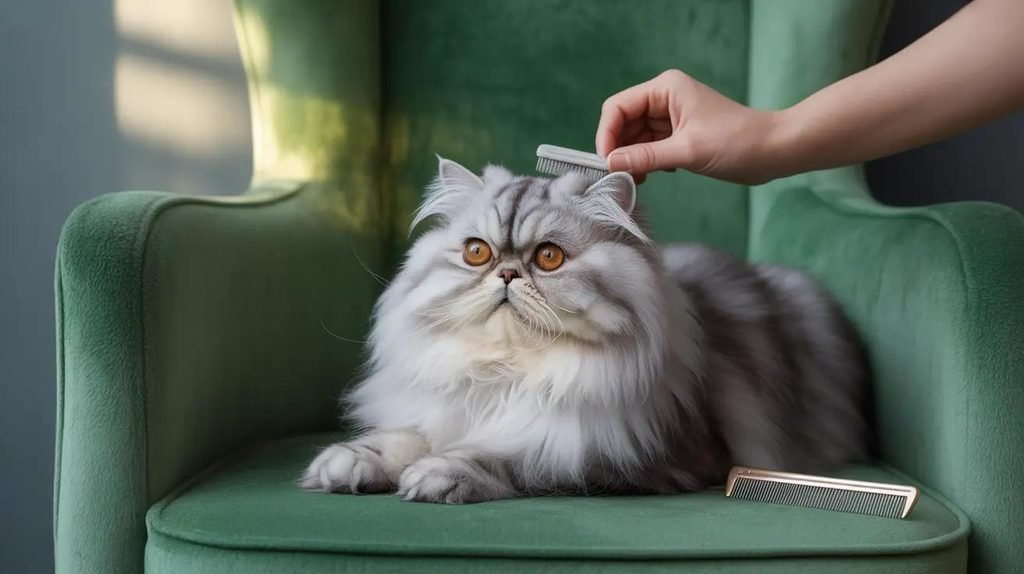
The long, dense coat of a flat face Persian cat is beautiful, but it can tangle surprisingly quickly. Loose hairs become trapped in the undercoat, and friction around the legs, neck, and belly can turn small knots into painful mats.
Regular grooming also gives you an opportunity to inspect the skin, check for parasites, and notice changes around the face. For most long-haired Persians, a daily or near-daily grooming routine is a sensible starting point, although the exact frequency depends on coat density and the individual cat.
How often should you brush a flat face Persian cat?
Most flat-faced Persians benefit from daily combing. Some cats with particularly dense coats may need more attention in areas that mat easily.
A practical routine includes:
- Daily: Gently comb the coat and inspect common tangle spots.
- Several times a week or as needed: Check the belly, armpits, and areas behind the ears more carefully.
- Weekly: Inspect the nails, ears, and general skin condition.
- As needed: Clean the eye area and facial folds when discharge or moisture accumulates.
- Periodically: Arrange professional grooming if you cannot safely manage the coat at home.
Use a metal comb to reach through the coat rather than brushing only the surface. Work in small sections, starting at the ends of tangled hair and gradually moving closer to the skin.
Never yank at a knot. If it resists gentle combing, stop rather than causing pain.
How to manage tear stains safely
Tear stains are common in some Persian cats because tears can spill onto the surrounding fur instead of draining normally. The reddish-brown color often develops when substances in the tears interact with the hair.
Although the staining itself may be cosmetic, the underlying cause still matters. Excessive tearing can be associated with facial anatomy, eyelid problems, irritation, infection, or blocked tear drainage.
To manage ordinary surface staining:
- Moisten a clean, soft cloth with lukewarm water.
- Gently wipe the stained fur below the eye, keeping the cloth away from direct contact with the eyeball.
- Use a clean portion of the cloth for the other eye.
- Pat the fur dry to prevent prolonged moisture around the skin.
- Monitor whether the tearing becomes more frequent or the skin looks irritated.
Do not expect every stain to disappear completely. Some discoloration may remain on the hair even when the surrounding skin is healthy.
Avoid bleach, hydrogen peroxide, essential oils, and unapproved whitening products near the eyes. If the staining suddenly worsens, smells unpleasant, or appears alongside redness, squinting, or thick discharge, arrange a veterinary examination.
Prevent mats before they become painful
Mats form when loose hairs become tightly tangled together. Once they develop close to the skin, they can pull on the skin, trap moisture, and conceal irritation.
The most commonly missed areas include:
- Behind the ears.
- Beneath the front legs.
- Around the chest and collar area.
- Along the belly and inner thighs.
- Near the tail and hindquarters.
Separate the coat into small sections and comb gently from the tips toward the roots. Hold the fur near the skin when working through a minor tangle to reduce pulling.
Never use scissors to cut a mat close to your cat’s body. The skin may be pulled up inside the knot, making it easy to cut accidentally. Tight or extensive mats should be removed by a trained professional, and severe matting may require veterinary assistance or sedation for safe treatment.
Should you bathe a flat face Persian cat?
Bathing is not necessarily required on a rigid schedule for every Persian cat. A healthy cat that receives regular brushing may need only occasional bathing when its coat becomes greasy or dirty.
When a bath is appropriate, use a cat-specific shampoo and lukewarm water. Keep water and shampoo away from the eyes, nose, and ears, and rinse thoroughly to prevent residue from irritating the skin.
Flat-faced cats deserve extra care during bathing because water around the nostrils can be distressing, particularly if breathing is already compromised. Keep the session calm and avoid submerging the face.
Dry your cat thoroughly with towels in a comfortably warm, well-ventilated room. Avoid excessive heat from hair dryers, especially if the cat becomes frightened or uncomfortable.
If your Persian has recurring skin problems, persistent greasy fur, or severe tangles, consult a veterinarian before increasing the frequency of baths or trying medicated products.
When professional grooming is the better choice
Professional grooming can be useful when your cat’s coat becomes difficult to manage, particularly if it has extensive mats or strongly resists brushing. Choose someone experienced with cats rather than assuming every dog groomer is equally familiar with feline handling.
Discuss any breathing concerns, eye sensitivity, or other medical issues before the appointment. A groomer should never ignore signs of respiratory distress simply to finish a session.
Some owners consider shaving a Persian’s coat during hot weather. However, shaving is not automatically necessary to keep a cat cool, and the coat provides some protection for the skin. Extensive matting, medical treatment, or specific veterinary advice may justify clipping, but the decision should be based on the individual cat’s needs.
With consistent combing, gentle facial care, and timely professional help, you can keep your flat face Persian cat’s coat more comfortable while making grooming a calmer part of everyday life.
What Should a Flat Face Persian Cat Eat?
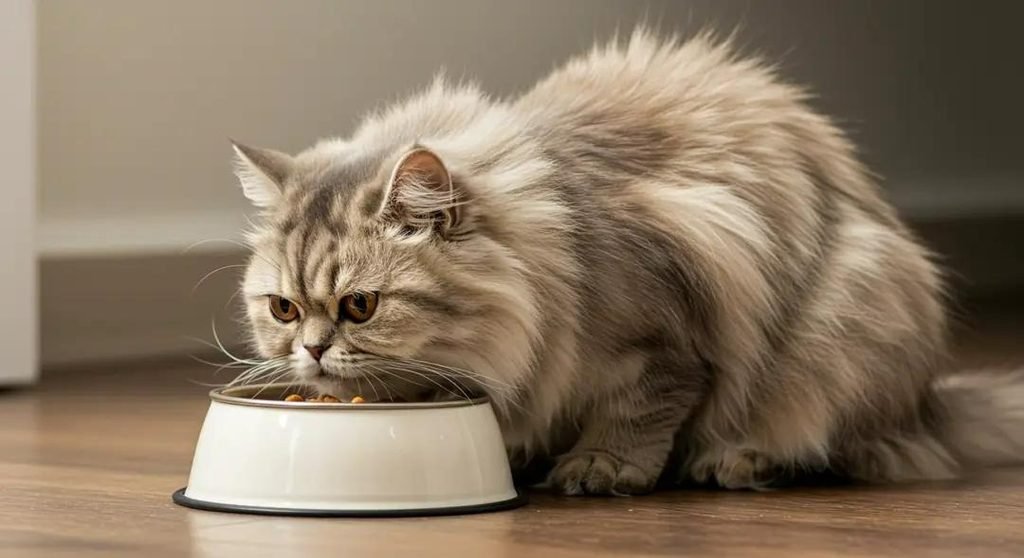
Feeding a flat face Persian cat involves more than choosing food it enjoys. A balanced diet supports healthy skin, a manageable coat, strong muscles, and overall well-being. The right feeding routine can also help maintain a healthy weight, which is particularly important for cats that may have difficulty breathing or tolerate strenuous activity.
Although Persian cats do not all require a special breed-specific diet, some flat-faced individuals may benefit from food textures and bowl designs that make eating more comfortable.
Choosing the right food for your Persian cat
Look for a complete and balanced cat food appropriate for your cat’s life stage. Kittens need food formulated for growth, while adults generally need an adult maintenance diet. Senior cats may benefit from a diet tailored to their individual health and nutritional needs.
Both wet and dry food can be suitable when the product meets your cat’s nutritional requirements.
- Wet food: Provides additional moisture and may be easier for some cats to pick up and chew.
- Dry food: Convenient to portion and store, although individual cats may find certain kibble shapes difficult to eat.
- Combination feeding: Offering both wet and dry food can work well when total calorie intake is controlled.
The best choice depends on your cat’s health, preferences, dental condition, and ability to eat comfortably. A flat face Persian cat that repeatedly drops kibble, struggles to grasp food, or takes unusually long to finish a meal may need a veterinary dental and oral examination rather than simply a different brand of food.
Can flat face Persian cats eat regular cat food?
Yes. Most healthy flat-faced Persians can eat ordinary complete and balanced cat food. The key is selecting an appropriate formula and making sure the cat can eat it comfortably.
Some manufacturers sell Persian-specific diets with kibble shapes designed for the breed’s facial structure. These products may be convenient for certain cats, but they are not automatically better than other nutritionally complete foods.
Consider the following when selecting a diet:
- Choose food from a reputable manufacturer with appropriate nutritional quality controls.
- Check that the product is formulated for your cat’s age and life stage.
- Monitor your cat’s weight and body condition rather than relying only on package feeding estimates.
- Introduce dietary changes gradually unless your veterinarian advises otherwise.
- Seek professional advice if your cat has persistent digestive problems, food intolerance, or difficulty chewing.
Avoid feeding an exclusively homemade diet unless it has been formulated by a qualified veterinary nutrition professional. Improperly balanced homemade meals can lack essential nutrients, even when the ingredients appear healthy.
How much should you feed a flat face Persian cat?
There is no single portion size that suits every Persian cat. Calorie needs vary according to age, weight, activity level, reproductive status, and medical conditions.
Use the feeding instructions on the food packaging as a starting point, then adjust portions based on your cat’s body condition and veterinary advice.
| Feeding consideration | Practical recommendation |
| Portion size | Measure food instead of repeatedly filling the bowl without tracking amounts. |
| Meal schedule | Offer consistent meals, often divided into two or more feedings depending on your cat’s needs. |
| Treats | Keep treats to no more than about 10% of daily calories. |
| Water | Provide fresh water at all times and clean water bowls regularly. |
| Weight monitoring | Check body condition regularly and discuss unexplained weight changes with a veterinarian. |
Excess weight can make movement less comfortable and may worsen the practical effects of an existing breathing problem. A healthy body condition is therefore especially valuable for cats with compromised airways.
Make mealtimes comfortable
The shape and placement of a food bowl can make a difference for some flat-faced cats. A shallow, stable dish may help a cat reach its food without pressing its face deeply into the bowl.
Try a few practical adjustments:
- Use a shallow dish with enough room for your cat to approach the food easily.
- Place food and water in a quiet location.
- Keep the feeding area clean and away from the litter box.
- Offer smaller, more frequent meals if your veterinarian recommends them.
- Observe whether your cat can pick up, chew, and swallow food without difficulty.
Never assume that a cat’s difficulty eating is simply a breed characteristic. Persistent food dropping, gagging, coughing during meals, or sudden appetite changes warrant veterinary assessment.
Flat Face Persian Cat vs. Traditional Persian Cat: Is There a Difference?
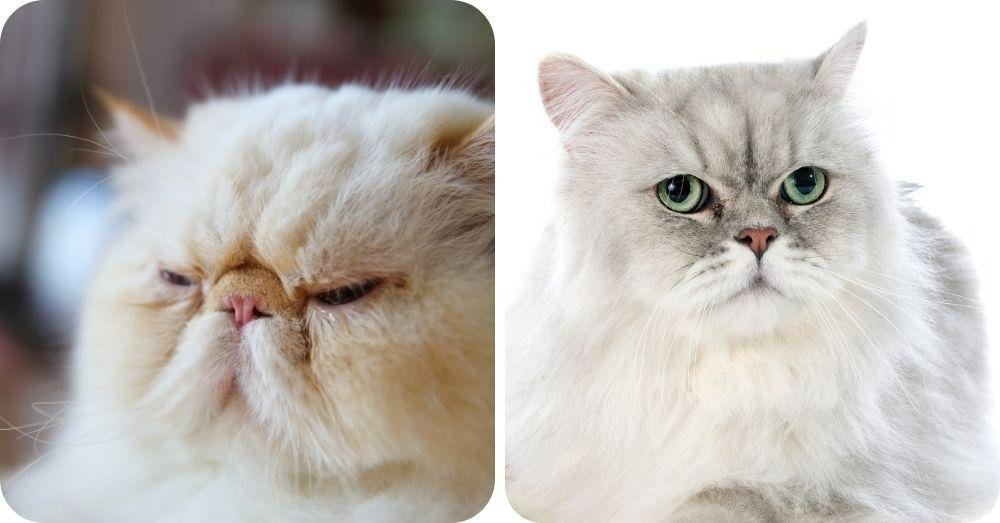
The biggest difference between a flat face Persian cat and a traditional Persian cat is the shape of the face. Both can have long, thick coats, rounded heads, and affectionate personalities, but traditional or doll-face Persians generally have a more noticeable muzzle.
Flat-faced Persians have a shorter muzzle and a more compressed facial profile. Depending on the individual cat, this structure can influence breathing, tear drainage, eye protection, and dental alignment.
Understanding these differences can help prospective owners make a more informed decision about which cat may be suitable for their household.
Comparing appearance and facial structure
| Feature | Flat face Persian | Traditional or doll-face Persian |
| Muzzle | Very short, sometimes almost level with the face | Usually more visible and pronounced |
| Nose position | Often set high between the eyes | Generally projects farther forward |
| Eyes | May be especially prominent | Often less prominent relative to the muzzle |
| Coat | Long and dense | Long and dense |
| Grooming needs | Usually substantial | Usually substantial |
| Potential facial-structure concerns | Greater concern when features are extremely shortened | Some risks may be lower with less extreme anatomy, but problems remain possible |
| Overall appearance | Compact, flattened facial profile | More traditional cat-like facial profile |
These labels are descriptive rather than perfectly standardized. Individual cats can fall between the two appearances, and a cat’s facial shape alone cannot predict its complete health history.
Which type is healthier?
A Persian with less extreme facial features may have a lower risk of certain problems associated with severe brachycephaly. A more visible muzzle can provide more space for normal nasal structures, while less prominent eyes may be better protected in some individuals.
However, a traditional-looking Persian is not automatically healthy. Eye disorders, dental disease, inherited conditions, skin problems, and other health issues can occur in cats with different facial profiles.
When comparing cats, pay attention to function rather than appearance alone.
A healthier candidate should be able to breathe comfortably at rest, close its eyes normally, eat without difficulty, and move around without obvious distress. Ask about veterinary examinations and family health history, and arrange an independent veterinary assessment when adopting or purchasing a kitten.
What should prospective owners prioritize?
If you’re deciding between different Persian cats, consider the animal’s overall health and your ability to meet its needs.
A responsible breeder should be willing to discuss known health concerns, provide veterinary records, and explain the health characteristics of the parents. Be cautious if a seller promotes an extremely flat face as the most important sign of quality or dismisses persistent snoring and watery eyes as harmless.
Adoption is another worthwhile option. Adult cats can be easier to assess because you may already know something about their temperament, grooming tolerance, and medical history.
Regardless of which type you choose, plan for regular grooming, preventive veterinary care, a balanced diet, and an indoor environment that supports safe activity.
Are Flat Face Persian Cats Good Pets for Families?

Flat face Persian cats can be wonderful companions for the right household. Many Persians are known for their relaxed demeanor, enjoyment of comfortable resting places, and preference for gentle interaction. Individual personalities vary, however, so not every cat will want to be carried, cuddled, or handled frequently.
Their grooming needs and potential facial-structure problems also make them a better fit for families prepared to provide regular care.
Do flat face Persian cats get along with children?
They can live happily with children when interactions are calm, supervised, and respectful. Their long coats and prominent eyes make gentle handling particularly important.
Teach children to let the cat approach voluntarily, stroke it gently, and leave it alone when it is resting or eating. Pulling fur, squeezing the body, chasing the cat, or touching its eyes can cause stress or injury.
Create a quiet retreat where the cat can rest without being disturbed. Every household member should understand that hiding, turning away, flattening the ears, or repeatedly trying to escape are signs that the cat needs space.
Never leave a young child unsupervised with a cat, even one that appears exceptionally calm.
Can flat face Persian cats live with other pets?
Many Persians can coexist with other cats or appropriately introduced dogs. Success depends on the animals’ personalities, previous experiences, and the way introductions are managed.
Give a new cat a separate room at first, allowing it to become familiar with its surroundings. Exchange bedding or other scent-bearing items before arranging brief visual introductions.
Keep early interactions calm and provide separate food bowls, resting areas, scratching surfaces, and litter boxes. Cats should always have somewhere to retreat if they feel uncomfortable.
Do not force contact between animals. Gradual introductions are usually more successful than placing unfamiliar pets together and expecting them to work things out.
How much exercise does a flat face Persian cat need?
Persian cats often enjoy shorter play sessions rather than prolonged, vigorous activity. They still need daily opportunities to move, explore, and express natural hunting behaviors.
Suitable activities include:
- Interactive wand toys used under supervision.
- Lightweight toys that encourage chasing and pouncing.
- Food puzzles designed for cats.
- Scratching posts and accessible climbing structures.
- Short play sessions followed by rest.
Keep play indoors during hot weather and provide plenty of opportunities to stop and relax. Cats with breathing difficulties may need modified activity, so ask your veterinarian what level of exercise is appropriate.
Stop immediately if your cat shows unusual panting, open-mouth breathing, pronounced fatigue, or distress. Open-mouth breathing in a cat should be treated as an emergency rather than an ordinary response to play.
Is a flat face Persian cat suitable for first-time owners?
It can be, provided the owner understands the breed’s needs and is prepared for consistent grooming and veterinary care.
First-time owners should be comfortable with daily coat maintenance, regular eye and facial checks, and recognizing symptoms that require professional attention. They should also budget for preventive care and the possibility of additional medical expenses.
A Persian may not be the best choice for someone who wants a very low-maintenance pet or cannot provide frequent grooming. Choosing a cat with less extreme facial anatomy may also help reduce certain structural health concerns.
How Much Does a Flat Face Persian Cat Cost?
The price of a flat face Persian cat varies considerably depending on the country, breeder, pedigree, age, and availability. Cats marketed for their particularly extreme facial features may carry higher asking prices, but a higher price does not guarantee better health or responsible breeding.
The purchase or adoption fee is only the beginning of the financial commitment. Food, litter, grooming supplies, routine examinations, vaccinations, parasite prevention, and unexpected veterinary treatment all contribute to the lifetime cost of ownership.
What influences the initial price?
Several factors may affect how much you pay.
- Age: Kittens and adult cats may be priced differently.
- Pedigree: Documented ancestry can influence the asking price.
- Breeder practices: Responsible veterinary care, health screening, and appropriate kitten rearing contribute to breeding costs.
- Location: Prices and veterinary expenses differ by region.
- Adoption route: Shelters and rescue groups may charge an adoption fee that includes some initial veterinary services.
Rather than focusing only on the cheapest or most expensive option, investigate the cat’s health, background, and care history. Request records and ask which veterinary examinations have been performed.
Budget for ongoing care
Your monthly budget should account for routine necessities and allow room for unexpected expenses.
| Expense category | What to consider |
| Food | Complete, balanced food appropriate for age and health |
| Litter | Suitable litter and regular replacement |
| Grooming | Combs, brushes, cleaning supplies, and occasional professional services |
| Routine veterinary care | Health examinations and recommended preventive treatments |
| Dental care | Home hygiene supplies and professional treatment when needed |
| Emergency care | Savings or another realistic plan for unexpected veterinary bills |
Actual expenses depend on your location and your cat’s individual needs. Before bringing a Persian home, research local veterinary fees and consider whether you could manage an unexpected illness or injury.
How to choose a responsible breeder or adoption organization
A responsible breeder prioritizes the health and welfare of the cats rather than selecting solely for an exaggerated facial appearance.
Ask questions such as:
- Have the kitten’s parents received appropriate veterinary examinations?
- Are there known breathing, eye, dental, or inherited health problems in the family?
- Has the kitten received age-appropriate veterinary care?
- Can you see where the cats live and how they are cared for?
- What support is available if a health problem appears after adoption?
Be cautious if the seller refuses to provide records, pressures you to make an immediate purchase, or claims that all breathing and eye problems are harmless breed characteristics.
Adoption organizations may also have Persian cats or Persian mixes looking for homes. An adult cat can be a particularly good choice when its temperament and health needs are already documented.
Common Flat Face Persian Cat Care Mistakes—and How to Avoid Them
Even attentive owners can overlook problems when they assume a cat’s unusual features are simply part of its appearance. Understanding a few common mistakes can help you provide better care and recognize potential complications earlier.
Assuming noisy breathing is normal
Some Persians snore, but persistent snoring, noisy breathing while awake, or difficulty recovering after activity may indicate an airway problem.
What to do: Monitor breathing at rest and arrange a veterinary assessment for persistent or worsening noises. Treat open-mouth breathing or severe respiratory effort as an emergency.
Ignoring persistent watery eyes
Tear staining may be common, but frequent watering can result from abnormal tear drainage, eyelid problems, irritation, or infection.
What to do: Clean ordinary discharge gently and monitor the eyes. Seek veterinary care if tearing persists, the skin becomes inflamed, or redness, squinting, pain, or thick discharge develops.
Waiting too long to remove mats
A few small tangles can quickly become dense mats in a Persian’s long coat. Tight mats may pull on the skin and conceal wounds or inflammation.
What to do: Comb the coat regularly, paying particular attention to friction-prone areas. Arrange professional help for severe matting rather than cutting knots close to the skin.
Overfeeding or overlooking weight gain
Excess weight can affect mobility and may make it harder for a cat with compromised breathing to remain comfortable during activity.
What to do: Measure meals, limit treats, encourage gentle play, and check body condition regularly. Ask a veterinarian to recommend a suitable target weight if necessary.
Using unsuitable cleaning products
Human eye drops, fragranced wipes, peroxide, and unapproved tear-stain products can irritate the delicate skin around the eyes.
What to do: Use a clean, soft cloth and lukewarm water for routine surface cleaning unless your veterinarian recommends a specific product. Never use medication intended for humans without veterinary guidance.
Choosing a kitten based entirely on appearance
Extremely flat faces may be visually appealing, but exaggerated facial features can be associated with structural problems.
What to do: Prioritize comfortable breathing, healthy eyes, normal eating, and overall function. Ask about the parents’ health and arrange veterinary assessment rather than relying on photographs or a seller’s assurances.
Delaying veterinary care because symptoms seem typical for the breed
Repeated eye irritation, skin-fold infections, dental discomfort, and breathing problems can become more serious when treatment is postponed.
What to do: Keep up with preventive examinations and seek advice whenever symptoms persist, worsen, or interfere with normal behavior. Breed-related risks are a reason for closer attention, not a reason to accept avoidable suffering.
Frequently Asked Questions About Flat Face Persian Cats
Are flat face Persian cats healthy?
Some are healthy and live comfortable lives, while others develop problems related to their shortened facial structure. Potential concerns include breathing difficulties, eye irritation, dental crowding, and skin-fold inflammation. Choosing a cat with less extreme features and arranging regular veterinary examinations can help support its well-being.
Do flat face Persian cats have breathing problems?
They can. Extreme brachycephaly may be associated with narrowed nasal passages and other airway abnormalities. Persistent noisy breathing, exercise intolerance, or breathing effort deserves veterinary attention. Open-mouth breathing or severe respiratory distress requires emergency care.
Why do flat face Persian cats have watery eyes?
Their facial structure can interfere with tear drainage and increase eye exposure. However, excessive tearing can also result from irritation, eyelid abnormalities, blocked tear ducts, or infection. Persistent watering, redness, squinting, or unusual discharge should be assessed by a veterinarian.
Are flat face Persian cats high-maintenance?
Generally, yes. Their long coats usually need frequent combing, and some cats require regular cleaning around the eyes and facial folds. Owners should also monitor breathing, maintain dental health, and schedule routine veterinary examinations.
How often should you groom a flat face Persian cat?
Daily or near-daily combing is a good starting point for most long-haired Persians. The exact frequency depends on coat density and how easily tangles develop. Check behind the ears, beneath the legs, and around the belly frequently, and seek professional help for tight mats.
Can flat face Persian cats live comfortably in hot weather?
Some can, but cats with airway abnormalities may be more vulnerable to heat. Provide a cool, well-ventilated indoor environment, fresh water, and shaded resting places. Excessive panting, weakness, or breathing difficulty requires immediate veterinary attention.
Do flat face Persian cats make good indoor pets?
Yes, many adapt well to indoor living when their needs are met. They benefit from comfortable resting places, scratching surfaces, interactive play, and regular companionship. Indoor living also helps protect them from traffic, parasites, and other outdoor hazards.
What is the difference between a doll-face Persian and an extreme flat-face Persian?
A doll-face Persian generally has a more visible muzzle and a less compressed facial profile. An extreme flat-face Persian has a much shorter muzzle and a more flattened appearance. The terminology is not standardized, so evaluate the individual cat’s breathing, eyes, and overall health rather than relying only on the label.
How long do Persian cats typically live?
Persian cats can live into their teens, although lifespan varies with genetics, lifestyle, and healthcare. Regular veterinary examinations, a balanced diet, healthy body condition, and early attention to medical problems can support a better quality of life.
Should I adopt a Persian cat with an extremely flat face?
You can consider adoption if you understand the cat’s potential medical needs and can provide appropriate care. Ask for available medical records, observe the cat’s breathing and eating, and arrange a veterinary examination. Prioritize the individual cat’s welfare and be prepared for possible additional veterinary expenses.
Give Your Flat Face Persian Cat the Best Possible Care
A flat face Persian cat can bring plenty of companionship and personality into a home, but its distinctive appearance comes with responsibilities that every owner should understand. Regular grooming, balanced nutrition, a comfortable indoor environment, and attentive veterinary care are essential parts of responsible ownership.
The most important lesson is to prioritize health and comfort over extreme facial features. Quiet breathing, comfortable eating, healthy eyes, and the ability to play and rest without distress matter far more than how flat a cat’s face looks.
If you’re planning to welcome a Persian into your family, take time to research responsible breeders or adoption organizations, prepare a realistic care budget, and arrange a veterinary examination. If you already own one, begin with a simple daily routine for checking its coat, eyes, breathing, and appetite.
With thoughtful care and early attention to warning signs, you can help your Persian enjoy a more comfortable, healthier life.

Passionate about pets and animal care, we shares trusted tips, fun facts, and practical advice to help pet lovers give their furry, feathered, and scaly companions the best life possible. From everyday care guides to fascinating animal insights, we’re dedicated to making pet information easy, helpful, and enjoyable for every reader.
1 thought on “Flat Face Persian Cat: Appearance, Care Tips, and Health Guide”