
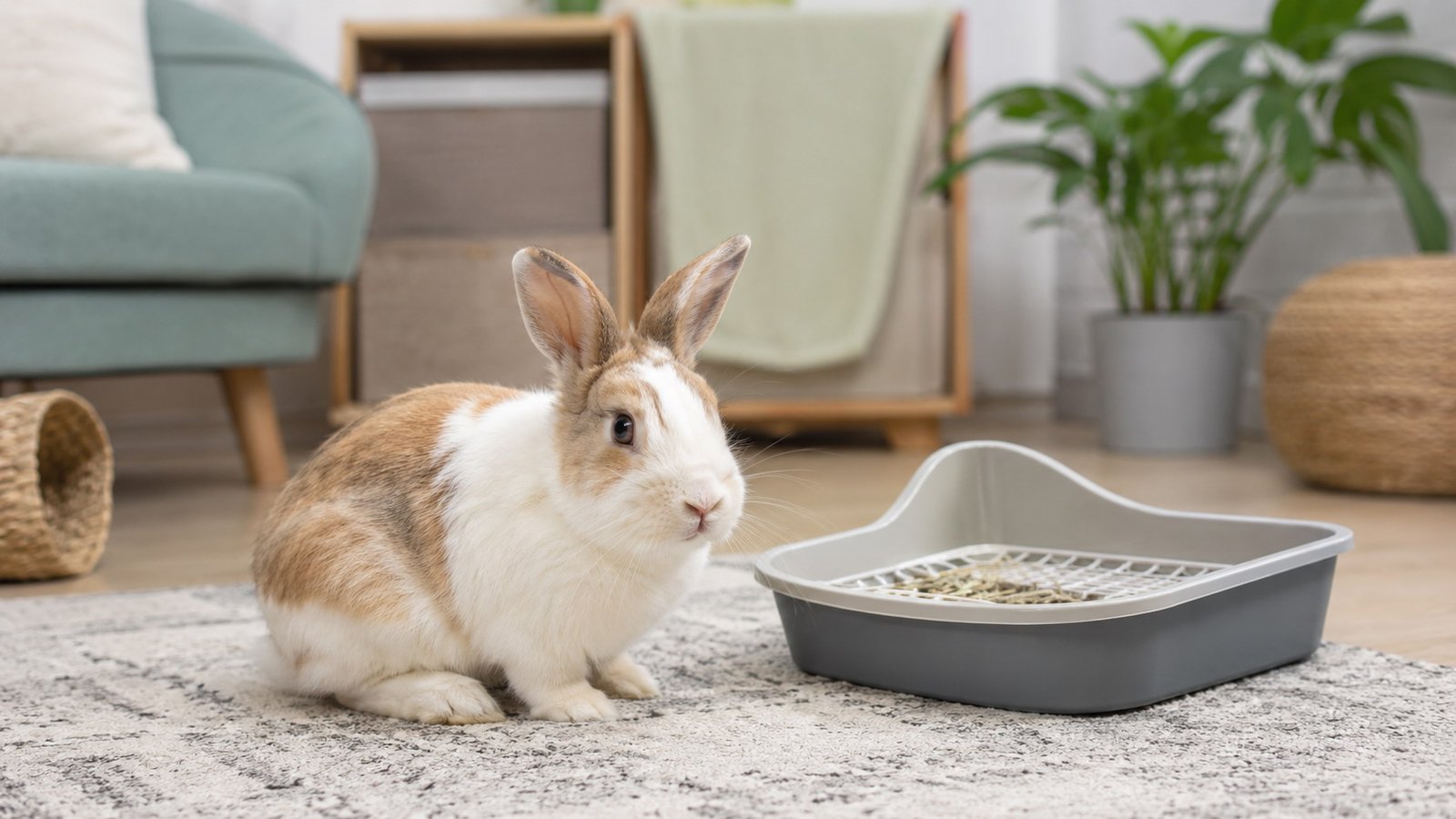
Rabbit owners often discover that how to get rid of the smell of rabbit urine becomes one of the biggest challenges of indoor rabbit care. While rabbits themselves are generally clean animals, urine can produce a strong ammonia-like odor if litter boxes, bedding, or living areas are not managed properly.
The good news is that persistent rabbit urine smells are usually preventable. With the right cleaning methods, litter choices, and daily maintenance habits, you can keep your home smelling fresh while ensuring your rabbit stays comfortable and healthy. This guide covers the causes of rabbit urine odor, effective cleaning solutions, and practical tips that work in real-world rabbit households.
In This Article
Why Rabbit Urine Smells So Strong (and When It’s Not Normal)
Rabbit urine naturally contains compounds that break down into ammonia over time. Fresh urine may have a mild odor, but once it sits in a litter box or soaks into bedding, the smell can quickly become much stronger.
Understanding the cause of the odor is the first step toward eliminating it effectively.
Understanding the Natural Composition of Rabbit Urine
Rabbit urine varies in color and concentration depending on hydration, diet, and overall health. Healthy rabbit urine can range from pale yellow to dark orange or reddish-brown.
When urine begins to decompose, bacteria convert waste products into ammonia gas. That sharp smell is often what owners notice most.
A clean rabbit should not make an entire room smell unpleasant. Strong odors usually point to environmental factors rather than the rabbit itself.
Why Ammonia Builds Up in Rabbit Enclosures
Ammonia develops when urine accumulates faster than it is removed. Poor ventilation can trap those fumes, making the odor seem even stronger.
Common causes include:
- Overfilled litter boxes
- Infrequent cage cleaning
- Damp bedding
- Poor air circulation
- Multiple rabbits sharing limited litter space
Small amounts of odor are normal, but strong ammonia smells indicate that cleaning routines need improvement.
Factors That Make Rabbit Urine Smell Worse
Several everyday factors can intensify rabbit urine odor.
| Factor | Impact on Odor |
| Dehydration | Produces more concentrated urine |
| Dirty litter boxes | Allows ammonia to accumulate |
| High humidity | Traps odors and moisture |
| Poor ventilation | Prevents odors from dissipating |
| Inadequate litter | Fails to absorb moisture effectively |
Diet can also influence odor. Rabbits that consume insufficient water may produce darker, stronger-smelling urine than well-hydrated rabbits.
When a Strong Urine Odor Could Signal a Health Problem
Occasionally, an unusually foul smell may indicate an underlying medical issue.
Watch for symptoms such as:
- Straining during urination
- Frequent attempts to urinate
- Thick or sludgy urine
- Blood in the urine
- Reduced appetite
- Lethargy
Any sudden change in urine smell accompanied by behavioral changes warrants veterinary attention.
Helpful rabbit health information is available through the House Rabbit Society, a respected rabbit welfare organization.
How to Get Rid of the Smell of Rabbit Urine: Start With the Source
Many owners try air fresheners or scented sprays first. Unfortunately, those products often mask odors temporarily without addressing the real cause.
Successful odor control begins by identifying exactly where urine is accumulating.
Identifying Where Odors Are Coming From
Rabbit urine odors often linger in unexpected places.
Check areas such as:
- Litter box corners
- Under hay racks
- Beneath food bowls
- Exercise pen edges
- Carpeted areas near litter boxes
- Baseboards near rabbit spaces
A room may continue smelling even after cleaning if hidden urine spots remain untreated.
Common Odor Hotspots in Rabbit Housing
Certain locations consistently trap odors.
Litter Boxes
The litter box is usually the primary source of smell. Urine pools at the bottom and creates ammonia if not cleaned regularly.
Bedding
Absorbent bedding can hold moisture and odors for days if not replaced frequently.
Cage Corners
Many rabbits repeatedly urinate in the same corner. Those areas can develop stubborn odor buildup over time.
Carpets and Furniture
Accidental urine spots can soak deep into fibers and padding, creating persistent smells long after the surface appears clean.
Why Masking Odors Rarely Works Long-Term
Scented candles, room sprays, and air fresheners may temporarily cover odors, but they do not remove urine residue.
In some cases, strong fragrances can even irritate a rabbit’s sensitive respiratory system.
Removing the source is always more effective than covering the smell.
A fresh-smelling home comes from proper cleaning, not stronger fragrances.
The Best Way to Clean Rabbit Urine From Different Surfaces
Different surfaces require different cleaning approaches. Using the wrong method can leave odors behind or even damage household materials.
Hard Floors
Tile, laminate, vinyl, and sealed wood floors are generally the easiest surfaces to clean.
Follow these steps:
- Blot fresh urine immediately.
- Wipe the area with warm water.
- Apply a 1:1 mixture of white vinegar and water.
- Allow it to sit for several minutes.
- Wipe dry with a clean cloth.
Vinegar helps neutralize ammonia while breaking down mineral deposits that can trap odors.
Avoid ammonia-based cleaners. Their smell resembles rabbit urine and may encourage repeat marking.
Carpet and Rugs
Carpet fibers can hold urine deep below the surface.
For best results:
- Blot excess moisture immediately.
- Apply an enzyme-based pet cleaner.
- Allow the product to penetrate fully.
- Follow label instructions carefully.
- Let the area dry completely.
Enzyme cleaners break down odor-causing compounds rather than simply masking them.
A second treatment may be necessary for older stains.
Upholstery and Furniture
Fabric furniture can absorb urine surprisingly quickly.
To remove odors:
- Blot moisture immediately
- Use an upholstery-safe enzyme cleaner
- Test cleaners on a hidden area first
- Avoid oversaturating cushions
- Allow complete drying before use
Fans can help speed drying and prevent musty odors from developing.
Rabbit Cages and Pens
Regular deep cleaning prevents odor buildup inside enclosures.
A thorough cleaning routine includes:
- Emptying all bedding and litter
- Washing surfaces with warm water
- Using diluted white vinegar on urine deposits
- Scrubbing corners and seams
- Rinsing thoroughly
- Allowing surfaces to dry completely
Pay special attention to areas beneath litter boxes and around enclosure edges.
Many owners focus only on visible messes while overlooking urine residue hidden in corners. Those neglected spots often become the biggest source of lingering rabbit urine odor.
Natural Odor Eliminators That Actually Work
Finding a solution that truly removes rabbit urine odor—not just covers it up—can save a lot of frustration. Many commercial products promise instant results, but only a few methods consistently eliminate the source of the smell.
White Vinegar for Neutralizing Ammonia
White vinegar is one of the most effective and affordable cleaning tools for rabbit owners.
Its mild acidity helps break down alkaline urine deposits and neutralize ammonia odors that develop over time.
To use it safely:
- Mix equal parts white vinegar and water
- Spray directly onto cleaned surfaces
- Let it sit for 5–10 minutes
- Wipe dry with a clean cloth
Vinegar is especially useful for removing the white, chalky mineral deposits rabbits often leave in litter boxes.
Tip: Keep a spray bottle of diluted vinegar near your rabbit’s enclosure for quick spot cleaning.
Baking Soda: Benefits and Limitations
Baking soda is excellent at absorbing odors, but it works best as a supplement rather than a primary cleaner.
Useful applications include:
- Sprinkling a small amount beneath litter box liners
- Deodorizing carpets after urine has been cleaned
- Freshening garbage bins used for litter disposal
However, baking soda does not break down urine compounds the way enzyme cleaners do.
Think of baking soda as an odor absorber, not an odor remover.
Enzyme Cleaners for Rabbit Urine Odors
Enzyme cleaners are often considered the gold standard for removing pet urine odors.
These products contain beneficial enzymes that digest organic waste molecules responsible for lingering smells.
Benefits include:
- Eliminating odor at its source
- Reducing repeat marking behavior
- Working well on carpets and upholstery
- Effective on old urine stains
When selecting an enzyme cleaner, choose a pet-safe formula and follow the manufacturer’s instructions carefully.
Patience is important. Enzyme cleaners often require several hours to fully break down odor-causing compounds.
Pet-Safe Deodorizing Options
Several rabbit-friendly deodorizing methods can help maintain a fresher environment between cleanings.
Safe options include:
- Increased ventilation
- Air purifiers with HEPA filters
- Frequent litter changes
- Highly absorbent litter materials
- Regular washing of enclosure accessories
Air circulation alone can significantly reduce noticeable odors, especially in smaller rooms.
Ingredients to Avoid Around Rabbits
Rabbits have sensitive respiratory systems, making some cleaning products potentially harmful.
Avoid products containing:
- Bleach fumes
- Ammonia-based cleaners
- Strong artificial fragrances
- Aerosol sprays
- Phenol-based disinfectants
If a cleaner smells overwhelmingly strong to you, it may be even more irritating to your rabbit.
Whenever possible, choose products specifically labeled as pet-safe.
How to Prevent Rabbit Urine Smell From Coming Back
Eliminating odors once is helpful. Preventing them from returning is even better.
Consistent maintenance is the secret to keeping rabbit areas fresh year-round.
Creating an Effective Daily Cleaning Routine
A few minutes each day can dramatically reduce odor buildup.
Simple daily tasks include:
- Removing heavily soiled litter
- Wiping obvious urine splashes
- Refilling fresh hay
- Checking for accidents outside the litter box
Many rabbit owners find that daily spot cleaning takes less than five minutes once it becomes a habit.
Weekly Maintenance Checklist
Weekly cleaning helps address areas that daily maintenance may miss.
Use this checklist:
✔ Empty and wash litter boxes
✔ Replace bedding completely
✔ Clean food and water dishes
✔ Wipe enclosure surfaces
✔ Vacuum surrounding floors
✔ Inspect for hidden urine spots
✔ Wash blankets and mats
A regular schedule prevents odor-causing residue from accumulating over time.
Improving Airflow and Ventilation
Poor airflow can make even a clean rabbit area smell stronger than it actually is.
Ways to improve ventilation include:
- Opening windows when weather permits
- Using ceiling or oscillating fans
- Running air purifiers
- Avoiding cramped enclosure locations
Fresh air helps disperse moisture and ammonia before they become noticeable.
Managing Humidity Levels Indoors
Humidity can trap odors and encourage bacterial growth.
Ideal indoor humidity generally falls between 30% and 50%.
If your home feels damp, consider:
- Using a dehumidifier
- Increasing airflow
- Cleaning wet bedding promptly
- Avoiding water spills around the enclosure
Lower humidity often results in a fresher-smelling environment.
Choosing the Right Location for Your Rabbit’s Enclosure
Location matters more than many owners realize.
A rabbit enclosure should be placed in an area that is:
- Well ventilated
- Dry
- Temperature stable
- Easy to access for cleaning
Avoid placing litter boxes in enclosed closets, poorly ventilated corners, or damp basements where odors can concentrate.
Choosing the Right Litter to Reduce Rabbit Urine Odor
The litter you choose plays a major role in controlling rabbit urine smell.
Some products absorb moisture exceptionally well, while others allow odors to develop quickly.
Paper-Based Litter vs. Wood Pellets
Two of the most popular rabbit litter options are recycled paper litter and compressed wood pellets.
| Feature | Paper-Based Litter | Wood Pellets |
| Absorbency | Very good | Excellent |
| Odor Control | Good | Excellent |
| Dust Level | Low | Very low |
| Cost | Moderate | Often economical |
| Compostability | Usually yes | Usually yes |
Wood pellets often provide superior odor control because they absorb large amounts of moisture quickly.
Paper litter remains popular because it is soft, comfortable, and easy to dispose of.
Absorbency Comparison
High absorbency is critical because moisture is what allows ammonia odors to develop.
Generally, the most absorbent rabbit-safe options include:
- Compressed wood pellets
- Recycled paper pellets
- Paper-based bedding products
Low-absorbency materials require more frequent changes and often lead to stronger odors.
Odor Control Performance
Not all litter marketed for small pets performs equally.
The best odor-control litters:
- Lock moisture away quickly
- Dry efficiently
- Minimize ammonia buildup
- Remain effective between cleanings
Owners with multiple rabbits often notice a significant improvement after switching from loose bedding to pellet-based litter systems.
Litters That Should Never Be Used for Rabbits
Certain litter materials can pose health risks.
Avoid:
- Clumping cat litter
- Clay-based cat litter
- Cedar shavings
- Pine shavings that are not kiln-dried
- Scented litter products
Some materials can create excessive dust, respiratory irritation, or digestive problems if ingested.
Rabbit-safe litter should prioritize safety first and odor control second.
What Rabbit Owners Should Prioritize When Shopping
When selecting litter, look for:
- High absorbency
- Low dust production
- Strong odor control
- Rabbit-safe ingredients
- Easy cleaning and disposal
A quality litter may cost slightly more upfront, but it often reduces cleaning frequency and improves odor control enough to make it worthwhile.
Many experienced rabbit owners find that combining a highly absorbent pellet litter with a consistent cleaning schedule is the most effective long-term strategy for getting rid of the smell of rabbit urine.
Could Your Rabbit’s Diet Be Affecting Urine Odor?
Many rabbit owners focus on cleaning products and litter choices when dealing with urine odor, but diet can play a surprisingly important role as well.
A healthy rabbit that eats a balanced diet and drinks enough water typically produces less concentrated urine, which often means less odor.
The Connection Between Hydration and Urine Concentration
Water helps dilute waste products that are naturally excreted through urine.
When a rabbit does not drink enough, urine becomes more concentrated. Concentrated urine tends to have a stronger smell and may leave heavier mineral deposits in litter boxes.
Signs that may suggest inadequate hydration include:
- Darker urine color
- Thick urine residue
- Stronger-than-usual odor
- Reduced water consumption
Fresh, clean water should always be available.
Encouraging Healthy Water Intake
Some rabbits naturally drink more than others, but there are ways to encourage better hydration.
Try these tips:
- Offer fresh water daily
- Wash water bowls regularly
- Use a heavy ceramic bowl instead of only a water bottle
- Provide fresh leafy greens with high moisture content
- Keep water away from litter contamination
Many rabbits drink more from bowls than bottles, making hydration easier to maintain.
Foods That Support Overall Urinary Health
A rabbit’s digestive and urinary systems work best when supported by a proper diet.
A healthy feeding plan should include:
- Unlimited grass hay
- Fresh leafy greens
- Clean water
- Measured rabbit pellets
- Occasional healthy treats
High-quality hay is especially important because it promotes overall health and encourages natural water consumption.
Foods commonly included in a balanced rabbit diet include:
| Recommended Foods | Benefits |
| Timothy hay | Supports digestion and hydration |
| Romaine lettuce | Adds moisture to the diet |
| Cilantro | Provides nutrients and hydration |
| Parsley | Can be fed in moderation |
| Rabbit pellets | Complements nutritional needs |
A balanced diet not only supports urinary health but can also contribute to a cleaner litter box and reduced odor.
Related reading opportunity: A detailed rabbit nutrition and hydration guide can help owners optimize their rabbit’s diet for overall wellness.
Litter Training Tips That Help Control Rabbit Urine Smell
One of the most effective ways to reduce rabbit urine odor is through proper litter training.
A litter-trained rabbit concentrates most urine in one location, making cleanup easier and preventing odors from spreading throughout the home.
Why Litter-Trained Rabbits Are Easier to Keep Odor-Free
Rabbits naturally prefer using specific bathroom areas.
When owners encourage this instinct, benefits include:
- Faster cleaning routines
- Reduced urine accidents
- Better odor control
- Cleaner flooring and furniture
- Less wasted litter
Even rabbits that roam freely indoors can maintain excellent litter habits with consistent training.
Encouraging Consistent Litter Box Habits
Successful litter training often starts with proper litter box placement.
Helpful strategies include:
- Place litter boxes where your rabbit already urinates
- Keep hay near or above the litter box
- Use a large litter box with plenty of space
- Clean accidents thoroughly to remove scent markers
- Reward good litter box behavior
Patience is important. Some rabbits learn quickly, while others need several weeks to develop reliable habits.
Fixing Common Litter Box Mistakes
Many litter training problems stem from simple setup issues.
Common mistakes include:
- Using a box that is too small
- Moving the litter box frequently
- Allowing the litter box to become excessively dirty
- Choosing uncomfortable litter materials
- Placing the box in noisy or stressful locations
Correcting these issues often leads to immediate improvements in litter habits.
Managing Urine Spraying and Territorial Marking
Urine spraying differs from normal urination.
Spraying is often related to territorial behavior and can create strong odors on walls, furniture, and enclosure surfaces.
Common causes include:
- Hormonal behavior
- New pets in the household
- Environmental stress
- Territorial disputes between rabbits
Spaying or neutering frequently reduces urine spraying and marking behavior.
If spraying suddenly begins in a previously well-trained rabbit, a veterinary examination may be worthwhile to rule out medical concerns.
Common Mistakes That Make Rabbit Urine Smell Worse
Sometimes odor problems persist despite regular cleaning because certain habits accidentally make the situation worse.
Avoiding these common mistakes can significantly improve odor control.
Waiting Too Long Between Cleanings
Urine begins producing ammonia as it breaks down.
Even excellent litter cannot fully prevent odor if cleaning is delayed for too long.
For most rabbits:
- Daily spot cleaning is ideal
- Litter boxes should be refreshed regularly
- Deep cleaning should occur weekly
The longer urine sits, the harder it becomes to eliminate the smell completely.
Using Heavily Scented Products
Strong fragrances may seem like a quick solution, but they often create new problems.
Potential drawbacks include:
- Irritating a rabbit’s respiratory system
- Masking odors rather than removing them
- Mixing with ammonia smells and creating unpleasant combinations
A genuinely clean rabbit area should not rely on heavy perfumes.
Cleaning With Ammonia-Based Cleaners
This mistake is surprisingly common.
Ammonia cleaners smell similar to rabbit urine and may encourage some rabbits to continue marking the same area.
Instead, choose:
- White vinegar solutions
- Pet-safe enzyme cleaners
- Rabbit-safe disinfectants
These products remove odor without reinforcing territorial behaviors.
Overlooking Hidden Urine Spots
Owners often clean visible messes while missing less obvious areas.
Frequently overlooked locations include:
- Under litter boxes
- Behind furniture
- Baseboards
- Under rugs
- Exercise pen corners
A single hidden urine spot can continue producing odors for weeks.
Regular inspections help prevent this problem.
Using the Wrong Bedding Materials
Some bedding products simply do not absorb urine effectively.
Poor bedding choices can lead to:
- Faster ammonia buildup
- Damp living conditions
- Increased bacterial growth
- More frequent cleaning requirements
Effective odor control starts with highly absorbent, rabbit-safe litter and bedding materials.
When strong rabbit urine odors persist despite good cleaning practices, it is often worth reevaluating litter choice, enclosure setup, and daily maintenance habits rather than relying on stronger cleaning products.
When Rabbit Urine Odor May Indicate a Health Issue
Most urine odors can be traced back to cleaning routines, litter choices, or environmental factors. Occasionally, however, a strong or unusual smell may point to an underlying health problem.
Recognizing the difference between a housekeeping issue and a medical concern can help protect your rabbit’s well-being.
Signs the Smell Is Not Just a Cleanliness Problem
A healthy rabbit may produce urine with a noticeable odor, but sudden changes deserve attention.
Watch for signs such as:
- Urine that smells significantly stronger than normal
- A foul or unusual odor that persists despite cleaning
- Changes in urine color or consistency
- Increased accidents outside the litter box
- Visible discomfort while urinating
Behavioral changes often provide important clues that something more serious may be happening.
Possible Urinary Tract Concerns
Several urinary conditions can affect rabbits and may contribute to unusual urine odors.
Potential issues include:
- Urinary tract infections
- Bladder inflammation
- Kidney disease
- Urinary stones
These conditions may also cause symptoms such as:
- Frequent urination
- Straining
- Reduced appetite
- Lethargy
- Changes in drinking habits
Early veterinary intervention generally leads to better outcomes.
Bladder Sludge and Other Rabbit-Specific Conditions
Rabbits process calcium differently from many other pets. Excess calcium is often excreted through urine, which can sometimes result in a thick, pasty substance known as bladder sludge.
Symptoms may include:
- Thick or chalky urine
- Difficulty urinating
- Reduced activity
- Urine scalding around the hindquarters
Bladder sludge can become painful if left untreated and should be evaluated by a rabbit-savvy veterinarian.
When to Consult a Rabbit-Savvy Veterinarian
Seek veterinary care if you notice:
- Blood in the urine
- Persistent straining
- Complete inability to urinate
- Significant changes in urine odor
- Loss of appetite
- Signs of pain or distress
A sudden change in urine odor combined with other symptoms should never be ignored.
A veterinarian can determine whether the odor is related to diet, hydration, infection, or another medical condition.
Related reading opportunity: Rabbit health warning signs every owner should know.
Myths vs. Facts About Rabbit Urine Odor
Rabbit urine odor is surrounded by plenty of misconceptions. Understanding the facts can help owners make better decisions.
Myth: Rabbits Naturally Smell Bad
Many people assume rabbits are inherently smelly pets.
Fact: Healthy rabbits are actually very clean animals. Persistent odors usually come from urine buildup, poor litter management, or environmental issues rather than the rabbit itself.
Myth: Air Fresheners Solve the Problem
Air fresheners may temporarily improve the smell of a room.
Fact: They only mask odors and do not remove urine residue or ammonia buildup.
Long-term odor control requires proper cleaning and maintenance.
Myth: Frequent Bathing Reduces Urine Odor
Some owners mistakenly believe bathing their rabbit will help.
Fact: Rabbits generally do not need baths. Frequent bathing can cause stress, skin problems, and even dangerous drops in body temperature.
The odor source is usually the environment, not the rabbit’s fur.
Fact: Proper Housing and Hygiene Prevent Most Odor Issues
Clean litter boxes, good ventilation, absorbent litter, and regular maintenance solve the vast majority of rabbit urine odor problems.
When these fundamentals are in place, rabbit enclosures can remain surprisingly fresh.
Frequently Asked Questions About How to Get Rid of the Smell of Rabbit Urine
How often should I clean a rabbit litter box?
Most rabbit owners benefit from daily spot cleaning and a full litter box cleaning at least once or twice per week. Households with multiple rabbits may need more frequent maintenance.
What is the best cleaner for rabbit urine?
White vinegar solutions and pet-safe enzyme cleaners are generally considered the most effective options. They neutralize odors without exposing rabbits to harsh chemicals.
Why does my rabbit’s urine smell stronger than usual?
Concentrated urine from dehydration, delayed litter cleaning, dietary changes, or certain health conditions can all contribute to stronger odors. Sudden changes should be monitored closely.
Are enzyme cleaners safe for rabbits?
Most pet-safe enzyme cleaners are safe when used according to label directions. Always allow cleaned surfaces to dry fully before allowing your rabbit access.
Can rabbit urine permanently damage carpets?
If urine penetrates deeply and remains untreated for extended periods, staining and odor can become difficult to remove. Prompt cleaning significantly reduces the risk of permanent damage.
How do I remove rabbit urine smell from a room?
Clean all affected surfaces thoroughly, replace soiled litter, improve ventilation, use absorbent litter materials, and identify any hidden urine spots that may continue producing odors.
Why does my rabbit’s litter box smell only one day after cleaning?
This often indicates insufficient litter absorbency, inadequate litter depth, poor ventilation, or the need for more frequent spot cleaning.
Does spaying or neutering help reduce urine odor?
Spaying or neutering can reduce territorial marking and urine spraying, which often helps control odors throughout the home.
Fresh Home, Happy Rabbit: Key Takeaways
Getting rid of the smell of rabbit urine is rarely about finding a stronger cleaner. Success usually comes from addressing the root causes—maintaining a clean litter box, choosing absorbent litter, encouraging healthy hydration, and ensuring good airflow around your rabbit’s living space.
Most odor problems can be solved with a consistent routine and a few simple adjustments. At the same time, staying alert to unusual changes in urine smell can help you identify potential health issues before they become serious.
A clean environment benefits both you and your rabbit. Start by evaluating your litter setup, cleaning schedule, and ventilation today. Small improvements often make a noticeable difference, leading to a fresher home and a happier, healthier rabbit. If you’re looking to improve your rabbit care even further, explore guides on rabbit nutrition, litter training, and preventive health care to build the best possible environment for your furry companion.

Passionate about pets and animal care, we shares trusted tips, fun facts, and practical advice to help pet lovers give their furry, feathered, and scaly companions the best life possible. From everyday care guides to fascinating animal insights, we’re dedicated to making pet information easy, helpful, and enjoyable for every reader.