
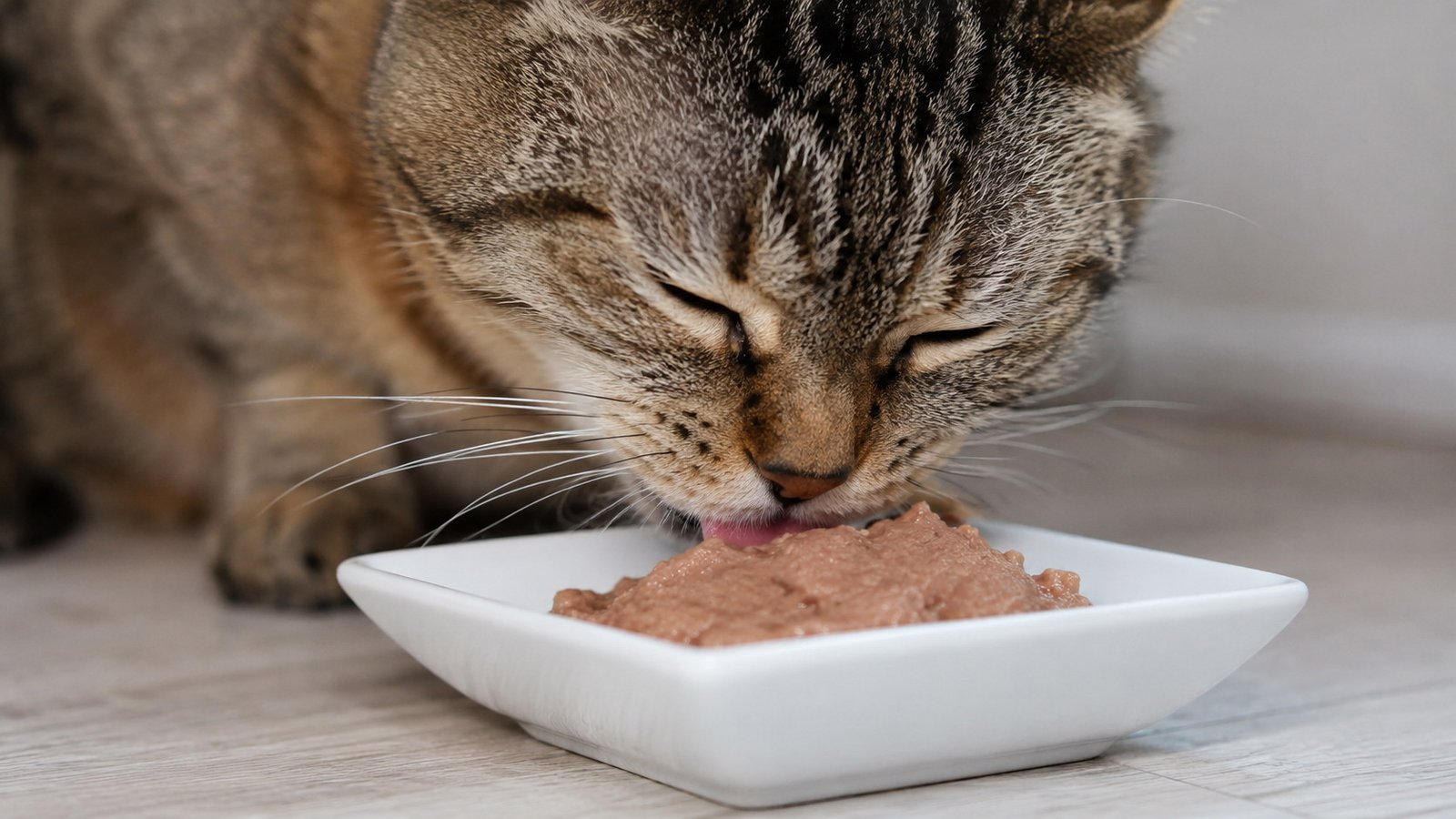
Cats can live happy, healthy lives without teeth, but their diet often needs adjustment. The best cat food for cats with no teeth is typically soft, moisture-rich, easy to swallow, and nutritionally complete. Wet cat food is usually the top choice because it requires little to no chewing and helps support hydration at the same time.
Many toothless cats continue eating normally after dental extractions, while others need softer textures, smaller portions, or gentler feeding routines. Choosing the right food can improve comfort, digestion, weight maintenance, and overall quality of life.
This guide explains exactly what to feed a cat with no teeth, which ingredients and textures work best, common mistakes to avoid, and how to transition your cat safely.
In This Article
Quick Answer: What Is the Best Food for Cats With No Teeth?
The best food for toothless cats is:
- Soft wet cat food with a smooth or shredded texture
- High-protein and nutritionally complete
- Easy to swallow without heavy chewing
- Moisture-rich to support hydration
- Gentle on sensitive gums
Many cats without teeth do especially well with:
- Pâté-style canned food
- Minced or shredded wet food
- Rehydrated freeze-dried food
- Soft homemade vet-approved diets
- Soaked kibble in some cases
Cats do not chew food the same way humans do. Even cats with full teeth often swallow small pieces whole. That is why many toothless cats can still eat successfully once they adapt.
Why Some Cats Have No Teeth
A cat may lose all or most of its teeth due to:
- Severe dental disease
- Gingivitis or stomatitis
- Tooth resorption
- Injury or trauma
- Age-related dental issues
- Full-mouth dental extraction surgery
Dental extractions are surprisingly common in older cats and cats with chronic oral pain. In many cases, removing damaged teeth actually improves a cat’s comfort dramatically.
After recovery, many cats eat better than they did before because they are no longer experiencing pain while eating.
Can Cats Eat Normally Without Teeth?
Yes, many cats can eat surprisingly well without teeth.
Cats use their tongues and strong jaw muscles to move food toward the throat. They are not heavy chewers like humans or dogs. Small, soft pieces of food are often swallowed with minimal chewing.
Still, some cats struggle with:
- Large chunks of food
- Dry kibble
- Hard treats
- Crunchy textures
- Sensitive gums after dental surgery
The key is finding a texture your cat can manage comfortably.
Best Types of Cat Food for Cats With No Teeth
Wet Cat Food
Wet food is usually the best overall option for toothless cats.
Benefits include:
- Soft texture
- Easy swallowing
- Higher moisture content
- Easier digestion for some cats
- More aroma and flavor
Look for foods labeled:
- Pâté
- Minced
- Shredded
- Mousse
- Smooth loaf
Cats with sensitive gums often prefer smooth textures over chunky foods.
Pâté Cat Food
Pâté is often the easiest texture for completely toothless cats.
Why it works well:
- Smooth consistency
- Minimal chewing required
- Easy to lick and swallow
- Can be mixed with warm water
You can also mash pâté further with a fork to create a softer consistency.
Shredded or Minced Wet Food
Some cats prefer meat fibers and chunks rather than smooth pâté.
Minced and shredded foods can work well if:
- Pieces are very small
- The food is moist enough
- Your cat swallows comfortably
If the pieces are too large, lightly mash them before serving.
Rehydrated Freeze-Dried Cat Food
Freeze-dried raw or gently cooked food can be softened with warm water.
Benefits include:
- High protein
- Soft texture after rehydration
- Strong aroma that encourages eating
Always fully rehydrate freeze-dried food for cats with no teeth.
Soaked Dry Cat Food
Some cats continue eating kibble without teeth, but others cannot manage it comfortably.
If you want to use dry food:
- Add warm water or low-sodium broth
- Let the kibble soften completely
- Mash lightly if needed
Avoid partially softened kibble, which may still be difficult to swallow.
Comparison Table: Best Food Textures for Toothless Cats
| Food Type | Ease of Eating | Hydration Support | Best For |
| Pâté wet food | Excellent | Excellent | Most toothless cats |
| Minced wet food | Very good | Excellent | Cats that like texture |
| Shredded wet food | Good | Excellent | Experienced eaters |
| Rehydrated freeze-dried food | Very good | Good | High-protein diets |
| Soaked kibble | Moderate | Moderate | Cats attached to dry food |
| Dry kibble | Poor to moderate | Poor | Only some cats tolerate it |
What Nutrients Matter Most for Toothless Cats?
Texture matters, but nutrition matters even more.
High-Quality Animal Protein
Cats are obligate carnivores, meaning they require animal-based protein.
Look for foods with:
- Chicken
- Turkey
- Beef
- Salmon
- Rabbit
- Duck
Protein supports:
- Muscle maintenance
- Immune health
- Energy levels
- Healthy aging
Moisture Content
Hydration becomes especially important in older cats and cats eating soft food.
Wet food naturally supports hydration because it contains significantly more moisture than kibble.
This may help support:
- Kidney health
- Urinary tract function
- Digestion
Moderate Fat Levels
Fat improves flavor and calorie density, which helps cats maintain weight.
However, extremely fatty foods may upset sensitive stomachs.
Taurine
Taurine is an essential amino acid for cats.
A complete commercial cat food should contain adequate taurine to support:
- Heart health
- Vision
- Nervous system function
Soft Digestible Ingredients
Some toothless cats are seniors with additional digestive sensitivities.
Gentle ingredients may help reduce stomach upset and improve appetite.
How to Transition a Cat to Soft Food
Cats can be picky about texture changes, especially if they have eaten kibble for years.
Step-by-Step Transition
1. Start Slowly
Mix a small amount of wet food into the current diet.
2. Warm the Food Slightly
Warm food smells stronger and often encourages eating.
Avoid serving food hot.
3. Increase Moisture Gradually
Add water little by little if softening food.
4. Observe Eating Behavior
Watch for:
- Dropping food
- Pawing at the mouth
- Gagging
- Refusal to eat
5. Adjust Texture
Some cats prefer smooth pâté while others prefer shredded textures.
Experiment carefully.
Best Feeding Practices for Cats With No Teeth
Serve Smaller Portions More Often
Small meals are easier for many senior or recovering cats.
Use Shallow Bowls
Deep bowls can irritate sensitive whiskers and make eating awkward.
Keep Food Fresh
Wet food dries quickly. Remove leftovers after prolonged sitting.
Add Warm Water
Warm water softens texture and increases aroma.
Monitor Weight
Toothless cats can lose weight if eating becomes difficult.
Regular weigh-ins help catch problems early.
Common Mistakes Owners Make
Assuming Cats Cannot Eat Without Teeth
Many toothless cats eat very well once healed from dental surgery.
Feeding Only Dry Kibble
Some cats tolerate dry food, but many struggle silently.
Signs of difficulty include:
- Slow eating
- Dropping food
- Weight loss
- Avoiding meals
Ignoring Dental Pain History
Cats often hide pain. If eating behavior changes suddenly, consult a veterinarian.
Switching Foods Too Quickly
Abrupt diet changes can cause digestive upset and food refusal.
Overlooking Hydration
Cats naturally have a low thirst drive. Moisture-rich diets are usually beneficial.
Are Homemade Diets Safe for Toothless Cats?
Homemade diets can work, but only if properly balanced.
A homemade diet lacking essential nutrients may lead to serious health problems over time.
If considering homemade food:
- Work with a veterinary nutritionist
- Ensure proper taurine levels
- Include balanced vitamins and minerals
- Avoid unsafe ingredients
Simply feeding plain chicken or fish is not nutritionally complete.
Can Cats With No Teeth Eat Treats?
Yes, but soft treats are usually best.
Good options include:
- Soft lickable treats
- Puréed treats
- Small moist training treats
- Crumbled freeze-dried treats soaked in water
Avoid:
- Hard crunchy treats
- Bones
- Tough jerky-style treats
Signs Your Toothless Cat Is Struggling to Eat
Watch for:
- Weight loss
- Food falling from the mouth
- Excessive drooling
- Bad breath
- Reduced appetite
- Pawing at the mouth
- Swallowing difficulties
- Avoiding hard foods entirely
These signs may indicate:
- Gum pain
- Oral inflammation
- Infection
- Difficulty swallowing
- Another medical issue
A veterinary exam is important if symptoms appear.
Best Practices for Feeding Cats With No Teeth
Prioritize Comfort
The best food is one your cat can eat comfortably and consistently.
Focus on Moisture
Hydration supports long-term health.
Keep Texture Soft
Soft foods reduce stress on gums and make eating easier.
Maintain Routine
Cats thrive on predictable feeding schedules.
Schedule Regular Vet Checkups
Even toothless cats still need oral health monitoring.
Do Older Cats Without Teeth Need Special Senior Food?
Not always.
Senior-specific cat food may help if a cat has:
- Kidney disease
- Reduced appetite
- Weight loss
- Joint issues
- Lower activity levels
However, the most important factor is whether the food is complete, balanced, and easy to eat.
Wet Food vs Dry Food for Cats With No Teeth
| Feature | Wet Food | Dry Food |
| Easy to eat | Excellent | Poor to moderate |
| Hydration support | Excellent | Low |
| Aroma and palatability | Strong | Moderate |
| Texture flexibility | High | Low |
| Storage convenience | Moderate | Excellent |
| Best choice for toothless cats | Usually yes | Sometimes tolerated |
Frequently Asked Questions
Can a cat survive with no teeth?
Yes. Many cats live comfortably for years without teeth, especially after painful dental disease is treated.
Should cats with no teeth eat only wet food?
Wet food is usually the easiest option, but some cats can still eat softened or even dry kibble depending on their comfort level.
Can toothless cats eat dry food?
Some can, but many do better with softened or wet diets. Dry kibble may be difficult for cats with sensitive gums.
How do cats chew without teeth?
Cats often swallow food with minimal chewing. Their tongues and jaw muscles help move food toward the throat.
What texture is easiest for toothless cats?
Smooth pâté or mousse-style wet food is often easiest because it requires little effort to eat.
Do cats feel better after full dental extraction?
Many cats improve significantly after painful diseased teeth are removed and healing is complete.
Quick Summary
Here are the key things to remember about feeding cats with no teeth:
- Wet food is usually the best option
- Pâté textures are easiest for many cats
- Moisture-rich diets help support hydration
- Many toothless cats can still eat surprisingly well
- Softened food reduces discomfort
- Balanced nutrition matters more than texture alone
- Watch closely for weight loss or eating difficulties
- Veterinary guidance is important for ongoing oral health
Final Thoughts on the Best Cat Food for Cats With No Teeth
The best cat food for cats with no teeth is soft, nutritious, easy to swallow, and comfortable to eat consistently. Most toothless cats thrive on high-quality wet food, especially smooth pâté or finely minced textures with strong moisture content.
What matters most is your cat’s comfort and ability to maintain a healthy weight without stress or pain during meals. Some cats adapt quickly after dental extraction, while others need experimentation with textures and feeding routines.
With the right diet and regular veterinary care, cats without teeth can continue enjoying meals and living healthy, comfortable lives.

Passionate about pets and animal care, we shares trusted tips, fun facts, and practical advice to help pet lovers give their furry, feathered, and scaly companions the best life possible. From everyday care guides to fascinating animal insights, we’re dedicated to making pet information easy, helpful, and enjoyable for every reader.