
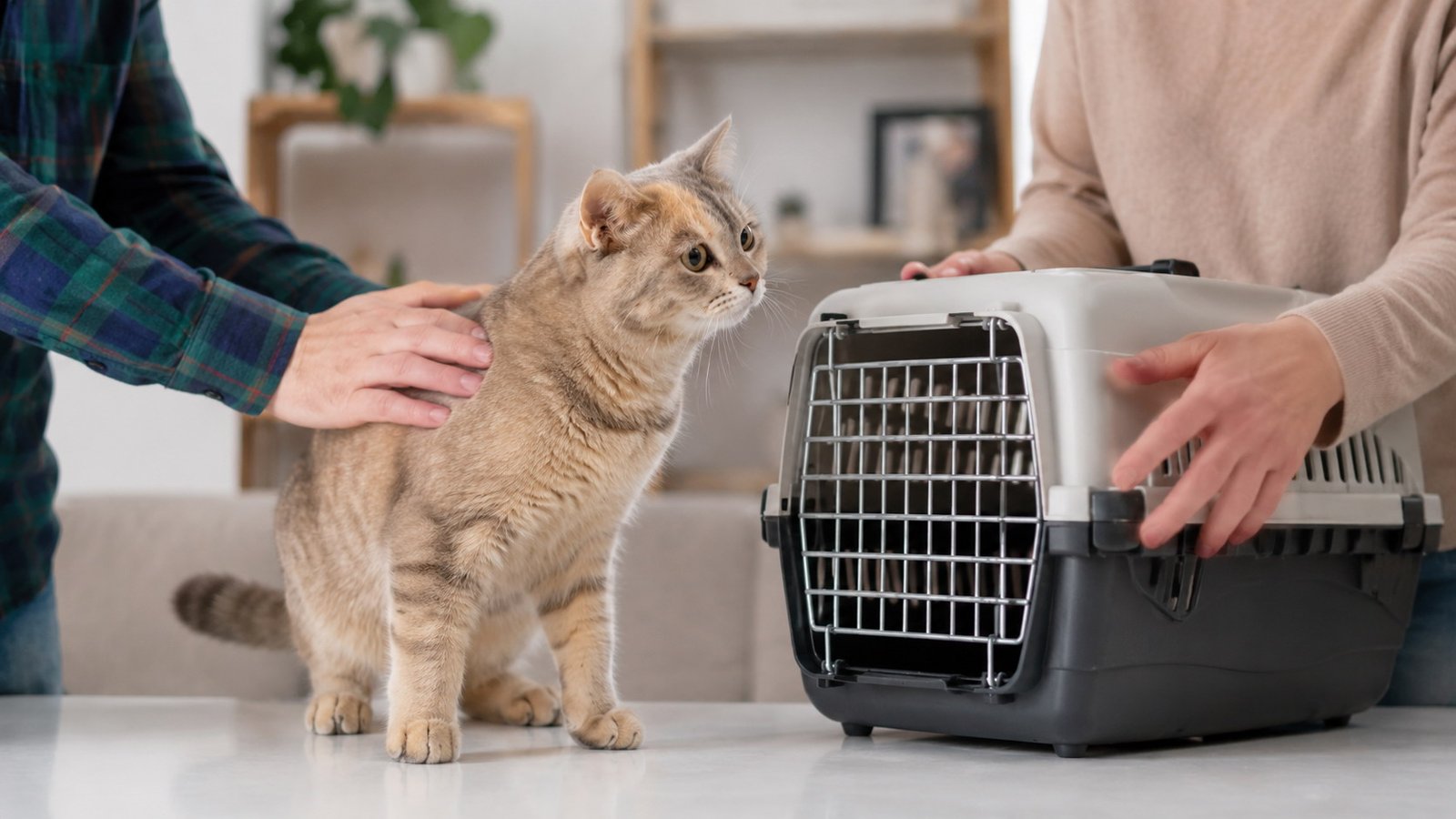
Rehoming a cat is never an easy decision. Whether you’re dealing with allergies, financial hardship, housing restrictions, behavioral challenges, or major life changes, the goal should always be the same: finding a safe, stable, and loving new home for your cat.
The best way to rehome a cat is to prepare carefully, screen potential adopters thoroughly, and avoid rushing the process. Responsible rehoming helps reduce stress for the cat and lowers the risk of abandonment, neglect, or the cat ending up in a shelter later.
This guide explains exactly how to rehome a cat safely, ethically, and successfully while protecting your pet’s wellbeing.
In This Article
Quick Summary: How to Rehome a Cat
| Step | What to Do |
| 1 | Evaluate whether rehoming is truly necessary |
| 2 | Gather veterinary and behavioral records |
| 3 | Prepare an honest cat profile |
| 4 | Ask friends, family, and trusted networks first |
| 5 | Use reputable rehoming websites or rescue groups |
| 6 | Screen adopters carefully |
| 7 | Charge a reasonable adoption fee |
| 8 | Transition the cat gradually if possible |
| 9 | Follow up after adoption |
What Does It Mean to Rehome a Cat?
Rehoming a cat means transferring ownership and care of the cat to another person or family permanently. Unlike surrendering a cat to a shelter, rehoming usually involves finding a new home directly.
People rehome cats for many reasons, including:
- Moving to pet-restricted housing
- Financial struggles
- Severe allergies
- Family emergencies
- Behavioral incompatibility
- Conflicts with other pets
- Changes in work schedules
- Health or mobility limitations
Sometimes rehoming is genuinely the most compassionate option. A stable new home may provide a better quality of life than a stressful or unstable environment.
Before Rehoming Your Cat, Consider Alternatives
Because rehoming can be stressful for cats, it’s worth exploring alternatives first.
Temporary Financial Assistance
Some local rescue organizations offer:
- Food assistance programs
- Low-cost veterinary care
- Temporary foster care
- Spay/neuter assistance
- Behavioral support
Animal welfare groups may help owners keep pets during difficult periods rather than surrendering them.
Behavioral Training
Many common behavioral issues can improve with intervention.
Problems like:
- Litter box avoidance
- Scratching furniture
- Aggression
- Excessive vocalization
- Anxiety
may have medical or environmental causes.
A veterinarian or feline behavior specialist can sometimes solve problems that initially seem overwhelming.
Pet-Friendly Housing Resources
If housing is the issue, look for:
- Pet-inclusive rentals
- Assistance programs
- Landlord negotiation options
- Pet references from veterinarians
Some landlords may allow cats with:
- Pet deposits
- Vaccination proof
- Spay/neuter documentation
- References from previous landlords
Signs That Rehoming May Be the Right Decision
Rehoming may be appropriate if:
- Your cat’s needs consistently cannot be met
- The home environment is unsafe
- Severe allergies affect household health
- Financial limitations prevent essential veterinary care
- The cat experiences chronic stress in the current environment
- Aggression creates danger for people or other pets
- You are facing unavoidable life circumstances
Responsible rehoming is far better than neglect, abandonment, or delaying action until a crisis occurs.
How to Prepare Your Cat for Rehoming
Preparation makes the transition smoother for both the cat and the future owner.
Gather Veterinary Records
Collect:
- Vaccination records
- Spay/neuter certificates
- Microchip information
- Medication history
- Medical conditions
- Dietary requirements
Providing accurate records builds trust and helps the adopter continue proper care.
Update Basic Veterinary Care
If possible before rehoming:
- Ensure vaccinations are current
- Treat fleas or parasites
- Schedule a wellness check
- Trim nails
- Groom the cat if needed
Healthy cats are easier to place in good homes.
Create a Cat Profile
A strong profile improves your chances of finding a suitable match.
Include:
- Age
- Breed or mix
- Personality traits
- Energy level
- Compatibility with kids or pets
- Favorite activities
- Medical needs
- Behavioral quirks
Be honest about challenges. Hiding behavioral problems often leads to failed adoptions.
Take Good Photos
Use clear, well-lit images showing:
- The cat relaxed
- Playing
- Sleeping comfortably
- Interacting with people
Avoid blurry or dark photos. Friendly, natural photos help adopters connect emotionally.
Best Places to Rehome a Cat
Not all rehoming options are equally safe or effective.
Friends and Family
This is often the safest option because:
- You already know the person
- You may stay in contact
- The cat transitions more easily
- There is greater accountability
Ask:
- Relatives
- Coworkers
- Neighbors
- Friends
- Local community groups
Breed-Specific Rescue Groups
Purebred cats may benefit from breed rescues experienced with their needs.
Examples include rescues specializing in:
- Maine Coon
- Siamese
- Persian
- Ragdoll
Breed rescues often have experienced foster networks and screening systems.
Local Rescue Organizations
Rescues may:
- List your cat as a courtesy post
- Help screen adopters
- Provide foster care
- Assist with medical evaluations
No-kill rescue organizations are generally preferable when available.
Online Rehoming Platforms
Reputable pet rehoming platforms can connect you with adopters.
Look for platforms that:
- Screen adopters
- Require profiles
- Offer adoption contracts
- Prioritize animal welfare
Avoid anonymous classified ads that lack safety protections.
How to Screen Potential Adopters
Screening is the most important part of responsible rehoming.
Questions to Ask Potential Adopters
Ask about:
- Previous pet ownership
- Current pets
- Living situation
- Landlord pet policies
- Veterinary references
- Work schedules
- Children in the household
- Indoor vs. outdoor plans
You are looking for compatibility, not perfection.
Watch for Red Flags
Avoid adopters who:
- Refuse basic questions
- Want the cat immediately without discussion
- Plan to declaw the cat unnecessarily
- Intend to keep the cat outdoors in unsafe areas
- Cannot explain veterinary care plans
- Show inconsistent stories
Trust your instincts if something feels wrong.
Conduct a Meet-and-Greet
Whenever possible:
- Meet in person
- Observe interactions with the cat
- Discuss expectations openly
- Ask follow-up questions
Some owners also request photos or virtual home tours.
Should You Charge a Rehoming Fee?
Yes, in most cases.
A reasonable rehoming fee:
- Discourages impulsive adopters
- Helps filter out scammers
- Reduces risk of animal exploitation
- Signals that the cat has value and care invested
The fee should generally reflect:
- Veterinary expenses
- Supplies included
- Vaccination status
Avoid giving cats away for free to strangers online.
What to Include With the Cat
Sending familiar items helps reduce stress.
Useful items include:
- Favorite toys
- Bedding
- Food samples
- Litter
- Scratching posts
- Medication
- Carrier
Familiar scents can make the adjustment period easier.
How to Help a Cat Adjust to a New Home
Cats are territorial animals, and transitions can be stressful.
Advice for the New Owner
Encourage adopters to:
- Start the cat in one quiet room
- Maintain a consistent feeding schedule
- Introduce other pets slowly
- Provide hiding spaces
- Avoid overwhelming visitors initially
Some cats adjust within days, while others may need several weeks.
Common Adjustment Behaviors
Newly rehomed cats may:
- Hide
- Eat less temporarily
- Vocalize more
- Sleep excessively
- Avoid interaction
These behaviors are often temporary during adjustment.
Common Mistakes When Rehoming a Cat
Rushing the Process
Desperation can lead to poor placement decisions.
Even in urgent situations, take time to:
- Verify adopters
- Ask questions
- Consider compatibility
Hiding Behavioral Problems
Being dishonest often leads to:
- Returned cats
- Abandonment
- Shelter surrender later
Transparency helps find the right match.
Using Unsafe Online Listings
Public classified sites without screening systems can attract:
- Scammers
- Neglectful owners
- Animal flippers
Prioritize reputable rehoming channels whenever possible.
Forgetting Legal and Identification Details
Before finalizing:
- Transfer microchip registration
- Provide medical records
- Update ownership information
- Create a simple adoption agreement
Best Practices for Ethical Cat Rehoming
Prioritize Indoor Homes
Indoor cats generally face fewer risks from:
- Traffic
- Predators
- Disease
- Poisoning
- Weather extremes
Discuss expectations clearly with adopters.
Match Personality and Lifestyle
A successful match considers:
- Energy levels
- Household activity
- Other pets
- Children
- Experience level
For example:
- Shy cats may prefer quiet homes
- Highly social cats may thrive in active households
Consider Senior Cats Carefully
Older cats often need:
- More medical care
- Stable routines
- Quiet environments
Senior cats can still adapt successfully when placed thoughtfully.
Rehoming Special Situations
Rehoming a Cat With Medical Needs
Be upfront about:
- Medications
- Chronic conditions
- Veterinary costs
- Dietary restrictions
Some adopters are willing and experienced in caring for special-needs cats.
Rehoming Bonded Cats
Bonded pairs may struggle if separated.
If possible:
- Keep bonded cats together
- Explain their relationship clearly
- Seek adopters prepared for two cats
Rehoming Kittens
Kittens often find homes faster, but they still require careful screening.
Young kittens should:
- Be weaned properly
- Receive veterinary care
- Remain with littermates long enough for healthy development
What If You Cannot Find a Home?
If direct rehoming fails, contact:
- Local rescue groups
- Humane societies
- Foster-based rescues
- Municipal shelters
Ask specifically about:
- Waitlists
- Foster programs
- Surrender policies
- Behavioral evaluations
Avoid abandoning a cat outdoors. Domestic cats are rarely equipped to survive safely on their own.
Emotional Challenges of Rehoming a Cat
Many owners experience:
- Guilt
- Sadness
- Anxiety
- Self-doubt
These feelings are normal.
Responsible rehoming is an act of care when done thoughtfully. Choosing a stable, loving environment for your cat can be more humane than keeping them in an unsuitable situation.
FAQ About How to Rehome a Cat
How long does it take to rehome a cat?
It can take anywhere from a few days to several months depending on the cat’s age, personality, medical needs, and local demand.
Is it cruel to rehome a cat?
Not necessarily. If the current home cannot meet the cat’s needs, rehoming may improve the cat’s quality of life.
Can cats get depressed after being rehomed?
Cats can experience temporary stress, anxiety, or behavioral changes after moving, but many adjust successfully with time and patience.
Should I give my cat away for free?
Free listings can attract irresponsible adopters. A reasonable adoption fee helps screen for serious and committed owners.
Can I rehome a cat with behavioral problems?
Yes, but honesty is essential. Explain the behavior clearly so adopters understand the cat’s needs and limitations.
Do cats remember previous owners after rehoming?
Many cats retain memories and associations with former owners, especially if they shared a strong bond.
Final Thoughts on How to Rehome a Cat
Learning how to rehome a cat responsibly means balancing urgency with careful decision-making. The process takes effort, honesty, and patience, but those steps dramatically increase the chances of a successful long-term placement.
The safest rehoming experiences usually involve:
- Thorough adopter screening
- Honest communication
- Proper medical documentation
- Gradual transitions
- Ongoing support during adjustment
A well-planned rehoming process protects your cat’s emotional and physical wellbeing while helping them settle into a secure new home where they can thrive.

Passionate about pets and animal care, we shares trusted tips, fun facts, and practical advice to help pet lovers give their furry, feathered, and scaly companions the best life possible. From everyday care guides to fascinating animal insights, we’re dedicated to making pet information easy, helpful, and enjoyable for every reader.