
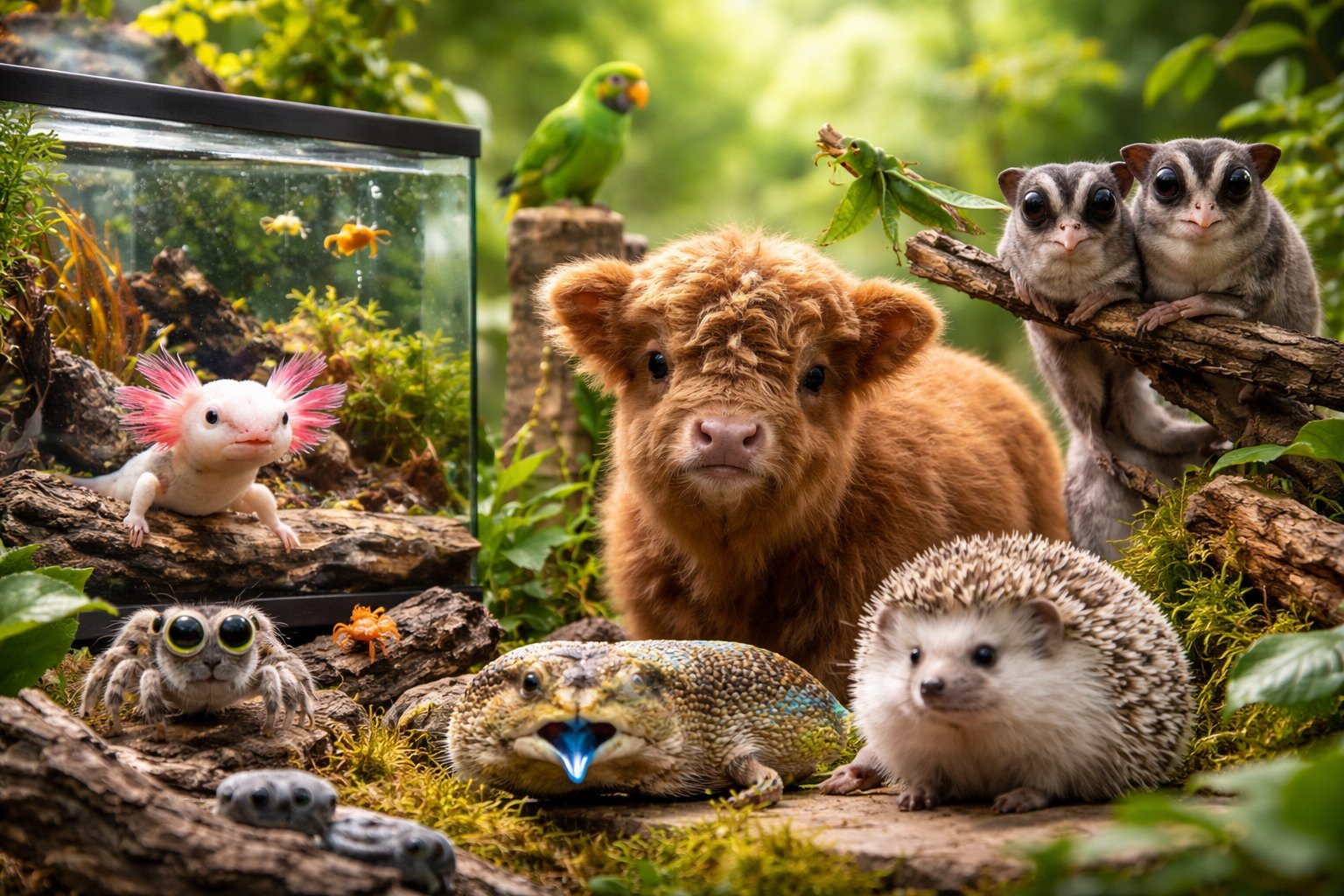
The world of pet ownership is evolving fast, and new pet animals 2026 are reshaping what it means to have a companion at home. From tiny invertebrates to mini livestock, pet lovers are exploring options that fit modern lifestyles, smaller living spaces, and unique interests.
This guide breaks down which animals are trending, why they’re gaining popularity, and how to decide if one is right for you. Expect practical insights, honest pros and cons, and real-world care tips—so you can avoid common mistakes and choose responsibly.
In This Article
The Rise of New Pet Animals in 2026: What’s Changing?
Pet ownership in 2026 looks very different from just a decade ago. Traditional pets like cats and dogs remain popular, but a growing number of people are choosing animals that better match their space, schedule, and curiosity.
Urban living plays a huge role here. Smaller apartments and busier routines push people toward pets that require less space or have more flexible care needs. At the same time, remote work has increased the desire for companionship—even if that companion isn’t a typical furry friend.
Social media has also accelerated the trend. Unique pets like axolotls or jumping spiders often go viral, sparking interest among first-time owners. Still, what looks cute online doesn’t always translate into easy care, which is why informed decisions matter more than ever.
Here’s what’s driving the surge in new pet animals 2026:
- Compact living spaces → demand for small or contained pets
- Interest in unique experiences → people want something different
- Education and accessibility → better care guides available online
- Rising costs of traditional pets → alternatives can be more budget-friendly
What Makes an Animal a “New Pet” in 2026?
“New” doesn’t always mean newly discovered. In most cases, it refers to animals that are becoming popular in mainstream pet ownership for the first time.
Some have been around for years but were considered niche or exotic. Others are gaining traction because of improved captive breeding, better care knowledge, or changes in local regulations.
A pet typically falls into the “new pet animals 2026” category if it meets one or more of these criteria:
- Recently trending among pet owners
- More widely available through ethical breeders
- Supported by better care information and supplies
- Suitable (with proper care) for home environments
That said, popularity doesn’t equal suitability. Many trending pets require specialized care that beginners often underestimate.
Key Factors That Define a Good “New Pet”
Before choosing any trending animal, consider these essentials:
- Space requirements – Some small animals still need complex habitats
- Maintenance level – Cleaning, feeding, and monitoring needs
- Temperament – Social vs independent behavior
- Lifespan – Many exotic pets live longer than expected
- Veterinary access – Not all vets treat unusual species
Quick reality check: If you can’t easily find a vet who treats the species, that’s a serious consideration—not a minor inconvenience.
Top New Pet Animals 2026 You Should Know About
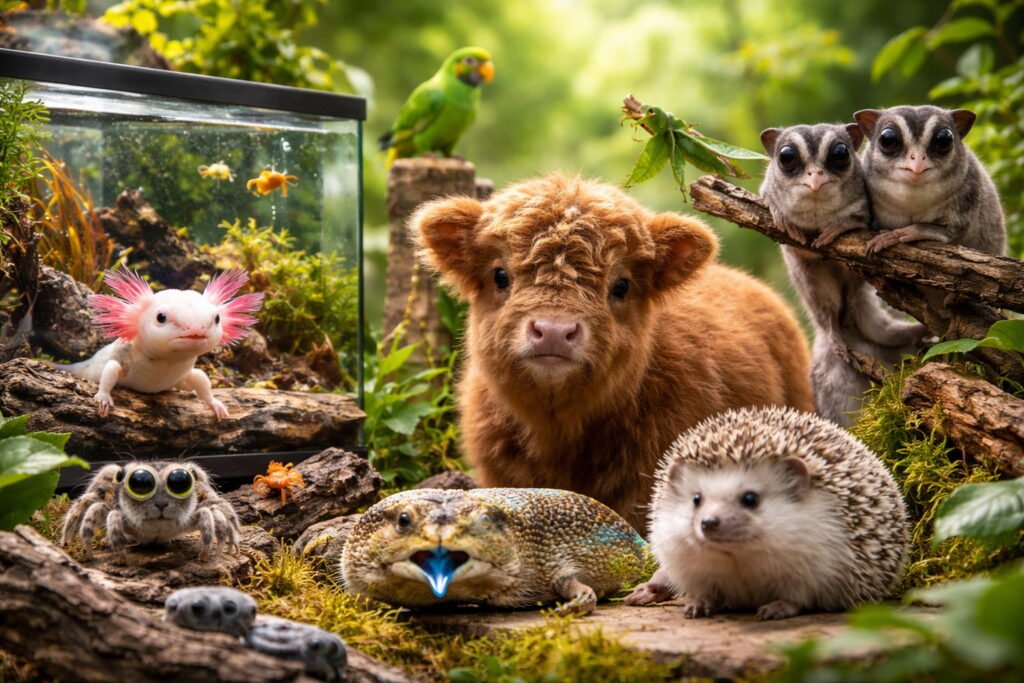
Curious about what’s actually trending? These new pet animals 2026 are gaining attention for their uniqueness, personality, and adaptability—though each comes with its own care challenges.
Mini Highland Cattle (Micro Cows)
Miniature Highland cattle are turning heads, especially among people with rural or semi-rural properties. Their fluffy coats and gentle temperament make them surprisingly appealing.
Why they’re trending:
- Unique appearance and calm nature
- Suitable for small farms or large yards
Things to consider:
- Still require outdoor space and proper fencing
- Not ideal for typical suburban homes
Axolotls (Still Trending but Evolving in Care)
Axolotls remain one of the most fascinating aquatic pets. Their “smiling” faces and regenerative abilities keep them in the spotlight.
Why they’re popular:
- Low interaction needed
- Visually unique and शांत (calm) presence
Care reality:
- Water quality must be carefully maintained
- Sensitive to temperature and stress
African Pygmy Hedgehogs
Small, nocturnal, and full of personality, hedgehogs are a favorite among apartment dwellers.
Pros:
- Compact size
- Relatively low noise
Cons:
- Nocturnal habits may not suit everyone
- Require regular handling to stay social
Sugar Gliders
These tiny gliding marsupials form strong bonds with their owners—but they’re not as easy as they look.
What makes them appealing:
- Highly social and interactive
- Unique ability to glide
Important warning:
- They require daily interaction and companionship
- Often need to be kept in pairs to avoid loneliness
Blue-Tongued Skinks
For reptile beginners, blue-tongued skinks are becoming a top choice thanks to their manageable temperament.
Why they’re trending:
- Generally docile and easy to handle
- Omnivorous diet simplifies feeding
Care needs:
- Proper heating and UVB lighting
- Regular enclosure maintenance
Exotic Fish (Biotope Aquariums)
Aquarium keeping is evolving into something more immersive. Biotope aquariums recreate natural ecosystems, offering a more authentic environment for fish.
Why this trend is growing:
- Visually stunning setups
- Educational and relaxing hobby
Challenges:
- Requires research and planning
- Water chemistry must match natural habitats
Unexpected New Pet Animals 2026 (That Are Quietly Trending)
Beyond the obvious trending pets, a quieter wave of new pet animals 2026 is gaining traction among hobbyists and curious pet owners. These animals may not be mainstream yet, but they’re steadily building dedicated communities.
Invertebrates: Tiny Pets with Big Appeal
Jumping spiders and praying mantises are no longer just terrarium curiosities—they’re becoming legitimate pets.
Why people love them:
- Minimal space requirements
- Fascinating behaviors (especially hunting and movement)
- Low maintenance compared to traditional pets
What to know first:
- Short lifespans (often 1–2 years)
- Limited interaction—more observational than affectionate
Micro Pets: Isopods and Millipedes
Micro pets are exploding in popularity, especially among beginners who want something simple yet interesting.
Examples include:
- Isopods (“roly-polies”)
- Millipedes
- Small beetle species
Why they’re trending:
- Easy to care for
- Affordable setup
- Great for kids learning responsibility
Keep in mind:
Their care is simple, but humidity and substrate quality are critical for survival.
Rare Bird Species on the Rise
While parrots have always been popular, smaller and less common bird species are gaining attention.
Why the shift:
- Some species are quieter and more apartment-friendly
- Lower maintenance compared to large parrots
Important caution:
- Birds are highly social and intelligent
- Neglecting mental stimulation can lead to stress or behavioral issues
Why These Pets Appeal to Niche Owners
Not every pet needs to be cuddly. Many people are drawn to animals that:
- Offer a unique viewing experience
- Fit into small or specialized spaces
- Require less daily interaction
Still, it’s important to recognize that “low maintenance” doesn’t mean “no care.” Even the smallest pets rely on consistent, proper environments to thrive.
How to Choose the Right New Pet Animal for Your Lifestyle
Choosing from the many new pet animals 2026 can feel overwhelming. The best choice isn’t the most exciting one—it’s the one that fits seamlessly into your daily life.
Start with Your Living Space
Your home environment will quickly narrow your options.
- Apartments: Hedgehogs, reptiles, fish, invertebrates
- Houses with yards: Larger or outdoor pets like mini cattle
- Shared living spaces: Quiet, low-odor animals are ideal
Tip: Always check landlord or housing rules before committing.
Match the Pet to Your Time Commitment
Some pets need daily interaction, while others are more independent.
| Time Available | Suitable Pets |
| Very limited | Fish, isopods, some reptiles |
| Moderate | Hedgehogs, skinks |
| High | Sugar gliders, birds |
Be honest here. Many owners regret choosing social animals without enough time to engage with them.
Understand the Real Cost
A common mistake is focusing only on the purchase price.
Consider:
- Habitat setup (often the biggest expense)
- Food and supplements
- Ongoing maintenance
- Vet care (especially for exotic species)
Important: Exotic pets often require specialized vets, which can be more expensive and harder to find.
Think About Allergies and Family Fit
Some animals are better suited for families than others.
- Hypoallergenic options: reptiles, fish, invertebrates
- Kid-friendly pets: hedgehogs (with supervision), certain fish
- Sensitive households: avoid animals with strong odors or noise
Ask Yourself These Key Questions
Before choosing any new pet:
- Can I meet its needs long-term?
- Do I have access to proper care resources?
- Am I choosing this pet for the right reasons?
If the answer isn’t a confident yes, it’s worth reconsidering.
Pros and Cons of Owning New Pet Animals in 2026
Owning one of the new pet animals 2026 can be incredibly rewarding—but it also comes with unique challenges that aren’t always obvious at first.
The Benefits You Might Not Expect
Unique companionship
Unusual pets often provide a completely different kind of connection—sometimes more observational, sometimes surprisingly interactive.
Lower competition for attention
Exotic pets tend to stand out, making them exciting for enthusiasts and hobbyists.
Educational value
Caring for a non-traditional pet can teach responsibility, biology, and environmental awareness.
The Challenges You Shouldn’t Ignore
Limited veterinary care
Not all vets are trained to treat exotic animals. This can become a serious issue during emergencies.
Specialized care requirements
Temperature, humidity, diet—many new pets have very specific needs.
Legal restrictions
Some animals may be restricted depending on your location. Always check regulations first.
Quick Reality Check Table
| Aspect | New Pet Animals 2026 | Traditional Pets |
| Care complexity | Often higher | More standardized |
| Vet availability | Limited | Widely available |
| Cost predictability | Variable | More predictable |
| Uniqueness | High | Moderate |
When It Might Not Be the Right Choice
A new pet animal might not be ideal if:
- You want a highly affectionate, interactive companion
- You prefer simple, predictable care routines
- You don’t have access to proper veterinary support
Legal and Ethical Considerations Before Getting a New Pet
Excitement around new pet animals 2026 can make it easy to overlook one critical step: making sure your choice is both legal and ethical. Skipping this step can lead to serious consequences—for you and the animal.
Check Local Laws First
Regulations for exotic and non-traditional pets vary widely depending on where you live.
- Some species may be fully banned or restricted
- Others may require permits or special documentation
- Importing animals across regions can be tightly controlled
A reliable place to start is your local government website or trusted animal welfare resources like the
👉 https://www.avma.org/resources-tools/pet-owners/petcare/exotic-pets (American Veterinary Medical Association’s guide to exotic pet ownership)
Important: Never assume a pet is legal just because it’s sold online.
Avoid Supporting the Illegal Pet Trade
Many trending animals are still sourced unethically from the wild.
Red flags to watch for:
- No clear breeding history
- Suspiciously low prices
- Sellers unwilling to answer care questions
Best practice:
Choose captive-bred animals from reputable breeders who prioritize animal welfare.
Think About Long-Term Welfare
Ethical ownership goes beyond legality. Ask yourself:
- Can this animal thrive in a home environment?
- Does it have complex needs that are hard to replicate?
- Will I still be able to care for it years from now?
Some animals look manageable as juveniles but become much more demanding as they grow.
Conservation Matters More Than You Think
Certain species are under pressure in the wild due to habitat loss and over-collection.
Responsible pet owners should:
- Avoid endangered or protected species
- Support sustainable breeding programs
- Stay informed about conservation status
Bottom line: Owning a pet should never come at the cost of harming wild populations.
Essential Care Tips for New Pet Animals (Beginner Guide)
Caring for new pet animals 2026 often requires more preparation than traditional pets. Each species has unique needs, but there are foundational principles that apply across the board.
Build the Right Habitat First
The enclosure isn’t just a container—it’s your pet’s entire world.
Focus on:
- Proper temperature and humidity levels
- Adequate space for movement and natural behavior
- Safe materials (non-toxic, easy to clean)
- Lighting (especially UVB for reptiles)
Tip: Set up and test the habitat before bringing your pet home.
Feeding and Nutrition Basics
Different species require very different diets, and getting this wrong is one of the most common mistakes.
- Reptiles may need insects, vegetables, or both
- Invertebrates often rely on organic matter or small prey
- Small mammals require balanced commercial diets plus fresh foods
Never guess feeding requirements. Research species-specific needs or consult a knowledgeable vet.
Socialization and Enrichment
Not all pets crave interaction, but mental stimulation is essential for nearly every species.
- Rotate objects in enclosures
- Provide hiding spots and climbing structures
- Allow safe exploration (if appropriate)
Warning: Social animals like sugar gliders or birds can develop stress behaviors if ignored.
Recognizing Signs of Stress or Illness
New pet owners often miss subtle warning signs.
Watch for:
- Loss of appetite
- Unusual hiding or inactivity
- Changes in color, skin, or posture
- Rapid weight loss or gain
When to see a vet:
If symptoms persist for more than a day or worsen quickly, don’t wait. Exotic pets can decline faster than expected.
Hygiene and Maintenance Routine
Clean environments prevent disease and stress.
- Spot-clean daily when needed
- Deep clean enclosures regularly
- Replace substrate as recommended
- Keep food and water areas sanitized
Consistency is key. Skipping maintenance can quickly lead to health issues.
Common Mistakes First-Time Owners Make with New Pet Animals
Many people jump into new pet animals 2026 without fully understanding what they’re signing up for. The result? Frustration, unexpected costs, and sometimes poor outcomes for the pet.
Choosing Based on Looks Alone
A cute or unusual appearance often drives impulse decisions.
Reality check:
That adorable pet may require complex care, strict environmental control, or daily interaction.
Underestimating Lifespan and Commitment
Some exotic pets live far longer than expected.
- Certain reptiles can live 15–20+ years
- Birds may live decades
- Even small mammals can require years of consistent care
Always research lifespan before committing.
Improper Enclosure Setup
Many first-time owners rely on generic setups that don’t meet species-specific needs.
Common issues include:
- Incorrect temperature or humidity
- Lack of enrichment
- Overcrowded or undersized habitats
Result: Stress, illness, and shortened lifespan.
Ignoring Species-Specific Behavior
Every animal has natural instincts that must be respected.
- Nocturnal pets may be inactive during the day
- Some species dislike handling
- Others require social interaction to stay healthy
Trying to “change” these behaviors usually backfires.
Skipping Research on Veterinary Care
Many owners only think about vet care when something goes wrong.
Problem:
Exotic vets aren’t always easy to find, especially in smaller areas.
Smart move:
Locate a qualified vet before getting your pet.
Overlooking Long-Term Costs
Initial costs are just the beginning.
- Specialized food
- Replacement equipment
- Medical care
Unexpected expenses can add up quickly.
Cost Breakdown: Are New Pet Animals Expensive to Maintain?
One of the biggest surprises with new pet animals 2026 is how costs can vary dramatically. Some pets are affordable to start but expensive over time, while others require a large upfront investment but minimal ongoing expenses.
Initial Setup vs Ongoing Costs
Most of your budget will go into creating a proper environment.
| Expense Type | What It Includes | Cost Range |
| Initial setup | Enclosure, heating, lighting, décor | Medium–High |
| Food | Species-specific diet | Low–Medium |
| Maintenance | Substrate, cleaning supplies | Low–Medium |
| Veterinary care | Checkups, emergencies | Variable |
Important: Cutting corners on setup often leads to higher costs later due to health issues.
Budget-Friendly vs High-Maintenance Pets
More budget-friendly options:
- Isopods and invertebrates
- Some fish species (with simple setups)
- Basic reptiles like skinks
Higher-cost pets:
- Sugar gliders (social needs + diet)
- Birds (long-term care + enrichment)
- Advanced aquarium systems (biotope setups)
Hidden Costs Many Owners Miss
- Electricity (heating lamps, filters)
- Replacement equipment (bulbs, filters, substrate)
- Emergency vet visits
- Travel or pet-sitting arrangements
Expert Insights: Are New Pet Animals Suitable for Beginners?
Not every trending pet is beginner-friendly—even if it looks easy to care for online.
Beginner-Friendly New Pets
These are generally easier to manage with proper research:
- Blue-tongued skinks
- Certain fish species
- Isopods and simple invertebrates
Why they work:
- Predictable care routines
- Lower social demands
- Readily available care resources
Pets That Require More Experience
Some animals need advanced knowledge and commitment:
- Sugar gliders (social and emotional needs)
- Exotic birds (intelligence and lifespan)
- Complex aquarium ecosystems
Common challenge:
Owners underestimate how much time and consistency these pets require.
What Experienced Owners Recommend
- Start with a low-maintenance species and build experience
- Focus on mastering one pet type before expanding
- Avoid impulse buying based on trends
Red flag: If care instructions seem vague or inconsistent online, that’s a sign the pet may not be beginner-friendly.
New Pet Animals 2026 vs Traditional Pets: A Quick Comparison
Choosing between a trending pet and a traditional one isn’t always straightforward. Each option comes with its own strengths and trade-offs.
| Factor | New Pet Animals 2026 | Traditional Pets (Cats/Dogs) |
| Care knowledge | Less standardized | Widely understood |
| Vet availability | Limited | Easily accessible |
| Interaction level | Varies (often lower) | Typically high |
| Cost predictability | Variable | More predictable |
| Uniqueness | High | Moderate |
What This Means for You
- Choose new pet animals if you enjoy learning and want something unique
- Choose traditional pets if you prefer familiarity and emotional bonding
Neither is better—just different.
FAQs About New Pet Animals 2026
Are new pet animals safe for families?
Many are safe if properly cared for, but some species may not be suitable for young children due to handling sensitivity or care complexity.
Which new pet animals require the least maintenance?
Invertebrates like isopods, certain fish, and some reptiles generally require less daily interaction and upkeep.
Can exotic pets be kept in apartments?
Yes, many can. Small reptiles, fish, and micro pets are often ideal for limited spaces, provided their habitat needs are met.
Do new pet animals need special vets?
Yes. Many require exotic animal veterinarians, which may not be available in all areas.
Are these pets ethical to own?
They can be, as long as they are captive-bred, legally obtained, and cared for responsibly.
Final Thoughts: Should You Get a New Pet Animal in 2026?
Trends can be exciting, and new pet animals 2026 offer a fresh way to experience companionship. Still, the best pet isn’t the most unique—it’s the one you can care for consistently and responsibly.
Take time to research, prepare your setup, and understand the long-term commitment. A well-informed decision leads to a healthier pet and a far more rewarding experience.
If you’re considering a new pet, start small, learn as you go, and focus on giving your animal the best life possible.
Looking for more help? Explore other guides on MyPetInfoo.com for deeper tips on pet care, nutrition, and habitat setup before bringing your new companion home.

Passionate about pets and animal care, we shares trusted tips, fun facts, and practical advice to help pet lovers give their furry, feathered, and scaly companions the best life possible. From everyday care guides to fascinating animal insights, we’re dedicated to making pet information easy, helpful, and enjoyable for every reader.