
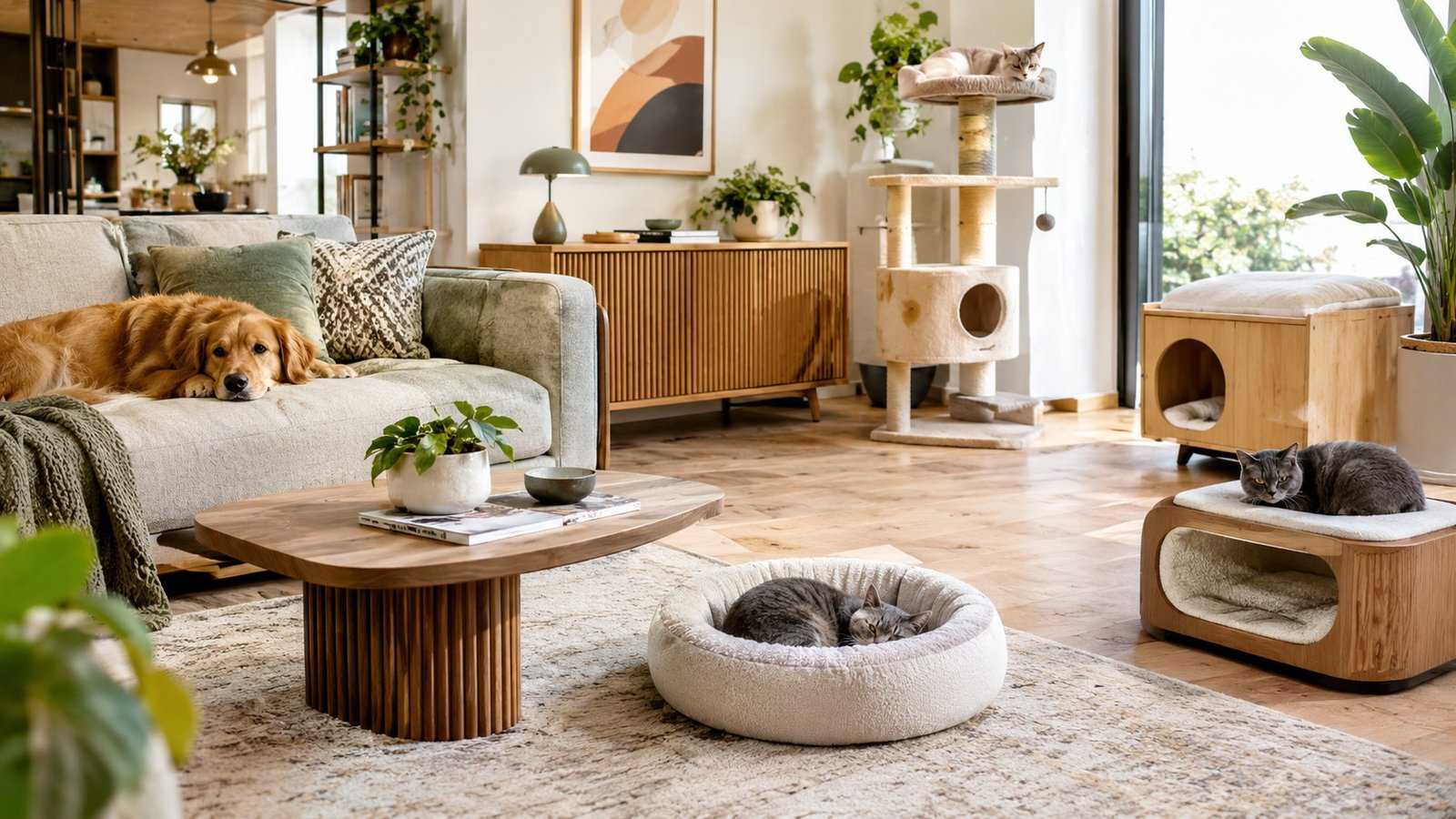
Modern pet furniture and home decor trends 2027 are all about creating a home that looks beautiful, feels comfortable, and meets the everyday needs of cats and dogs. Pet owners no longer have to choose between stylish interiors and practical pet essentials, thanks to furniture designs that blend comfort, functionality, and contemporary aesthetics.
From designer dog beds and minimalist cat climbing walls to multifunctional furniture and sustainable materials, the latest design ideas make it easier to include pets in your home’s overall style. The key is choosing pieces that suit your space while keeping your pet’s safety and comfort a priority.
Whether you live in a small apartment, a spacious house, or a home with an open-plan living area, this guide explores the pet furniture trends worth considering for 2027. You’ll discover how to coordinate furniture with your decor, choose durable materials, maximize limited space, and avoid common design mistakes that could affect your pet’s well-being.
In This Article
Modern Pet Furniture and Home Decor Trends 2027: What’s Changing?
Add to Favorites
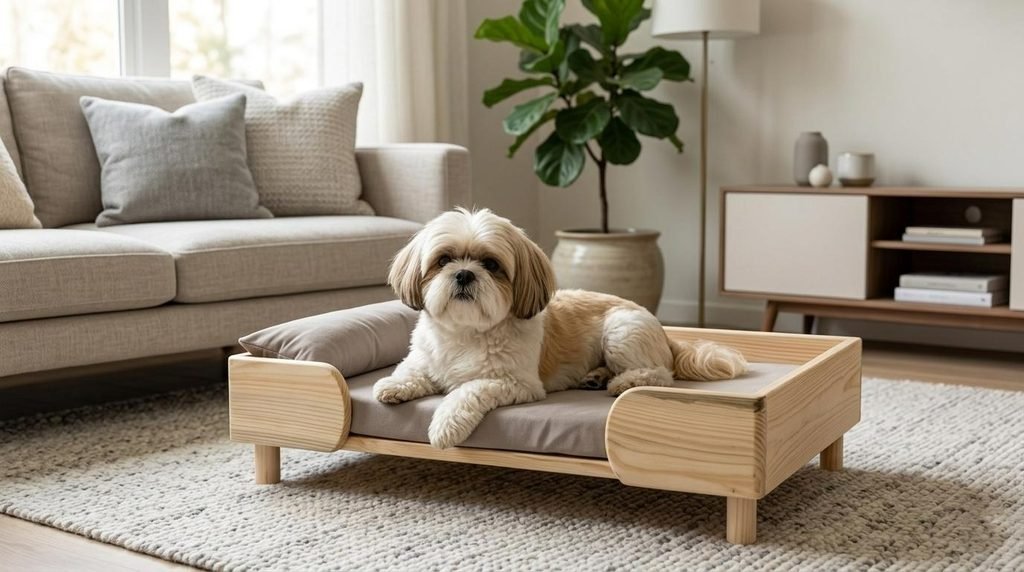
Pet furniture is becoming a more intentional part of interior design. Instead of treating a dog bed, cat tree, or feeding station as a separate accessory, homeowners are looking for products that fit naturally into their existing furniture arrangements.
This shift reflects a simple idea: pets are part of the household, so their spaces should be comfortable and thoughtfully designed, too.
Several design directions are particularly worth watching as 2027 approaches.
Pet Furniture That Complements Modern Interiors
Traditional pet products often prioritize basic function over appearance. Modern designs take a different approach by combining practical features with materials, shapes, and colors that complement contemporary homes.
Popular design ideas include:
- Minimalist pet beds: Simple silhouettes, neutral fabrics, and understated frames that coordinate with living room furniture.
- Furniture-integrated pet spaces: Side tables, benches, and cabinets with dedicated areas for pets to rest.
- Coordinated feeding stations: Elevated bowls and feeding stands designed to match kitchen cabinets or dining room finishes.
- Decorative cat furniture: Scratching posts, climbing shelves, and hideaways that resemble contemporary shelving or sculptural decor.
- Discreet storage solutions: Baskets and cabinets that keep toys, leashes, grooming supplies, and blankets organized.
These designs can make a noticeable difference in rooms where pet accessories would otherwise create visual clutter.
The goal isn’t to hide every sign of having a pet. It’s to create an environment where pet essentials look like a natural part of the home.
Comfort and Functionality Are Becoming Equally Important
A beautiful pet bed isn’t necessarily a good pet bed. The most successful designs balance appearance with the features animals actually need.
Dogs need a comfortable resting surface that accommodates their size and preferred sleeping position. Cats benefit from secure resting spots, opportunities to climb, scratching surfaces, and places to retreat when they want privacy.
When shopping for modern pet furniture, consider these practical features:
- Supportive cushioning appropriate for your pet’s size and mobility.
- Stable frames that won’t wobble or tip during normal use.
- Removable, washable covers for easier cleaning.
- Surfaces that resist everyday wear from claws, fur, and movement.
- Easy access for puppies, senior pets, and animals with limited mobility.
A useful rule: Choose the functional design first, then find a color and finish that matches your home.
Personalization, Sustainability, and Smarter Living
Pet owners are also exploring furniture that reflects their personal style and household needs.
Some prefer warm wood and natural textures, while others gravitate toward modern industrial finishes, soft neutral upholstery, or colorful accessories that add personality to a room.
Sustainability is another consideration. Durable construction, replaceable cushions, washable covers, and responsibly sourced materials can help reduce unnecessary replacements.
Technology may also play a larger role in pet-friendly interiors. Automated litter systems, smart feeders, and pet cameras can make certain daily tasks more convenient, although they still require cleaning, monitoring, and regular attention.
These developments are best viewed as emerging design directions rather than guaranteed predictions. The right trend for your home is the one that improves daily life for both you and your pet.
The Rise of Furniture That Blends Seamlessly Into Your Living Room
Add to Favorites
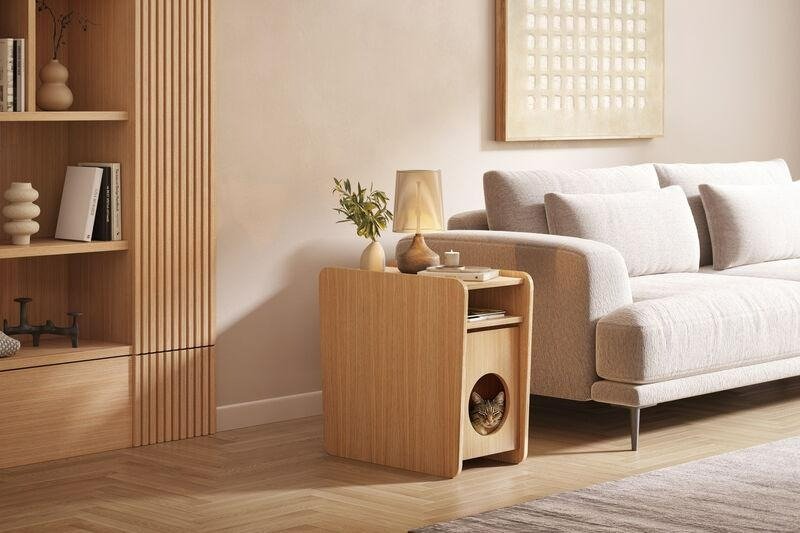
One of the most practical modern pet furniture trends for 2027 is furniture that serves two purposes. Instead of adding another standalone item to an already crowded room, homeowners can choose pieces that combine ordinary household functions with dedicated pet spaces.
This approach works particularly well in apartments, open-plan living rooms, and homes where every square foot matters.
Side Tables, Benches, and Cabinets With Pet Spaces
Furniture-integrated pet beds can provide a designated resting area without taking up as much additional floor space.
For example, a side table might include an open, appropriately sized sleeping nook beneath its tabletop. A storage bench could incorporate a separate pet resting area, while a purpose-built cabinet might conceal pet supplies or provide space for a litter box.
These designs can work well when the pet compartment is genuinely comfortable and easy to access.
Before buying, check the following:
- Interior dimensions: Your pet should be able to enter, turn around, stretch, and rest naturally.
- Ventilation: Enclosed spaces need adequate airflow, particularly if they contain a litter box.
- Accessibility: Avoid high entrances or narrow openings that make movement difficult.
- Stability: The furniture must remain secure when your pet enters, exits, or shifts position.
- Cleaning access: Removable cushions and accessible interior surfaces make routine maintenance easier.
Avoid repurposing ordinary cabinets or storage furniture as enclosed pet spaces without checking for ventilation, entrapment hazards, exposed hardware, and suitable materials.
Coordinated Feeding Stations That Look Like Part of the Kitchen
Food and water bowls can quickly become a source of clutter, especially in smaller kitchens.
Modern feeding stations offer a more organized alternative, using coordinated wood finishes, simple metal frames, or compact stands that fit the surrounding decor.
A well-designed feeding area should make mealtimes comfortable rather than simply look attractive.
Choose bowls that are easy to clean, appropriately sized, and difficult to tip over. Keep the station away from household cleaning chemicals and areas where people could easily trip over it.
Cats often prefer access to fresh water in a location separate from their food and litter tray. Individual preferences vary, so observe where your cat drinks most comfortably.
Dogs also need unrestricted access to fresh water throughout the day. Never place water in a decorative enclosure that makes it difficult for your pet to reach or for you to refill and clean.
Hidden Litter Furniture: A Stylish Solution With Important Limits
Litter-box enclosures can help a cat’s litter area blend into a living room, bathroom, or utility space.
Some designs resemble cabinets or side tables, providing a discreet alternative to leaving a litter tray in plain view. However, a hidden litter box should never prioritize appearance over your cat’s willingness to use it.
Cats need convenient access to a clean, appropriately sized litter box. An enclosure that feels cramped, traps odors, or has a difficult entrance may discourage use.
To make a concealed litter area more practical:
- Select an enclosure with sufficient room for the litter tray and your cat’s movements.
- Provide adequate ventilation and easy access for cleaning.
- Position the box somewhere quiet and accessible.
- Keep food and water away from the litter area.
- Make sure other pets cannot block the entrance or intimidate the cat.
Some cats dislike enclosed litter spaces altogether. If your cat avoids the box after you introduce an enclosure, consider returning to an open setup and monitoring for any continuing litter-box problems.
How to Match Pet Furniture With Your Existing Decor
You don’t need to redesign an entire room to make pet furniture look coordinated.
Start by identifying two or three colors already present in the space. A pet bed in a similar shade, a wooden feeding stand that matches nearby furniture, or a storage basket that complements your shelving can make the room feel more cohesive.
Consider these combinations:
| Interior style | Pet furniture ideas | Practical consideration |
| Modern minimalist | Simple beds, slim feeding stands, clean-lined cat furniture | Choose easy-to-clean surfaces and avoid unstable lightweight pieces. |
| Scandinavian-inspired | Light wood, soft neutral cushions, understated designs | Select durable finishes and washable fabrics. |
| Industrial | Metal frames, dark wood, sturdy raised beds | Check for sharp edges, pinch points, and exposed hardware. |
| Contemporary natural | Warm wood, earthy colors, textured fabrics | Make sure natural fibers won’t unravel or become hazardous if chewed. |
| Small-space modern | Integrated beds, compact storage, vertical cat shelves | Measure carefully and preserve clear walking paths. |
The most effective approach is to repeat a few materials or colors rather than making every pet accessory match perfectly.
Natural Materials, Earthy Colors, and Softer Textures
Add to Favorites
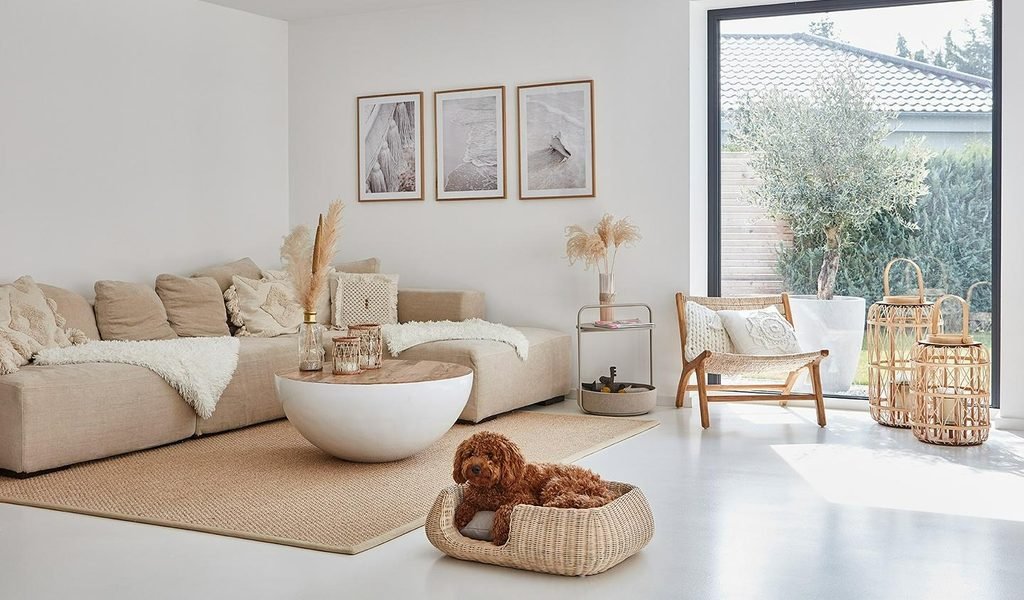
Natural-inspired interiors remain an appealing direction for pet-friendly homes. Warm wood, earthy colors, tactile fabrics, and organic shapes can create a relaxed atmosphere without making pet furniture look like an afterthought.
For 2027, these elements are worth considering if you want a home that feels inviting rather than overly coordinated or sterile.
The important distinction is that a material that looks natural isn’t automatically durable, sustainable, or safe for pets. Its construction, finish, and suitability for your particular animal matter just as much as its appearance.
Earthy Colors That Make Pet Areas Feel Intentional
Neutral colors can help pet furniture blend into a room, while muted accent shades provide personality without overwhelming the space.
Consider these palettes:
- Warm beige and cream: Suitable for calm, understated interiors, especially when paired with natural wood.
- Olive and sage green: Bring a subtle connection to nature and work well with warm neutrals.
- Terracotta and rust: Add warmth to rooms with light walls, wooden furniture, or neutral upholstery.
- Charcoal and soft gray: Create a contemporary look and can coordinate with darker furniture.
- Muted brown and caramel: Offer a warm, grounded appearance that pairs naturally with wood finishes.
Practicality matters when selecting colors. Very light fabrics may show muddy paw prints, while very dark materials can make light-colored fur more noticeable.
Choose colors based on your pet’s coat, your cleaning habits, and how much wear the furniture is likely to receive.
Which Materials Work Best in a Pet-Friendly Home?
Different materials offer different advantages. No single fabric or surface is ideal for every cat, dog, and household.
| Material | Main benefits | Potential drawbacks |
| Tightly woven upholstery | Often easier to maintain than loose, open weaves | Can still snag or wear from persistent scratching. |
| Removable fabric covers | Convenient for routine washing | Check washing instructions and whether replacements are available. |
| Solid wood | Sturdy and visually versatile | May scratch, stain, or be damaged by moisture if poorly finished. |
| Bamboo | Lightweight appearance and useful design flexibility | Quality, coatings, and construction vary; not every item is suitable for chewing. |
| Metal frames | Can provide a strong, easy-to-wipe structure | Edges, joints, and finishes need inspection for safety. |
| Natural woven fibers | Add texture and a relaxed decorative feel | May fray or unravel when scratched or chewed. |
| Recycled textiles | Can make use of reclaimed or recycled materials | Durability and cleaning performance depend on the specific fabric. |
For homes with cats, pay particular attention to loose weaves, exposed fibers, and materials that invite repeated scratching. Providing suitable scratching posts and surfaces can help protect both furniture and your cat’s natural need to scratch.
For dogs that chew, avoid furniture with easily detached components, accessible foam, or loose threads that could be swallowed.
How to Choose Pet-Friendly Fabrics Without Sacrificing Style
Upholstery should be selected according to the way your pet uses the home.
A dog that frequently lounges on the sofa may benefit from a removable, washable blanket or cushion cover. A long-haired cat may leave fur on textured surfaces that are difficult to vacuum. A puppy still learning household routines may need a bed with easily washable components.
Look for these useful features:
- Tightly constructed fabric that is less likely to snag.
- Covers that can be removed without complicated disassembly.
- Clear washing instructions and colorfast materials.
- Cushions that dry thoroughly after cleaning.
- Durable seams that resist ordinary daily use.
Water-resistant materials can help with minor spills, but they should not be treated as completely waterproof or a substitute for prompt cleaning.
If your pet has accidents, clean the affected area quickly using a product suitable for the material and the animal. Avoid strong fragrances that simply mask odors, and follow the product label to prevent exposure to wet cleaning solutions.
Sustainable Pet Furniture: Look Beyond the Label
Eco-conscious pet furniture can be an appealing choice, but sustainability claims deserve a closer look.
A product marketed as natural, green, or eco-friendly may not necessarily last longer or have a lower environmental impact. Consider the full product rather than relying on a single label.
Before purchasing, check whether the furniture has:
- Durable construction that can withstand regular use.
- Replaceable cushions, covers, or worn components.
- Responsibly sourced materials where verifiable.
- Finishes and adhesives appropriate for their intended environment.
- Clear maintenance instructions that help extend its useful life.
Longevity is an important part of sustainable shopping. A well-made bed that lasts for years may be more practical than a cheaper product that quickly tears, loses support, or needs frequent replacement.
Remember that safety comes first. Avoid untreated or splintering wood, loose cords, exposed staples, peeling coatings, and materials that your pet is likely to chew apart. Inspect furniture periodically and replace damaged pieces before they become hazardous.
When choosing modern pet furniture and home decor for 2027, aim for a balance of warmth, durability, easy maintenance, and genuine comfort. Natural textures and coordinated colors can make a pet-friendly home feel more polished, but the best material is ultimately the one that works safely for your pet’s everyday habits.
Multifunctional Pet Furniture for Small Homes and Apartments
Add to Favorites
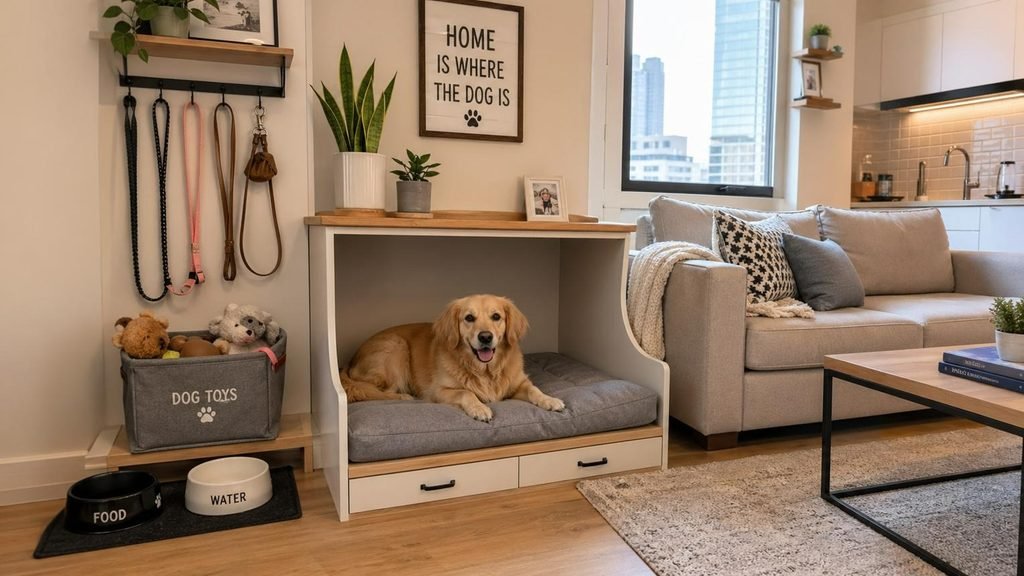
Living in a small apartment doesn’t mean your pet has to miss out on comfort or enrichment. One of the most practical modern pet furniture and home decor trends for 2027 is multifunctional design, where a single piece of furniture serves several purposes without making a room feel crowded.
Instead of filling every corner with separate pet accessories, you can choose furniture that combines storage, seating, resting areas, or feeding stations. The result is a more organized home that still gives your pet space to relax and move around.
Space-Saving Pet Furniture Ideas That Actually Work
The best multifunctional furniture solves a genuine problem in your home. Think about where your pet spends most of its time, which items create clutter, and how much floor space you can comfortably dedicate to pet essentials.
Here are several ideas worth considering.
Storage benches with pet beds
A purpose-built bench with an integrated pet resting area can provide seating while giving your dog a dedicated sleeping spot. Some designs also include compartments for leashes, toys, blankets, and grooming supplies.
Choose a model with enough room for your dog to lie down naturally. Make sure the resting area has adequate ventilation and doesn’t expose your pet to sharp edges or moving parts.
Side tables with built-in dog beds
These designs combine a tabletop with an open space underneath for a pet bed. They’re particularly useful beside sofas or armchairs, where a standalone dog bed might otherwise obstruct a walking path.
Look for a stable frame and an opening that allows your dog to enter and leave easily. The sleeping space should never be so enclosed that your pet feels trapped.
Wall-mounted cat furniture
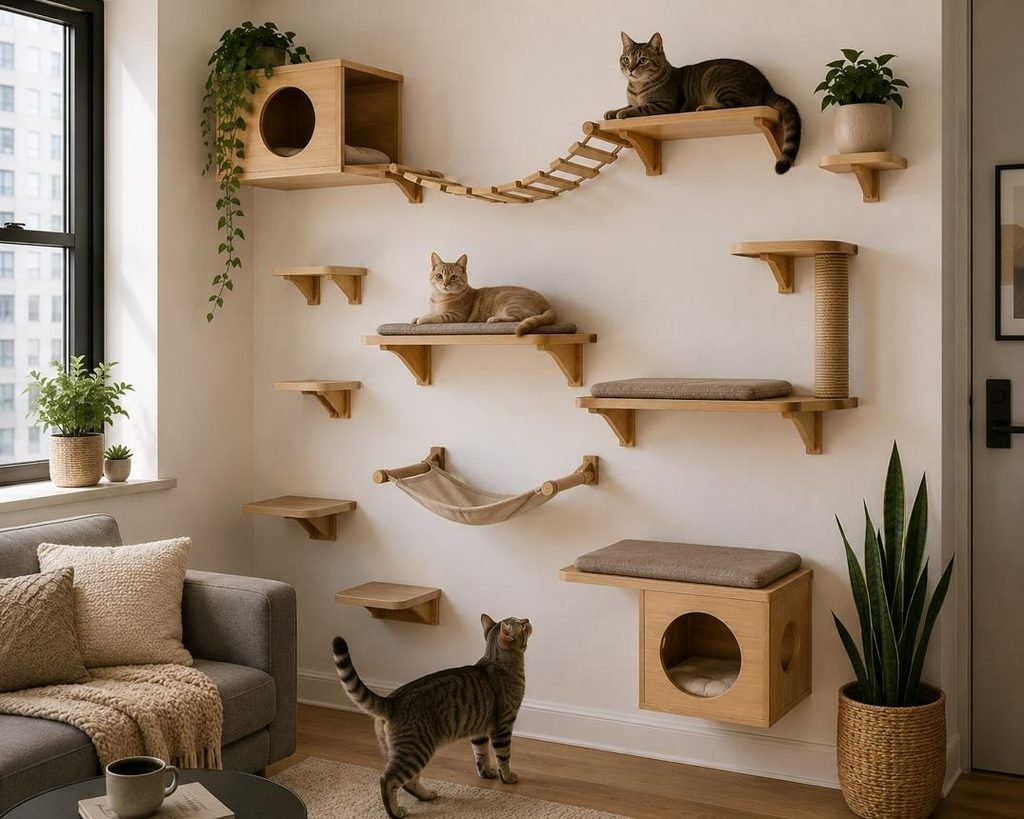
Cats often enjoy elevated resting places and opportunities to climb. Wall-mounted shelves and modular climbing systems can provide vertical enrichment without taking up much floor space.
Install them securely into suitable wall structures, follow the manufacturer’s weight limits, and arrange platforms so your cat can move between them safely.
Compact feeding stations
A raised feeding stand or narrow feeding console can help keep bowls organized in a small kitchen. Some models include storage for food containers and accessories.
Choose a setup that allows your pet to eat comfortably. Raised bowls aren’t automatically better for every dog or cat, so consider your pet’s individual needs rather than choosing a stand based on appearance alone.
Foldable ramps and steps
Pet ramps and steps can help some dogs reach sofas, beds, or vehicles without repeatedly jumping. Foldable designs are particularly useful in apartments where permanent installations aren’t practical.
Select a model with a stable base, suitable dimensions, and a nonslip surface. Introduce it gradually so your pet has time to become comfortable using it.
How to Design a Pet-Friendly Studio Apartment
When you share a studio apartment with a pet, furniture placement becomes especially important. Your sleeping area, living space, feeding station, and pet’s resting spot may all occupy the same room.
A little planning can prevent the space from feeling cluttered.
Start by identifying three basic zones:
- Resting zone: Place your pet’s bed in a comfortable area away from heavy foot traffic. Dogs may appreciate being near their people, while cats often benefit from having both elevated and sheltered resting options.
- Feeding zone: Keep food and water bowls somewhere accessible, away from cleaning products and places where people frequently walk.
- Activity zone: Provide suitable toys, scratching surfaces, climbing opportunities, or space for interactive play.
You don’t necessarily need physical dividers to separate these areas. A small rug beneath a dog bed, a compact shelf beside a feeding station, or a designated basket for toys can establish visual boundaries.
However, never let decorative arrangements block access to water, litter boxes, or resting areas. Your pet should be able to move around freely without squeezing through narrow gaps or navigating unstable furniture.
Choosing Furniture for Cats Versus Dogs
Cats and dogs use their surroundings differently, so the most suitable space-saving furniture depends on the animal.
| Feature | Cats | Dogs |
| Space preference | Often benefit from vertical territory, hiding places, and elevated resting spots | Usually need a comfortable resting area with enough room to stretch out |
| Useful furniture | Cat shelves, scratching posts, window perches, compact hideaways | Appropriately sized beds, feeding stands, storage benches, ramps |
| Common design priority | Climbing, scratching, observation, and retreat | Comfort, accessibility, stability, and convenient placement |
| Small-home challenge | Providing enrichment without sacrificing floor space | Finding a bed and activity area that fit the room |
| Safety consideration | Secure climbing platforms and accessible escape routes | Stable furniture, nonslip surfaces, and unobstructed pathways |
These are general considerations rather than strict rules. Individual pets have different preferences, and age, health, size, and temperament can affect which furniture works best.
Common Mistakes When Buying Multifunctional Pet Furniture
Multifunctional furniture can save space, but poorly designed products may create more problems than they solve.
Watch out for these mistakes:
- Choosing appearance over usable space: A stylish bed is not suitable if your pet cannot stretch out comfortably.
- Buying furniture with difficult access: High openings and steep steps can be challenging for puppies, small dogs, senior pets, and animals with mobility limitations.
- Ignoring cleaning requirements: Complicated designs can trap fur, crumbs, litter, and odors.
- Blocking important pathways: Furniture should not prevent pets from reaching water, litter boxes, or their usual resting places.
- Assuming every enclosed space is suitable: Pet compartments need appropriate ventilation, accessibility, and safe construction.
Before buying, measure the available floor area and compare it with the product’s actual dimensions. Check the size of the pet compartment separately, since overall furniture dimensions can be misleading.
The best multifunctional pet furniture makes your home easier to live in without making your pet’s life more complicated.
Cat Furniture Is Going Vertical: Stylish Climbing Walls and Hidden Hideaways
Add to Favorites
Cats may spend a surprising amount of time exploring elevated surfaces, watching activity from a distance, or finding quiet places to rest. That’s one reason vertical cat furniture is becoming an appealing option for pet owners who want to combine interior design with environmental enrichment.
Wall-mounted shelves, climbing platforms, cat bridges, and integrated hideaways can turn an otherwise unused wall into a useful part of your cat’s living environment.
For homes with limited floor space, vertical furniture can be especially valuable. It creates opportunities for climbing and observation without requiring a large traditional cat tree in the middle of the room.
Wall-Mounted Cat Shelves That Look Like Designer Decor
Add to Favorites
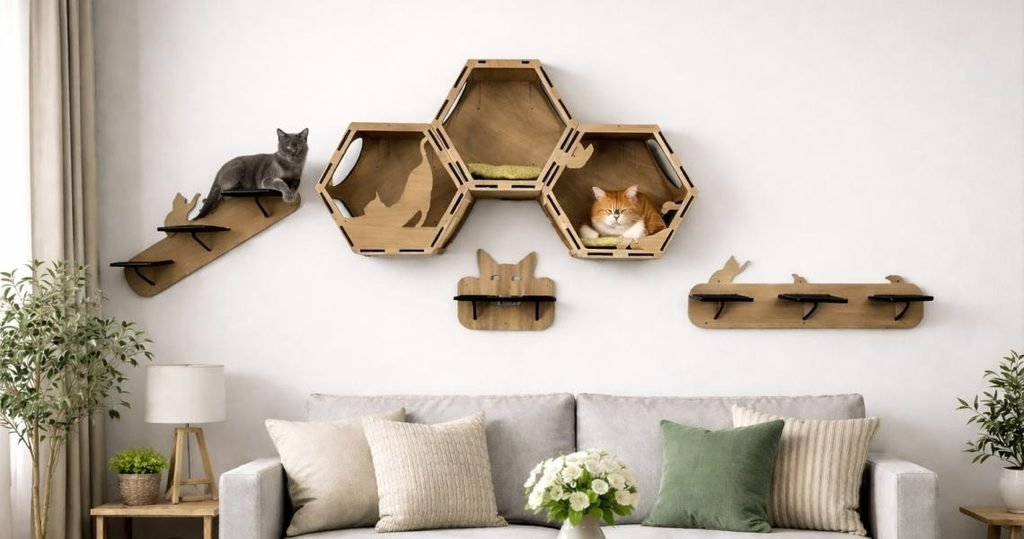
Wall-mounted cat shelves can resemble ordinary decorative shelving while providing platforms for climbing, resting, and observing the room.
Some homeowners prefer simple wooden ledges that coordinate with their existing furniture. Others choose modular systems with padded platforms, curved steps, or small cubbies.
When planning a climbing wall, think about how your cat will use it rather than focusing only on the finished appearance.
Consider these design tips:
- Create a usable route: Arrange platforms so your cat can move between them comfortably without needing unrealistic jumps.
- Choose secure mounting hardware: Follow the manufacturer’s instructions and confirm that the wall structure can support the installation.
- Use appropriate surfaces: Nonslip coverings can help provide traction, particularly when your cat jumps onto or leaves a platform.
- Include resting options: Combine climbing surfaces with stable platforms wide enough for your cat to sit or lie down.
- Keep escape routes available: Make sure the arrangement doesn’t trap your cat in a high or enclosed location.
Spacing depends on your cat’s size, agility, and confidence. Kittens, older cats, and animals with mobility limitations may need lower platforms and easier transitions.
Never assume that a shelf is safe simply because it can support the weight of a decorative object. Cats land dynamically, and the mounting system must be appropriate for the forces created by jumping and movement.
Modern Cat Trees That Don’t Look Like Traditional Cat Trees
Add to Favorites
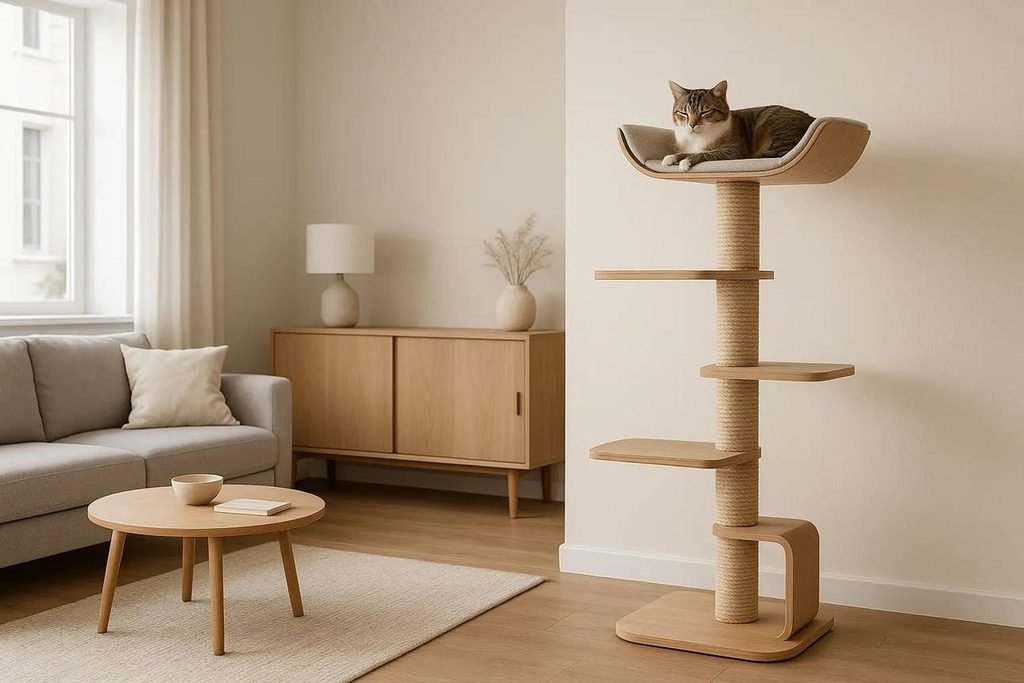
Traditional cat trees can be bulky, covered in visually busy carpet, or difficult to coordinate with a carefully designed room. Modern alternatives often use cleaner lines, neutral colors, natural wood finishes, and more compact arrangements.
Popular options include:
- Wooden cat trees with simple geometric platforms.
- Slim scratching towers that fit into unused corners.
- Modular cat furniture that can be rearranged.
- Compact climbing structures with integrated resting areas.
- Scratching posts with replaceable sisal components.
A modern cat tree should still meet your cat’s behavioral needs. Scratching is a normal feline behavior that helps cats maintain their claws, stretch, and interact with their environment.
Choose a scratching surface that is stable and tall or long enough for your cat to stretch comfortably. Some cats prefer vertical posts, while others prefer horizontal scratchers or angled surfaces.
Don’t remove scratching opportunities just to achieve a minimalist look. Instead, choose scratching furniture that coordinates with the room and place it where your cat is likely to use it.
If your cat repeatedly scratches a sofa or chair, try positioning an appropriate scratching surface nearby. Rewarding use of the alternative and protecting the targeted furniture can help redirect the behavior.
Hidden Cat Hideaways for Privacy and Comfort
Add to Favorites
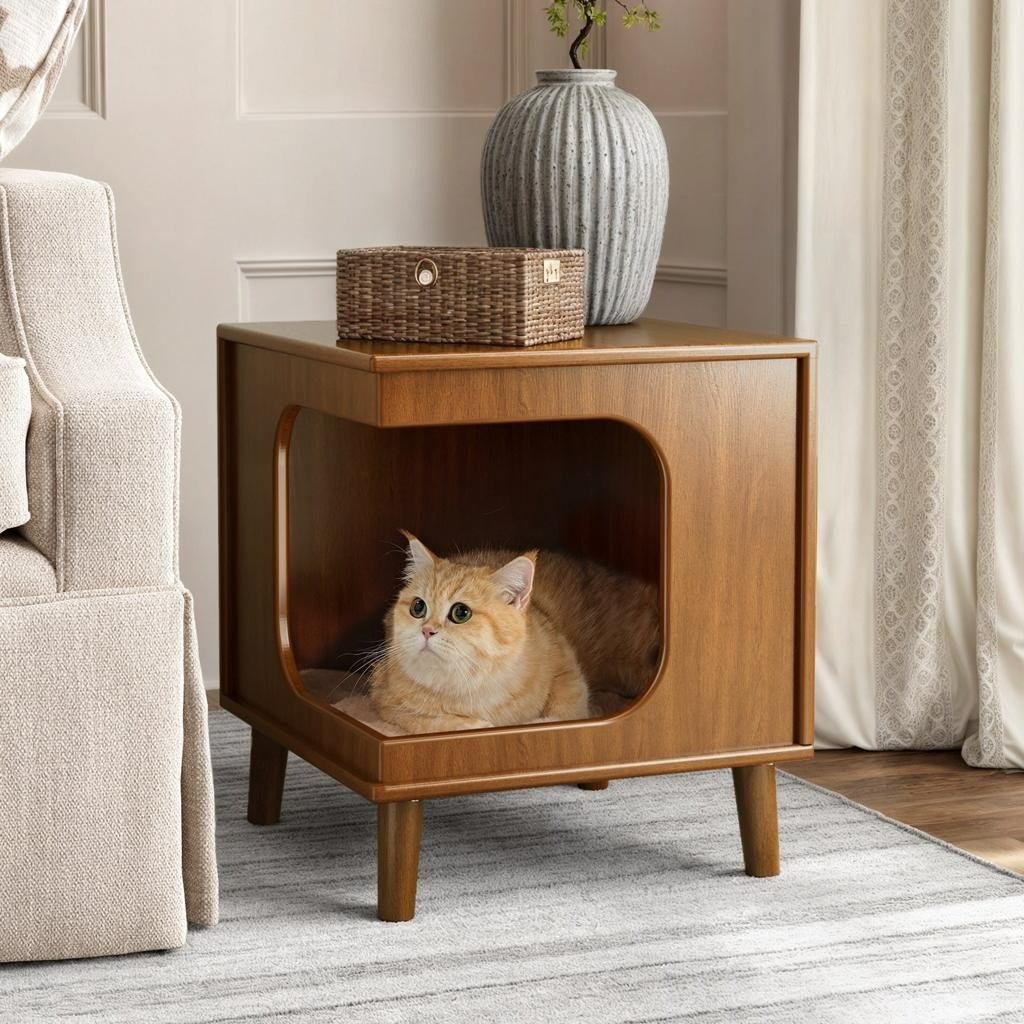
Cats often appreciate having a place to retreat when the household becomes noisy or busy. A well-designed hideaway can offer a sense of security while keeping pet furniture visually integrated into the room.
Useful options include covered cat beds, furniture-integrated cubbies, purpose-built wooden hideaways, and soft enclosed resting spaces.
However, not every cat prefers an enclosed bed. Some feel more comfortable in open baskets or elevated spots where they can watch their surroundings.
To choose an appropriate hideaway:
- Look for an entrance large enough for your cat to enter and leave comfortably.
- Select a design that allows easy access for cleaning.
- Avoid narrow compartments that make turning around difficult.
- Position the hideaway away from noisy appliances and heavy foot traffic.
- Make sure other pets or children cannot block the entrance.
Provide a choice of resting places whenever possible. A cat that can move between a sheltered hideaway and an elevated open perch has more control over how it responds to different household situations.
If your cat suddenly begins hiding much more than usual, don’t assume that it simply prefers its new furniture. Changes in hiding behavior can sometimes indicate stress, pain, or illness and deserve attention, especially when accompanied by changes in appetite, movement, or litter-box habits.
How to Make a Cat Climbing Wall Safe
The most attractive climbing wall is not useful if it wobbles, has slippery surfaces, or leaves your cat with an awkward route between platforms.
Plan the arrangement before drilling holes or purchasing multiple pieces.
Follow this practical checklist:
- Check the wall material and use suitable mounting hardware.
- Follow the manufacturer’s installation instructions and load limits.
- Avoid platforms with sharp corners, exposed screws, or pinch points.
- Provide enough room for your cat to land and turn around.
- Arrange a gradual route for less agile cats.
- Inspect mounts and platforms regularly for looseness or damage.
- Keep climbing furniture away from hot appliances, open flames, and other household hazards.
Introduce a new climbing system gradually. You can encourage exploration with a favorite toy or a few treats, but allow your cat to decide when to use the furniture.
Avoid placing a high shelf in a position where a fall could lead directly onto sharp furniture edges or other dangerous objects. Consider the entire landing area, not just the shelf itself.
Freestanding Cat Trees vs. Wall-Mounted Systems
Both options can work well, but each has advantages and limitations.
| Feature | Freestanding cat tree | Wall-mounted climbing system |
| Installation | Usually requires assembly rather than wall drilling | Requires secure installation into suitable wall structures |
| Floor space | Occupies dedicated floor area | Can preserve more usable floor space |
| Flexibility | Often easier to move to another location | More difficult to relocate once installed |
| Design options | Available in many sizes, shapes, and materials | Can be arranged to suit a room’s layout |
| Stability | Depends on base width, construction, and product quality | Depends on mounting hardware, wall structure, and installation |
| Best suited for | Renters, flexible layouts, and homes that need movable furniture | Owners who want a permanent climbing route and have suitable walls |
Renters may find a freestanding cat tree more convenient if wall modifications aren’t allowed. A wall-mounted system can be a good option for homeowners who want to make use of vertical space and can install it securely.
Neither option is automatically safer. A poorly balanced cat tree can tip, while an improperly mounted shelf can detach from the wall.
Choose based on your cat’s needs, your home’s structure, and your ability to install and maintain the furniture properly.
Modern Dog Beds and Sofas That Look Like Designer Furniture
Add to Favorites
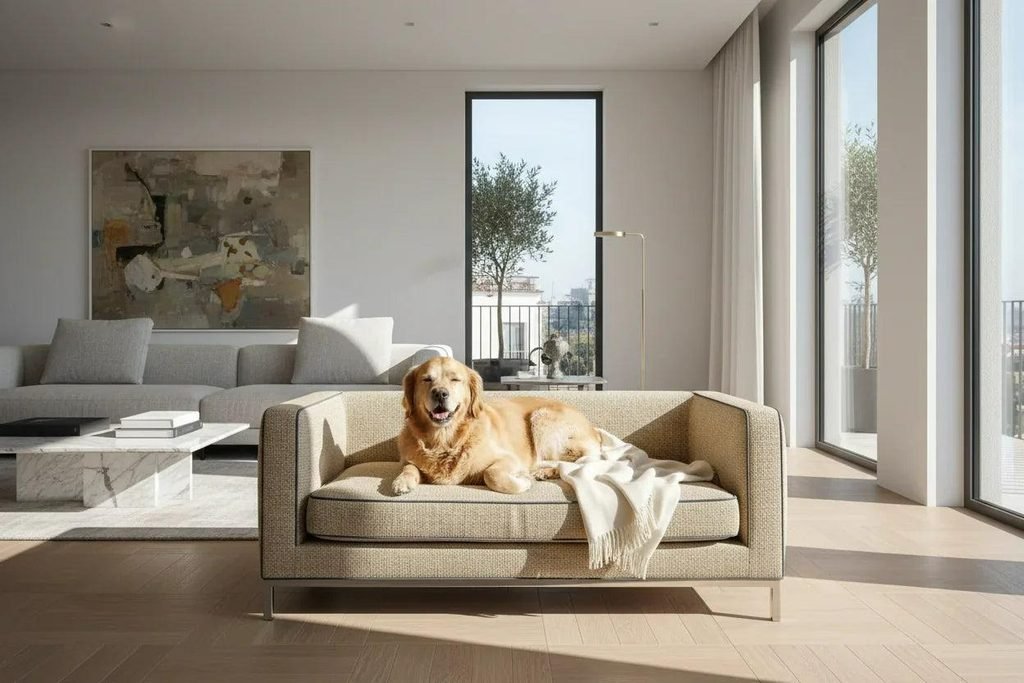
Dog beds have evolved beyond simple cushions placed in a corner. Modern designs now include upholstered pet sofas, raised wooden frames, minimalist mattress-style beds, and sculptural loungers that complement contemporary interiors.
These options can make a dog’s resting space feel like an intentional part of the room rather than an afterthought.
Still, the best dog bed isn’t necessarily the most expensive or visually impressive one. Comfort, correct sizing, supportive construction, and ease of cleaning should guide your decision.
Designer Dog Beds for Contemporary Homes
Add to Favorites
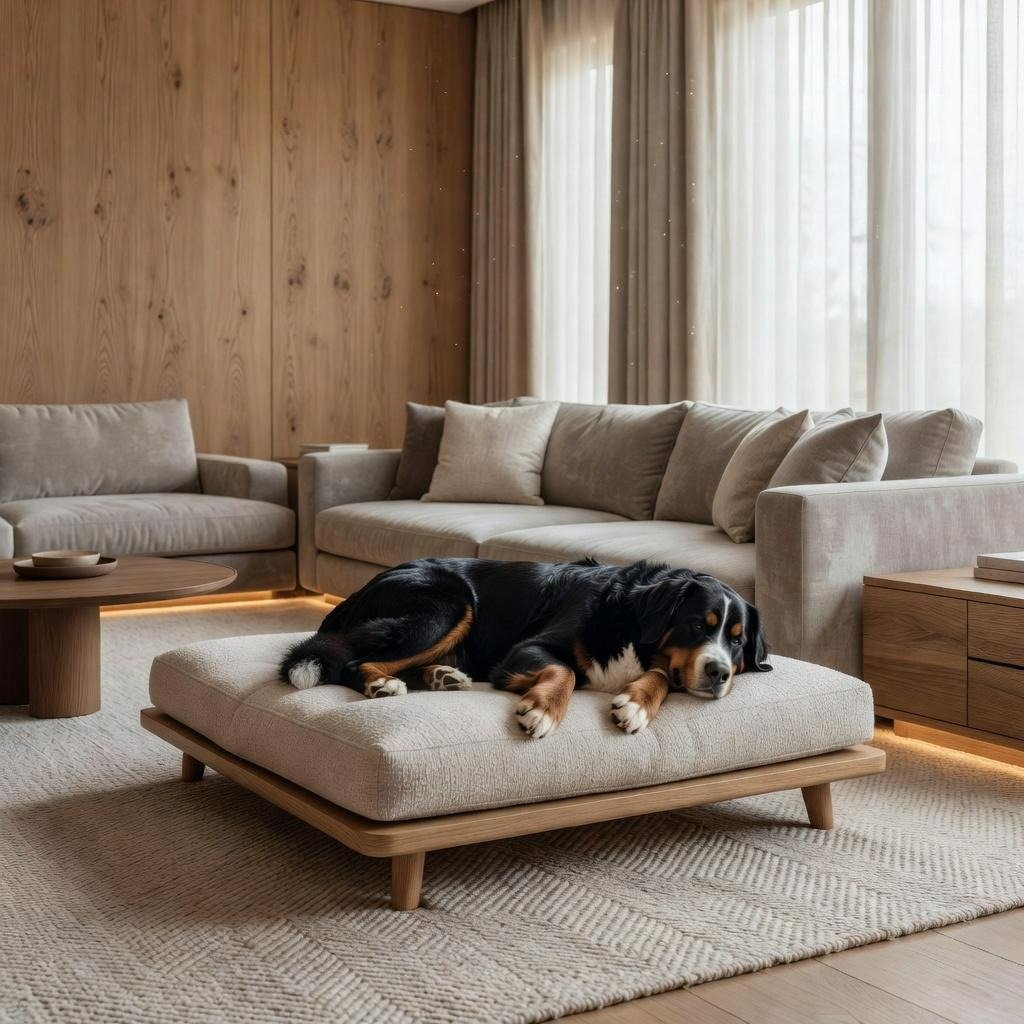
Designer-style dog beds often use furniture-inspired details such as wooden legs, upholstered sides, neutral fabrics, and clean silhouettes.
They can work particularly well in living rooms where a dog spends much of the day resting near its family.
Several styles are worth considering.
Upholstered dog sofas
These resemble miniature human sofas and may feature raised sides or bolsters that some dogs enjoy resting their heads against.
Check that the usable sleeping area is large enough and that the sides don’t prevent your dog from stretching naturally.
Wooden-frame dog beds
A sturdy wooden frame can complement existing furniture and elevate a mattress-style cushion off the floor.
Choose smooth, well-finished surfaces with no splinters, accessible fasteners, or chewable parts that could become hazardous.
Minimalist mattress beds
Simple rectangular beds often suit smaller spaces because they can slide beside a sofa or fit neatly into a designated pet zone.
Removable covers and replaceable inserts make these designs practical for everyday use.
Raised dog beds
Beds with breathable fabric stretched over a frame may suit dogs that enjoy sleeping above the floor, particularly in warm environments.
The frame must be stable, and the fabric should be appropriate for the dog’s weight and behavior. Older dogs or those with mobility difficulties may find some raised beds harder to access.
How to Choose the Right Bed Size and Support
The right size depends on how your dog sleeps.
Some dogs curl into a small ball, while others stretch their legs out or change positions throughout the night. A bed that looks spacious in a product photo may be too small for a large dog once the bolsters or raised sides are taken into account.
Measure your dog while resting in its usual sleeping position, then compare those measurements with the usable sleeping surface listed by the manufacturer.
Keep these considerations in mind:
- Sleeping style: Dogs that stretch out usually need a longer, more open bed.
- Body size: The bed should allow comfortable movement and changes in position.
- Age and mobility: Senior dogs or dogs with joint problems may benefit from a supportive, low-entry bed.
- Sleeping preference: Some dogs like bolsters, while others prefer flat cushions.
- Climate: Breathable materials may be more comfortable in warmer conditions.
- Cleaning needs: Washable covers are especially useful for dogs that shed heavily or spend time outdoors.
Orthopedic or memory-foam beds are often marketed toward senior dogs, but the label alone doesn’t guarantee better support. Look at the quality and thickness of the cushioning, the construction of the mattress, and whether the dog can get on and off comfortably.
If your dog has persistent stiffness, difficulty rising, or reluctance to jump or climb stairs, consider consulting a veterinarian instead of relying on a new bed to solve the problem.
Which Dog Bed Materials Are Best for Everyday Use?
The ideal material depends on your dog’s habits, the local climate, and how often the bed needs cleaning.
| Bed material | Advantages | Things to consider |
| Memory foam | Can conform to the body and provide a supportive resting surface | Quality varies; check the full mattress construction and keep foam inaccessible to chewers. |
| High-density foam | Can provide consistent cushioning and support | Some products lose shape over time; inspect the mattress periodically. |
| Washable fabric covers | Make cleaning and hair removal easier | Check washing temperatures, drying instructions, and replacement availability. |
| Breathable mesh | Allows airflow and can suit elevated beds | Inspect regularly for sagging, tears, or damage. |
| Bolster cushions | Provide a raised edge that some dogs like leaning against | Reduce the available sleeping area and may not suit every sleeping style. |
| Waterproof liners | Help protect inner cushioning from moisture | Can retain heat or feel less breathable, depending on the design. |
A removable cover is one of the most useful features for many households. It allows you to clean the surface regularly without washing the entire bed every time.
Wash bedding according to the manufacturer’s instructions, use pet-appropriate cleaning products, and allow everything to dry completely before putting it back together. Damp padding can develop unpleasant odors and create an uncomfortable resting environment.
Elevated Dog Beds vs. Cushioned Beds
Neither bed type is ideal for every dog. Consider the environment, your pet’s preferences, and any physical limitations.
Elevated beds may be useful when:
- You want airflow beneath the sleeping surface.
- Your dog prefers a firmer, suspended surface.
- The bed will be used in a suitable indoor or outdoor area.
- The frame is stable and easy for your dog to access.
Cushioned beds may be preferable when:
- Your dog enjoys a soft resting surface.
- Your pet likes to curl up or nest in bedding.
- Additional cushioning is useful for comfortable resting.
- Your dog has difficulty stepping onto raised frames.
Dogs with limited mobility may need a low-profile bed with a supportive mattress and easy entry. If you have a puppy that chews, avoid beds with exposed foam, loose fabric, or parts that can be swallowed.
Whatever style you choose, observe how your dog actually uses it. A bed that remains untouched may be uncomfortable, poorly positioned, too warm, or simply different from the resting surfaces your dog prefers.
How to Keep Designer Dog Beds Looking Fresh
A beautiful dog bed can quickly become the least attractive item in a room if it collects fur, dirt, and odors. Regular maintenance helps protect both the appearance of the furniture and your dog’s resting environment.
Try these simple habits:
- Vacuum or remove loose fur from the bed regularly.
- Wash covers as needed and according to care instructions.
- Clean accidents promptly with a suitable product.
- Check seams, zippers, and cushioning for damage.
- Replace flattened or damaged inserts when they no longer provide adequate support.
- Keep a washable blanket over the bed if your dog frequently comes inside with dusty paws.
Position the bed where your dog naturally likes to rest, away from drafts, excessive heat, and busy walkways. Dogs often prefer being close to their family, so a quiet corner of the living room may work better than an isolated space.
The best modern dog bed combines thoughtful design with a comfortable place your dog genuinely wants to use. Choose a style that complements your home, but let your dog’s size, sleeping habits, and mobility determine the final decision.
Sustainable Pet Decor: Eco-Conscious Choices Worth Considering
Add to Favorites
Sustainability is becoming an important consideration for homeowners who want attractive interiors without constantly replacing worn-out furniture. When it comes to modern pet furniture and home decor trends 2027, durable construction, responsibly sourced materials, and easy-to-maintain designs are worth considering.
Pets put furniture through everyday challenges that ordinary decorative pieces may not face. Claws can snag fabric, chewing can damage wooden frames, and muddy paws can leave stains on cushions. Choosing materials that handle these demands can help you maintain a beautiful home while reducing unnecessary waste.
The good news is that eco-conscious pet furniture doesn’t have to look rustic or overly simple. Many contemporary designs combine natural textures, clean lines, and practical features that work well in modern interiors.
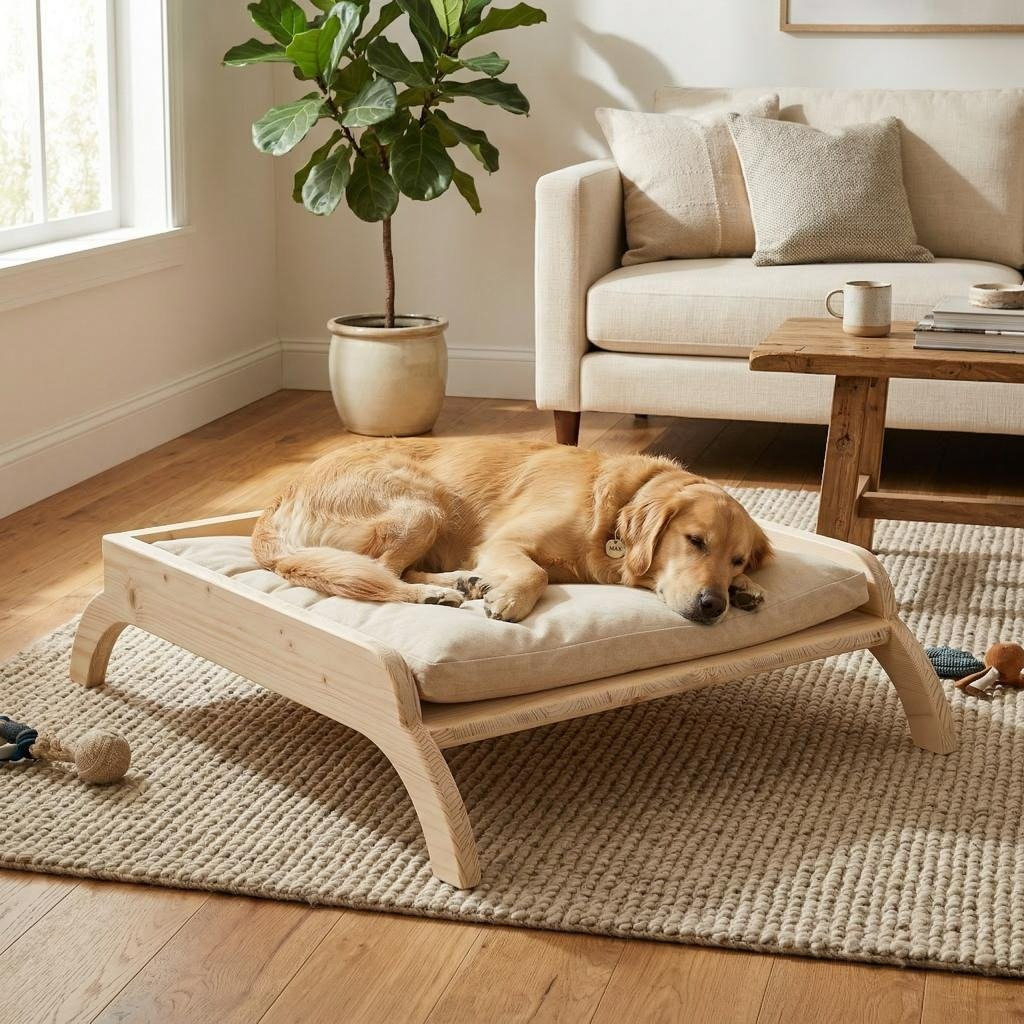
Eco-Friendly Materials for Modern Pet Furniture
Add to Favorites
Several materials can be useful when shopping for sustainable pet furniture. However, their environmental impact and suitability depend on how they’re sourced, manufactured, finished, and maintained.
Responsibly sourced wood
Wooden pet beds, scratching structures, and feeding stands can complement many interior styles. Look for sturdy construction, smooth surfaces, and finishes suitable for the product’s intended use.
Durable wood furniture can last for years when properly maintained. Avoid pieces with splinters, loose joints, exposed staples, or coatings that your pet could easily chew or ingest.
Recycled fabrics
Some pet beds and cushions use fabrics made partly from recycled fibers. These materials can help reduce reliance on virgin resources, depending on the manufacturing process.
Check the fabric’s durability, washing instructions, and seam quality. A recycled cover that tears quickly may need frequent replacement, reducing some of its practical benefits.
Natural fibers
Cotton, hemp, and certain other natural fibers can provide attractive textures for blankets, covers, and decorative accessories.
Their suitability depends on how they’re woven and finished. Loose weaves can snag on claws, while fraying fibers or detached threads may pose ingestion risks to pets that chew.
Bamboo and woven materials
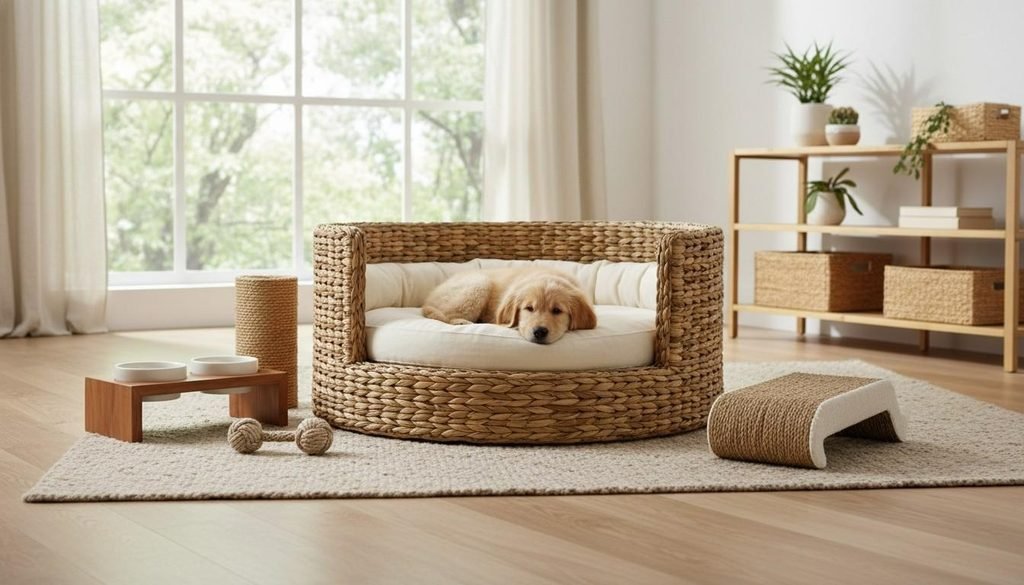
Bamboo furniture and woven accessories can introduce warmth and texture into contemporary spaces. Their environmental advantages depend on sourcing, processing, adhesives, coatings, and product lifespan.
Inspect woven baskets and furniture carefully if your pet tends to chew or pull apart household objects. Pieces that unravel easily may not be suitable for unsupervised access.
Replaceable cushions and components
Furniture designed with replaceable covers, cushions, or scratching surfaces can be especially practical. You may be able to refresh a worn component instead of discarding the entire product.
This feature is worth checking before purchasing, particularly for furniture that will receive daily use.
Why Durable Pet Furniture Can Be the More Sustainable Choice
A low purchase price can be tempting, but inexpensive furniture may become a false economy if it breaks, loses support, or becomes difficult to clean after only a short period.
A well-constructed pet bed or scratching post may cost more initially but can provide better long-term value when its materials and components withstand regular use.
When comparing products, consider:
- Frame strength: Check whether the furniture feels stable and is designed for your pet’s size.
- Replaceable parts: Look for covers, cushions, or scratching surfaces that can be purchased separately.
- Repairability: Simple construction may make small repairs easier.
- Cleaning requirements: Materials that tolerate routine cleaning can remain useful for longer.
- Product lifespan: Consider expected wear rather than judging quality by appearance alone.
Durability also needs to match the animal. A fabric bed may last for years with a gentle senior cat but deteriorate quickly if used by a puppy that chews everything in reach.
Choose products according to your pet’s behavior, not just the manufacturer’s sustainability claims.
How to Identify Greenwashing in Pet Furniture
Terms such as eco-friendly, natural, and sustainable can sound reassuring, but they don’t always explain what makes a product environmentally preferable.
Before buying, look beyond the marketing language.
Ask these questions:
- Does the manufacturer explain what materials are used?
- Is the wood sourced responsibly, where applicable?
- Does the company provide meaningful information about recycled content?
- Can worn components be replaced?
- Are cleaning and maintenance instructions clear?
- Are claims supported by recognizable standards or verifiable information?
A product made from natural materials isn’t automatically safer for pets. Natural wood can splinter, plant-based fibers can unravel, and natural finishes may still be unsuitable for chewing.
Pet safety should always come before sustainability claims or visual appeal.
Inspect furniture regularly for loose threads, exposed foam, peeling finishes, damaged cords, and other parts your pet might swallow. Remove damaged items from use until they’re repaired or replaced.
Budget-Friendly Ways to Make Your Pet Decor More Sustainable
You don’t need to replace every pet accessory to create a more sustainable home.
Start by making better use of the furniture you already own. A washable cover can refresh a worn-looking dog bed, while reorganizing a room may create space for a scratching post or feeding station without buying additional furniture.
Other practical ideas include:
- Repairing a sturdy frame when the damage is minor and the repair is safe.
- Replacing a worn scratching surface instead of an entire cat tree.
- Donating clean, usable pet accessories when local organizations accept them.
- Buying secondhand furniture only when it can be thoroughly cleaned and checked for hazards.
- Choosing neutral, durable designs that remain useful even if your interior style changes.
Be selective with secondhand upholstered furniture and used pet beds. They may contain hidden damage, trapped odors, parasites, or materials that are difficult to sanitize. Never use a product with uncertain structural integrity or inaccessible contamination.
If you’re planning a larger home refresh, start with the items your pet uses most often. A comfortable bed with a replaceable cover or a sturdy scratching post may offer more practical value than several decorative accessories.
Smart Pet Furniture and Tech-Integrated Home Design
Add to Favorites
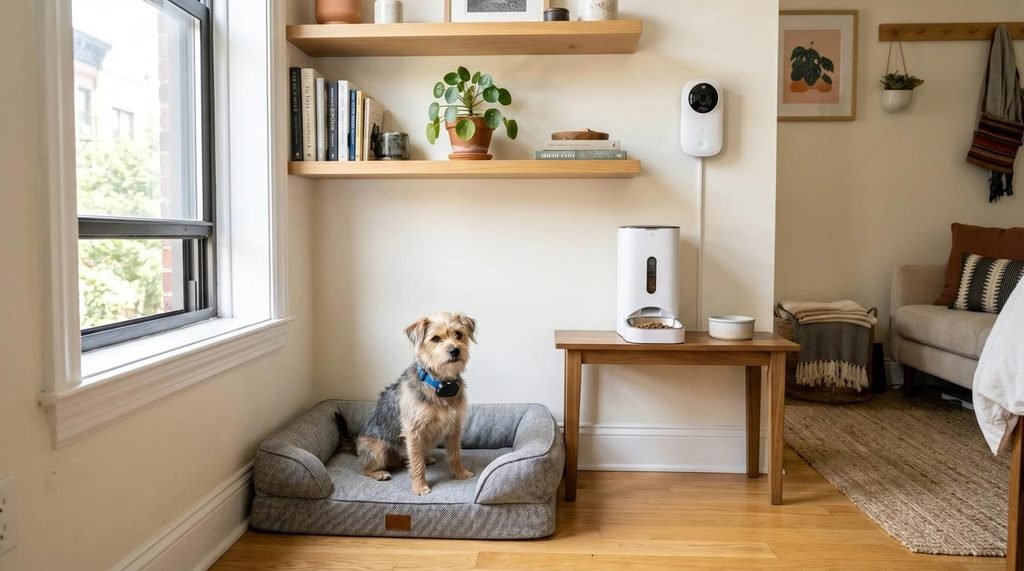
Technology is gradually changing how people manage everyday pet care. Automatic feeders, smart pet cameras, self-cleaning litter systems, and connected pet doors can make certain routines more convenient while fitting into a contemporary home.
For 2027, the most useful approach is to treat technology as an addition to thoughtful pet furniture rather than a replacement for it.
A smart feeder won’t make up for an unsuitable feeding area, and a pet camera can’t replace interaction, exercise, or direct observation. The best technology helps you care for your pet more consistently while keeping the home comfortable and safe.
Smart Feeders That Fit Modern Kitchens
Add to Favorites
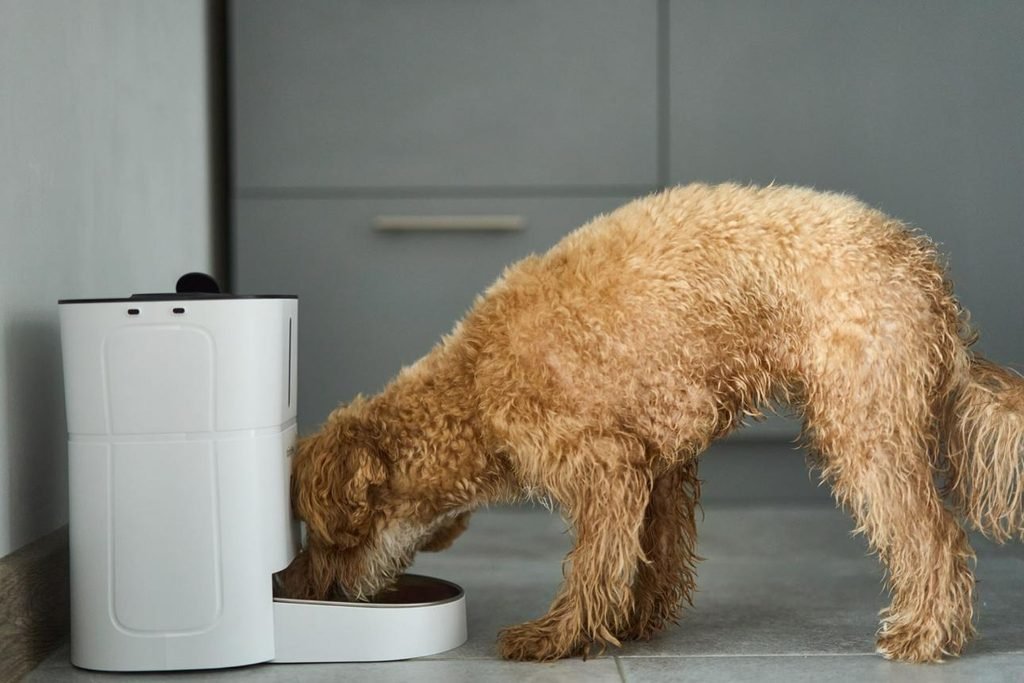
Automatic feeders can help some households manage scheduled meals, particularly when owners have busy routines or need to maintain a consistent feeding schedule.
Many models offer programmable portions, timers, or app-based controls. Some include covered food storage to help keep dry food organized.
Before choosing one, consider whether the device suits your pet’s diet and eating behavior.
Look for:
- Reliable portion settings appropriate for your pet’s feeding plan.
- A design that’s easy to disassemble and clean.
- Food-contact materials suitable for the intended use.
- Stable construction that resists tipping.
- A feeding opening that doesn’t restrict comfortable access.
- Clear information about power requirements and what happens during an outage.
Automatic feeders can malfunction, jam, lose power, or dispense the wrong amount of food. Test the device before relying on it and check that your pet receives the intended meals.
Don’t assume an automatic feeder is suitable for every animal. Pets with special dietary needs, dogs that guard food, or cats that require closely monitored meals may need a more individualized approach.
Fresh water must remain available, too. A timed food dispenser is not a substitute for a reliable supply of clean drinking water.
Smart Pet Cameras for Monitoring Your Pet at Home
Add to Favorites
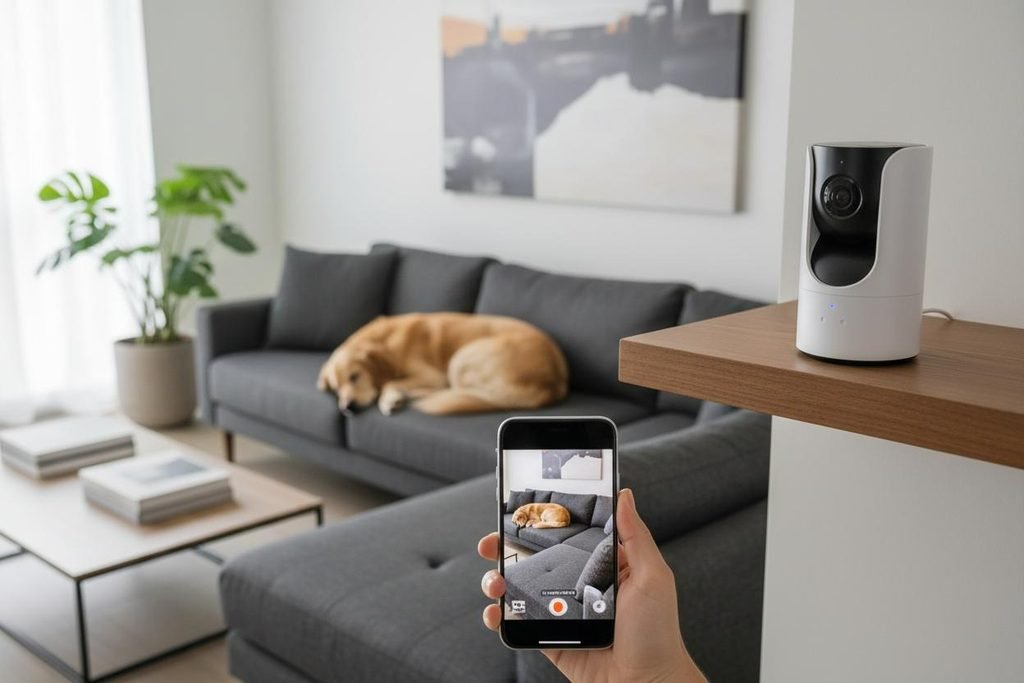
Pet cameras allow owners to check on animals while away from home. Depending on the model, features may include live video, motion alerts, two-way audio, or treat dispensing.
These devices can be useful for observing general activity and checking whether a pet appears comfortable in its environment.
However, camera footage provides only a partial view of your pet’s condition. A dog that seems quiet on video may still be distressed, and a camera cannot reliably diagnose illness or determine whether a pet is safe in every situation.
To use a camera effectively:
- Position it where your pet’s usual resting area is visible.
- Keep cables out of reach of chewing pets.
- Secure the device so it cannot fall.
- Review privacy and account-security settings.
- Test notifications and connectivity before depending on them.
- Avoid using two-way audio or treat dispensing in ways that frighten or overstimulate your pet.
If your pet regularly shows signs of distress when left alone, such as persistent vocalizing, destructive behavior, or repeated attempts to escape, consult a veterinarian or qualified behavior professional. A camera can help you observe patterns, but it isn’t a complete solution to separation-related problems.
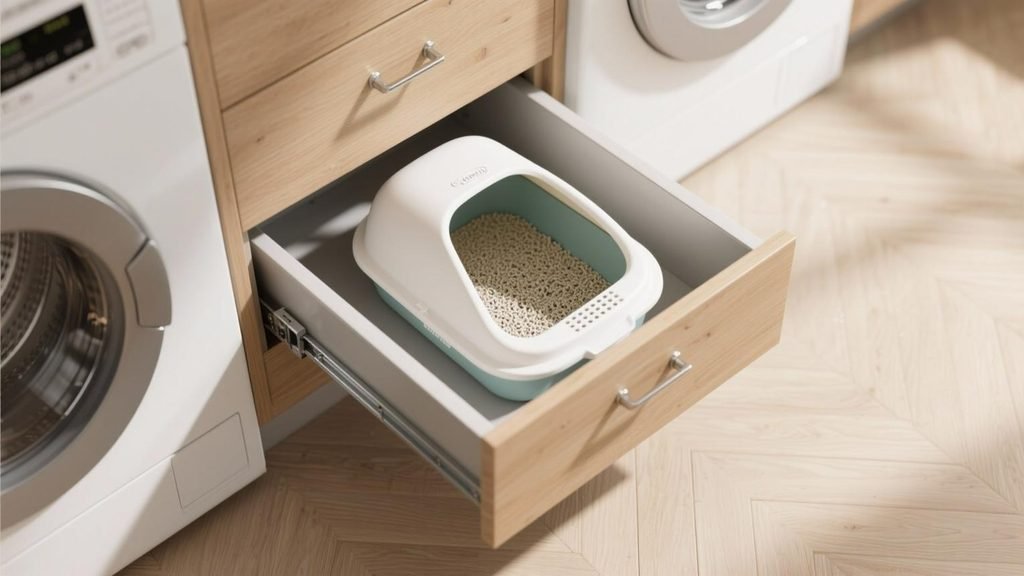
Automated Litter Systems and Discreet Cat Furniture
Add to Favorites
Automated litter systems appeal to cat owners who want to reduce some of the repetitive work involved in litter-box maintenance.
Depending on the model, these products may sift waste automatically, collect clumps in a compartment, or alert owners when cleaning is needed. Their streamlined designs can also fit into modern pet areas more neatly than a traditional open tray.
Still, automation doesn’t eliminate the need for daily attention.
When considering an automated litter box, check:
- Size: Your cat needs enough room to enter, turn around, and use the box comfortably.
- Entry height: Senior cats, kittens, and cats with mobility issues may struggle with high entrances.
- Cleaning access: Waste containers and internal surfaces must be easy to inspect and clean.
- Noise: Some cats may dislike the sound or movement of an automated system.
- Safety mechanisms: Review the manufacturer’s safeguards and age or weight restrictions.
- Backup options: Keep an appropriate alternative available during setup or if the device stops working.
Introduce a new litter system gradually. Some cats may need time to investigate it, and others may prefer their familiar tray.
Never force a cat to use an unfamiliar automated box. If your cat avoids it, returns to inappropriate elimination, or appears uncomfortable while urinating or defecating, investigate the cause instead of assuming the problem is behavioral.
Repeated straining to urinate, particularly in a male cat, can indicate a life-threatening urinary blockage and requires emergency veterinary attention.
Integrating Smart Pet Accessories Without Creating Clutter
Technology can make a home look more complicated if every device has a visible cable, separate power adapter, or bulky control unit.
Thoughtful placement helps keep your pet area organized.
For example, you could position an automatic feeder near a designated feeding zone, place a pet camera on a stable shelf with a clear view, and store cleaning supplies in a separate accessible cabinet.
Use these practical guidelines:
- Keep cables secured and inaccessible to chewing pets.
- Position electronic devices away from water bowls and wet cleaning areas.
- Avoid enclosing equipment in cabinets that restrict required ventilation.
- Keep controls and maintenance access convenient for adults.
- Check that furniture doesn’t block sensors, cameras, or automatic doors.
- Follow the manufacturer’s instructions for cleaning and maintenance.
Don’t conceal a device so thoroughly that you forget to clean it, refill it, or inspect its operation.
Smart home integration should simplify routines, not create additional chores.
Are Smart Pet Products Worth the Cost?
Smart products can be helpful, but not every household needs them.
A pet owner who works irregular hours may appreciate a reliable automatic feeder, while someone who spends most of the day at home may find a standard feeding station perfectly adequate.
Consider this comparison before investing.
| Smart pet product | Main benefit | Possible limitation | Best buying priority |
| Automatic feeder | Helps maintain scheduled meals | Can jam, lose power, or dispense incorrectly | Reliability and cleaning |
| Pet camera | Allows remote observation | Doesn’t replace direct supervision | Secure placement and useful alerts |
| Automated litter box | Reduces some manual scooping | Requires maintenance and may not suit every cat | Cat acceptance and safety |
| Smart pet door | Can manage access in compatible setups | May require installation, batteries, or connectivity | Secure operation and suitable fit |
| Connected water fountain | Encourages interest in moving water for some pets | Requires frequent cleaning and filter maintenance | Easy cleaning and dependable operation |
Start with a specific problem you want to solve. If your current setup already works well, there may be little benefit in replacing it with a more expensive connected product.
The best smart pet furniture and accessories are dependable, easy to maintain, and genuinely useful for your pet’s routine.
Smart Technology Should Never Replace Responsible Pet Care
Technology can provide helpful reminders and observations, but pets still need direct attention.
Automatic devices cannot fully assess appetite, hydration, pain, anxiety, or changes in behavior. Water fountains still need cleaning, feeders need checking, and litter boxes require regular inspection.
If you use connected pet products, build a simple routine around them:
- Check food and water supplies daily.
- Confirm that automated devices are operating correctly.
- Clean bowls, feeders, fountains, and litter equipment as directed.
- Observe your pet’s appetite, activity, elimination, and behavior.
- Arrange suitable human care whenever you are away for an extended period.
A smart home should make responsible pet care easier, not encourage owners to overlook their animals’ needs.
Pet-Friendly Living Room Ideas: Style Without Sacrificing Comfort
Add to Favorites
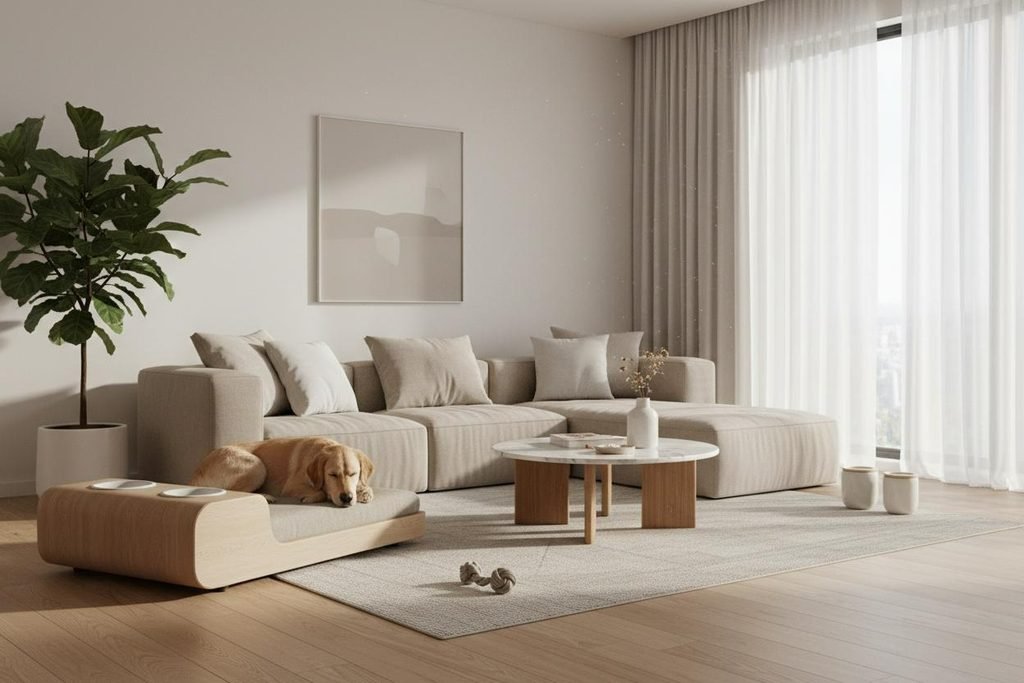
The living room is often where pets and people spend the most time together. It’s also where pet beds, toys, scratching posts, blankets, and feeding accessories can quickly make a carefully designed space feel crowded.
The solution isn’t to remove everything your pet enjoys. Instead, create a layout that accommodates daily routines while making the room feel organized and inviting.
Modern pet furniture and home decor trends for 2027 offer plenty of inspiration, from coordinated cushions to discreet storage and durable upholstery. A few thoughtful changes can improve the room without requiring a complete renovation.
Choose Furniture and Fabrics That Handle Everyday Pet Life
A beautiful living room needs to withstand real use. Fur, paw prints, claws, and occasional accidents are part of sharing your home with animals.
Before buying a sofa, rug, or decorative cushion, consider how your pet behaves.
For homes with shedding dogs and cats
Choose upholstery that can be vacuumed or wiped according to its care instructions. Removable covers and washable throws can make regular cleaning easier.
Consider your pet’s coat color when selecting fabrics. Light fur may be more visible on dark upholstery, while dark fur can stand out on cream-colored furniture.
For homes with cats that scratch
Provide appropriate scratching surfaces near the areas your cat tends to target. Tightly woven upholstery may be less vulnerable to snagging than some loose weaves, but no fabric is completely scratch-proof.
Protect vulnerable sofa corners if necessary, and make scratching posts attractive and accessible.
For homes with puppies or dogs that chew
Choose sturdy furniture without exposed foam, loose cords, or easily detached decorative pieces. Keep chewable household objects out of reach and provide appropriate toys.
Avoid assuming that a durable-looking material is safe if your pet is likely to chew and swallow pieces of it.
For pets that track in dirt or moisture
Use washable throws, removable cushion covers, and rugs that tolerate cleaning. Clean wet paws and dirty areas promptly rather than allowing moisture to soak into upholstery or padding.
How to Choose a Pet-Friendly Rug
Add to Favorites
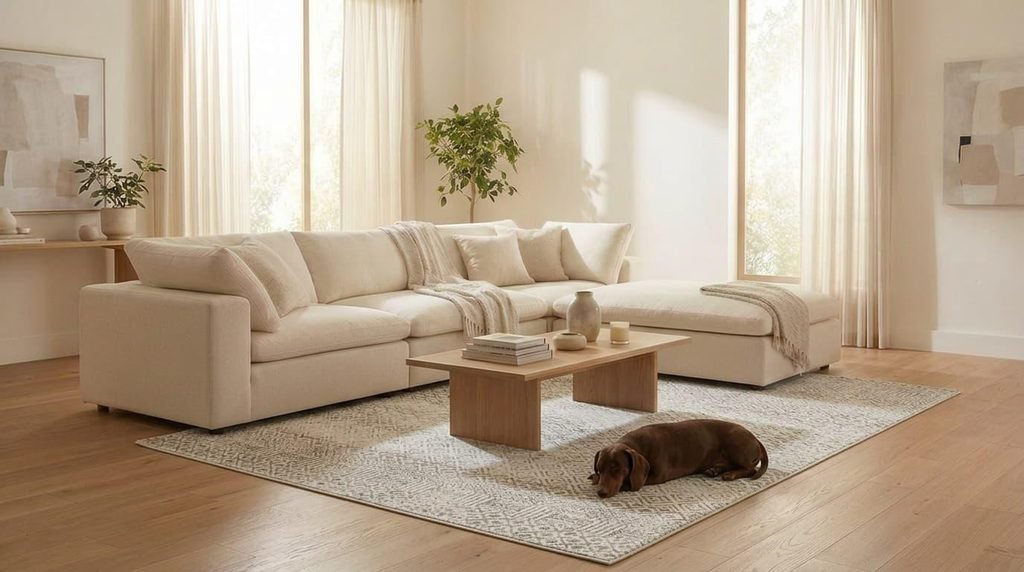
A rug can make a room feel warmer and visually connect your pet’s bed with the surrounding furniture. However, the wrong rug may collect fur, trap odors, or create a slipping hazard.
Consider these features when choosing one:
- Low pile or tightly woven construction: Often easier to vacuum than thick, shaggy designs.
- Secure edges: Reduce the likelihood of curling, snagging, or becoming a tripping hazard.
- Suitable backing or rug pad: Helps limit slipping when compatible with your flooring.
- Cleaning instructions: Make sure the rug can be maintained with products suitable for its material.
- Appropriate size: Leave enough room for doors, walkways, and furniture movement.
Washable rugs may be convenient in busy homes, but check the manufacturer’s instructions and make sure the backing remains in good condition after washing.
Avoid rugs with long fringe if your pet tends to chew, pull threads, or swallow loose fibers. Small pieces of fabric can create a health risk if ingested.
For senior dogs or pets with mobility issues, traction matters more than appearance. Slippery flooring can make it harder to stand up or move confidently, so consider appropriate nonslip surfaces along the routes your pet uses most.
Create a Designated Pet Zone Without Isolating Your Pet
Add to Favorites
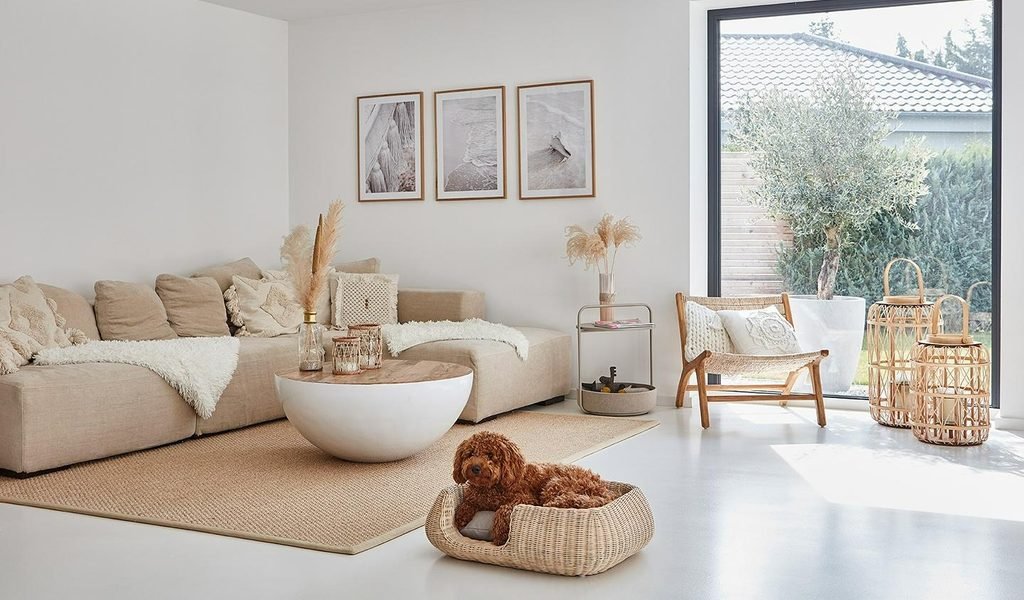
A designated pet zone helps organize accessories and gives your animal a familiar place to rest.
The zone doesn’t have to be large. A corner beside the sofa, a section of a quiet wall, or a comfortable area near the family seating arrangement may be enough.
Start with the essentials:
- A suitable bed or resting surface.
- A basket for toys and everyday accessories.
- A washable blanket if your pet uses the sofa.
- A scratching post or cat perch where appropriate.
- Easy access to water.
- Enough clear space to enter and leave comfortably.
Cats may benefit from having several resting choices in different locations, while dogs often enjoy a bed close to the people they spend time with.
Keep in mind that some pets need quiet separation from household activity. A resting zone should allow your animal to relax without being repeatedly disturbed by children, visitors, or other pets.
Don’t force your pet to remain in one decorative corner if it prefers another safe resting place. The purpose is to improve organization while supporting natural behavior.
Keep Pet Toys and Accessories Organized
Pet accessories can create visual clutter when they accumulate around the sofa, under the coffee table, and beside doorways.
Simple storage solutions can make a meaningful difference.
Use a dedicated toy basket. Choose a stable container without sharp edges, loose decorative fibers, or parts your pet might chew off.
Store grooming supplies together. Brushes, pet-safe cleaning products, and grooming towels can be kept in a designated cabinet, separate from human food and household chemicals.
Create an entryway station. Keep leashes, harnesses, towels, and waste bags near the door you use for walks. Store cleaning products securely out of your pet’s reach.
Rotate toys. Keeping a selection available while storing others can help reduce clutter. Check toys regularly and remove damaged pieces.
Choose coordinated accessories. Matching baskets or simple storage containers can help the room feel cohesive without sacrificing convenience.
Be careful with decorative storage boxes that close tightly or have lids that could trap a curious pet. Store hazardous items securely, but keep frequently used pet essentials easy for you to reach.
Pet-Friendly Living Room Layouts for Different Homes
The best arrangement depends on your room size, the number of animals you have, and the way your household uses the space.
| Home type | Practical design approach | Important consideration |
| Small apartment | Compact bed, narrow storage basket, wall-mounted cat shelves where appropriate | Preserve clear walkways and easy access to essentials. |
| Open-plan home | Coordinate pet furniture with the living room palette and create a defined resting zone | Keep pet areas away from heavy traffic and kitchen hazards. |
| Home with multiple pets | Provide separate resting options and enough resources for each animal | Avoid forcing pets to compete for beds, food, water, or litter boxes. |
| Home with senior pets | Low-entry beds, supportive surfaces, and nonslip routes | Minimize difficult jumps and obstacles. |
| Home with active puppies | Durable washable covers, secure storage, and accessible appropriate toys | Remove items that can be chewed apart or swallowed. |
| Cat-focused home | Scratching posts, elevated resting places, and sheltered hideaways | Ensure climbing routes are secure and litter areas remain accessible. |
For households with multiple cats, resource placement deserves particular attention. Separate feeding locations, resting spaces, scratching surfaces, and litter boxes can reduce competition. Cats that don’t get along may need more than one route through the home so one animal cannot easily block another.
Dogs also need individual space when sharing a home, especially during meals or when resting. Never rely on decorative furniture to separate animals if there is a risk of conflict.
Keep Pet Comfort Ahead of a Perfectly Styled Room
It’s easy to focus on matching colors, hiding accessories, and maintaining a picture-perfect living room. However, a genuinely pet-friendly space must work for the animals who use it.
Make sure your pet can reach fresh water, rest comfortably, move around without slipping, and access suitable enrichment. Avoid placing beds directly beside noisy equipment or in locations where your pet is frequently disturbed.
Observe how your pet responds after rearranging furniture. If a cat stops using a familiar resting spot or a dog avoids a newly positioned bed, try adjusting the location rather than assuming the animal will eventually accept it.
Changes in behavior can sometimes reflect discomfort or stress. Persistent avoidance, reduced appetite, unusual hiding, or difficulty moving may warrant veterinary advice rather than another decor adjustment.
A well-designed pet-friendly living room should look good because it functions well—not because every sign of your pet has been hidden.
Start with one improvement, such as a more comfortable bed, a durable rug, or an organized toy station. Once that change works for your household, you can gradually build a living space that feels stylish, practical, and welcoming to every member of the family.
Common Pet Furniture Mistakes That Can Ruin Your Design—and Your Pet’s Comfort
Add to Favorites
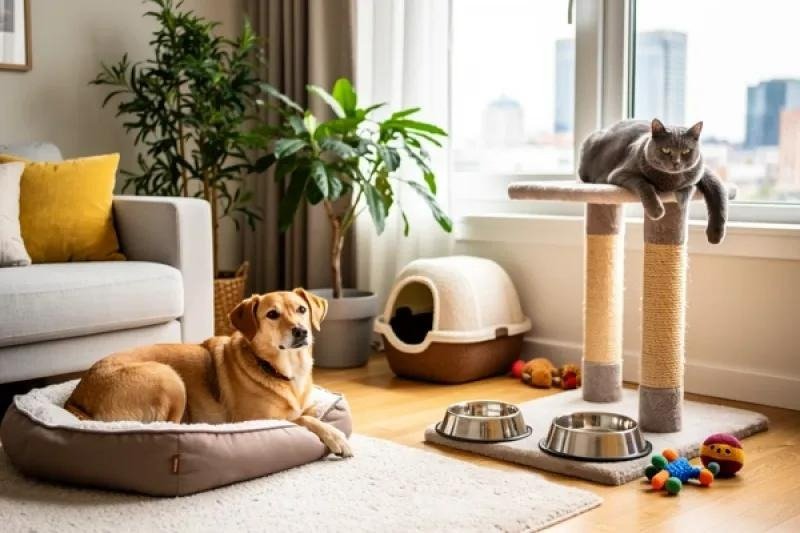
Even the most beautiful pet-friendly home can become uncomfortable or impractical when furniture choices prioritize appearance over everyday use. Modern pet furniture and home decor trends for 2027 offer plenty of creative possibilities, but not every stylish product is suitable for every animal.
A bed that looks perfect beside your sofa may be too small for your dog. A decorative cat shelf might be difficult to climb, while an enclosed litter cabinet could make your cat reluctant to use its litter box.
Avoiding a few common mistakes can help you create an attractive home that supports your pet’s comfort, safety, and natural behavior.
Choosing Style Over Comfort
One of the biggest mistakes is purchasing pet furniture simply because it matches the room.
A designer-style dog sofa might look impressive, but shallow cushioning or raised sides could make it uncomfortable for a large dog. Similarly, a minimalist cat tree may look elegant but offer too few suitable scratching surfaces or resting platforms.
Before buying, consider your pet’s actual habits.
- Does your dog stretch out or curl up when sleeping?
- Does your cat prefer elevated spaces or enclosed hiding places?
- Can your senior pet climb onto the furniture without struggling?
- Is the sleeping surface supportive and comfortable?
- Can your pet use the furniture without slipping or getting stuck?
Choose furniture for your pet first and coordinate it with your decor second. A comfortable neutral bed will usually be a better choice than an attractive but unsuitable one.
Buying Furniture Without Measuring First
Product photographs can make furniture look smaller or larger than it really is. This is especially problematic when buying multifunctional pieces for apartments or compact rooms.
Measure both the available floor space and the usable dimensions of the pet furniture.
Remember to account for more than the product’s footprint. A cat tree needs enough surrounding space for safe jumping, while a dog bed shouldn’t block a doorway or become an obstacle in a narrow walkway.
For integrated pet furniture, check the dimensions of the actual sleeping compartment rather than relying on the overall measurements.
Practical tip: Mark the proposed furniture footprint on the floor with removable tape. This gives you a better idea of how the piece will fit before you spend money on it.
Ignoring Stability and Installation Safety
Unstable furniture can be dangerous, particularly when pets jump, climb, or move quickly.
A tall cat tree with a narrow base may tip if a cat leaps onto it. A wall-mounted shelf may detach if its hardware is unsuitable for the wall structure.
Inspect furniture carefully before use.
- Choose stable frames and appropriately wide bases.
- Secure tall furniture according to the manufacturer’s instructions.
- Use suitable mounting hardware for wall-mounted products.
- Check that steps and ramps have adequate traction.
- Inspect screws, joints, and moving components periodically.
- Keep sharp edges, exposed fasteners, and accessible electrical cords away from pets.
Avoid placing climbing furniture where a fall could cause your cat to land on sharp objects or hard furniture edges.
If you have a puppy that chews or a cat that pulls at loose materials, inspect the furniture more frequently and remove damaged items from use.
Choosing Fabrics That Are Difficult to Maintain
Delicate upholstery, loose weaves, and thick rugs can create extra work in a home with pets.
Loose threads may catch on claws, while textured fabrics can trap fur and odors. Some cushions also absorb moisture and take a long time to dry.
Look for materials that match your cleaning routine and your pet’s behavior.
| Common problem | More practical choice |
| Heavy shedding | Removable covers and upholstery that is easy to vacuum |
| Frequent muddy paws | Washable throws and easy-clean surfaces |
| Cat scratching | Suitable scratching posts and less snag-prone upholstery |
| Puppy chewing | Durable products without accessible foam or loose components |
| Occasional accidents | Removable covers and materials that tolerate appropriate cleaning |
| Limited time for maintenance | Simple furniture with accessible surfaces and replaceable parts |
No fabric is completely resistant to damage. Regular cleaning and providing suitable alternatives for scratching and chewing can help extend the life of your furniture.
Hiding Pet Essentials Too Well
Discreet pet furniture can make a room look organized, but hiding essential resources can create problems.
A litter box placed inside a cramped cabinet may discourage use. Food bowls tucked behind furniture may become difficult to reach, while water placed in an inconvenient location may be overlooked during daily cleaning.
Keep essential resources accessible and monitor whether your pet uses them comfortably.
For cats, provide suitable litter-box access and avoid locations where other pets can block the entrance. For dogs, choose feeding and resting areas that allow comfortable movement without squeezing between furniture.
A pet-friendly home should make care easier, not merely make pet supplies less visible.
Forgetting Your Pet’s Changing Needs
Furniture that works well for a young, active animal may become unsuitable as that animal ages.
Senior dogs may need lower-entry beds and nonslip flooring. Older cats may benefit from lower platforms, ramps, and litter boxes with easier entry.
Puppies and kittens may also outgrow their furniture surprisingly quickly.
Reassess your setup whenever your pet’s size, mobility, behavior, or health changes. If you notice persistent difficulty climbing, stiffness, pain, or unusual avoidance of familiar furniture, consult a veterinarian instead of assuming the problem is simply a design issue.
How to Choose Modern Pet Furniture That Fits Your Budget
Add to Favorites
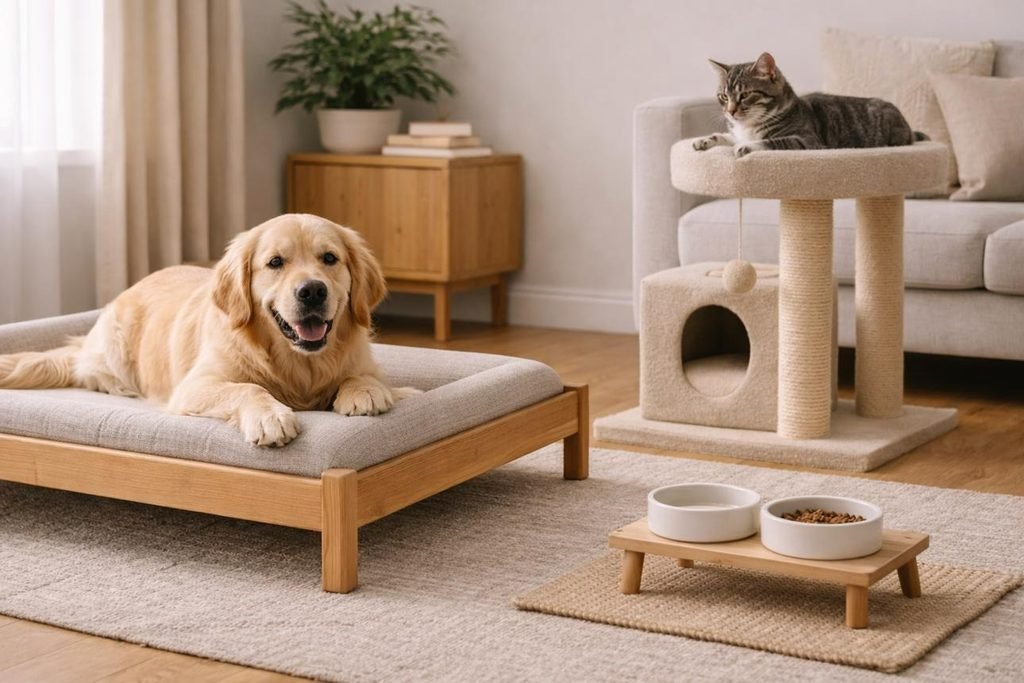
Creating a stylish pet-friendly home doesn’t require purchasing an entirely new collection of furniture. The most effective approach is to identify what your pet needs, determine which items deserve an upgrade, and spend your budget where it will make the biggest difference.
Modern pet furniture and home decor trends for 2027 include everything from affordable accessories to premium custom-built pieces. A higher price doesn’t automatically mean a product is more comfortable, safer, or more durable.
Decide Which Pet Furniture Is Worth Spending More On
Start by separating essential purchases from decorative extras.
Your budget should first cover your pet’s basic needs, including a comfortable resting area, appropriate feeding equipment, suitable scratching or enrichment items, and safe access to everyday resources.
After those needs are met, you can consider design upgrades.
Items worth prioritizing:
- A properly sized bed with suitable cushioning and washable components.
- A sturdy scratching post or climbing structure for cats.
- Stable feeding stations that are easy to clean.
- Secure ramps or steps when your pet needs help accessing furniture.
- Durable furniture that can be repaired or maintained.
- Storage solutions that make everyday care more convenient.
Decorative matching bowls, luxury pet sofas, and smart accessories may be enjoyable additions, but they’re usually less important than comfort, safety, and functionality.
Budget-Friendly, Midrange, and Premium Pet Furniture Compared
Different price categories can serve different purposes. The best option depends on construction quality, available space, and how frequently the furniture will be used.
| Budget level | Typical options | Advantages | What to check |
| Budget-friendly | Basic washable beds, simple scratching posts, storage baskets | Affordable and easy to replace when necessary | Stability, material quality, and suitability for your pet |
| Midrange | Better-supported beds, modular cat furniture, multifunctional feeding stations | More design options and potentially better durability | Replaceable parts, construction, and cleaning requirements |
| Premium | Custom-built pet furniture, designer pet sofas, integrated furniture systems | Greater design flexibility and potentially better integration with your home | Actual comfort, repairability, installation, and long-term value |
These categories are general rather than fixed price brackets. Local availability, materials, brand, and shipping costs can make similar products vary considerably in price.
A simple, sturdy bed with a replaceable cover may be a better investment than a luxury bed with delicate fabric and expensive replacement parts.
Affordable Ways to Refresh Your Pet-Friendly Home
You can make a noticeable difference without buying new furniture for every room.
Refresh existing pet beds. Replace a worn cover, wash the cushion according to its care instructions, or add a suitable washable blanket.
Coordinate colors. Choose accessories in shades already present in your room. A matching cushion or toy basket can make an existing pet area look more intentional.
Reorganize pet supplies. Use a dedicated storage basket for toys and a separate container for walking accessories.
Improve furniture placement. Moving a bed to a quieter corner or placing a scratching post beside a frequently targeted sofa may solve a problem without requiring new purchases.
Use vertical space carefully. If you own your home and can install shelves securely, wall-mounted cat furniture may reduce the need for bulky floor-standing structures. Renters can consider freestanding alternatives.
Buy replacement components where possible. A new cushion or scratching insert may be cheaper than replacing an entire piece of furniture.
When buying secondhand items, inspect them for structural damage, loose fasteners, difficult-to-remove odors, and signs of pests. Used upholstered products and pet beds require particular care because their hygiene and previous condition may be uncertain.
Your Pet Furniture Buying Checklist
Before checking out, review these essentials.
Pet furniture shopping checklist
0 of 7
Correct dimensions
The furniture fits the room and gives your pet enough usable space.
Comfort and accessibility
Your pet can rest, enter, exit, and change positions comfortably.
Stable construction
Frames, bases, shelves, and joints are suitable for your pet’s size and activity.
Pet-appropriate materials
No accessible sharp edges, hazardous loose parts, or easily swallowed components.
Easy maintenance
Covers and surfaces can be cleaned using suitable methods.
Long-term value
The product is durable, repairable, or has replaceable components where practical.
Suitable placement
The furniture won’t block walking routes, food, water, or litter-box access.
Use this checklist when comparing products online or visiting a furniture store. It can help you avoid impulse purchases that look attractive but don’t suit your household.
Beyond Furniture: Creating a Healthier, More Enriching Pet-Friendly Home
Add to Favorites
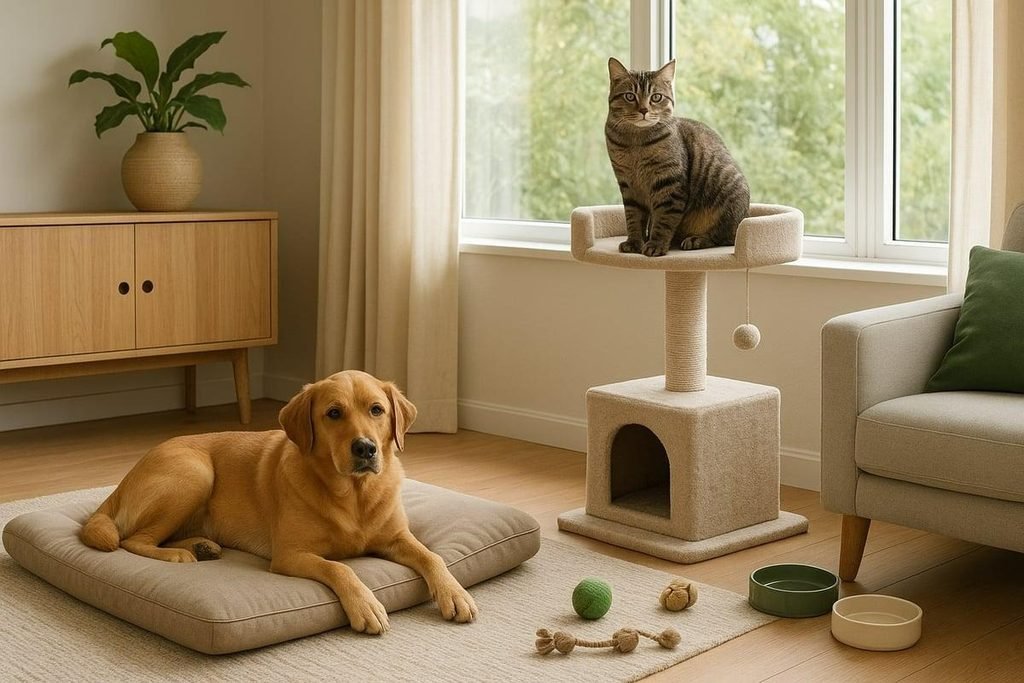
Furniture is only one part of a pet-friendly home. The way you arrange your space also affects how easily your animals can rest, play, explore, eat, drink, and interact with the people around them.
The best modern pet furniture and home decor trends for 2027 combine attractive design with a deeper understanding of animal needs. A beautiful room should also give pets opportunities to express normal behaviors and feel secure.
Design Your Home Around Your Pet’s Natural Behavior
Cats and dogs benefit from different types of environmental enrichment.
Cats often enjoy climbing, observing their surroundings, scratching, hiding, and exploring. Dogs typically benefit from comfortable resting places, regular walks, play, appropriate chewing opportunities, and positive interaction with their owners.
Your furniture arrangement can support these needs.
For cats, consider providing:
- Stable elevated platforms or window perches.
- Appropriate scratching surfaces.
- Quiet hiding places and comfortable resting spots.
- Separate, accessible locations for food, water, and litter.
- Interactive toys and opportunities for supervised play.
For dogs, consider providing:
- A comfortable bed in a suitable location.
- Appropriate chew toys and enrichment activities.
- Clear routes through the home.
- Easy access to water.
- A quiet resting area where they won’t be disturbed.
- Suitable exercise and opportunities to explore outdoors.
Not every home needs every type of accessory. Start with the behaviors your pet displays and choose enrichment that matches its age, personality, and abilities.
Keep Pet Furniture Clean to Support Everyday Well-Being
Pet beds, blankets, food bowls, litter boxes, and toys all need regular maintenance.
Fur and dirt can accumulate on cushions, while damp bedding may develop unpleasant odors. Food residue can build up in bowls, and poorly maintained litter areas may become uncomfortable for cats.
Establish a simple cleaning routine:
- Wash bedding and removable covers as needed.
- Clean food and water bowls regularly.
- Empty and maintain litter boxes frequently.
- Inspect toys for damage and remove unsafe items.
- Vacuum areas where fur and debris accumulate.
- Clean accidents promptly using products suitable for the surface and your pet.
Always follow product instructions and keep pets away from wet cleaning solutions until the area is safe to use.
If your pet develops persistent itching, skin irritation, unusual odors, or other concerning symptoms, don’t assume that furniture cleaning alone will solve the problem. Consult a veterinarian when appropriate.
Connect Furniture Choices With Grooming and Pet Care
Some home design decisions can make everyday grooming easier.
A washable blanket on a frequently used sofa, for example, can simplify fur removal. A designated grooming area with suitable lighting and organized supplies can make brushing more convenient.
For pets that shed heavily, select resting areas where fur can be removed without damaging the upholstery. Keep brushes, pet-safe cleaning products, and towels organized in a location that’s easy for you to access but secure from curious animals.
Regular grooming needs vary by species, breed, coat type, and individual condition. Choose suitable grooming tools and techniques rather than relying on furniture or accessories to manage shedding.
If you want to improve your routine further, consider linking this article to a related guide on essential pet grooming supplies and everyday grooming tips. That gives readers a natural next step after choosing furniture that is easier to maintain.
Know When a Home Design Problem Might Be a Health Problem
Pets sometimes change how they use their environment because they’re uncomfortable, stressed, or unwell.
A cat that suddenly stops jumping onto a familiar perch may have difficulty moving. A dog that avoids its bed or struggles to stand may be experiencing pain. Repeated litter-box avoidance can also have medical causes.
Pay attention to changes such as:
- Reluctance to climb, jump, or walk.
- Persistent hiding or unusual withdrawal.
- Changes in appetite or drinking.
- Repeated accidents or changes in elimination.
- Unusual vocalization or signs of discomfort.
- Sudden changes in normal resting behavior.
These signs don’t automatically indicate a specific illness, but they deserve attention when they persist or appear alongside other symptoms.
Seek veterinary advice for concerning changes. Repeated straining to urinate with little or no urine, particularly in a male cat, is an emergency. Don’t delay care while trying different furniture arrangements.
Thoughtful interior design should make it easier to notice your pet’s normal routines, not distract you from changes in behavior.
Frequently Asked Questions About Modern Pet Furniture and Home Decor Trends 2027
What pet furniture trends are expected to be popular in 2027?
Multifunctional furniture, coordinated pet beds, natural-inspired finishes, compact cat climbing systems, durable upholstery, and technology-enabled accessories are all design directions worth watching. Their popularity may vary by region and household, so prioritize features that genuinely improve your pet’s comfort and your home’s functionality.
How can I make my home look stylish with pets?
Choose a consistent color palette, coordinate pet beds with existing furniture, use washable textiles, and organize toys in dedicated storage. Provide appropriate scratching surfaces and resting areas rather than removing essential accessories simply to create a minimalist appearance.
What materials are best for modern pet furniture?
The best material depends on your pet’s habits and the furniture’s purpose. Tightly woven upholstery, removable covers, sturdy wood, and well-constructed metal frames can be practical options. Check for sharp edges, loose fibers, unsafe finishes, and components your pet could chew or swallow.
Is multifunctional pet furniture worth buying?
It can be especially useful in small homes and apartments. Furniture that combines storage, seating, or a resting area can reduce clutter and save floor space. Make sure the pet compartment remains comfortable, ventilated where necessary, easy to clean, and accessible.
What is the best pet furniture for a small apartment?
Compact dog beds, narrow storage benches with suitable pet spaces, space-saving feeding stations, and stable vertical cat furniture can work well. Choose products that preserve clear walking routes and provide your pet with enough room to rest and move comfortably.
Are wall-mounted cat shelves safe?
They can be safe when properly designed and securely installed using hardware suitable for the wall structure. Follow weight limits, provide stable landing areas, and arrange platforms according to your cat’s abilities. Inspect the installation regularly for looseness or damage.
How do I choose a designer dog bed?
Measure your dog while resting and compare those measurements with the bed’s usable sleeping area. Consider sleeping style, cushioning, entry height, washable covers, and your dog’s mobility. A stylish design is only a good choice if your dog can rest comfortably on it.
Are sustainable pet furniture products worth the extra cost?
They can be worthwhile when they offer verifiable material benefits, durable construction, and replaceable components. Compare product lifespan, maintenance requirements, and repair options instead of relying solely on eco-friendly marketing claims.
How can I protect my sofa from cats and dogs?
Provide appropriate scratching posts for cats, suitable chew toys for dogs, and washable throws where pets commonly rest. Regular grooming and prompt cleaning also help. Select upholstery suited to your household, while remembering that no fabric is completely resistant to scratching or chewing.
Are smart pet feeders and automatic litter boxes worth buying?
They can simplify certain routines, but their value depends on your pet’s needs and your ability to maintain them. Check reliability, cleaning requirements, safety features, and whether your pet accepts the device. Automated equipment never replaces fresh water, regular observation, or appropriate human care.
How can I make my home pet-friendly without spending a lot of money?
Start by reorganizing existing furniture, washing or replacing worn covers, creating a dedicated toy basket, and placing pet beds where your animals naturally prefer to rest. Purchase new items only when they solve a real problem, such as insufficient scratching opportunities or a bed that no longer fits your pet.
What should I avoid when decorating a home with pets?
Avoid unstable climbing furniture, loose cords, easily swallowed decorative pieces, slippery resting areas, cramped litter enclosures, and fabrics that are unsuitable for your pet’s behavior. Don’t block access to water, food, litter boxes, or comfortable resting spaces just to maintain a particular aesthetic.
Create a Beautiful Home That Your Pets Love, Too
Modern pet furniture and home decor trends for 2027 show how a thoughtfully designed home can accommodate animals without sacrificing style. From multifunctional furniture and sustainable materials to designer dog beds and vertical cat spaces, there are plenty of ways to make everyday pet care more convenient.
The most important thing is to choose furniture that suits your actual home and your pet’s individual needs. Focus on comfort, stability, easy cleaning, suitable materials, and room for natural behaviors before investing in decorative upgrades.
You don’t need to change everything at once. Start with one area that could work better, whether that’s an uncomfortable dog bed, a cluttered feeding station, or a living room that needs a more practical pet zone.
Ready to refresh your pet-friendly home? Choose one trend from this guide, make a small improvement this week, and observe how your pet responds. You can also explore our related guides on pet grooming essentials, indoor enrichment, and choosing comfortable pet beds to build a home that’s as welcoming for your animals as it is beautiful for you.

Passionate about pets and animal care, we shares trusted tips, fun facts, and practical advice to help pet lovers give their furry, feathered, and scaly companions the best life possible. From everyday care guides to fascinating animal insights, we’re dedicated to making pet information easy, helpful, and enjoyable for every reader.