
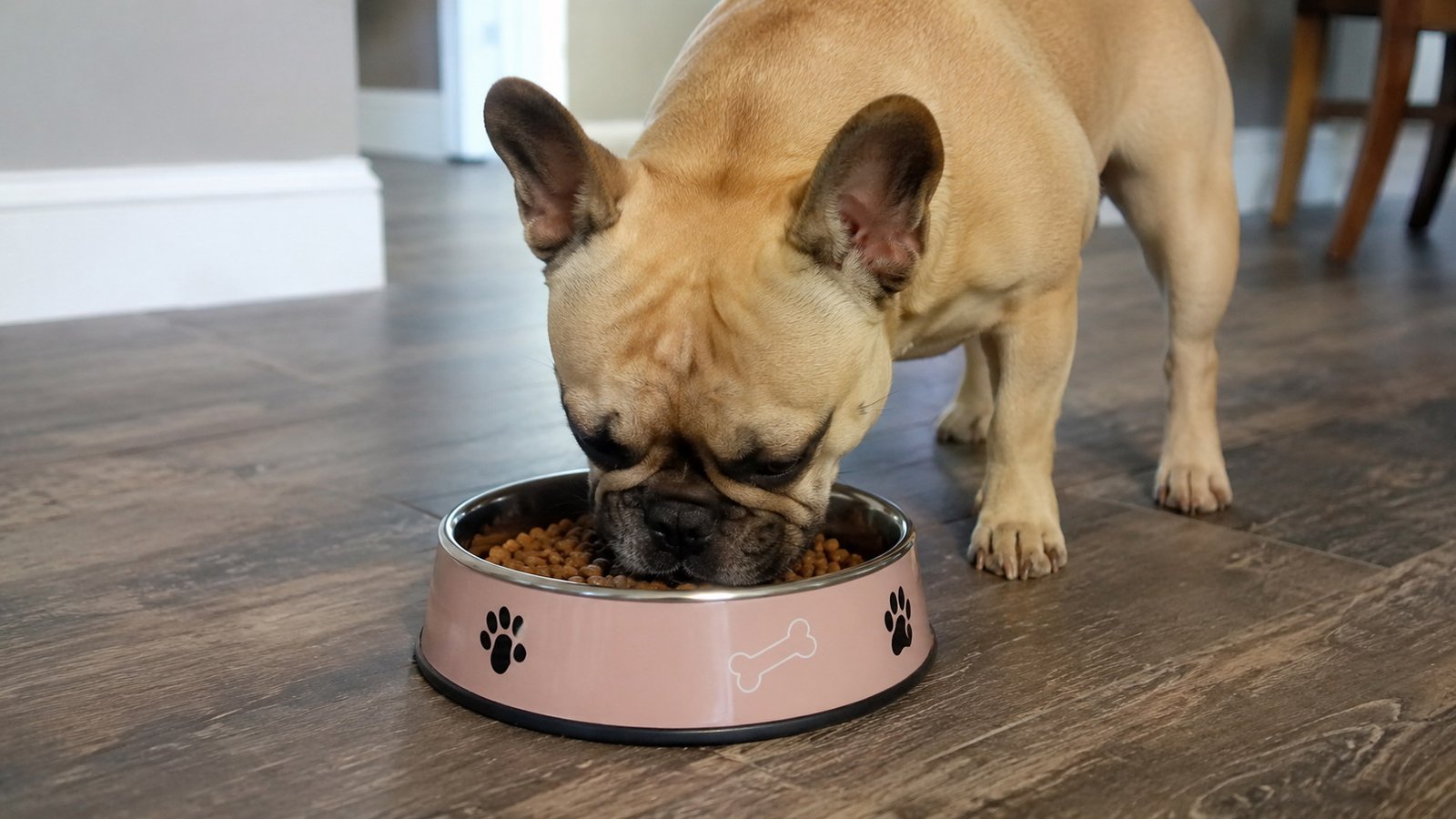
French Bulldogs are one of the most distinctive dog breeds in the world. Their compact bodies, short snouts, and flat faces make them adorable companions, but those same physical traits create unique feeding challenges. Choosing the right feeding bowls for French Bulldogs can improve comfort, reduce mess, support digestion, and help prevent common eating-related issues.
Many owners focus heavily on food quality while overlooking the bowl itself. Yet the shape, height, material, and design of a feeding bowl can significantly affect how a French Bulldog eats every day.
This guide explains everything you need to know about feeding bowls for French Bulldogs, including bowl types, ideal features, common mistakes, and practical recommendations for different needs.
In This Article
Quick Answer: What Is the Best Feeding Bowl for a French Bulldog?
The best feeding bowl for a French Bulldog is typically:
- Wide and shallow
- Made from stainless steel or high-quality ceramic
- Slightly elevated for comfortable access
- Non-slip and stable
- Large enough for the dog’s face and muzzle
- Easy to clean
Because French Bulldogs are a brachycephalic breed (short-nosed dogs), deep and narrow bowls can make eating difficult. Wide, shallow bowls generally allow easier access to food and water.
Why French Bulldogs Need Special Feeding Bowls
French Bulldogs have a unique facial structure compared to many other breeds.
Understanding Brachycephalic Anatomy
French Bulldogs belong to the brachycephalic group, which includes breeds with:
- Flattened faces
- Short muzzles
- Narrow airways
- Compact jaw structures
These characteristics can make eating and drinking less efficient than for dogs with longer snouts.
A poorly designed bowl may force a French Bulldog to:
- Push its nose deep into food
- Struggle to reach food at the bottom
- Swallow excess air
- Eat awkwardly
- Create excessive food mess
The right bowl can help reduce these issues.
Common Feeding Challenges in French Bulldogs
Owners frequently report:
- Messy eating habits
- Food pushed outside the bowl
- Difficulty reaching kibble
- Gagging or coughing while eating
- Fast eating
- Excessive air swallowing
- Digestive discomfort
While a bowl won’t solve every feeding issue, it can make mealtime significantly easier.
Key Features to Look for in Feeding Bowls for French Bulldogs
1. Wide and Shallow Design
This is often the most important feature.
French Bulldogs typically perform better with bowls that:
- Have a broad opening
- Allow easy access to food
- Reduce muzzle contact with bowl sides
- Prevent whisker discomfort
Benefits
- Easier eating
- Less frustration
- Reduced food spillage
- Better visibility of food
2. Slight Elevation
An elevated feeding station can help some French Bulldogs maintain a more natural posture.
Benefits may include:
- Improved comfort
- Less neck strain
- Easier access to food
- Potential reduction in mess
However, elevation should be moderate rather than excessive.
3. Stable Base
French Bulldogs are enthusiastic eaters.
Look for bowls with:
- Rubberized bottoms
- Heavy construction
- Non-slip bases
This helps prevent:
- Sliding
- Tipping
- Spilled water
- Floor damage
4. Easy-to-Clean Materials
Food residue and moisture can encourage bacterial growth.
Choose bowls that:
- Clean easily
- Resist scratches
- Are dishwasher-safe when possible
5. Appropriate Capacity
The bowl should fit your dog’s meal size without being excessively large.
A bowl that’s too small can cause:
- Food overflow
- Frustration
- Messy eating
A bowl that’s too large may be cumbersome and harder to clean.
Best Bowl Materials for French Bulldogs
Not all bowl materials perform equally.
| Material | Advantages | Disadvantages |
| Stainless Steel | Durable, hygienic, rust-resistant | Can slide if not non-slip |
| Ceramic | Heavy, attractive, stable | Can crack if dropped |
| Silicone | Portable, flexible | Less durable long term |
| Plastic | Lightweight, inexpensive | Can scratch and harbor bacteria |
Stainless Steel
For most owners, stainless steel is the safest all-around option.
Advantages include:
- Highly durable
- Easy cleaning
- Resistant to odors
- Long lifespan
Ceramic
Ceramic bowls can work well for French Bulldogs because their weight reduces movement.
Choose:
- Food-grade ceramic
- Lead-free glazing
- High-quality construction
Inspect regularly for cracks or chips.
Plastic
Plastic bowls are generally less desirable.
Potential concerns include:
- Surface scratching
- Odor retention
- Bacterial buildup
- Wear over time
If using plastic, replace it regularly.
Elevated Bowls: Are They Good for French Bulldogs?
Elevated bowls remain a topic of debate among dog owners.
Potential Benefits
A properly sized elevated bowl may:
- Improve comfort
- Reduce neck bending
- Help older dogs
- Make meals easier for some brachycephalic breeds
Potential Drawbacks
Overly elevated bowls may:
- Encourage awkward posture
- Not suit every dog
- Increase feeding speed in some cases
Best Practice
Observe your individual dog.
Signs an elevated bowl may help include:
- Struggling to reach food
- Significant neck bending
- Arthritis or mobility issues
- Visible feeding discomfort
A slight elevation often works better than a tall stand.
Slow Feeder Bowls for French Bulldogs
Many French Bulldogs eat extremely quickly.
Fast eating can contribute to:
- Indigestion
- Vomiting
- Excessive gas
- Air swallowing
How Slow Feeders Work
Slow feeder bowls contain ridges, patterns, or obstacles that force dogs to eat more slowly.
Benefits include:
- Reduced gulping
- Improved digestion
- Longer meal times
- Mental stimulation
Choosing a Slow Feeder for a French Bulldog
Look for:
- Wide channels
- Shallow maze patterns
- Brachycephalic-friendly designs
Avoid:
- Deep obstacles
- Extremely narrow gaps
- Complex mazes designed for long-snouted breeds
Water Bowls for French Bulldogs
Water bowls deserve just as much attention as food bowls.
Ideal Water Bowl Features
Choose a water bowl that is:
- Wide
- Stable
- Easy to access
- Large enough for daily hydration
French Bulldogs often create splashes due to their facial structure.
A heavier bowl can help reduce spills.
Spill-Resistant Options
Some water bowls feature:
- Floating inserts
- Reduced-splash designs
- Travel-friendly covers
These can be especially useful in homes with active pets.
How Bowl Shape Affects Eating Comfort
Deep Bowls
Deep bowls often create challenges for French Bulldogs because they require the dog to push its face downward.
Possible problems include:
- Difficulty reaching food
- Food left in corners
- Increased frustration
Narrow Bowls
Narrow bowls may:
- Restrict muzzle movement
- Cause whisker irritation
- Increase mess
Wide Bowls
Wide bowls generally offer:
- Better access
- More comfortable eating
- Reduced food scattering
- Improved visibility
For most French Bulldogs, wide and shallow designs are preferable.
Feeding Bowl Sizes for French Bulldogs
The ideal size depends on age, weight, and diet.
Puppies
French Bulldog puppies generally benefit from:
- Smaller shallow bowls
- Easy access
- Stable construction
Adult French Bulldogs
Most adults do well with medium-sized bowls that:
- Hold one full meal comfortably
- Provide sufficient face clearance
- Prevent crowding
Senior French Bulldogs
Older dogs may benefit from:
- Elevated feeding stations
- Lightweight access
- Non-slip designs
- Easy-to-clean surfaces
Common Mistakes When Choosing a French Bulldog Bowl
Buying Based on Appearance Alone
A decorative bowl may look attractive but perform poorly.
Always prioritize:
- Function
- Comfort
- Safety
Choosing a Bowl That’s Too Deep
This is one of the most frequent mistakes.
Deep bowls often make eating more difficult for brachycephalic breeds.
Ignoring Stability
Lightweight bowls can slide around the floor.
This increases:
- Frustration
- Spills
- Mealtime mess
Overlooking Cleaning Requirements
Hard-to-clean bowls may accumulate:
- Food residue
- Bacteria
- Odors
Choose materials that clean quickly and thoroughly.
Using Damaged Bowls
Replace bowls with:
- Cracks
- Chips
- Sharp edges
- Excessive scratching
Damaged surfaces can harbor bacteria and become unsafe.
Best Practices for Feeding French Bulldogs
Establish a Consistent Feeding Area
Keep bowls in the same location whenever possible.
Benefits include:
- Reduced stress
- Better routine
- Cleaner feeding environment
Clean Bowls Daily
Food bowls should be washed after every meal when practical.
Water bowls should be:
- Rinsed daily
- Thoroughly cleaned regularly
Monitor Eating Behavior
Watch for signs such as:
- Choking
- Gagging
- Excessive air swallowing
- Food avoidance
These may indicate a need for a different bowl design or veterinary evaluation.
Slow Down Fast Eaters
If your French Bulldog inhales meals in seconds:
- Use a slow feeder.
- Divide meals into smaller portions.
- Feed multiple smaller meals daily.
- Monitor digestion.
Comparison: Standard Bowl vs Brachycephalic Bowl
| Feature | Standard Bowl | Brachycephalic Bowl |
| Face Access | Moderate | Excellent |
| Eating Comfort | Average | High |
| Food Visibility | Moderate | Excellent |
| Mess Reduction | Moderate | Better |
| Suitability for French Bulldogs | Fair | Excellent |
| Ease of Reaching Food | Moderate | High |
Signs Your French Bulldog Needs a Different Bowl
Consider changing bowls if your dog:
- Frequently pushes food out
- Leaves food in corners
- Struggles to reach kibble
- Appears frustrated during meals
- Creates excessive mess
- Eats in an awkward position
- Shows discomfort while drinking
Small bowl adjustments can sometimes make a noticeable difference.
Frequently Asked Questions
Are elevated feeding bowls better for French Bulldogs?
Some French Bulldogs benefit from slight elevation, especially seniors or dogs with mobility challenges. The ideal height varies by individual dog.
What type of bowl is best for a French Bulldog puppy?
Wide, shallow, non-slip bowls are usually the easiest for puppies to use while learning feeding routines.
Can French Bulldogs use slow feeder bowls?
Yes. Slow feeder bowls can help reduce fast eating, air swallowing, and digestive discomfort. Choose shallow designs made for short-nosed breeds.
Is stainless steel or ceramic better?
Both are excellent options. Stainless steel is highly durable and hygienic, while ceramic offers additional stability due to its weight.
Why does my French Bulldog push food out of the bowl?
The bowl may be too deep, too narrow, or difficult for your dog’s facial structure to navigate. A wider, shallower bowl often solves the problem.
How often should feeding bowls be cleaned?
Food bowls should ideally be cleaned after every meal, while water bowls should be refreshed and washed regularly to maintain hygiene.
Quick Summary
If you’re choosing feeding bowls for French Bulldogs, prioritize function over appearance. The ideal bowl is typically wide, shallow, stable, easy to clean, and appropriately sized for your dog’s meals. Because French Bulldogs have short muzzles and flat faces, traditional deep bowls often create unnecessary feeding difficulties.
A well-designed bowl can improve comfort, reduce mess, encourage healthier eating habits, and make daily meals more enjoyable. Combined with proper nutrition, portion control, and regular cleaning, the right feeding bowl helps support your French Bulldog’s long-term health and well-being.
By understanding how your dog’s unique anatomy affects feeding behavior, you can choose a bowl that turns every meal into a safer, more comfortable experience.

Passionate about pets and animal care, we shares trusted tips, fun facts, and practical advice to help pet lovers give their furry, feathered, and scaly companions the best life possible. From everyday care guides to fascinating animal insights, we’re dedicated to making pet information easy, helpful, and enjoyable for every reader.