
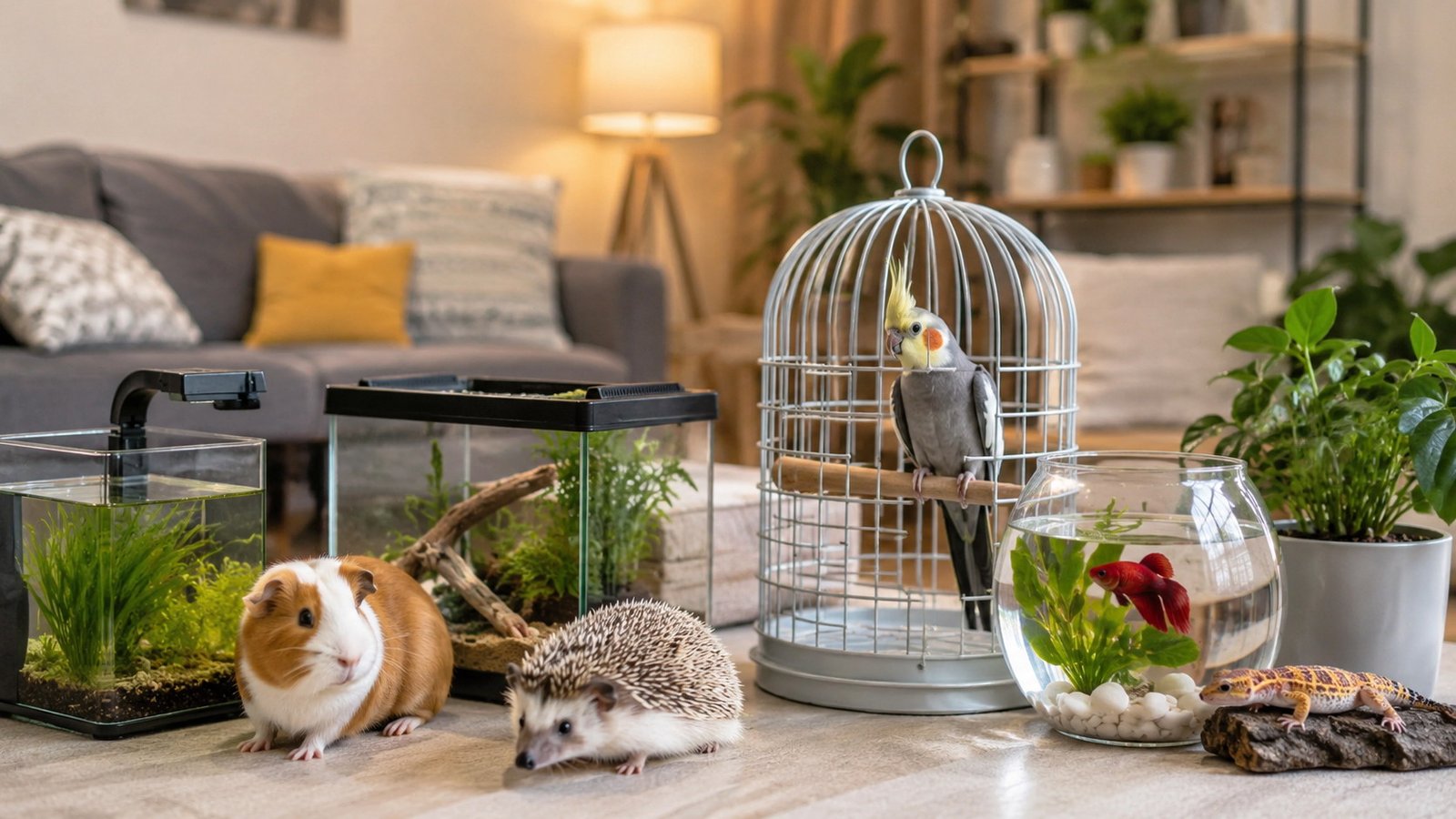
Apartment living no longer means giving up the idea of having a pet. In fact, trending indoor pet ideas for apartments are becoming more creative, practical, and beginner-friendly than ever before. From quiet reptiles to tiny companion mammals and low-maintenance fish tanks, modern pet owners now have plenty of options that work beautifully in smaller homes.
Choosing the right apartment pet takes more than picking the cutest animal online. Noise levels, odor, daily care, space requirements, and even your work schedule all play a role in finding a pet that fits your lifestyle. This guide covers the best indoor pets for apartments, common mistakes new owners make, realistic care expectations, and smart setup ideas that actually work in small spaces.
Whether you live in a studio apartment, share a rental with roommates, or simply want a quieter indoor companion, you’ll find practical advice to help you choose wisely.
In This Article
Why Trending Indoor Pets Are Changing Apartment Living
Pet ownership has shifted dramatically in recent years. Many people now live in apartments, condos, or smaller homes where traditional large pets may not be practical. That shift has pushed smaller, quieter, and lower-maintenance animals into the spotlight.
Modern apartment pet owners also want companions that fit busy schedules. Daily walks, excessive barking, or large outdoor spaces are often unrealistic for city living. Indoor pets solve many of those problems while still providing companionship and entertainment.
What Makes a Pet Apartment-Friendly?
A pet can technically survive indoors but still be a poor match for apartment life. Truly apartment-friendly pets usually share several important traits:
- Quiet or low-noise behavior
- Small habitat footprint
- Minimal odor when properly cleaned
- Lower exercise demands
- Comfort living indoors full-time
- Easier cleanup and maintenance
Small mammals, fish, reptiles, and certain birds often fit these requirements better than larger, highly active animals.
Why Smaller Pets Are Trending Right Now
Social media has helped popularize compact pets that thrive indoors. Nano aquariums, aesthetically designed reptile enclosures, and cute small mammals have become increasingly popular among renters and younger pet owners.
Many apartment dwellers also appreciate that smaller pets:
- Usually cost less to feed
- Need less living space
- Can adapt well to indoor routines
- Often require less daily physical exercise
Still, “small” never means “zero responsibility.” Even tiny pets need proper care, enrichment, and attention.
Trending Indoor Pet Ideas for Apartments in 2026
Some indoor pets have remained consistently popular, while others are rapidly trending because they fit modern apartment lifestyles so well.
Small Pets That Thrive Indoors
Hamsters and Dwarf Hamsters
Hamsters remain one of the easiest starter pets for apartment living. Dwarf hamsters especially need very little space compared to larger pets.
Benefits include:
- Quiet behavior
- Small enclosures
- Affordable care costs
- Minimal odor with regular cleaning
Important tip: Cheap plastic cages sold in many stores are often too small. A larger enclosure with deep bedding helps prevent stress and repetitive behaviors.
Hamsters are nocturnal, so they’re best for owners comfortable with nighttime activity.
Guinea Pigs for Social Households
Guinea pigs are gentle, social, and surprisingly entertaining pets. Their vocal sounds are usually apartment-friendly compared to barking dogs or loud parrots.
Unlike hamsters, guinea pigs should ideally live in pairs because they’re highly social animals.
Pros:
- Friendly personalities
- Easier handling for families
- Predictable routines
- Fun vocal communication
Challenges:
- Larger cage requirements
- Frequent hay cleanup
- Daily fresh vegetables needed
Quiet Reptiles and Amphibians
Reptiles have become one of the biggest trends in indoor apartment pets because they’re typically quiet, clean, and compact.
Leopard Geckos for Beginners
Leopard geckos are widely considered beginner-friendly reptiles. They stay relatively small and usually tolerate handling well once comfortable.
Apartment owners often love them because:
- They rarely smell
- They make almost no noise
- Their tanks fit small spaces
- Care routines are manageable
Proper heating and lighting remain essential. Reptiles are not “decoration pets.” Incorrect temperatures can quickly lead to health problems.
Crested Geckos With Low-Maintenance Appeal
Crested geckos have surged in popularity because they need less intense heating than many reptiles. Their vertical terrariums also save floor space in apartments.
Many owners enjoy:
- Their expressive faces
- Simple diet options
- Compact habitat designs
- Easy nighttime observation
Humidity management matters greatly for crested geckos. Dry indoor apartment air can cause shedding problems if ignored.
Compact Birds for Small Spaces
Birds can work in apartments, but species choice matters tremendously.
Budgies and Cockatiels
Budgies are among the best apartment birds because they’re smaller and generally quieter than larger parrots.
Cockatiels offer more interaction but may vocalize more frequently.
Key considerations:
- Birds need daily mental stimulation
- Cages alone are not enough
- Noise varies by personality
- Dust from feathers may affect allergies
Apartment walls can be thin, so sound sensitivity should always be considered before choosing birds.
Aquarium Pets Making a Comeback
Fishkeeping has evolved far beyond simple goldfish bowls. Stylish nano aquariums are now one of the trendiest apartment pet setups online.
Betta Fish for Tiny Apartments
Betta fish fit exceptionally well in small living spaces when kept properly.
A healthy setup should include:
- Heated filtered tank
- At least 5 gallons of water
- Gentle filtration
- Regular water testing
Small bowls are not humane long-term habitats for bettas.
Nano Shrimp Tanks
Freshwater shrimp tanks are becoming increasingly popular among apartment owners who want low-noise, visually relaxing pets.
Shrimp tanks:
- Take up very little room
- Require no walking or loud activity
- Add calming visual appeal
- Can become beautiful decorative features
Water quality consistency is critical, especially in tiny tanks where conditions change quickly.
The Best Indoor Pet Ideas for Apartments Based on Your Lifestyle
Choosing a trendy pet means nothing if it doesn’t match your actual daily routine. Lifestyle compatibility matters far more than popularity.
For Busy Professionals
People working long hours often benefit from pets that tolerate independence well.
Good options include:
- Leopard geckos
- Betta fish
- Shrimp tanks
- Hamsters
- Crested geckos
These pets generally don’t require constant social interaction throughout the day.
Pets that may struggle with long isolation include:
- Highly social birds
- Guinea pigs without companions
- Extremely active mammals
For Families With Kids
Children usually do better with pets that tolerate gentle handling and predictable interaction.
Strong apartment-friendly choices:
- Guinea pigs
- Budgies
- Some rabbits
- Calm fish setups
Adult supervision remains important, especially with smaller fragile animals.
Never assume tiny pets are automatically safe for young children. Hamsters and reptiles can bite if stressed or mishandled.
For Students and Studio Apartments
Limited budgets and tiny spaces make compact, lower-maintenance pets especially appealing.
Popular student-friendly indoor pets:
- Bettas
- Dwarf hamsters
- Shrimp tanks
- Small geckos
Students should also think carefully about:
- Holiday care during travel
- Landlord restrictions
- Noise concerns with roommates
- Long-term commitment after graduation
For First-Time Pet Owners
Beginner pet owners often underestimate setup requirements. Some “easy” pets actually demand specialized care.
Generally beginner-friendly:
| Pet | Difficulty | Space Needs | Noise Level |
| Betta Fish | Easy-Moderate | Very Small | Silent |
| Leopard Gecko | Moderate | Small | Silent |
| Guinea Pig | Moderate | Medium | Low |
| Hamster | Easy | Small | Low |
| Budgie | Moderate | Medium | Moderate |
Research matters more than trends. A well-cared-for “unpopular” pet will always be a better choice than a trendy animal bought impulsively.
Helpful animal welfare guidance for first-time pet owners can also be found through the American Society for the Prevention of Cruelty to Animals (ASPCA).
Apartment Pet Match-Up: Comparing Popular Indoor Pets Side by Side
Every apartment pet comes with trade-offs. Some are easier to care for but less interactive. Others build stronger bonds but require more cleaning, enrichment, or noise management.
Comparing indoor pets side by side can prevent expensive mistakes and help you choose a companion that actually fits your daily life.
| Pet Type | Space Needed | Noise Level | Daily Care Time | Average Monthly Cost | Beginner Friendly |
| Hamster | Small | Low | 15–20 mins | Low | Yes |
| Guinea Pig | Medium | Low-Moderate | 30–45 mins | Medium | Yes |
| Leopard Gecko | Small | Silent | 15–25 mins | Medium | Yes |
| Crested Gecko | Small | Silent | 15–20 mins | Medium | Moderate |
| Betta Fish | Very Small | Silent | 10–15 mins | Low | Yes |
| Budgie | Medium | Moderate | 45–60 mins | Medium | Moderate |
| Rabbit | Medium-Large | Low | 1–2 hours | Medium-High | Moderate |
Which Indoor Pets Are the Quietest?
Noise becomes a serious issue in apartments with thin walls or close neighbors.
The quietest indoor pets usually include:
- Fish
- Shrimp
- Leopard geckos
- Crested geckos
- Turtles
Birds can be wonderful companions, but even smaller species like budgies chirp regularly throughout the day. Guinea pigs may squeak loudly during feeding times, especially once they recognize routines.
Which Apartment Pets Need the Least Space?
Tiny apartments often require creative pet choices.
Excellent low-space pets include:
- Betta fish
- Dwarf hamsters
- Small geckos
- Nano shrimp tanks
Still, “small pet” should never mean cramped living conditions. Ethical pet care always prioritizes proper habitat sizing.
One of the most common mistakes apartment owners make is underestimating enclosure size requirements.
Long-Term Commitment Matters More Than Trends
Some trending pets live surprisingly long lives.
Approximate lifespans:
- Hamsters: 2–3 years
- Guinea pigs: 5–8 years
- Leopard geckos: 15–20 years
- Budgies: 7–15 years
- Rabbits: 8–12 years
A trendy reptile purchased on impulse can become a decades-long responsibility.
Hidden Challenges of Keeping Indoor Pets in Apartments
Apartment pets may seem easier than larger animals, but small-space living creates unique challenges many first-time owners never expect.
Common Problems New Owners Underestimate
Smells Build Up Faster in Small Spaces
Even clean pets can create odors in compact apartments if maintenance slips.
Common odor sources include:
- Dirty bedding
- Damp hay
- Poor tank filtration
- Uneaten vegetables
- Infrequent litter cleaning
Weekly deep cleaning is essential for most indoor pet habitats.
Air purifiers can help significantly, especially in studio apartments.
Noise Complaints Happen More Often Than You Think
People often assume small pets are silent. Reality can be different.
Examples:
- Guinea pigs squeal loudly for food
- Hamster wheels may squeak at night
- Birds vocalize at sunrise
- Rabbits may thump loudly when startled
Before adopting any pet, think realistically about your building’s noise sensitivity.
Tiny Apartments Can Become Dangerous Quickly
Limited space means hazards are often closer to pets.
Risks include:
- Electrical cords
- Open windows
- Houseplants toxic to pets
- Tight hiding spaces
- Unsafe balcony access
Free-roaming rabbits and guinea pigs especially require careful pet-proofing.
Signs Your Apartment May Not Be Pet-Friendly
Some apartments simply create poor environments for certain animals.
Potential warning signs:
- Extreme indoor temperatures
- Lack of ventilation
- Constant loud noise
- Limited natural lighting
- Strict landlord restrictions
Reptiles and fish are particularly sensitive to temperature instability. Tanks placed near direct sunlight, air conditioners, or heaters can quickly become dangerous.
The Emotional Side of Indoor Pets
Many apartment pets are highly intelligent and need stimulation beyond basic feeding.
Boredom signs may include:
- Repetitive pacing
- Overgrooming
- Hiding excessively
- Aggression
- Reduced appetite
Enrichment matters just as much as cage size.
Trending Indoor Pet Setup Ideas That Save Space
Smart pet setups can make apartment living far easier for both pets and owners. Many modern enclosures are designed specifically for compact homes and minimalist lifestyles.
Vertical Habitats Are Becoming Extremely Popular
Vertical setups maximize unused space while keeping floor areas clear.
Great examples include:
- Tall reptile terrariums
- Multi-level hamster habitats
- Wall-mounted cat shelves
- Stacked aquarium systems
Crested geckos especially benefit from vertical climbing environments.
Multi-Functional Pet Furniture Saves Room
Furniture designed for both humans and pets is becoming a major apartment trend.
Popular options:
- Hidden litter box cabinets
- Storage benches with pet beds
- End tables with integrated habitats
- Foldable playpens
These designs help apartments feel less cluttered while still meeting pets’ needs.
Compact Litter Solutions for Indoor Pets
Odor control becomes much easier with modern litter systems.
Helpful upgrades include:
- Pellet bedding for rabbits and guinea pigs
- Glass aquariums with secure lids
- Enclosed litter stations
- Absorbent paper bedding for small mammals
Avoid heavily scented products. Strong fragrances may irritate sensitive respiratory systems in small pets.
Smart Pet Technology for Apartment Owners
Technology now helps many busy owners maintain stable pet routines.
Useful tools include:
- Automatic fish feeders
- Smart light timers for reptiles
- Water fountains for rabbits and guinea pigs
- Temperature monitoring devices
These tools help maintain consistency, especially for pets that rely heavily on stable environments.
Recommended Apartment Pet Products
Certain products genuinely improve indoor pet care in small homes.
Odor-Control Bedding
Paper-based bedding usually performs better than cedar or pine shavings for odor management and respiratory safety.
Silent Exercise Wheels
Cheap wheels often become noisy quickly. High-quality silent wheels are worth the investment for hamster owners in apartments.
Compact Aquariums
Modern nano tanks fit desks, shelves, and counters while still providing healthy environments when properly maintained.
Storage Solutions for Pet Supplies
Small apartments benefit from organized storage for:
- Food containers
- Cleaning supplies
- Extra bedding
- Medical supplies
- Water conditioners
Keeping supplies tidy also helps prevent pests and odors.
A clean, organized pet setup often makes apartment pet ownership dramatically easier and more enjoyable.
Indoor Pet Care Basics Apartment Owners Should Never Ignore
Indoor pets may live in smaller environments, but their care still requires consistency and attention. Small mistakes inside apartments can affect pets more quickly because indoor habitats are controlled spaces with limited airflow and movement.
Cleaning and Hygiene Routines
Keeping habitats clean is one of the biggest factors in preventing odors, stress, and illness.
A simple maintenance routine usually works best.
Daily Cleaning Tasks
- Remove uneaten fresh food
- Spot-clean waste areas
- Refill water
- Check temperature and humidity
- Observe behavior changes
Weekly Cleaning Tasks
- Replace dirty bedding
- Clean glass surfaces and cages
- Sanitize feeding dishes
- Vacuum loose hay or litter nearby
Monthly Deep Cleaning
- Fully disinfect enclosures
- Inspect equipment for wear
- Replace old filters or substrate
- Rearrange enrichment items
Dirty habitats are one of the leading causes of respiratory problems and stress-related illness in indoor pets.
Temperature, Lighting, and Ventilation Matter More Than Most Owners Realize
Apartment temperatures fluctuate more than people expect. Direct sunlight through windows, air conditioning vents, or poor airflow can create dangerous conditions for indoor animals.
Reptiles especially depend on stable heating gradients to digest food properly. Fish tanks can also overheat rapidly in sunny apartments.
Helpful safety tips:
- Avoid placing habitats beside windows
- Keep enclosures away from heaters and AC vents
- Use thermometers instead of guessing
- Monitor humidity for reptiles and amphibians
Nutrition Tips for Small Indoor Pets
Many apartment pets suffer from improper diets because owners rely too heavily on generic pet store advice.
Common Feeding Mistakes
- Overfeeding treats
- Feeding seed-only bird diets
- Keeping rabbits on pellet-heavy diets
- Using low-quality fish flakes exclusively
Fresh foods and species-appropriate nutrition dramatically improve long-term health.
Examples:
- Guinea pigs require daily vitamin C
- Rabbits need constant hay access
- Leopard geckos need gut-loaded insects
- Bettas benefit from protein-rich foods
Tiny pets can become overweight surprisingly fast indoors because they usually exercise less than outdoor animals.
When to See a Vet Immediately
Small pets often hide illness until symptoms become serious.
Warning signs include:
- Refusing food
- Labored breathing
- Sudden lethargy
- Rapid weight loss
- Swollen abdomen
- Difficulty moving
- Unusual droppings
Exotic pets should ideally have access to veterinarians experienced with their species.
Pet owners looking for trusted animal care and welfare guidance can also review recommendations from the American Veterinary Medical Association (AVMA).
Myths vs Facts About Indoor Pets for Apartments
Social media trends and viral videos often create unrealistic expectations about indoor pets. Many apartment owners discover the truth only after bringing an animal home.
Myth: Small Pets Are Always Easy
Tiny animals are often marketed as beginner pets, but many require surprisingly advanced care.
Reality: Small Pets Can Have Complex Needs
Examples:
- Guinea pigs need large enclosures and companionship
- Rabbits require extensive daily interaction
- Reptiles depend on precise heating and humidity
- Fish tanks need regular water testing
Size does not determine difficulty level.
A neglected small pet may suffer just as much as a neglected dog or cat.
Myth: Fish Are Maintenance-Free
Many people assume aquariums only require feeding.
Reality: Healthy Aquariums Need Routine Maintenance
Fishkeeping involves:
- Water chemistry monitoring
- Filter maintenance
- Regular water changes
- Temperature management
- Disease prevention
Overcrowded or poorly maintained tanks often lead to illness very quickly.
A properly maintained aquarium is far healthier than an overstocked decorative tank.
Myth: Exotic Pets Need Less Attention
Quiet reptiles and amphibians may appear low-maintenance because they don’t demand affection constantly.
Reality: Specialized Care Is Extremely Important
Exotic pets often require:
- Precise lighting
- Species-specific diets
- Specialized supplements
- Humidity control
- Carefully regulated temperatures
Improper setups can silently cause metabolic bone disease, shedding issues, or organ problems over time.
Myth: Apartment Pets Don’t Need Enrichment
Small habitats can easily become boring environments.
Reality: Mental Stimulation Is Essential
Pets benefit greatly from:
- Rotating toys
- Rearranged habitats
- Hiding spots
- Puzzle feeders
- Climbing opportunities
Even fish respond positively to environmental enrichment.
Expert Tips for Keeping Apartment Pets Happy and Mentally Stimulated
Indoor pets spend nearly their entire lives inside controlled environments. Without stimulation, boredom and stress behaviors often develop gradually.
Simple enrichment routines can dramatically improve both physical and mental health.
Rotate Toys and Habitat Layouts Regularly
Animals become curious when environments change safely.
Easy enrichment ideas include:
- Adding tunnels
- Rearranging climbing branches
- Introducing new textures
- Hiding treats occasionally
- Rotating chew toys
Hamsters, rabbits, and birds especially enjoy environmental variation.
Create Safe Free-Roam Time
Many apartment pets benefit from supervised exploration outside their enclosures.
Good Free-Roam Practices
- Block dangerous gaps
- Remove toxic plants
- Cover electrical cords
- Supervise constantly
- Keep other pets separated initially
Rabbits and guinea pigs often become noticeably more confident and social with safe exploration time.
Indoor Exercise Matters More Than People Think
Apartment pets usually have fewer natural movement opportunities.
Helpful activity ideas:
- Exercise wheels for hamsters
- Climbing branches for reptiles
- Foraging toys for birds
- Obstacle setups for rabbits
- Gentle laser or target training for some species
Lack of movement contributes to obesity, boredom, and stress-related behaviors in many indoor pets.
Prevent Stress Before It Starts
Many pets display subtle signs of stress long before owners notice serious problems.
Watch for:
- Excessive hiding
- Loss of appetite
- Aggression
- Repetitive pacing
- Feather plucking
- Overgrooming
Reducing loud noise, maintaining routines, and avoiding overcrowded habitats can help tremendously.
Socialization Should Always Be Gentle
Not every indoor pet enjoys handling equally.
Some animals tolerate interaction better than others:
- Guinea pigs often enjoy calm handling
- Leopard geckos may tolerate short handling sessions
- Hamsters vary greatly by personality
- Fish generally prefer observation over physical interaction
Building trust slowly creates safer and more rewarding relationships.
DIY Enrichment Can Work Surprisingly Well
Apartment pet owners do not always need expensive products.
Simple homemade ideas:
- Cardboard tunnels
- Paper foraging toys
- Rearranged climbing areas
- Safe digging boxes
- Frozen treat puzzles for rabbits
Creative enrichment often matters more than expensive accessories.
A mentally stimulated pet is usually healthier, calmer, and easier to care for long-term.
Common Apartment Pet Mistakes That Can Lead to Health Problems
Many indoor pet problems develop slowly. Owners often assume their pet is “fine” because symptoms are subtle at first. Unfortunately, small animals tend to hide discomfort until conditions become serious.
Avoiding a few common apartment pet mistakes can dramatically improve your pet’s quality of life.
Overcrowded Habitats Cause Chronic Stress
One of the biggest mistakes apartment owners make is choosing enclosures based on available space instead of the animal’s actual needs.
Small habitats may lead to:
- Obesity
- Repetitive behaviors
- Aggression
- Poor muscle development
- Anxiety-related hiding
Hamsters, rabbits, guinea pigs, and birds especially need more room than many starter cages provide.
A pet that cannot move naturally or explore comfortably is likely experiencing ongoing stress.
Incorrect Cage Placement Can Create Serious Problems
Apartment layouts often force owners to place habitats wherever space is available. Unfortunately, poor placement can quickly affect health.
Dangerous locations include:
- Beside sunny windows
- Near kitchen fumes
- Directly under air conditioners
- Close to loud televisions or speakers
- Near radiators or heaters
Reptiles and fish are especially vulnerable to temperature instability.
Ignoring Early Signs of Illness
Indoor pets frequently display mild symptoms before major health problems appear.
Watch carefully for:
- Reduced appetite
- Changes in droppings
- Weight loss
- Unusual sleeping habits
- Cloudy eyes
- Weak movement
- Excessive scratching
Small pets can decline rapidly once symptoms become obvious.
Poor Cleaning Habits Create Hidden Risks
Many owners wait too long between deep cleanings because cages “don’t smell that bad yet.”
Hidden dangers include:
- Ammonia buildup
- Mold growth
- Bacterial contamination
- Respiratory irritation
- Parasite development
Cleanliness matters even more in apartments where airflow is limited.
Buying Trendy Pets Without Research
Social media trends have increased impulse pet purchases dramatically.
Animals that often get bought impulsively include:
- Hedgehogs
- Exotic reptiles
- Mini rabbits
- Axolotls
- Rare fish species
Trendy pets may require:
- Specialized veterinary care
- Advanced heating systems
- Strict humidity control
- Expensive diets
- Large long-term enclosures
Research should always come before excitement.
Frequently Asked Questions About Trending Indoor Pet Ideas for Apartments
What is the easiest indoor pet for a small apartment?
Betta fish, dwarf hamsters, and leopard geckos are often considered some of the easiest apartment-friendly pets because they require relatively little space and daily maintenance.
Which indoor pets are the quietest for apartments?
Fish, shrimp, turtles, leopard geckos, and crested geckos are among the quietest indoor pets. These animals usually work well in apartments with thin walls or noise-sensitive neighbors.
Are exotic pets good for apartment living?
Some exotic pets adapt very well to apartment environments, especially reptiles and amphibians. Proper heating, lighting, humidity, and veterinary care are essential before bringing one home.
What indoor pets are safest for children?
Guinea pigs and some fish setups are generally easier for children to observe and interact with safely. Adult supervision is still important, especially with fragile or easily stressed animals.
Do indoor apartment pets smell bad?
Healthy pets kept in clean environments usually produce minimal odor. Most bad smells come from poor cleaning routines, damp bedding, dirty filters, or overcrowded enclosures.
How much does it cost to keep small apartment pets?
Monthly costs vary by species. Fish and hamsters are often cheaper to maintain, while rabbits, birds, and reptiles may require more expensive food, habitats, lighting, or veterinary care.
Can indoor pets become lonely or bored?
Yes. Many apartment pets need enrichment, stimulation, and social interaction to stay mentally healthy. Rotating toys, habitat upgrades, and supervised activity help prevent boredom.
What indoor pets are best for beginners with busy schedules?
Leopard geckos, betta fish, shrimp tanks, and some hamster species tend to work well for owners with limited free time, provided their habitats are properly maintained.
Choosing the Right Indoor Pet Without Regret
The best apartment pet is not always the trendiest one online. A successful match depends on your schedule, budget, noise tolerance, available space, and willingness to provide proper long-term care.
Some people enjoy interactive pets that demand daily attention. Others prefer quiet companions that fit naturally into busy lifestyles. Neither choice is wrong when the animal’s needs are fully respected.
Before bringing home any indoor pet, ask yourself:
- Can I maintain this habitat consistently?
- Am I prepared for veterinary costs?
- Does this pet match my lifestyle realistically?
- Can I provide enrichment and proper space?
- Am I ready for the full lifespan commitment?
Thoughtful preparation creates happier pets and far fewer regrets.
Small-space living and responsible pet ownership can absolutely work together. With the right setup, realistic expectations, and proper care, apartment pets can become rewarding companions for years to come.
If you’re planning to bring home a new indoor pet, take time to research carefully, invest in a proper habitat from the start, and focus on the animal’s long-term well-being rather than short-term trends. Your future pet will benefit from every bit of preparation you make today.

Passionate about pets and animal care, we shares trusted tips, fun facts, and practical advice to help pet lovers give their furry, feathered, and scaly companions the best life possible. From everyday care guides to fascinating animal insights, we’re dedicated to making pet information easy, helpful, and enjoyable for every reader.