
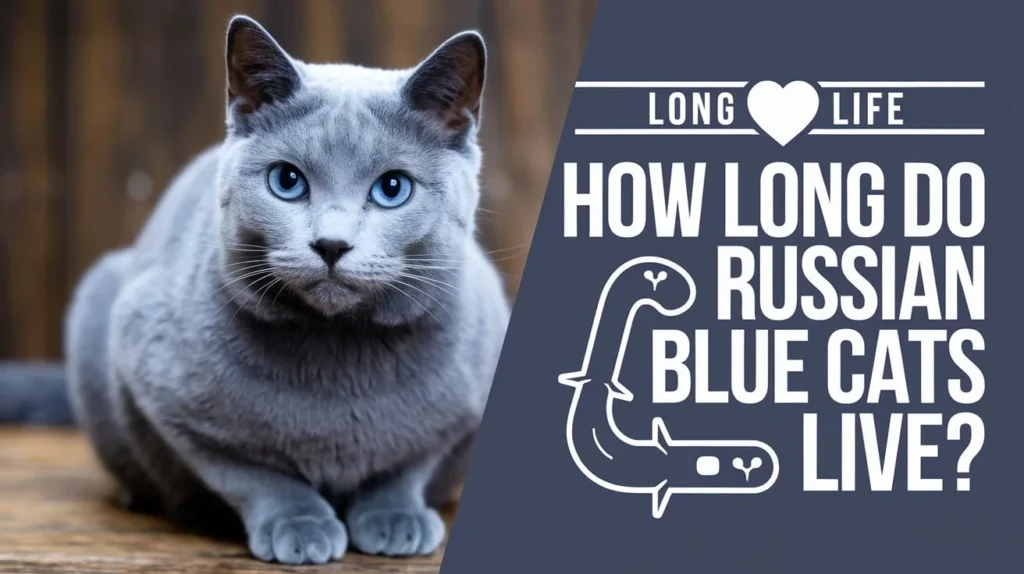
Russian Blue cats are renowned for their striking appearance and charming personalities. As a pet owner or potential adopter, you might wonder, how long do Russian Blue cats live? Understanding their lifespan, health factors, and care requirements can help ensure your feline companion thrives for many happy years.
When adopting a cat, longevity is a key consideration. Russian Blue cats are not just beautiful but are also known for their long and healthy lives. Learning about their lifespan can help you better prepare for the joy and responsibility of owning this breed. On average, Russian Blue cats live 15 to 20 years, but this depends on several factors such as genetics, diet, and overall care.
This guide explores every aspect of their lifespan, from general health tips to the signs of aging and how to ensure your Russian Blue cat leads a fulfilling life.
How Does the Russian Blue Cat’s Genetic Background Affect Its Lifespan?
The genetic makeup of Russian Blue cats significantly impacts their lifespan. As a naturally occurring breed, they are less prone to the genetic health issues often seen in highly bred cats. Their lineage traces back to northern Russia, where they developed resilient and robust traits to survive the cold.
Russian Blues generally have a lower risk of hereditary diseases like heart or kidney issues compared to some other breeds. However, their genetic background is not immune to conditions such as obesity or diabetes, which can shorten their lifespan.
For example, if your Russian Blue inherits a predisposition to obesity, this can lead to complications such as diabetes or joint problems. Regular veterinary checkups can help catch these issues early. Additionally, providing a balanced diet and ensuring your cat gets enough exercise are essential steps to counteract genetic vulnerabilities.
What Role Does Diet and Nutrition Play in Russian Blue Cat Longevity?
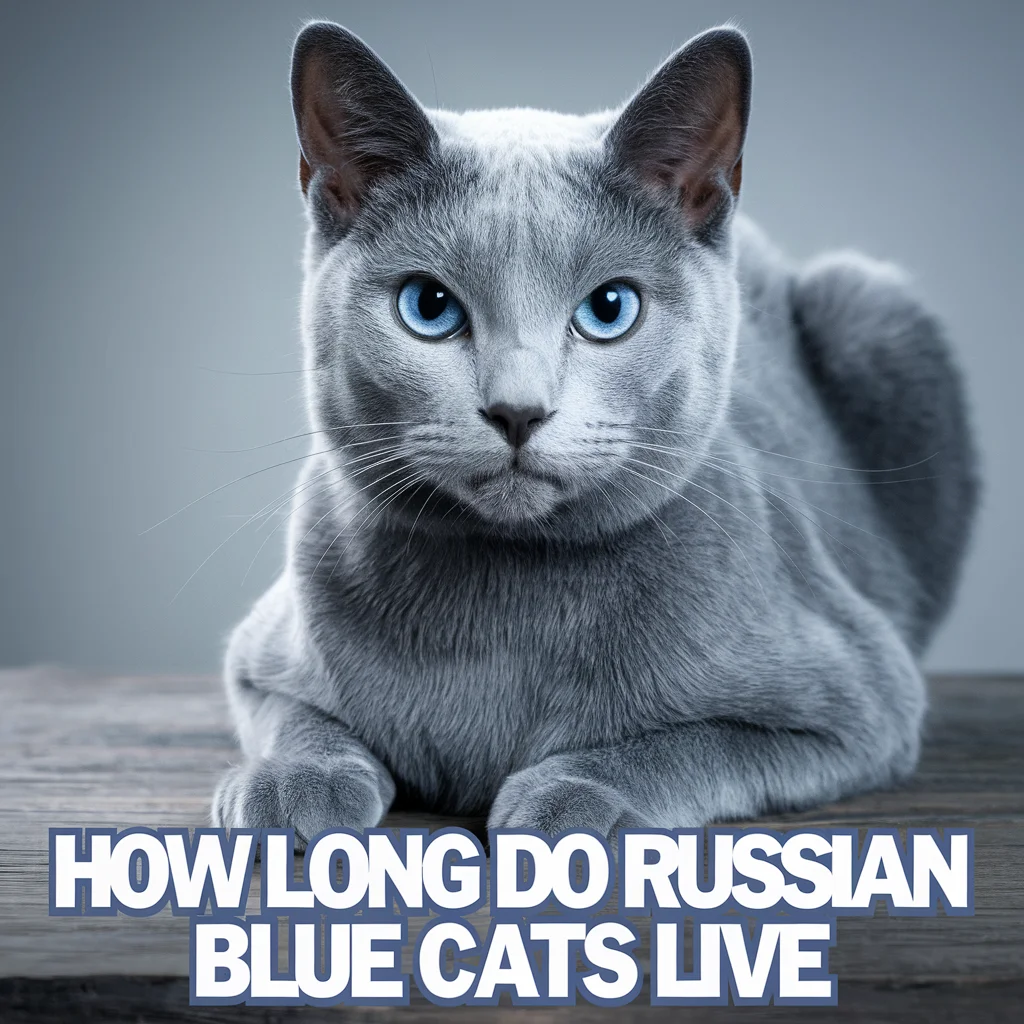
Diet is one of the most important factors influencing how long your Russian Blue cat lives. These cats thrive on a high-protein, low-carbohydrate diet, mimicking what they would eat in the wild. Feeding your cat a diet rich in quality proteins and essential nutrients can add years to their life.
For instance, incorporating wet food into their diet can help maintain hydration, which is particularly important for preventing urinary tract issues. Avoid feeding your Russian Blue too many treats or foods high in carbohydrates, as this can lead to obesity and related health problems.
Conversational Example: If you’re unsure about your cat’s dietary needs, consult your vet. For example:
“My Russian Blue seemed lethargic,” says Anna, a pet owner. “The vet recommended switching to a grain-free, high-protein diet, and it made all the difference!”
Monitoring your cat’s weight and adjusting their diet as they age can ensure they live a long and healthy life.
How Does Regular Exercise Contribute to a Longer Lifespan?
Exercise is not just for humans; it’s vital for your cat’s health too. Russian Blue cats are naturally playful and curious, and keeping them active helps maintain their weight, reduces stress, and improves their overall health.
Regular play sessions with toys like feather wands or laser pointers can stimulate both their mind and body. Aim for at least 15-30 minutes of playtime daily. Mental stimulation is equally important, as Russian Blues are highly intelligent and can get bored easily. Puzzle feeders or interactive toys are excellent ways to keep them engaged.
Conversational Example: “I noticed my Russian Blue, Smokey, was gaining weight,” shares Tom, a cat owner. “Adding two daily play sessions with her favorite toy really turned things around. She’s more energetic and looks healthier!”
Incorporating climbing trees or shelves into your home can also encourage natural behaviors like jumping and exploring, contributing to your cat’s longevity.
What Health Issues Commonly Affect Russian Blue Cats?
While Russian Blue cats are generally healthy, they are not immune to certain health conditions. Understanding these potential issues can help you take preventive measures.
- Obesity: Due to their love of food, Russian Blues can easily become overweight, leading to diabetes or joint problems.
- Urinary Tract Issues: Dehydration or poor diet can lead to urinary tract infections (UTIs) or bladder stones.
- Dental Problems: Regular dental care is essential to prevent periodontal disease, which can affect their overall health.
Proactive care, including regular vet visits, vaccinations, and a balanced diet, can help mitigate these risks. Catching early signs of illness, such as changes in appetite or behavior, is crucial.
Conversational Example: “When Bella stopped eating her favorite food,” says Laura, “I took her to the vet immediately. Turns out she had a minor dental issue, which was quickly resolved.”
How Can Stress Affect a Russian Blue Cat’s Lifespan?
Stress is an often-overlooked factor that can negatively impact your cat’s health. Russian Blues are known for their sensitive and loyal nature, which means they can become anxious in stressful environments.
Creating a calm, predictable routine and providing a safe space for your cat can reduce stress. For example, if you’re introducing a new pet to the household, do so gradually and ensure your Russian Blue has their own space to retreat.
Conversational Example: “When we moved to a new house,” says Emily, “our Russian Blue, Luna, was stressed. Setting up her favorite blanket in a quiet room helped her settle in.”
Avoid loud noises, sudden changes, or overcrowded spaces to ensure your cat remains stress-free and healthy.
Do Indoor or Outdoor Cats Live Longer?
The environment where your Russian Blue lives plays a significant role in their lifespan. Indoor cats generally live longer than outdoor cats, as they are protected from predators, accidents, and diseases.
If you allow your cat outdoors, consider supervised outings or a secure catio. These options allow them to enjoy the outdoors safely. Outdoor cats have an average lifespan of 7-10 years, while indoor cats can live 15-20 years or more.
Conversational Example: “Our Russian Blue loves exploring the backyard,” says Jake. “We built a secure catio so she can enjoy the outdoors safely.”
What Are the Signs of Aging in Russian Blue Cats?
As your cat ages, you may notice certain physical and behavioral changes. Recognizing these signs can help you adjust their care to meet their needs.
- Slower Movement: Older cats may become less active due to joint stiffness.
- Changes in Appetite: A decrease in appetite could indicate dental issues or other health concerns.
- Greying Fur: While Russian Blues maintain their blue-grey coat, subtle changes can occur with age.
Conversational Example: “When Max turned 12, he started slowing down,” says Sarah. “A vet check confirmed mild arthritis, and now he’s on a supplement that helps.”
Providing a comfortable environment with soft bedding and easy access to food and water can make their senior years more enjoyable.
Conclusion: Ensuring a Long and Happy Life for Your Russian Blue Cat
Russian Blue cats are not just companions; they’re family. By understanding their unique needs and potential health risks, you can ensure they lead a long and fulfilling life. Focus on a balanced diet, regular exercise, routine vet care, and a stress-free environment to maximize their lifespan.
Whether your cat lives to be 15 or 20 years old, the time you spend together will be unforgettable. Providing the best care ensures your Russian Blue remains healthy, happy, and by your side for many cherished years.