
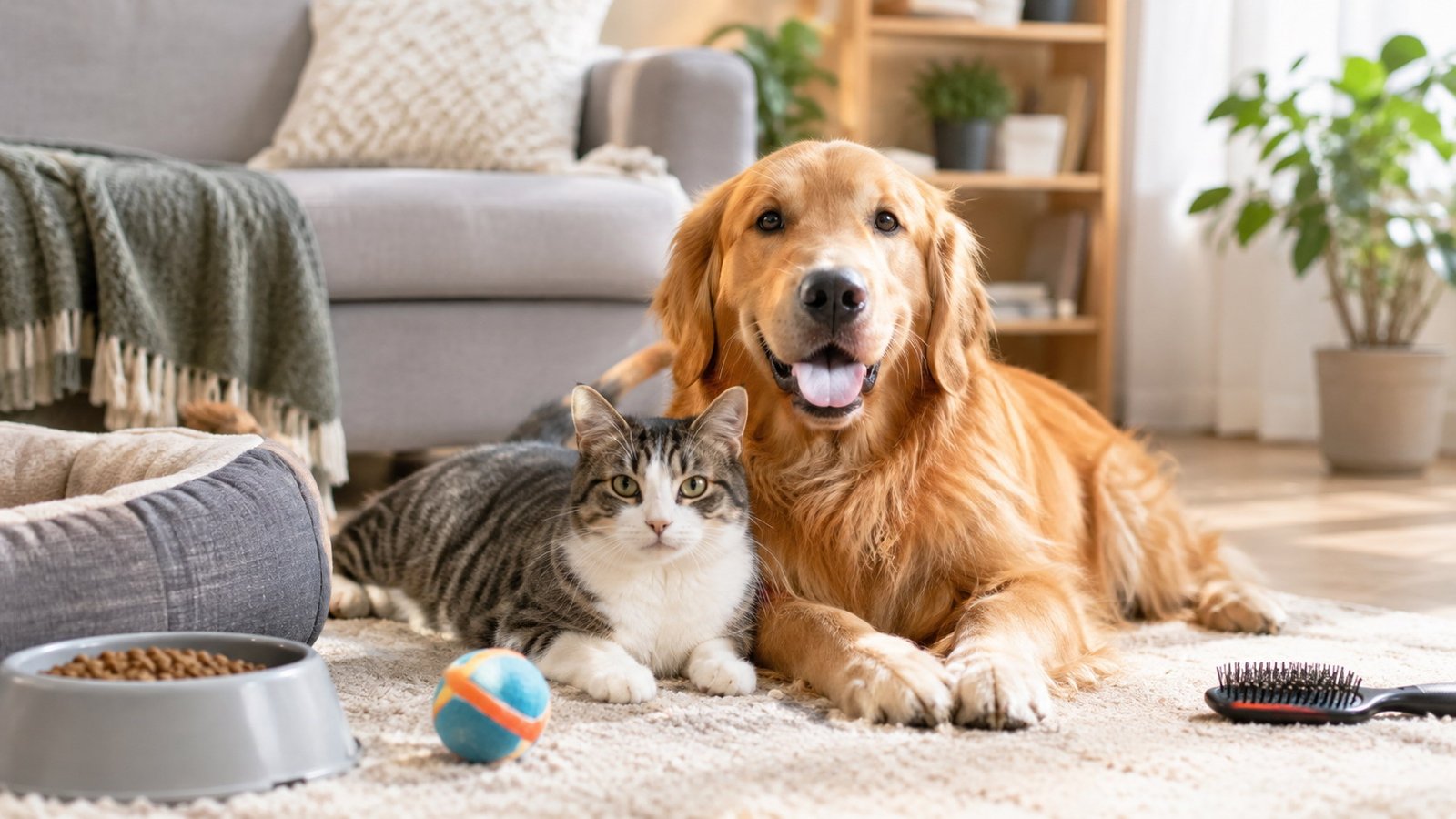
Keeping pets indoors can protect them from traffic, predators, extreme weather, and some infectious diseases. However, following the right indoor pet care tips is essential to make sure your furry companions stay healthy, active, comfortable, and mentally stimulated throughout the day.
Whether you share your home with a playful dog, a curious cat, a rabbit, or a guinea pig, indoor living comes with responsibilities beyond providing food and a cozy place to sleep. Pets need appropriate exercise, regular health care, safe surroundings, social interaction, and an environment that supports their natural behaviors.
The good news is that creating a pet-friendly home does not require expensive equipment or a large living space. A few thoughtful adjustments and consistent daily habits can make a meaningful difference.
This guide covers practical indoor pet care routines, ways to create a safer home, and simple strategies to keep indoor pets happy and healthy. You will also learn about common household hazards, preventive health care, and mistakes every pet owner should avoid.
In This Article
Indoor Pet Care Tips: What Every Pet Owner Should Know
Indoor living offers many benefits, but pets still depend on their owners to meet their physical and emotional needs. A clean house and a full food bowl are important, yet they are only part of responsible pet ownership.
The best indoor pet care tips focus on providing a balanced environment where animals can move freely within safe limits, explore, rest, play, and express their natural behaviors.
Why Indoor Living Can Benefit Pets
Keeping pets indoors or providing a secure indoor living area can reduce their exposure to several outdoor dangers. Free-roaming cats, for example, may encounter vehicles, aggressive animals, parasites, and potentially dangerous substances. Dogs left outdoors without appropriate shelter may face extreme temperatures and other environmental risks.
Indoor environments also allow owners to monitor their pets more closely. You may notice changes in appetite, bathroom habits, energy levels, or behavior sooner when your animal spends most of its time at home.
Some important benefits include:
- Greater protection from environmental hazards: Indoor pets have less direct exposure to traffic, predators, and severe weather.
- More consistent supervision: Owners can monitor eating habits, activity, and general behavior.
- Better control over living conditions: Temperature, bedding, cleanliness, and access to fresh water can be managed more easily.
- Stronger opportunities for bonding: Daily play, training, grooming, and quiet companionship help build trust.
- More predictable routines: Regular feeding and activity schedules can make daily care easier for both pets and their owners.
Indoor living does not eliminate every health risk. Fleas, ticks, intestinal parasites, infectious diseases, and accidental injuries can still affect animals that rarely go outside.
Understand What Your Pet Needs to Thrive Indoors
Different animals have different requirements, so there is no single indoor care routine that works for every species.
A young dog may need frequent play sessions, walks, and training. An indoor cat may benefit from climbing structures, scratching surfaces, and opportunities to stalk and chase toys. Rabbits need room to hop, suitable chewing materials, and a high-fiber diet, while guinea pigs require appropriate companionship, hiding places, and a constant supply of suitable grass hay.
Consider these basic differences when planning your pet’s environment.
| Pet type | Important indoor care needs |
| Dogs | Daily exercise, toilet breaks, training, social interaction, and comfortable rest |
| Cats | Interactive play, scratching posts, vertical space, clean litter boxes, and hiding places |
| Rabbits | Spacious exercise areas, grass hay, safe chewing materials, and suitable litter arrangements |
| Guinea pigs | Appropriate enclosure space, companionship where suitable, grass hay, and vitamin C-rich food |
| Birds | Species-appropriate cages, safe opportunities for movement, enrichment, and social interaction |
These are starting points rather than complete care plans. Age, temperament, breed, health, and individual circumstances also influence what an animal needs.
Build a Pet-Friendly Home Without Making It Complicated
You do not need to turn every room into a pet playground. Start by identifying the areas where your animal eats, sleeps, plays, and relieves itself.
Keep these spaces clean and accessible, and make sure your pet can retreat somewhere quiet when it needs a break. Remove hazards from frequently used areas, and provide toys or activities that encourage appropriate behavior.
The most important principle is to design your home around your pet’s actual needs rather than buying products simply because they are marketed for pets. A sturdy scratching post may be more useful to a cat than several decorative toys, while a dog may benefit more from daily sniffing walks than another plush bed.
Build a Daily Indoor Pet Care Routine That Actually Works
One of the easiest ways to improve your pet’s well-being is to establish a predictable daily routine. Regular care helps animals understand what to expect and gives owners a practical way to notice changes in health or behavior.
A good schedule does not need to be rigid. The goal is to meet your pet’s needs consistently while allowing flexibility for work, school, family responsibilities, and unexpected events.
Create a Simple Morning, Afternoon, and Evening Schedule
Start by dividing your pet’s essential activities throughout the day. Adjust the timing and frequency according to the animal’s species, age, and health.
| Time of day | Recommended activities |
| Morning | Provide fresh water, serve an appropriate meal, clean litter or toilet areas, and offer exercise or enrichment |
| Afternoon | Check water supplies, provide suitable activities, allow bathroom breaks for dogs, and monitor comfort |
| Evening | Offer play or exercise, provide meals according to the feeding schedule, clean living areas, and spend quality time together |
| Before bed | Make sure water is accessible, sleeping areas are comfortable, and the environment is secure |
This schedule is a general example, not a universal feeding or exercise plan. Puppies, kittens, senior animals, and pets with medical conditions may require more frequent attention.
For example, dogs generally need regular opportunities to relieve themselves, while cats often benefit from several short play sessions spread throughout the day. Rabbits and guinea pigs need continuous access to appropriate grass hay rather than being fed according to a dog-like meal schedule.
Make Feeding and Hydration Part of the Routine
Consistent feeding helps you monitor how much your pet eats and makes changes in appetite easier to recognize.
Measure food according to your veterinarian’s recommendations and the product’s feeding guidance. Adjust portions based on body condition, activity level, age, and medical needs rather than relying entirely on package estimates.
Fresh water should always be available unless a veterinarian has given specific instructions otherwise. Wash bowls regularly and refill them with clean water. Some cats prefer wide, shallow bowls or drinking fountains, while other pets are perfectly comfortable with ordinary water dishes.
Keep these habits in mind:
- Feed species-appropriate food suitable for your pet’s life stage.
- Avoid giving frequent treats that significantly increase daily calorie intake.
- Store food securely to preserve freshness and prevent accidental overeating.
- Monitor drinking habits, particularly if your pet suddenly drinks much more or less than usual.
- Keep feeding areas clean and separate from litter boxes or toilet areas.
A sudden change in appetite or thirst should not automatically be blamed on boredom or picky eating. Persistent changes, especially when accompanied by vomiting, diarrhea, weakness, or weight loss, deserve veterinary attention.
Keep Indoor Pets Mentally Engaged While You Are Busy
Pets may spend hours at home while their owners work, study, or complete household tasks. Without enough stimulation, some animals develop unwanted behaviors or become frustrated.
Fortunately, enrichment can be simple and inexpensive. Rotate a few safe toys instead of leaving every toy available all the time. Use food puzzles appropriate for your pet, hide treats in safe locations, or practice short training exercises using rewards from its daily food allowance.
For cats, try a supervised feather wand session or provide a secure climbing area. Dogs may enjoy sniffing games, reward-based training, or a food puzzle that matches their abilities. Rabbits and guinea pigs can benefit from suitable tunnels, hiding spaces, and safe materials for chewing and exploration.
Avoid leaving string, ribbons, small detachable parts, or damaged toys where an animal could swallow them. Unsupervised enrichment must be appropriate for the individual pet and its chewing habits.
Adapt the Routine When Life Gets Busy
A demanding day does not mean you must abandon your pet’s routine. Prepare food portions ahead of time, keep grooming supplies together, and schedule short play sessions around your normal activities.
If you are away for extended periods, arrange appropriate supervision and care. Automatic feeders and water fountains can be useful tools, but they do not replace checking on an animal, cleaning its living area, or responding to illness.
Dogs, young animals, and pets with special needs may be unable to manage long periods alone comfortably. Arrange a suitable pet sitter, dog walker, or trusted caregiver when necessary.
A simple checklist can help you stay consistent:
- Fresh water and appropriate food provided
- Bathroom or litter areas cleaned
- Exercise and enrichment offered
- Living and sleeping areas checked
- Appetite, energy, and behavior monitored
With a manageable routine, indoor pet care becomes less stressful and more rewarding for everyone in the household.
Create a Safe and Comfortable Indoor Environment for Pets
A pet-friendly home should do more than look attractive. It must provide a secure environment where animals can rest, move around, explore, and access their essential resources without unnecessary risks.
Even ordinary household objects can become dangerous when pets chew, climb, swallow, or knock them over. Taking time to inspect your home can prevent many avoidable accidents.
Give Your Pet a Comfortable Place to Rest
Every pet needs somewhere to relax without being constantly disturbed. Choose a quiet, appropriately sized resting area away from heavy foot traffic, loud appliances, and direct exposure to uncomfortable heat or cold.
Dogs often appreciate a comfortable bed in a quiet corner. Cats may prefer elevated resting places, covered beds, or secluded hiding spots. Rabbits and guinea pigs need secure hiding areas inside their living spaces so they can retreat when frightened.
Keep bedding clean and dry, and choose materials that are safe for your animal. Pets that chew fabric or bedding may need different arrangements to avoid swallowing pieces of material.
If you have several pets, provide enough resting spaces to reduce competition. Cats, in particular, may feel stressed if they cannot escape from other animals or access their preferred resources.
A safe retreat should be a place where your pet can relax undisturbed, not a space used as punishment.
Make Windows, Balconies, and Indoor Play Areas Safer
Pets are naturally curious. An open window, unsecured balcony, or unstable piece of furniture can create a serious accident risk.
Before allowing your pet access to a room, check for loose screens, gaps, exposed cords, and objects that could fall. Ordinary insect screens may not be strong enough to prevent a determined cat from pushing through, so use secure barriers designed for the situation.
Other practical precautions include:
- Keep balconies inaccessible unless they have appropriate, secure pet-proof barriers.
- Secure tall furniture that could tip if a cat climbs it or a dog bumps into it.
- Cover or organize electrical cords to discourage chewing.
- Keep small toys, rubber bands, needles, and other swallowable objects out of reach.
- Use sturdy gates where necessary to restrict access to stairs or unsafe rooms.
- Check that pet enclosures and carriers have secure latches and suitable ventilation.
Supervise new pets as they explore the home. A room that appears safe to an adult may contain hazards for a small puppy, kitten, rabbit, or guinea pig.
Maintain Comfortable Temperature and Good Air Quality
Indoor pets can be sensitive to heat, humidity, cold, and poor ventilation. Make sure your home remains comfortable for the species you keep, particularly during hot weather or when temperatures fluctuate.
Never assume that a room is safe simply because it feels comfortable to you. Some small mammals and brachycephalic dogs, including many flat-faced breeds, may be especially vulnerable to overheating.
Provide suitable ventilation, access to shade, and fresh water. Never leave a pet unattended in a parked vehicle, where temperatures can rise dangerously quickly.
Be cautious with air fresheners, essential oils, incense, smoke, and cleaning sprays. Their effects vary by product and species, and some substances can irritate the respiratory system or cause poisoning. Birds are particularly sensitive to airborne pollutants, so their environment requires special care.
Keep Pet Supplies Clean and Organized
Clean surroundings support good hygiene and make it easier to spot potential problems.
Wash food and water bowls regularly, clean litter boxes frequently, and replace soiled bedding as needed. Follow appropriate cleaning instructions for cages, carriers, toys, and other pet equipment.
Use cleaning products according to their labels, keep animals away from wet surfaces and fumes, and never mix household chemicals. Store all products securely after use.
If you are unsure whether a plant, cleaning product, or household material is safe for your pet, check with a veterinarian or a reputable animal poison-control resource before bringing it into the animal’s environment.
For additional guidance on household hazards and animal safety, visit the ASPCA Animal Poison Control resource.
A few thoughtful changes can turn an ordinary living space into a much safer home. Inspect your pet’s favorite areas regularly, remove hazards as they appear, and adjust the environment as your animal grows older or its needs change.
Keep Indoor Pets Active: Exercise Ideas for Small Spaces
Living indoors does not mean your pet has to lead a sedentary life. Regular movement, play, and exploration are essential parts of good indoor pet care, helping animals maintain a healthy weight, build strength, and express their natural behaviors.
The best activities depend on your pet’s species, age, temperament, and physical condition. A high-energy dog may need structured walks and training, while an indoor cat may thrive with short bursts of interactive play throughout the day. Rabbits and guinea pigs also need opportunities to move around, explore, and exercise safely outside a restrictive enclosure.
Even if you live in a small apartment, you can create an engaging environment without filling every room with pet equipment.
How Much Exercise Does an Indoor Pet Need?
There is no single exercise target that works for every pet. A young, energetic dog generally needs more physical activity than a senior dog with mobility problems. Cats often prefer several short hunting-style play sessions, while small mammals need suitable space for natural movement.
Use the following table as a starting point when planning your pet’s daily activities.
| Pet | Suitable indoor activities | Important considerations |
| Dogs | Fetch, reward-based training, tug games, and scent activities | Many dogs also need regular outdoor walks and toilet breaks |
| Cats | Feather-wand play, chasing toys, climbing, and food puzzles | Allow opportunities to stalk, chase, and catch toys safely |
| Rabbits | Supervised exploration, hopping, tunnels, and safe obstacle activities | Provide spacious housing and daily access to a larger exercise area |
| Guinea pigs | Exploring tunnels, moving between hiding places, and foraging | Provide a secure enclosure with enough room for comfortable movement |
| Birds | Species-appropriate movement, climbing, and supervised out-of-cage activity | Make sure the room is bird-safe and suitable for the species |
These activities should be adapted to the individual animal. Pets recovering from illness or injury may need a veterinarian-approved exercise plan instead of ordinary play.
Make Small Spaces More Interesting
A small home can still provide plenty of opportunities for exercise. The key is to use the available space creatively and make activities interesting enough to encourage participation.
For dogs, try hiding a few pieces of their regular food around a safe room and encouraging them to find each one. You can also practice simple commands such as sit, stay, and come, rewarding successful responses with praise or small treats.
Cats often enjoy vertical space as much as floor space. A stable cat tree, secure shelves designed for climbing, and a sturdy scratching post can encourage movement while giving your cat places to observe its surroundings.
Rabbits and guinea pigs may enjoy tunnels, safe hiding places, and supervised exploration in a secure playpen. Remove exposed cables, toxic plants, and objects that could be swallowed before allowing them to explore.
Rotate toys and activities rather than offering everything at once. Introducing a familiar toy after a short break can renew your pet’s interest without requiring constant purchases.
Use Interactive Play to Prevent Boredom
Interactive play provides more than physical exercise. It also offers mental stimulation and strengthens the bond between you and your pet.
Try these simple activities:
- For dogs: Play short games of fetch in a clear area, practice basic obedience, or use a suitable puzzle feeder.
- For cats: Move a wand toy like prey, allowing your cat to stalk, chase, and catch it. Finish the session with a small portion of food when appropriate.
- For rabbits: Encourage exploration with tunnels, cardboard hideaways, and safe objects to investigate or chew.
- For guinea pigs: Offer suitable hay-based foraging opportunities and arrange hiding places that encourage movement between different areas.
Always supervise activities that involve unfamiliar toys or materials. Avoid encouraging pets to chase laser pointers without providing a tangible toy to catch, as some animals may become frustrated when they cannot complete the hunting sequence.
Never force a frightened, tired, or reluctant pet to participate. Watch for heavy panting, unusual weakness, limping, or other signs of distress, and stop the activity if they occur.
What If Your Pet Still Seems Restless?
Excessive barking, nighttime activity, destructive chewing, and repeated scratching may sometimes indicate insufficient exercise or stimulation. However, these behaviors can also result from anxiety, discomfort, changes in routine, or an underlying medical problem.
Start by reviewing your pet’s daily schedule. Is it receiving enough appropriate activity? Does it have a comfortable place to rest? Is it left alone for longer than it can manage comfortably?
Increase enrichment gradually and observe the response. If a behavior appears suddenly, persists despite reasonable adjustments, or comes with changes in appetite, mobility, or bathroom habits, consult your veterinarian.
A well-designed exercise routine should leave your pet engaged and satisfied, not exhausted. Consistent, appropriate activity is one of the most effective ways to support healthy indoor living.
Indoor Pet Nutrition: Feeding the Right Food and Portions
Good nutrition is a foundation of responsible indoor pet care. Even when animals spend most of their time inside, they still need the right nutrients to maintain healthy muscles, bones, skin, digestion, and immune function.
Indoor pets may be less active than animals that spend considerable time outdoors, which can make portion control especially important. However, reducing food without considering the animal’s nutritional requirements can be just as problematic as overfeeding.
The goal is to provide a balanced diet that matches your pet’s species, age, activity level, body condition, and health needs.
Choose Food That Matches Your Pet’s Species and Life Stage
Different animals have different nutritional requirements. Food designed for one species should not be treated as a substitute for another species’ diet.
Cats, for example, are obligate carnivores and require nutrients found naturally in animal tissues, including taurine. Dogs can generally eat a wider variety of appropriately formulated foods, but they still need a complete and balanced diet.
Rabbits and guinea pigs have different digestive needs from cats and dogs. Their diets must include appropriate amounts of grass hay, with additional foods selected according to species-specific requirements. Guinea pigs also require a reliable dietary source of vitamin C.
Consider these basic principles:
- Cats: Choose complete and balanced cat food suitable for the animal’s age and health. Provide fresh water and monitor body condition.
- Dogs: Select a complete and balanced diet formulated for the appropriate life stage, size, and individual needs.
- Rabbits: Provide unlimited suitable grass hay, fresh water, appropriate leafy greens, and measured portions of suitable rabbit pellets.
- Guinea pigs: Provide unlimited suitable grass hay, fresh water, appropriate vegetables, and a suitable source of vitamin C.
Young animals, pregnant or nursing pets, senior animals, and pets with medical conditions may need specialized diets. Ask your veterinarian before making significant dietary changes, especially if your pet has a history of digestive problems or other health concerns.
Prevent Overfeeding and Indoor Pet Weight Gain
One common indoor pet care mistake is giving too much food or too many treats. It is easy to offer extra snacks when a cat begs near the kitchen or a dog looks at you hopefully during dinner.
Unfortunately, frequent treats and oversized meals can gradually contribute to excess weight. Carrying extra body fat may increase the risk of joint problems and other health complications.
To manage portions more effectively:
- Measure meals. Use a measuring cup or kitchen scale rather than estimating portions by eye.
- Follow appropriate feeding guidance. Use package recommendations as a starting point, then adjust according to your veterinarian’s advice and your pet’s body condition.
- Count treats as part of the daily intake. Treats should not replace nutritionally complete meals.
- Avoid frequent table scraps. Human foods can add unnecessary calories, and some are toxic to animals.
- Monitor body condition. Check your pet’s shape and weight regularly, and discuss unexplained changes with your veterinarian.
A healthy weight does not look identical in every breed or species. Your veterinarian can help determine a suitable weight range and body condition for your individual pet.
Do not put an overweight cat or another pet on a crash diet. Rapid weight loss can be dangerous, particularly for cats. Weight-management plans should be gradual and nutritionally appropriate.
Make Fresh Water Easy to Access
Hydration is just as important as food. Keep clean drinking water available throughout the day, and check bowls regularly to ensure they have not been emptied, tipped over, or contaminated.
Some cats prefer drinking from wide, shallow bowls or fountains. Dogs may need larger bowls or additional water stations, especially in multi-level homes. Rabbits and guinea pigs also need reliable access to fresh water, with containers or bottles checked frequently to make sure they function properly.
Simple hydration habits include:
- Wash bowls regularly to prevent residue and buildup.
- Place water in accessible locations away from litter boxes and dirty areas.
- Check water supplies more frequently during hot weather.
- Clean fountains and replace filters according to the manufacturer’s instructions.
- Monitor changes in drinking and urination habits.
If your pet suddenly drinks significantly more or less than usual, do not assume it is simply due to temperature or activity. Persistent changes may indicate a health problem and should be discussed with a veterinarian.
Avoid Foods That Can Harm Your Pet
Sharing food with pets may feel like an easy way to show affection, but some common ingredients are dangerous.
Chocolate, grapes, raisins, onions, garlic, and products containing xylitol can be harmful to dogs, with risks varying by substance and amount. Cats also face serious risks from certain human foods, medications, and plants. Alcohol and excessive caffeine are unsafe for pets as well.
Keep these precautions in mind:
- Store human food in closed cupboards or secure containers.
- Never leave chocolate, sweets, or discarded food within easy reach.
- Check ingredient labels before offering packaged treats.
- Avoid giving cooked bones that may splinter or cause injury.
- Introduce dietary changes gradually when appropriate.
- Ask a veterinarian before using supplements or homemade diets as a substitute for complete pet food.
If you suspect your pet has eaten something toxic, contact a veterinarian or animal poison-control service immediately. Do not wait for symptoms or attempt to induce vomiting unless a veterinary professional specifically instructs you to do so.
Keep Mealtimes Enriching and Stress-Free
Food can also provide mental stimulation. Puzzle feeders, slow feeders, and supervised foraging activities may encourage pets to work for part of their regular food allowance.
Choose equipment appropriate for the species and chewing habits of your pet. Inspect it regularly for damage, and remove any item that could break into swallowable pieces.
In multi-pet households, provide separate feeding spaces when necessary. This can reduce food stealing, competition, and stress, particularly when animals have different dietary needs.
A predictable feeding routine, appropriate portions, and safe access to water can help keep indoor pets healthier over time. For more specialized guidance, consider creating a supporting article about healthy pet treats and species-specific nutrition.
Grooming and Hygiene Tips for Healthier Indoor Pets
Indoor pets may encounter less dirt and debris than animals that spend much of their time outside, but that does not mean grooming and hygiene can be ignored. Hair, dander, saliva, litter, food residue, and everyday messes can accumulate even in a clean home.
Regular grooming helps maintain coat condition, supports comfortable movement, and gives you an opportunity to notice skin changes, lumps, parasites, or other potential health concerns. Clean living areas also reduce unpleasant odors and help pets remain comfortable.
The right routine depends on your pet’s coat, species, age, and individual needs.
Brush Your Pet According to Its Coat Type
Brushing removes loose hair, helps prevent tangles, and allows you to inspect the skin. Long-haired cats and dogs often need more frequent grooming than short-haired animals, although shedding patterns and coat condition vary.
For cats, gentle brushing can reduce loose hair and help prevent mats. Dogs may need different brushes depending on whether their coats are smooth, curly, wiry, or double-layered.
Rabbits also benefit from appropriate grooming, particularly during shedding periods. Because rabbits can ingest loose fur while grooming themselves, regular brushing can help reduce the amount of hair they swallow.
Guinea pigs may need coat-specific grooming, especially long-haired varieties. Handle small animals carefully and support their bodies properly during grooming sessions.
A few practical tips can make brushing easier:
- Begin with short, gentle sessions so your pet becomes comfortable with the process.
- Use a brush or comb designed for the animal’s coat.
- Check behind the ears, under the legs, around the collar area, and near the tail for tangles.
- Never pull forcefully at tight mats or use scissors close to the skin.
- Reward calm behavior with praise or suitable treats.
Severe matting, painful skin, bald patches, or persistent itching may require professional grooming or veterinary assessment. Avoid shaving a pet’s coat unless there is a clear reason and you understand the potential effects on skin protection and temperature regulation.
Keep Nails, Teeth, and Ears in Good Condition
Grooming involves more than brushing fur. Nail care, dental hygiene, and appropriate ear checks are important parts of a pet’s regular care routine.
Overgrown nails can cause discomfort and interfere with normal movement. If you hear your dog’s nails clicking persistently on hard floors, they may need attention, although nail length varies by animal and activity. Cats, rabbits, and guinea pigs also need appropriate nail care.
If you are unsure how to trim nails safely, ask a veterinarian or qualified groomer to demonstrate the technique. Cutting too far can damage the sensitive tissue inside the nail and cause bleeding.
Dental care matters, too. Plaque buildup, inflamed gums, and dental pain may go unnoticed because pets often continue eating despite discomfort. Use species-appropriate dental products and seek veterinary advice about preventive dental care.
For ears, inspect gently for redness, discharge, unusual odor, or excessive scratching. Do not insert cotton swabs deep into the ear canal or use ear treatments without appropriate guidance. Pain, swelling, or persistent head shaking warrants veterinary assessment.
Keep Litter Boxes, Bedding, and Pet Habitats Clean
Cleanliness supports both animal welfare and household comfort. Cats may avoid a dirty litter box, while damp bedding or poorly maintained small-animal enclosures can contribute to discomfort and hygiene problems.
Develop a cleaning schedule based on the number of pets, the type of enclosure, and how quickly the area becomes soiled.
| Item | Practical hygiene routine |
| Cat litter box | Scoop waste at least daily and clean the box regularly |
| Food and water bowls | Wash frequently and whenever visibly dirty |
| Pet bedding | Wash when soiled and on a regular schedule |
| Dog toys | Clean according to material and manufacturer instructions |
| Rabbit and guinea pig habitats | Remove soiled areas daily and perform regular thorough cleaning |
| Grooming tools | Remove trapped hair and clean as needed |
Avoid strong fragrances as a substitute for proper cleaning. Many pets have sensitive senses of smell, and some cleaning products can irritate their skin or respiratory systems.
When cleaning an enclosure, use products appropriate for the animal and follow the label instructions. Rinse surfaces when required and allow them to dry before returning the pet to the area.
Manage Shedding, Odors, and Everyday Messes
Shedding and pet odors are normal parts of living with animals, but good maintenance can make them easier to manage.
Vacuum floors and upholstered furniture regularly, wash washable covers, and keep grooming supplies close at hand. Place washable mats beneath food and water bowls to catch spills, and clean accidents promptly using a suitable product.
Avoid masking persistent odors with heavy perfumes or sprays. An unusual smell coming from your pet’s mouth, ears, skin, or urine may indicate a health issue rather than a simple cleaning problem.
Watch for changes such as:
- Persistent scratching or licking.
- Red, flaky, or irritated skin.
- Sudden increases in shedding or visible bald patches.
- Strong or unusual odors that return after cleaning.
- Discharge from the ears or eyes.
- Changes in urination or litter-box behavior.
These signs do not always indicate a serious problem, but persistent or sudden changes deserve attention. Seek veterinary care if your pet seems uncomfortable, develops wounds, or shows other signs of illness.
Make Grooming a Positive Experience
Some pets enjoy being brushed, while others become nervous when their paws, ears, or mouths are handled. Forcing a lengthy grooming session can make future care more difficult.
Instead, introduce each activity gradually. Start by allowing your pet to inspect the brush, then try a few gentle strokes and stop before it becomes distressed. For nail care, begin with brief paw handling and build up slowly.
Keep sessions calm, reward cooperation, and choose a time when your pet is relaxed. If grooming consistently causes fear or aggression, seek guidance from a veterinarian or qualified, reward-based animal professional.
Consistent, gentle grooming is more useful than an occasional long session that leaves your pet frightened or uncomfortable. By combining coat care, dental hygiene, nail maintenance, and a clean living environment, you can make indoor pet care easier while helping your companion feel its best.
Hidden Household Hazards: What Indoor Pet Owners Must Remove
Your home may feel like the safest place for your pet, but everyday household items can pose serious risks to curious animals. Cleaning products, medications, toxic plants, electrical cords, and small objects are common hazards that can cause injuries or poisoning if pets reach them.
One of the most important indoor pet care tips is to inspect your home from your pet’s perspective. Cats can jump onto shelves, dogs may investigate items on low tables, and rabbits or guinea pigs can chew objects that other animals might ignore.
Preventing accidents is usually easier than dealing with an emergency, so a few simple precautions can make your home significantly safer.
Keep Toxic Foods, Medications, and Cleaning Products Out of Reach
Pets often investigate interesting smells, particularly when food or household products are left unattended. Even a small amount of certain substances can cause serious harm, depending on the animal, the substance, and the amount consumed.
Common household hazards include:
- Chocolate, grapes, and raisins: These can cause serious health problems in dogs. Chocolate also contains substances that are toxic to cats.
- Onions and garlic: These can damage red blood cells in cats and dogs.
- Products containing xylitol: This sweetener, found in some sugar-free products, can cause dangerous reactions in dogs.
- Human medications: Pain relievers, antidepressants, and other medicines may be toxic to pets, even in small amounts.
- Cleaning products: Concentrated cleaners, disinfectants, detergents, and certain chemicals can cause irritation, burns, or poisoning.
- Pesticides and rodenticides: These products can be highly dangerous if swallowed or transferred to a pet’s paws or fur.
Store medications, cleaning supplies, and pest-control products in closed cabinets that pets cannot open. Keep food containers sealed, clean up spills promptly, and never assume that a product is safe simply because it is commonly used in the home.
If you suspect poisoning, contact a veterinarian or animal poison-control service immediately. Do not wait for symptoms to appear or induce vomiting unless a veterinary professional specifically instructs you to do so.
Check Your Houseplants Before Bringing Them Indoors
Houseplants can make a room feel more inviting, but some varieties are dangerous to pets. Cats, in particular, may chew leaves out of curiosity, while rabbits and guinea pigs may nibble plants if given access.
Lilies are especially dangerous to cats. Exposure to certain true lilies and daylilies, including pollen or water from a vase, can cause severe kidney injury. Other plants, such as sago palms, can also pose serious poisoning risks to pets.
Before purchasing or displaying a plant:
- Identify the plant’s exact species.
- Check whether it is toxic to your particular pet.
- Avoid bringing dangerous plants into areas where animals live.
- Remember that placing a plant on a high shelf may not be enough to prevent access.
- Choose verified pet-safe alternatives when possible.
Even plants considered non-toxic can cause stomach upset if eaten in large quantities. Do not rely solely on a plant’s common name, as similar-looking varieties may have different toxicity risks.
If your pet chews an unfamiliar plant, take a photograph or retain a sample for identification if it is safe to do so. Contact a veterinarian promptly if the plant may be toxic, especially if your pet develops vomiting, drooling, weakness, or other unusual symptoms.
Prevent Electrical Injuries, Falls, and Accidental Swallowing
Small household objects can become major hazards when pets play with them or chew on them. Electrical cords, rubber bands, sewing needles, hair ties, ribbons, batteries, and pieces of damaged toys are examples of items that should be kept away from curious animals.
Cats may climb onto furniture or squeeze through small openings, while dogs may swallow objects during play. Rabbits and guinea pigs naturally chew, making it particularly important to remove unsafe materials from their surroundings.
Use these precautions to reduce the risk of accidents:
- Secure electrical cords with suitable covers or barriers.
- Keep small objects in closed drawers or containers.
- Choose toys that are appropriate for your pet’s size and chewing strength.
- Remove damaged toys before pieces can be swallowed.
- Secure unstable shelves and furniture that could tip over.
- Install appropriate barriers around stairs, balconies, and other dangerous areas.
- Use secure window screens designed to withstand your pet’s movements.
Never assume an ordinary insect screen will prevent a cat from falling through an open window. Use secure window protection and keep pets away from unsafe openings.
If your pet swallows a foreign object, contact a veterinarian for advice rather than waiting to see whether it passes naturally. Objects such as string, needles, batteries, and sharp fragments may cause severe internal injuries. Never pull on string protruding from a pet’s mouth or anus, because it may be lodged internally.
Use Household Fragrances and Essential Oils Carefully
Air fresheners, diffusers, scented candles, and essential oils may seem harmless, but their risks vary according to the ingredients, concentration, exposure route, and animal species.
Cats can be particularly sensitive to certain essential oils, while birds are highly vulnerable to many airborne pollutants. Products that are safe when used as directed around people may not be appropriate for every pet.
To reduce potential exposure:
- Keep pets away from concentrated oils and fragrance products.
- Avoid applying essential oils directly to an animal unless a veterinarian has specifically recommended an appropriate product.
- Provide good ventilation when using household cleaning products.
- Keep birds away from smoke, aerosol sprays, and other airborne irritants.
- Never use essential oils as an unverified flea treatment for cats or other pets.
If a product causes coughing, breathing difficulty, drooling, vomiting, tremors, or unusual behavior, move the animal away from the exposure if you can do so safely and seek veterinary assistance.
Create a Simple Indoor Pet Safety Checklist
A quick inspection can help you identify hazards before your pet encounters them.
- Medications and cleaning products are stored securely.
- Toxic plants and unsafe foods are inaccessible.
- Electrical cords and small objects are out of reach.
- Windows and balconies have appropriate safety barriers.
- Toys and pet equipment are intact.
- Trash cans and food storage containers are secured.
- Emergency veterinary contact information is readily available.
Repeat this check whenever you rearrange furniture, introduce a new pet, purchase a houseplant, or bring unfamiliar products into your home.
Can Indoor Pets Get Bored, Lonely, or Stressed?
Yes. Indoor pets can experience boredom, loneliness, and stress even when they have comfortable beds, nutritious food, and a clean place to live.
Animals need more than physical shelter. They also benefit from opportunities to explore, play, socialize appropriately, rest undisturbed, and express natural behaviors. When these needs are not met, some pets develop behavioral changes that owners may mistake for stubbornness or bad habits.
The solution is not simply to buy more toys. Understanding your pet’s behavior and creating an environment that supports its individual needs are far more effective.
Recognize the Signs of Boredom and Stress
Pets communicate discomfort in different ways. Some become restless and destructive, while others withdraw or spend more time hiding.
Common signs to watch for include:
- Excessive barking, whining, or vocalization.
- Repeated scratching, chewing, or destructive behavior.
- Restlessness or difficulty settling down.
- Hiding more frequently or avoiding interaction.
- Changes in appetite or normal sleeping patterns.
- Repetitive behaviors, such as persistent pacing.
- Urinating or defecating outside usual toilet areas.
- Increased aggression, fearfulness, or sensitivity to handling.
These signs do not automatically mean a pet is bored. Pain, illness, environmental changes, fear, and anxiety can produce similar behaviors.
For example, a cat that suddenly stops using its litter box may have a medical problem rather than simply disliking the litter. A dog that begins destroying furniture when left alone may be experiencing separation-related distress.
Sudden behavioral changes should be taken seriously, especially when accompanied by physical symptoms. Consult a veterinarian if the behavior persists, worsens, or appears alongside appetite changes, weight loss, vomiting, altered urination, or signs of pain.
Provide Enrichment That Matches Your Pet’s Natural Instincts
Environmental enrichment means giving animals opportunities to engage in activities that are mentally and physically rewarding. The best activities vary by species.
For indoor cats
Cats benefit from opportunities to stalk, chase, climb, scratch, and observe their surroundings. Offer interactive toys, stable climbing structures, scratching posts, and comfortable hiding places.
Place a secure resting perch near a window if your cat enjoys watching outdoor activity. Rotate toys periodically to keep familiar objects interesting, and provide several short interactive play sessions throughout the day.
For indoor dogs
Dogs often enjoy sniffing, exploring, learning, and interacting with people. Hide pieces of their regular food for supervised scent games, introduce reward-based training, or offer suitable puzzle feeders.
Daily walks remain important for many dogs, even when they have access to indoor play. Walks provide opportunities to explore smells and environments that cannot be fully recreated inside the home.
For rabbits and guinea pigs
Provide sufficient space, suitable hiding places, safe chewing materials, and opportunities to explore. Rabbits need room to hop and stretch, while guinea pigs benefit from secure tunnels, hiding spaces, and access to suitable hay.
Both species can become stressed when they lack places to hide or are handled too frequently. Guinea pigs are social animals and generally benefit from compatible companionship, while rabbit companionship should also be considered carefully, with appropriate introductions and neutering advice from a veterinarian.
For birds
Many companion birds need social interaction, mental stimulation, opportunities for movement, and appropriate toys that encourage natural behaviors. Their enrichment needs vary considerably by species, so seek guidance specific to the bird you keep.
Help Your Pet Feel Secure When You Are Away
Some pets cope well with time alone, while others become anxious when their owners leave. Their tolerance depends on age, temperament, health, previous experiences, and individual needs.
Build independence gradually instead of suddenly leaving a pet alone for long periods. Provide a comfortable resting area, safe activities, and predictable departures and returns.
For dogs, short practice periods can help them learn that being alone is temporary. Avoid punishing destructive behavior that occurs during your absence, as punishment may increase fear without addressing the underlying problem.
Cats may benefit from accessible resting places, puzzle feeders, and familiar routines. However, enrichment does not replace social interaction or adequate daily care.
If your pet appears severely distressed when left alone, consider discussing the behavior with your veterinarian. A qualified, reward-based behavior professional may also help develop a plan suited to your animal.
Introduce Changes Slowly to Reduce Stress
Moving house, welcoming a baby, introducing another pet, or changing your daily schedule can affect an animal’s sense of security.
Whenever possible, introduce changes gradually. Keep familiar bedding and resources available, maintain predictable feeding times, and provide a quiet place where your pet can retreat.
When introducing two animals, use a gradual process appropriate to their species. Some pets may need separate rooms, scent familiarization, barriers, and carefully supervised interactions before sharing space.
Never force animals to interact if they appear frightened or aggressive. Allow them to approach at their own pace, and provide enough separate resources to reduce competition over food, water, resting areas, and litter facilities.
Build a Balanced Routine of Activity and Rest
Mental stimulation is valuable, but more activity is not always better. Pets also need uninterrupted rest and opportunities to retreat from noise and handling.
Try combining short play sessions with quiet periods throughout the day. Observe which activities your pet enjoys and adjust the routine when it seems overstimulated, tired, or reluctant to participate.
A balanced indoor environment offers three essential things: opportunities to explore, opportunities to connect, and opportunities to rest. Meeting all three needs can help reduce preventable stress and make life at home more comfortable.
Indoor Pet Health Care: Prevent Problems Before They Start
Preventive health care is an essential part of keeping indoor pets healthy. Although living inside can reduce exposure to certain dangers, it does not eliminate the risk of disease, parasites, dental problems, obesity, or age-related conditions.
Pets may encounter parasites through people, other animals, contaminated environments, or occasional outdoor access. Indoor cats and dogs can also develop medical conditions unrelated to their surroundings.
A reliable health routine combines veterinary examinations, appropriate preventive treatments, good nutrition, and careful observation at home.
Schedule Regular Veterinary Checkups
Routine veterinary visits allow professionals to assess your pet’s general health and identify problems that may not be obvious to an owner.
The appropriate schedule depends on species, age, medical history, and lifestyle. Puppies and kittens typically need more frequent visits during their early development, while senior pets and animals with chronic conditions may need closer monitoring.
During a checkup, your veterinarian may assess:
- Body weight and overall body condition.
- Teeth, gums, and oral health.
- Skin, coat, and signs of parasites.
- Heart and respiratory function.
- Mobility, joints, and general physical condition.
- Vaccination status and individual disease risks.
- Diet, behavior, and preventive-care requirements.
Use these appointments to discuss any changes you have noticed, even if they seem minor. Questions about weight management, dental hygiene, behavior, and parasite prevention are all appropriate topics for a routine visit.
Do Indoor Pets Still Need Vaccinations and Parasite Prevention?
Yes, many indoor pets still need preventive care. However, the exact requirements depend on the animal’s species, health, location, and exposure risks.
Vaccinations help protect against specific infectious diseases. Some are routinely recommended, while others depend on local disease prevalence and lifestyle. Your veterinarian can explain which vaccines are appropriate for your pet.
Parasite prevention also needs an individualized approach. Fleas may enter the home on other animals or through the surrounding environment, and some parasites can affect pets that rarely go outside.
Consider the following preventive-care principles:
| Health need | Why it matters for indoor pets |
| Vaccinations | Protect against relevant infectious diseases based on species and risk |
| Flea and tick prevention | Helps manage exposure when parasites are a concern |
| Intestinal parasite control | Addresses risks based on lifestyle, environment, and veterinary recommendations |
| Dental care | Helps prevent oral disease and identify painful dental conditions |
| Weight monitoring | Reduces risks associated with excess weight and undernutrition |
| Routine examinations | Helps identify developing health problems before they become more serious |
Never use a preventive medication simply because it works for another animal. Some products formulated for dogs can be highly toxic to cats, and products suitable for one species may be unsafe for another.
Consult your veterinarian before starting, stopping, or changing preventive treatments. This is particularly important for young animals, pregnant pets, senior pets, and animals taking other medications.
Monitor Your Pet’s Everyday Health at Home
You do not need medical training to notice changes that may signal a problem. Regularly observing your pet’s usual habits gives you a useful baseline for recognizing when something is wrong.
Pay attention to:
- Appetite: Is your pet eating its usual amount?
- Water intake: Has drinking increased or decreased noticeably?
- Bathroom habits: Are urination and bowel movements consistent with normal patterns?
- Energy levels: Is your pet playing, walking, and interacting as usual?
- Weight and body condition: Is your pet gaining or losing weight unexpectedly?
- Movement: Is there limping, stiffness, difficulty jumping, or reluctance to move?
- Behavior: Has your pet become unusually withdrawn, irritable, restless, or fearful?
A simple notebook or phone note can help you record changes over time. Include the date, observed behavior, appetite, and any relevant symptoms so you can provide clear information to your veterinarian.
Avoid diagnosing a condition based on one symptom or a quick online search. Many health problems share similar signs, and an examination may be necessary to determine the cause.
Know Which Symptoms Need Urgent Veterinary Care
Some symptoms should never be ignored, even if your pet spends all its time indoors.
Seek urgent veterinary care if your pet experiences:
- Difficulty breathing or choking.
- Collapse, unconsciousness, or sudden inability to stand.
- Seizures, severe weakness, or sudden major changes in awareness.
- Suspected poisoning or ingestion of a dangerous object.
- Severe bleeding or significant trauma.
- Repeated vomiting accompanied by weakness or other concerning symptoms.
- Inability to urinate, particularly in cats, where urinary obstruction can become life-threatening.
Other changes, such as persistent diarrhea, reduced appetite, unexplained weight loss, ongoing itching, or unusual thirst, also warrant veterinary advice. The urgency depends on the animal’s condition and the severity of the symptoms.
Do not give human medication to a pet unless a veterinarian specifically directs you to do so. Products that are safe for people may cause serious poisoning in animals.
Support Healthy Aging for Indoor Pets
Older pets often need adjustments to their home environment and preventive-care routine. Reduced mobility, changes in vision or hearing, dental disease, and chronic conditions may affect their comfort even when they rarely leave the house.
Consider providing supportive bedding, nonslip surfaces, easy access to food and water, and litter boxes or toilet areas that are simple to reach. Cats that struggle to jump may benefit from stable steps or ramps, while dogs with joint problems may need shorter, more frequent walks.
Maintain appropriate activity rather than assuming an older animal should stop moving. Your veterinarian can recommend safe exercise and dietary adjustments based on your pet’s condition.
Changes associated with aging should not automatically be dismissed as normal old age. Pain, dental disease, and other treatable problems can affect an animal’s quality of life.
With regular checkups, appropriate preventive care, and attention to everyday changes, you can help your indoor companion remain comfortable and healthy through every life stage.
Indoor Pet Care Products Worth Considering
The right pet care products can make everyday routines easier, improve comfort, and provide opportunities for exercise and mental stimulation. However, keeping indoor pets happy does not require purchasing every accessory available at a pet store.
Focus on products that solve a specific problem, fit your pet’s needs, and are safe for regular use. A durable scratching post, a washable bed, or a suitable food puzzle may be more useful than a collection of toys your pet rarely touches.
Essential Products for Indoor Pets
Start with the basics before investing in specialized equipment. Your priorities will depend on your pet’s species, size, age, and behavior.
| Product | Main benefit | What to look for |
| Comfortable pet bed | Provides a dedicated resting space | Washable materials, appropriate size, and suitable support |
| Interactive toys | Encourages movement and mental stimulation | Durable construction and appropriate size |
| Scratching post | Supports natural scratching behavior in cats | Stability, suitable height, and a satisfying scratching surface |
| Puzzle feeder | Adds mental stimulation to mealtimes | Easy cleaning, appropriate difficulty, and safe materials |
| Grooming brush | Helps maintain coat condition | A design suited to your pet’s coat and skin |
| Food and water bowls | Supports convenient feeding and hydration | Easy-to-clean surfaces and a suitable size |
| Pet gates and barriers | Restricts access to unsafe areas | Secure installation and appropriate height |
| Litter box or habitat supplies | Supports everyday hygiene | Suitable dimensions, accessibility, and easy maintenance |
You do not necessarily need every item on this list. A dog may benefit most from an appropriate walking harness and enrichment toys, while a cat may need additional climbing opportunities and litter boxes. Rabbits and guinea pigs require suitable living space and species-specific habitat supplies rather than products designed for cats or dogs.
How to Choose Safe and Durable Pet Products
A product’s appearance or popularity does not guarantee that it is suitable for your animal. Before purchasing an accessory, consider how your pet will interact with it and whether it could create a safety problem.
Keep these factors in mind:
- Size and design: Choose items that match your pet’s body size and natural behavior. Toys that are too small may become choking hazards.
- Material safety: Avoid products with sharp edges, loose components, or materials that may break into dangerous pieces.
- Ease of cleaning: Washable beds, removable covers, and easy-to-clean bowls can simplify daily hygiene.
- Stability: Cat trees, ramps, scratching posts, and climbing structures should remain secure during use.
- Durability: Inspect toys regularly, particularly if your pet chews aggressively or tends to swallow pieces.
- Practical value: Choose products that address a genuine need rather than buying accessories simply because they look attractive.
Supervise your pet when introducing a new toy or piece of equipment. Remove damaged items promptly, and remember that a product described as durable is not necessarily indestructible.
Are Expensive Pet Products Really Necessary?
Not always. Many useful enrichment activities can be created with simple household materials, provided those materials are safe for the animal.
For example, a sturdy cardboard box can become a hiding place for a cat. Dogs can practice scent games using their regular food, while rabbits may enjoy suitable cardboard tunnels and untreated, pet-safe chewing materials.
Always check materials before using them. Remove staples, tape, plastic pieces, and anything your pet could swallow. Avoid giving animals household objects that have been treated with chemicals or that splinter easily.
The best pet product is one that safely meets your animal’s needs and is used consistently. If you are working with a limited budget, prioritize appropriate food, fresh water, veterinary care, secure housing, and essential hygiene supplies before buying optional accessories.
Common Indoor Pet Care Mistakes—and How to Fix Them
Even caring pet owners can develop habits that unintentionally affect their animals’ well-being. Some mistakes happen because indoor pets appear comfortable and healthy, while others result from misunderstandings about exercise, nutrition, or preventive care.
Recognizing these issues early can help you improve your routine without making pet ownership unnecessarily complicated.
Assuming Indoor Pets Do Not Need Much Exercise
Pets may have fewer opportunities to move naturally when they spend most of their time inside. Without suitable activity, some animals gain excess weight, become restless, or develop unwanted behaviors.
How to fix it: Schedule regular play, appropriate exercise, and enrichment throughout the day. Provide dogs with suitable walks, cats with interactive hunting-style play, and small mammals with enough space to move and explore.
Adjust activities to your pet’s age and physical condition. An older animal may need gentler movement rather than intense exercise.
Overfeeding Because Your Pet Looks Hungry
Begging does not always mean an animal needs more food. Dogs may ask for treats out of habit, and cats may repeatedly approach their food bowls because they enjoy eating or have learned that begging gets results.
Frequent snacks can add significant calories, particularly when several family members feed the same pet.
How to fix it: Measure meals, monitor body condition, and include treats in the daily calorie allowance. Make sure everyone in the household understands the feeding plan.
If your pet appears constantly hungry or experiences unexplained weight changes, discuss the situation with a veterinarian rather than simply increasing or restricting food.
Believing Indoor Pets Never Need Veterinary Care
A pet that stays indoors may have a lower risk of certain injuries and exposures, but it can still develop infections, dental disease, obesity, parasites, and chronic medical conditions.
Waiting until an animal looks seriously ill can delay diagnosis and treatment.
How to fix it: Maintain regular veterinary examinations, follow an appropriate vaccination and parasite-prevention plan, and pay attention to changes in appetite, drinking, mobility, and behavior.
Preventive care should be based on the animal’s species, health, lifestyle, and local risks.
Ignoring Boredom and Emotional Needs
Food, water, and a comfortable bed are essential, but they do not fulfill every behavioral need. Animals also require appropriate stimulation, opportunities to explore, and suitable social interaction.
A bored cat may scratch furniture, while an under-stimulated dog may bark excessively or chew household items. These behaviors can also have other causes, so avoid assuming that boredom explains every problem.
How to fix it: Offer activities suited to your pet’s natural behaviors. Rotate toys, introduce short training sessions, provide secure hiding places, and establish a predictable daily routine.
Consult a veterinarian if behavior changes suddenly or persists despite reasonable environmental adjustments.
Using Unsafe Products to Solve Pet Problems
Some owners turn to strongly scented cleaners, essential oils, unverified flea remedies, or human medications in an attempt to solve everyday problems. These approaches can create new health risks.
Cats, birds, rabbits, and other animals may react differently to substances that people commonly use around the home.
How to fix it: Choose species-appropriate products and follow their labels carefully. Consult your veterinarian before using treatments, supplements, or medications that have not been specifically recommended for your pet.
Never assume that a natural ingredient is automatically safe. Concentration, exposure, and species all matter.
Leaving Pets Alone Longer Than They Can Comfortably Manage
Some adult animals tolerate periods alone, while puppies, kittens, senior pets, and animals with medical or behavioral needs may require more frequent attention.
Long periods without suitable care can affect bathroom routines, hydration, activity, and emotional well-being.
How to fix it: Plan for your pet’s individual needs before leaving home for extended periods. Arrange appropriate visits from a trusted caregiver, provide safe enrichment, and make sure essential supplies are accessible.
Automatic feeders and water dispensers can help with certain tasks, but they cannot replace human supervision or respond to a medical emergency.
Trying to Change Every Habit at Once
Pet owners sometimes introduce a new diet, exercise plan, grooming routine, and set of household rules simultaneously. Making too many changes at once can be stressful for animals and makes it difficult to determine which adjustments are helping.
How to fix it: Start with the most important need. Improve food portions, introduce a short daily play session, or make one room safer. Observe your pet’s response before adding more changes.
Small, consistent improvements are often easier to maintain than a complete overhaul of your routine.
Indoor Pet Care Tips: Frequently Asked Questions
Are indoor pets healthier than outdoor pets?
Indoor living can reduce exposure to traffic, predators, severe weather, and some infectious diseases. However, indoor pets can still develop medical conditions, obesity, parasites, and behavioral problems. Their health depends on appropriate nutrition, exercise, preventive veterinary care, and a suitable environment.
How much exercise does an indoor pet need every day?
Exercise needs depend on the species, age, breed, temperament, and health of the animal. Many dogs need daily walks and additional activities, while cats often benefit from several short interactive play sessions. Rabbits and guinea pigs need sufficient space for regular movement and exploration.
How can I keep my indoor cat or dog entertained while I am at work?
Provide safe toys, comfortable resting areas, and suitable enrichment activities before leaving. Puzzle feeders, scent games, and climbing structures can help, depending on the animal. Make sure your pet can manage the time alone safely, and arrange a caregiver or dog walker when necessary.
How often should I clean my pet’s bedding and living area?
Remove visible waste and clean soiled areas promptly, wash food and water bowls regularly, and launder bedding whenever necessary. Cat litter boxes generally benefit from daily scooping, while rabbits and guinea pigs need daily removal of soiled material and regular thorough enclosure cleaning. The exact schedule depends on the number of pets and the type of habitat.
Do indoor pets need vaccinations and flea prevention?
Many indoor pets still need vaccinations and parasite prevention, although the appropriate plan varies by species, age, location, health, and exposure risk. Indoor living does not completely eliminate the possibility of parasites or infectious disease. Ask your veterinarian which preventive measures are appropriate for your animal.
How can I tell whether my indoor pet is bored or stressed?
Restlessness, destructive behavior, excessive vocalization, hiding, and changes in normal routines may indicate boredom or stress. However, similar signs can result from pain or illness. If a behavior change is sudden, persistent, or accompanied by physical symptoms, consult a veterinarian.
What are the most important indoor pet care essentials for beginners?
Start with species-appropriate food, fresh water, secure living spaces, comfortable bedding, suitable exercise and enrichment, regular hygiene, and preventive veterinary care. Remove household hazards and learn the specific dietary, behavioral, and environmental requirements of your pet before introducing optional accessories.
How can I keep a small apartment safe and comfortable for pets?
Use the available space efficiently by creating dedicated feeding, resting, and play areas. Secure windows and balconies, conceal electrical cords, store toxic products safely, and provide appropriate exercise opportunities. Vertical climbing space can benefit cats, while dogs need suitable walks and small mammals require adequate enclosure and exercise space.
Can indoor pets become overweight even if they do not eat much?
Yes. Weight gain can occur when calorie intake exceeds energy needs, even if meals appear small. Treats, food-dense diets, low activity, and certain medical conditions may contribute. Monitor body condition and discuss unexplained weight changes with your veterinarian before changing your pet’s diet.
What should I do if my indoor pet suddenly stops eating or behaves differently?
Pay attention to how quickly the change occurred and whether other symptoms are present. Contact your veterinarian for guidance, particularly if the change persists or your pet also has vomiting, weakness, pain, or unusual drinking or urination. Difficulty breathing, collapse, suspected poisoning, and inability to urinate require urgent veterinary attention.
Help Your Indoor Pet Thrive Every Day
Providing excellent indoor pet care does not have to be complicated. The most important steps are understanding your animal’s individual needs, maintaining a consistent routine, offering appropriate nutrition and exercise, keeping the home safe, and staying alert to changes in health or behavior.
Remember that indoor pet care is about quality of life, not simply keeping an animal inside. Cats need opportunities to climb and explore, dogs need physical activity and social interaction, and small mammals need appropriate space, enrichment, and species-specific nutrition.
Start by choosing two or three improvements you can maintain consistently. You might establish a daily play schedule, inspect your home for hidden hazards, or arrange a veterinary checkup if one is due. Build from there as you learn what helps your pet feel most comfortable.
With thoughtful preparation and regular attention, you can create a home where your companion feels safe, stays active, and enjoys a healthier life. Explore related guides on pet nutrition, grooming, and enrichment to keep improving your care routine—and make your pet’s well-being a priority every day.

Passionate about pets and animal care, we shares trusted tips, fun facts, and practical advice to help pet lovers give their furry, feathered, and scaly companions the best life possible. From everyday care guides to fascinating animal insights, we’re dedicated to making pet information easy, helpful, and enjoyable for every reader.