
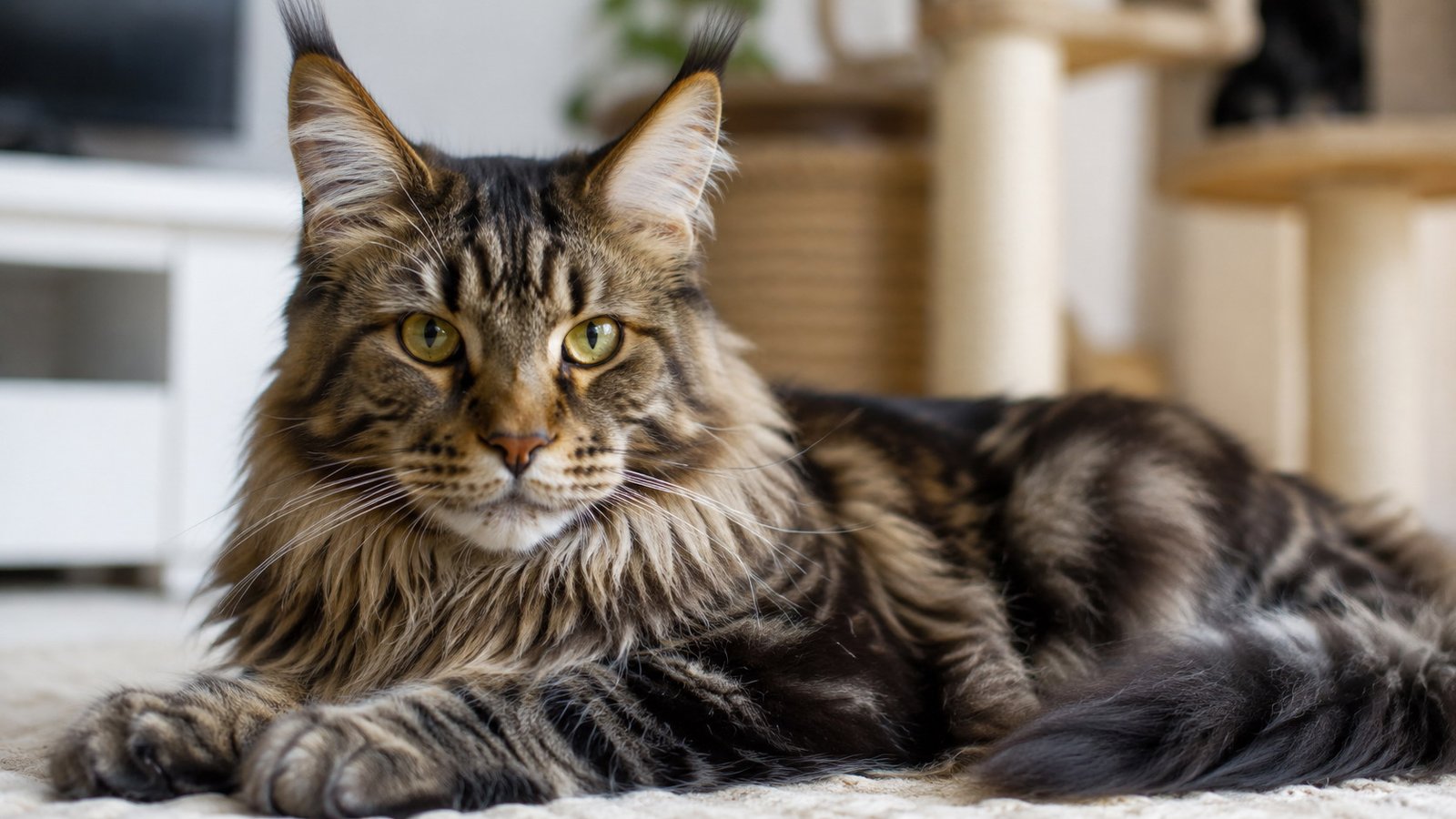
Looking for Maine Coon cats for adoption in Michigan can feel overwhelming at first. Between breeders, rescues, shelters, mixed-breed cats, and online listings, it is not always clear where to start or how to avoid scams.
The good news is that Michigan has several reputable rescue organizations, adoption networks, and shelters where you can find Maine Coon cats and Maine Coon mixes needing homes. Whether you want a kitten, an adult cat, or a retired breeding cat, understanding the adoption process helps you make a safer and more informed decision.
This guide explains where to find Maine Coon cats for adoption in Michigan, what to expect during adoption, how much it typically costs, and how to choose a healthy cat that fits your lifestyle.
In This Article
What Is a Maine Coon Cat?
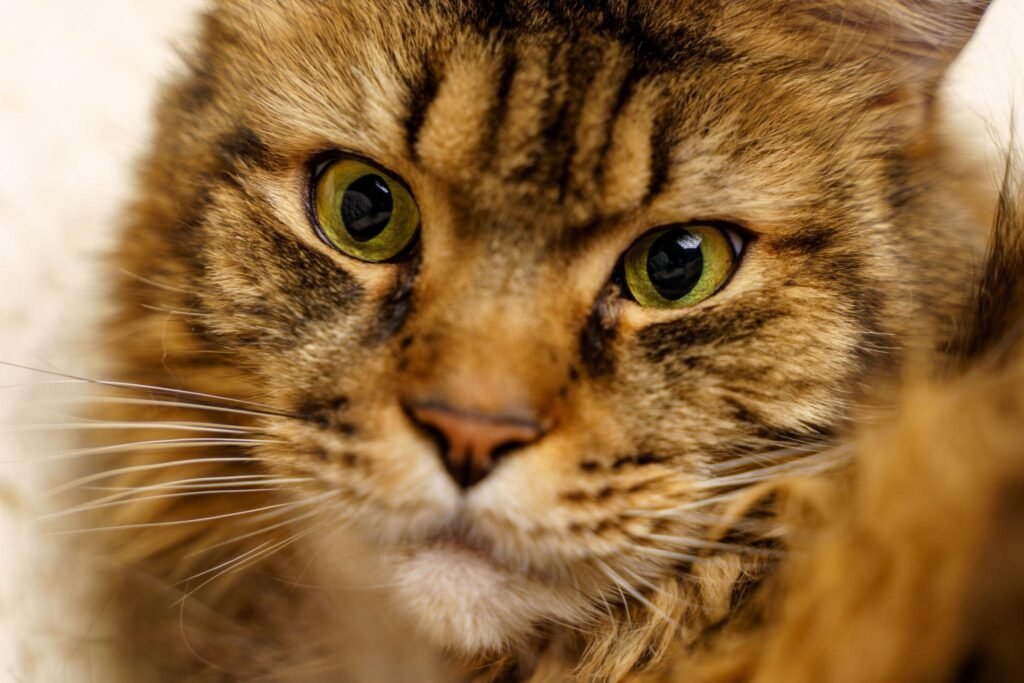
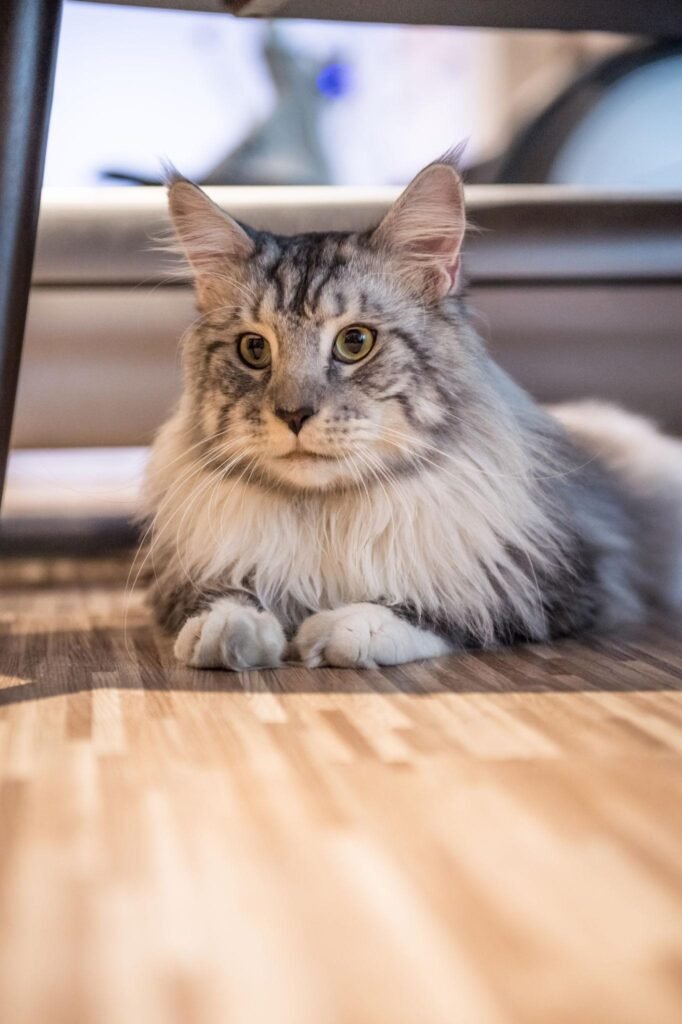
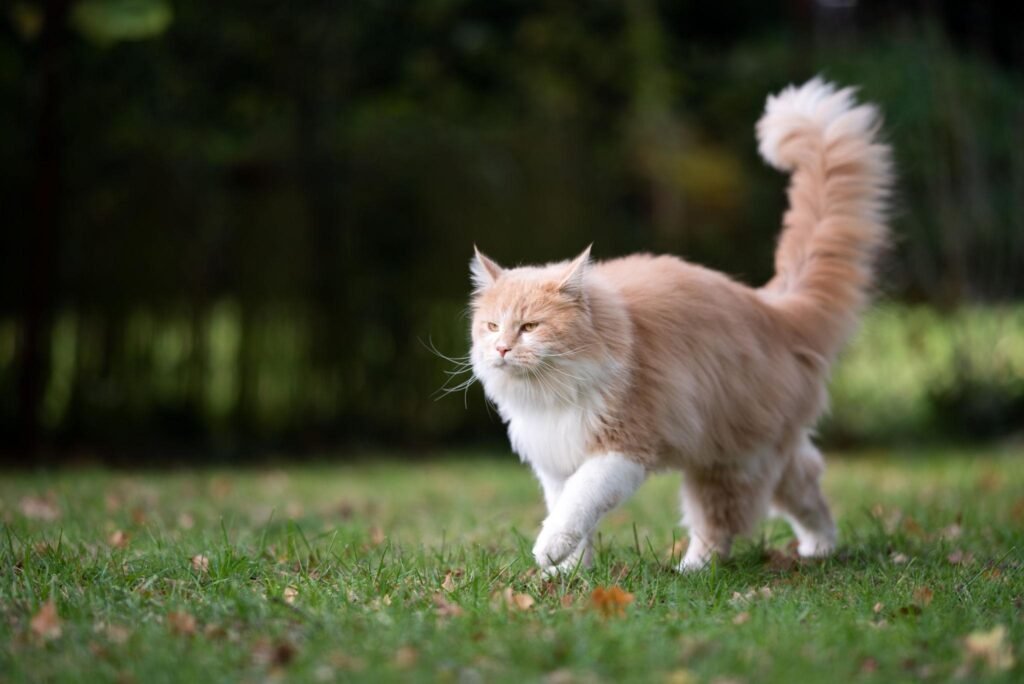
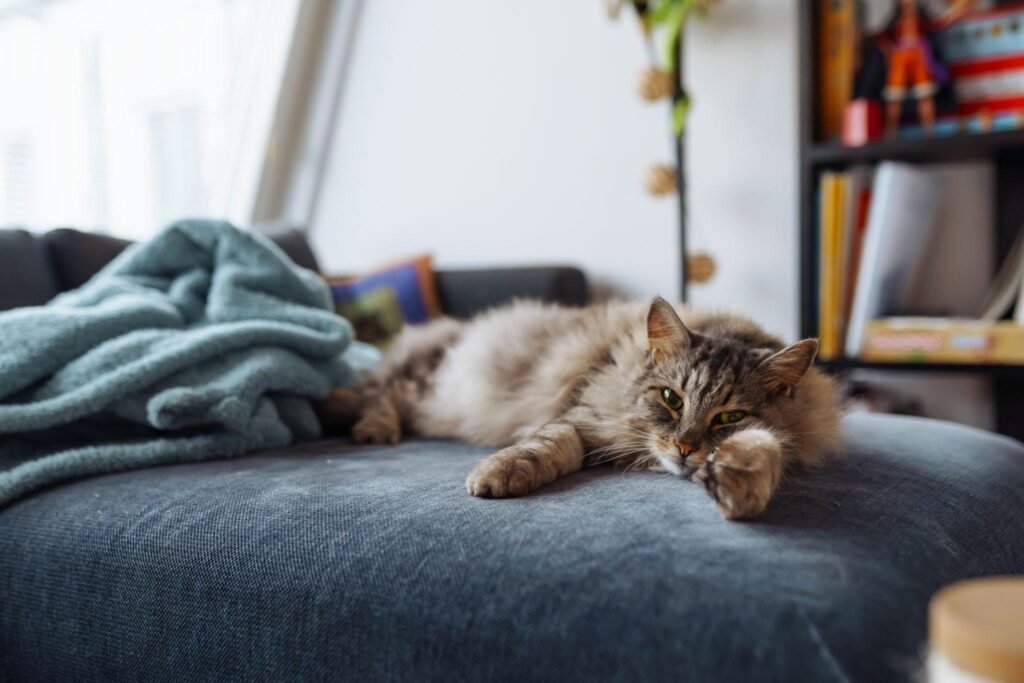
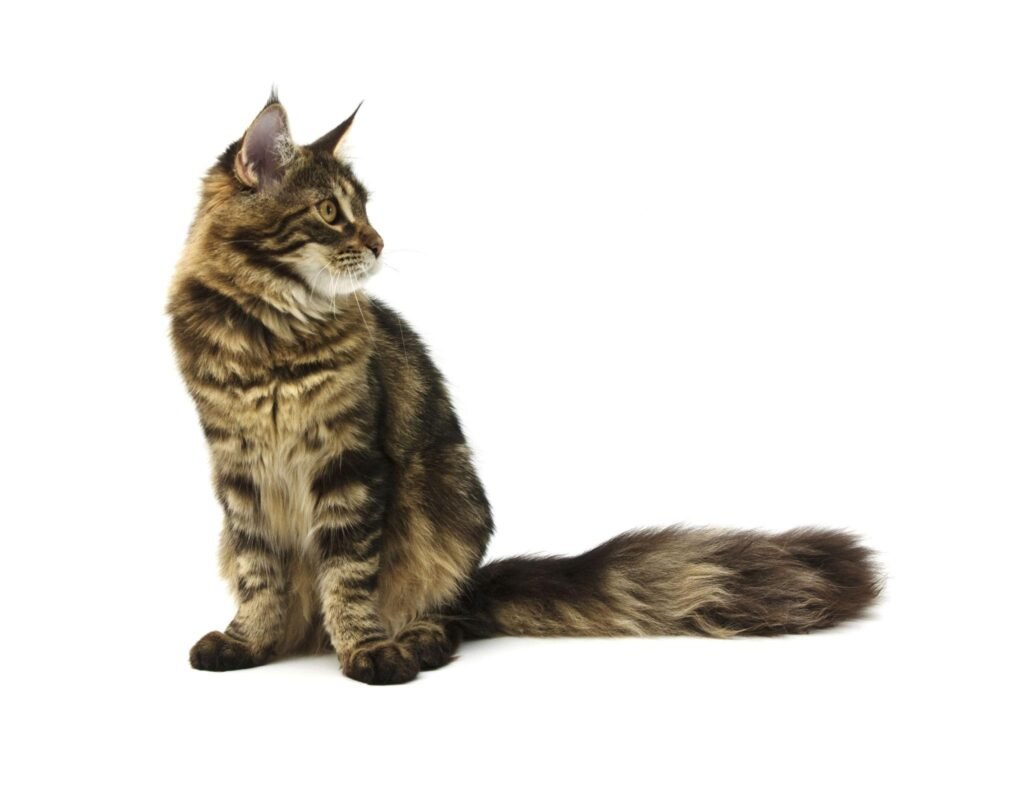
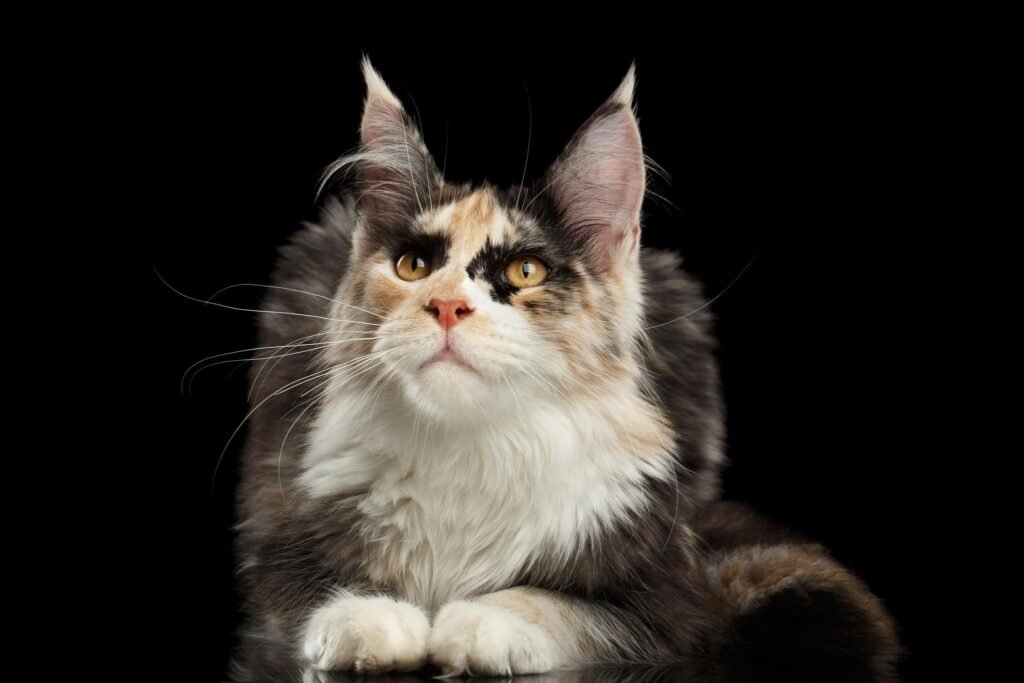
The Maine Coon is one of the largest domestic cat breeds in the world. Known for their long fur, tufted ears, bushy tails, and friendly personalities, Maine Coons are often described as “gentle giants.”
Common traits include:
- Large body size
- Thick water-resistant coat
- Sociable and affectionate personality
- High intelligence
- Playful behavior well into adulthood
- Strong hunting instincts
- Adaptability to families and other pets
Many people searching for Maine Coon cats for adoption in Michigan are specifically looking for:
- Purebred Maine Coons
- Maine Coon mix cats
- Adult Maine Coons needing rehoming
- Rescue Maine Coons
- Affordable alternatives to breeder kittens
Are Purebred Maine Coons Common in Shelters?
Purebred Maine Coons are less common in traditional animal shelters than mixed-breed cats. However, Maine Coon mixes appear regularly in rescues throughout Michigan.
A shelter may label a cat as “Maine Coon mix” based on appearance and temperament rather than official pedigree paperwork. Cats with:
- Ear tufts
- Large size
- Long shaggy fur
- Bushy tails
- Square muzzles
are often classified as Maine Coon mixes even without DNA confirmation.
If you specifically want a registered purebred cat, you may need patience because they are adopted quickly.
Where to Find Maine Coon Cats for Adoption in Michigan
1. Maine Coon Rescue Organizations
Breed-specific rescues are one of the best places to search.
These rescues focus on:
- Rehoming surrendered cats
- Saving cats from neglect situations
- Transporting cats across states
- Matching cats with suitable families
Many rescues operate through foster homes rather than physical shelters.
Some organizations serving Michigan adopters may include:
- Regional Maine Coon rescues
- National cat rescue networks
- Volunteer foster-based organizations
Cats from rescues are usually:
- Vaccinated
- Spayed or neutered
- Socialized
- Evaluated for temperament
- Checked for medical issues
This often makes rescue adoption safer than buying from random online listings.
2. Local Animal Shelters in Michigan
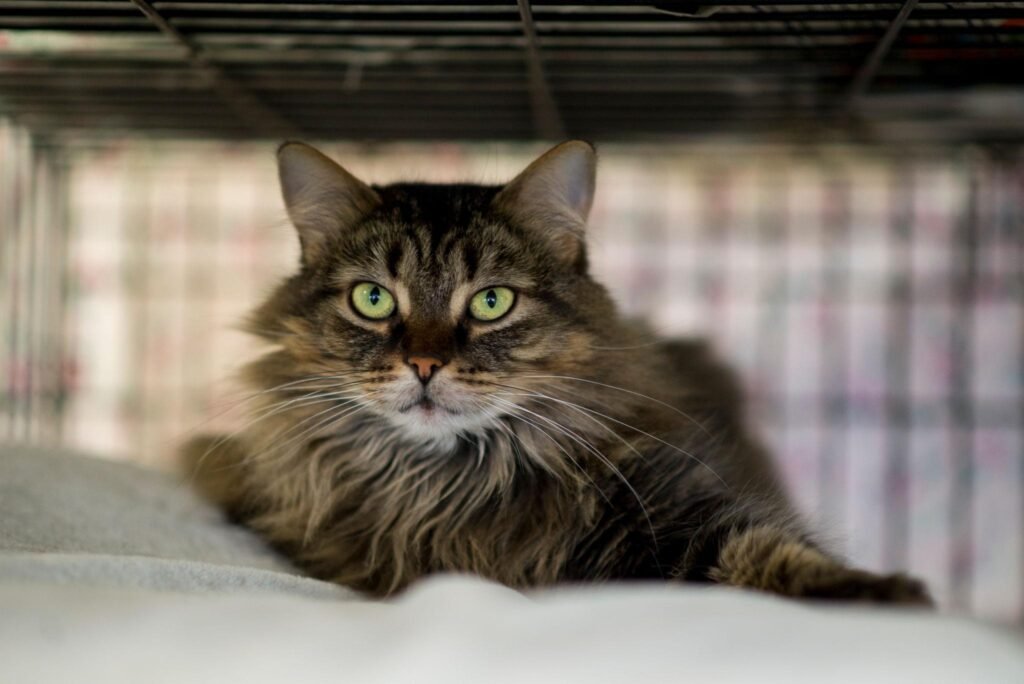
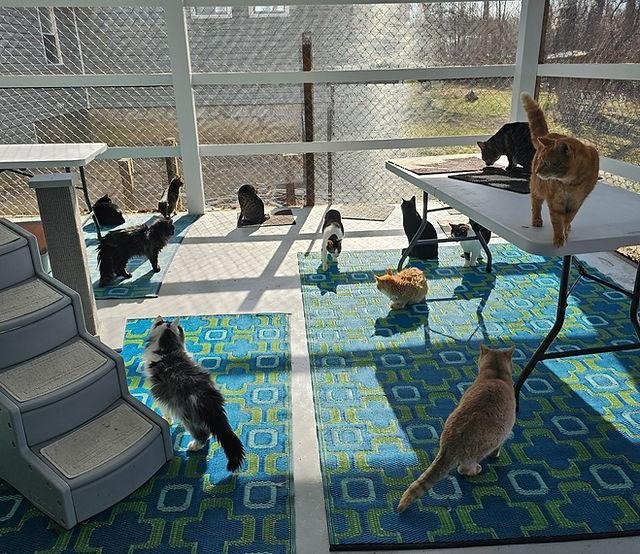
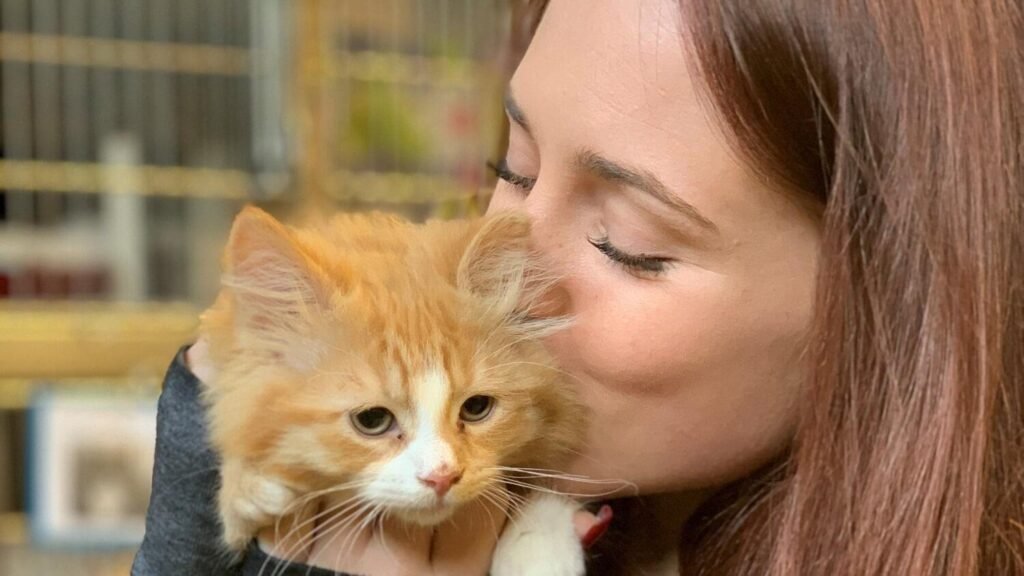
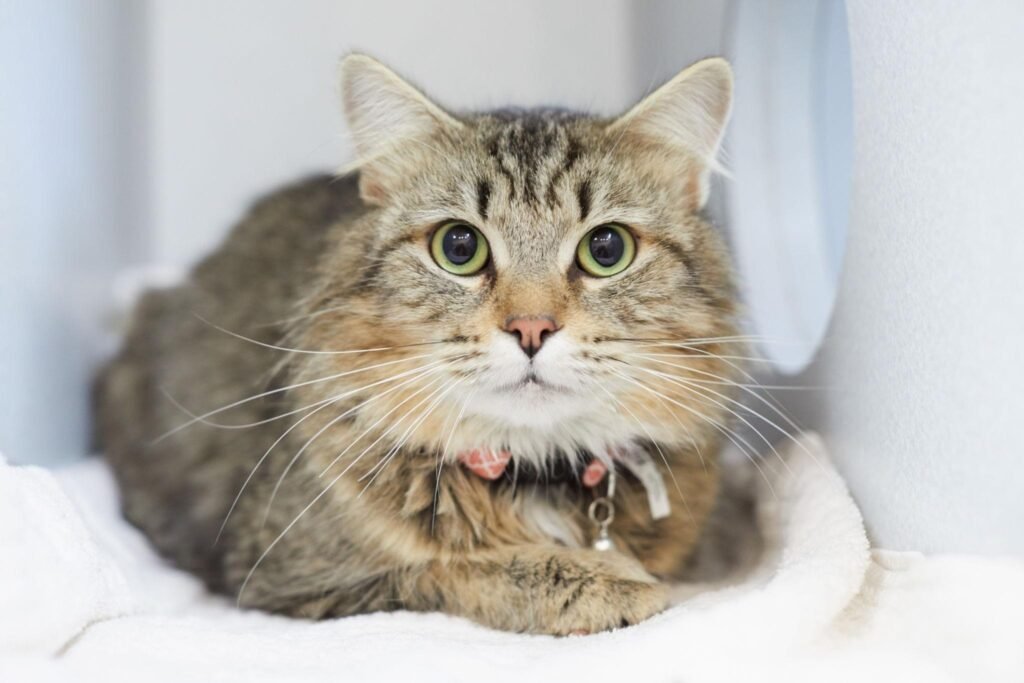
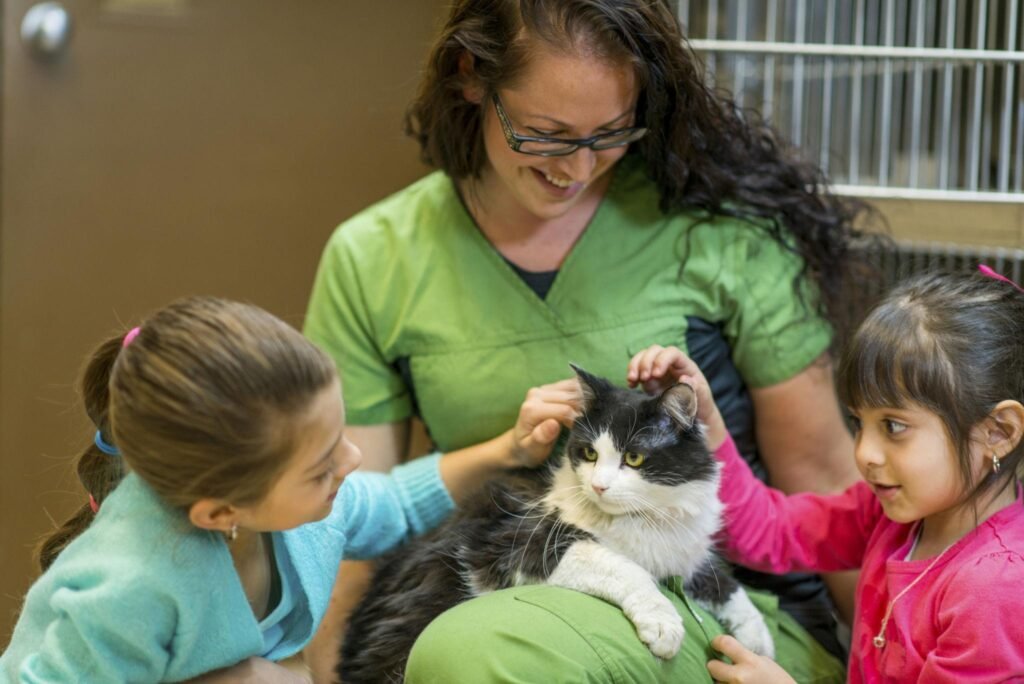
Many local shelters occasionally receive Maine Coon cats or mixes.
Check shelters in larger Michigan areas such as:
- Detroit
- Grand Rapids
- Ann Arbor
- Lansing
- Kalamazoo
- Flint
Shelters often post adoptable cats online with photos and personality descriptions.
Useful search terms include:
- “Maine Coon mix”
- “long-haired tabby”
- “large fluffy cat”
- “domestic longhair”
Some cats may strongly resemble Maine Coons even if not officially labeled that way.
3. Pet Adoption Websites
Several reputable adoption platforms list cats across Michigan.
Popular adoption search methods include:
- Filtering by breed
- Filtering by location
- Searching by age and temperament
- Setting alerts for new listings
These platforms often connect adopters directly with:
- Shelters
- Foster homes
- Rescue organizations
When using online adoption websites:
- Verify the rescue organization
- Ask for veterinary records
- Avoid paying deposits before verification
- Watch for fake listings using stolen photos
4. Rehoming Networks
Some owners must rehome their Maine Coon cats due to:
- Moving
- Allergies
- Financial hardship
- Lifestyle changes
- Conflicts with other pets
Rehoming groups can sometimes be a good option because:
- The cat’s history is known
- You can ask detailed behavioral questions
- Cats are often already house-trained
However, private rehoming requires extra caution to avoid scams or unhealthy animals.
Maine Coon Adoption vs Buying From a Breeder
| Factor | Adoption | Buying From Breeder |
| Cost | Usually lower | Often expensive |
| Availability | Less predictable | More predictable |
| Pedigree papers | Rare | Usually included |
| Adult cats available | Common | Less common |
| Health screening | Varies | Often extensive |
| Wait time | Variable | Sometimes long |
| Supporting rescue efforts | Yes | No |
Many people prefer adoption because it gives a cat a second chance while avoiding extremely high breeder prices.
How Much Does Maine Coon Adoption Cost in Michigan?
Adoption fees vary depending on:
- Shelter policies
- Cat age
- Medical care completed
- Breed demand
Typical adoption ranges:
- Kittens: higher adoption fees
- Adult cats: moderate fees
- Senior cats: lower fees
Fees often include:
- Spay/neuter surgery
- Vaccinations
- Microchipping
- Deworming
- Basic veterinary exams
A purebred Maine Coon from a breeder can cost dramatically more than an adopted cat.
What to Expect During the Adoption Process
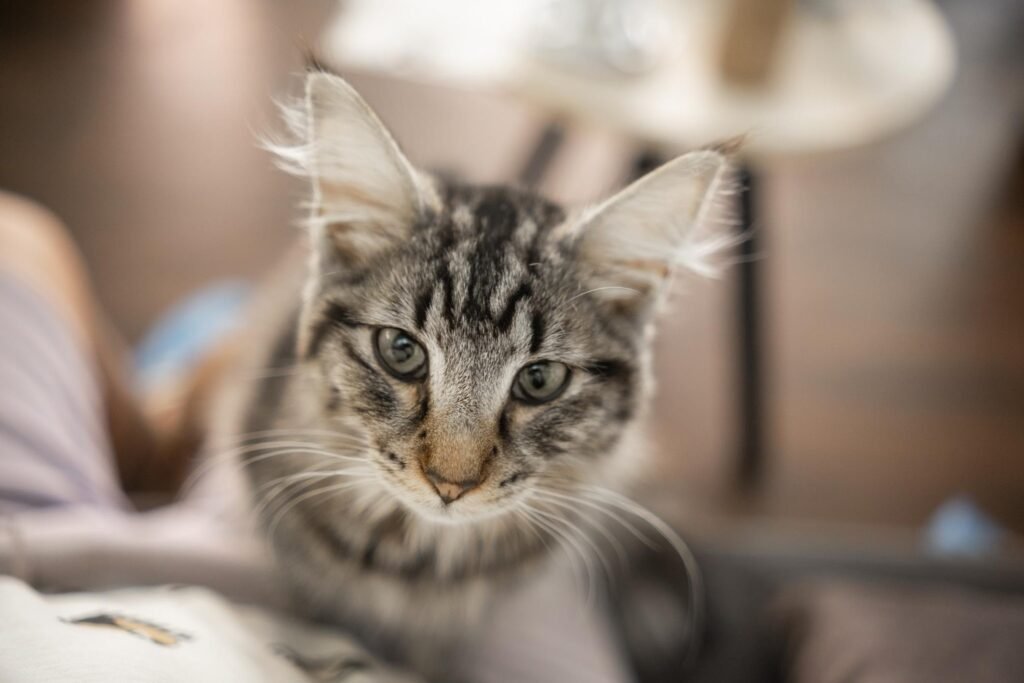
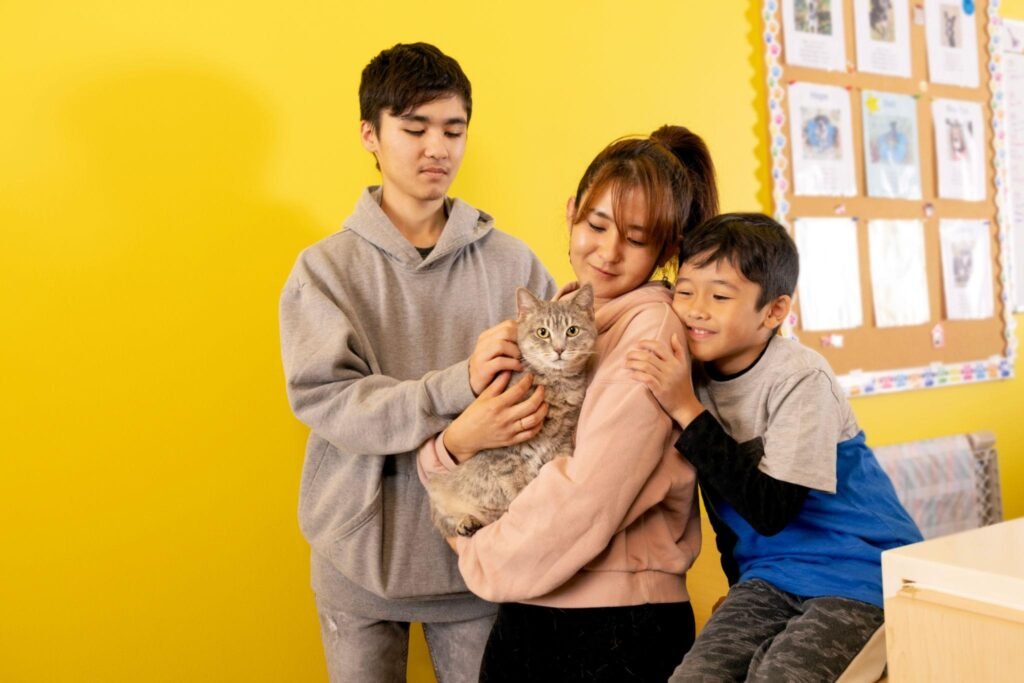

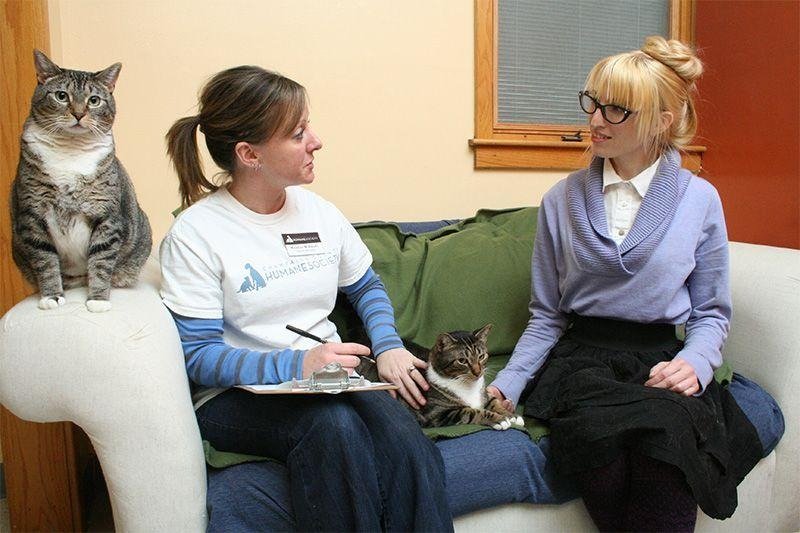
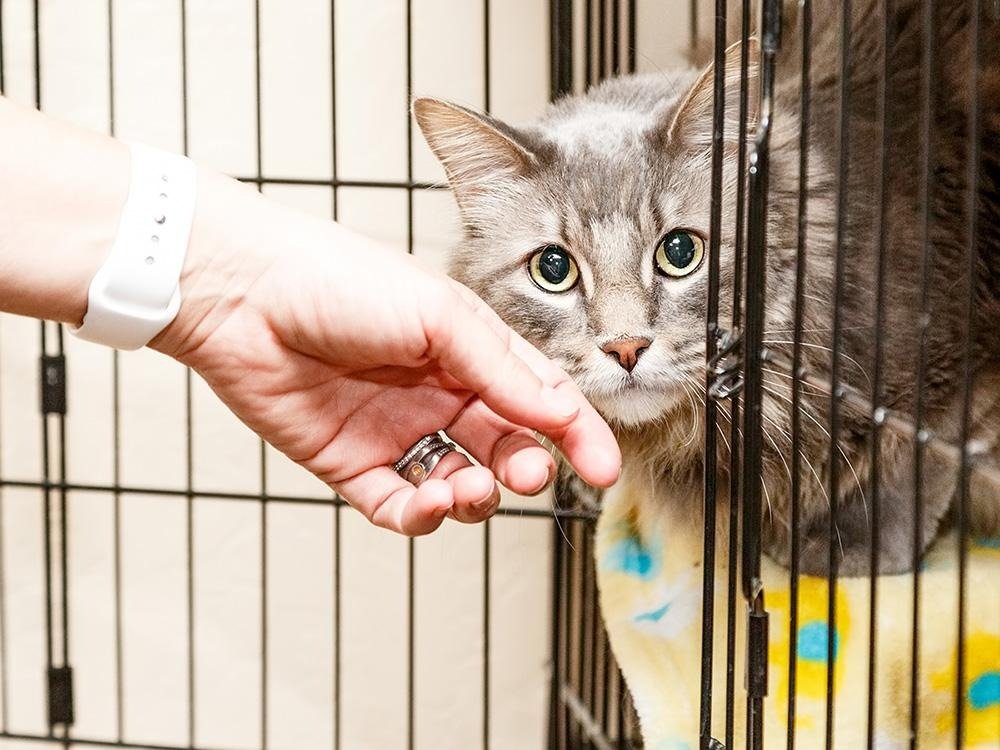
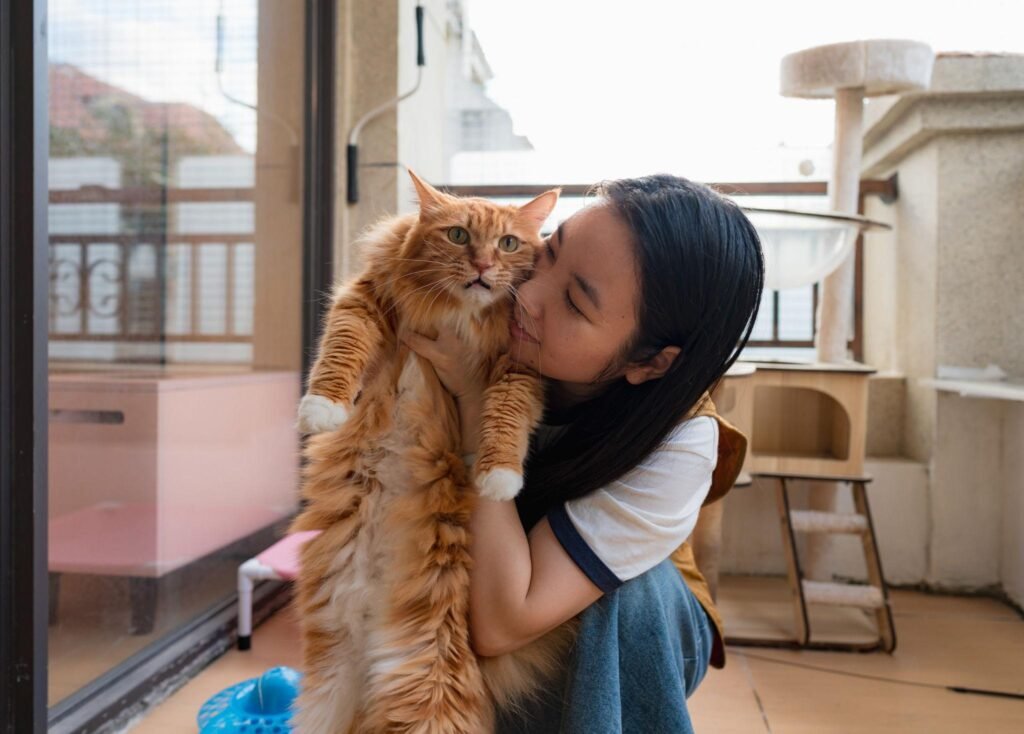
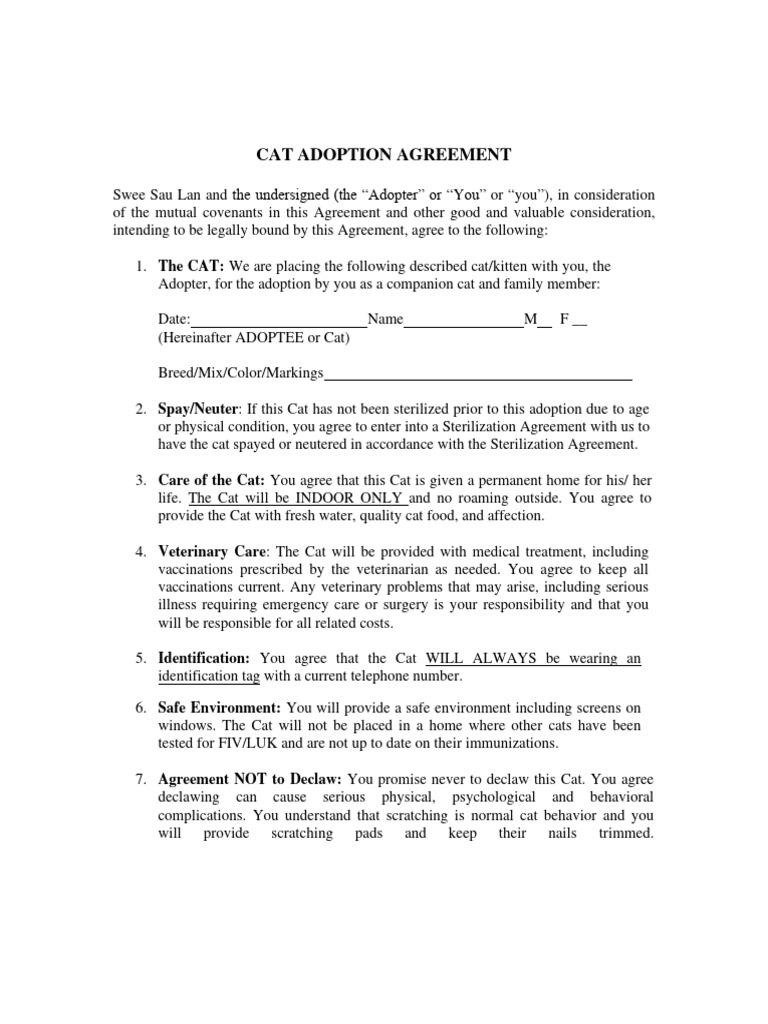
Most Michigan rescues and shelters follow a similar process.
Step 1: Submit an Application
You may be asked about:
- Previous pet experience
- Current pets
- Housing situation
- Veterinarian references
- Lifestyle and schedule
Step 2: Interview or Screening
Rescues often want to ensure the cat is a good match.
Topics may include:
- Indoor-only policies
- Declawing policies
- Financial ability for pet care
- Long-term commitment
Step 3: Meet the Cat
This may happen:
- At a shelter
- In a foster home
- Through a virtual meeting
Meeting the cat helps assess:
- Energy level
- Comfort around people
- Compatibility with children or pets
Step 4: Finalize the Adoption
You usually sign:
- Adoption agreements
- Medical disclosures
- Return policies
Then you pay the adoption fee and bring your cat home.
How to Identify a Healthy Maine Coon Cat
Whether adopting from a rescue or private owner, evaluate the cat carefully.
Healthy Signs
Look for:
- Bright eyes
- Clean ears
- Healthy appetite
- Smooth movement
- Clean coat
- Normal breathing
- Friendly or appropriately cautious behavior
Warning Signs
Be cautious if you notice:
- Nasal discharge
- Sneezing
- Labored breathing
- Extreme lethargy
- Matted fur
- Weight loss
- Aggression caused by pain or illness
Ask for veterinary history whenever possible.
Common Health Issues in Maine Coons
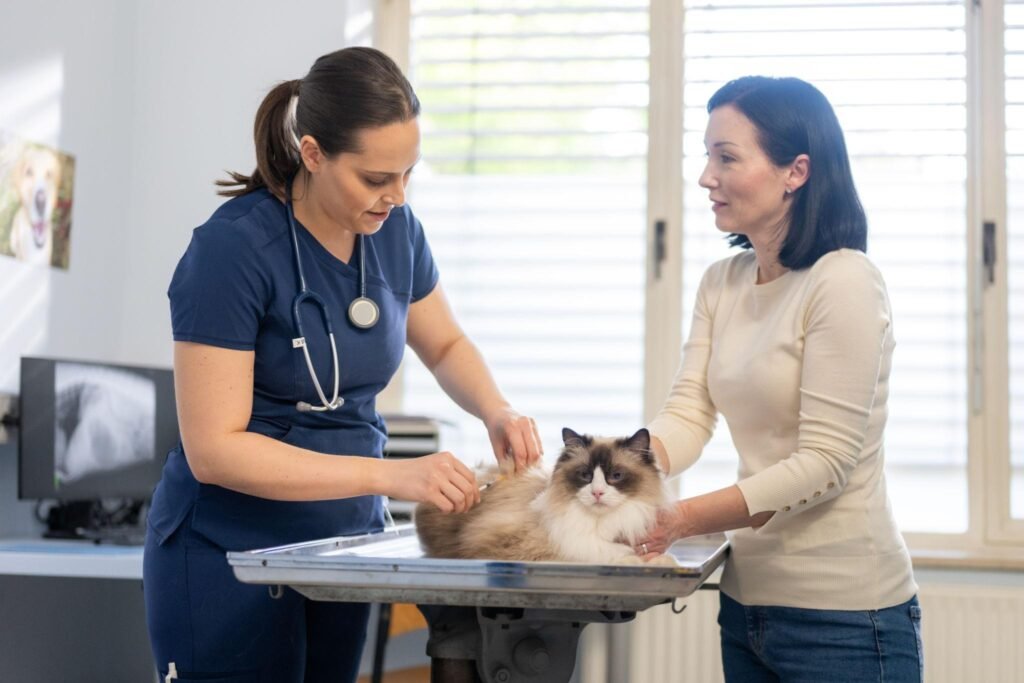
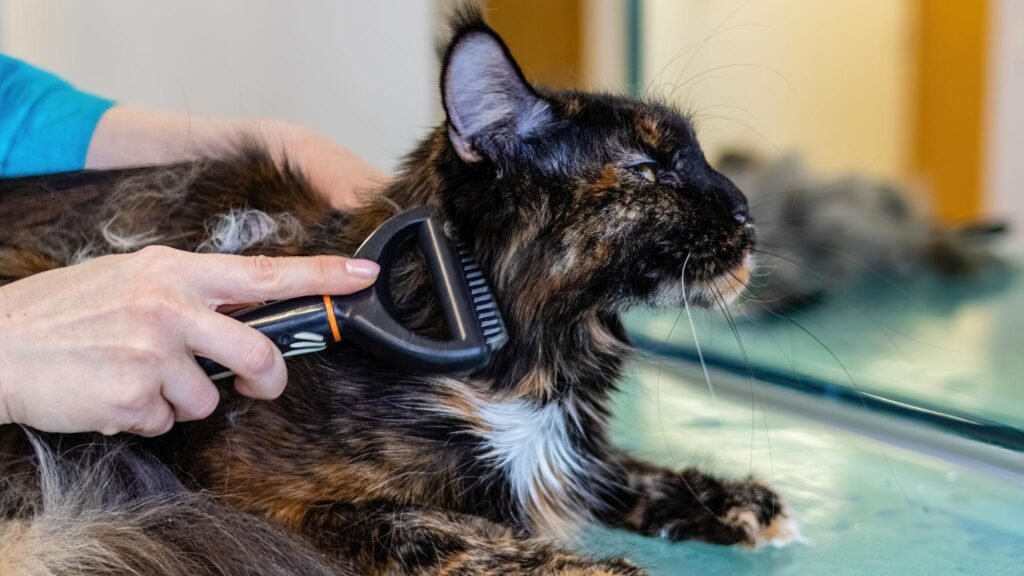
Maine Coons are generally hardy cats, but the breed has several known health concerns.
Hypertrophic Cardiomyopathy (HCM)
A heart disease sometimes seen in Maine Coons.
Symptoms may include:
- Fatigue
- Rapid breathing
- Reduced activity
Some breeders screen for genetic risk.
Hip Dysplasia
Because Maine Coons are large cats, joint problems can occur.
Spinal Muscular Atrophy (SMA)
A hereditary condition affecting muscle strength and coordination.
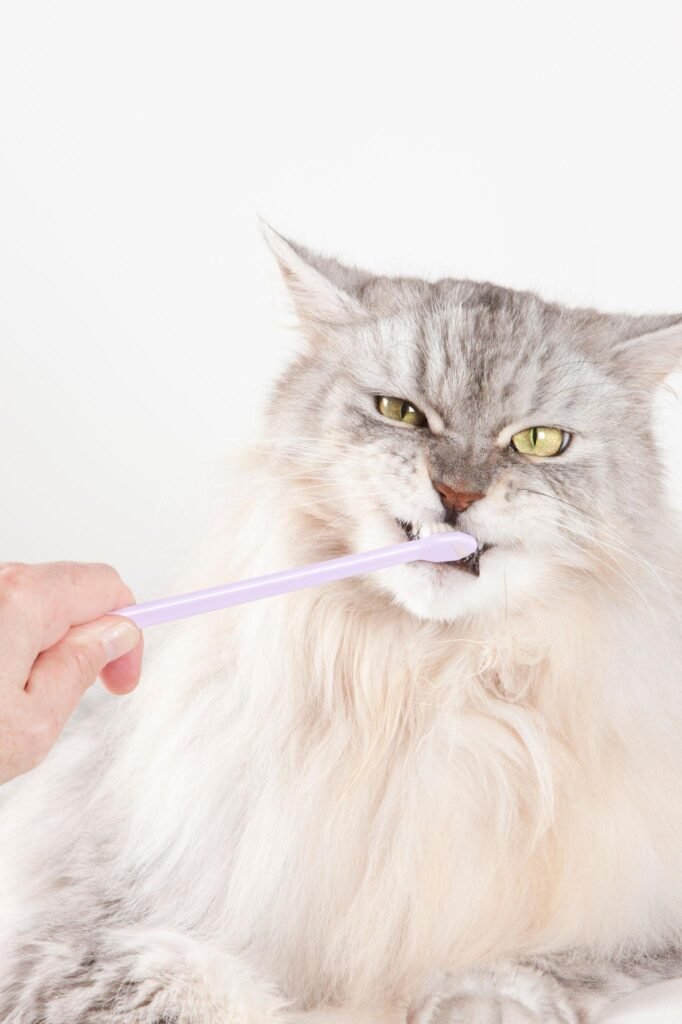
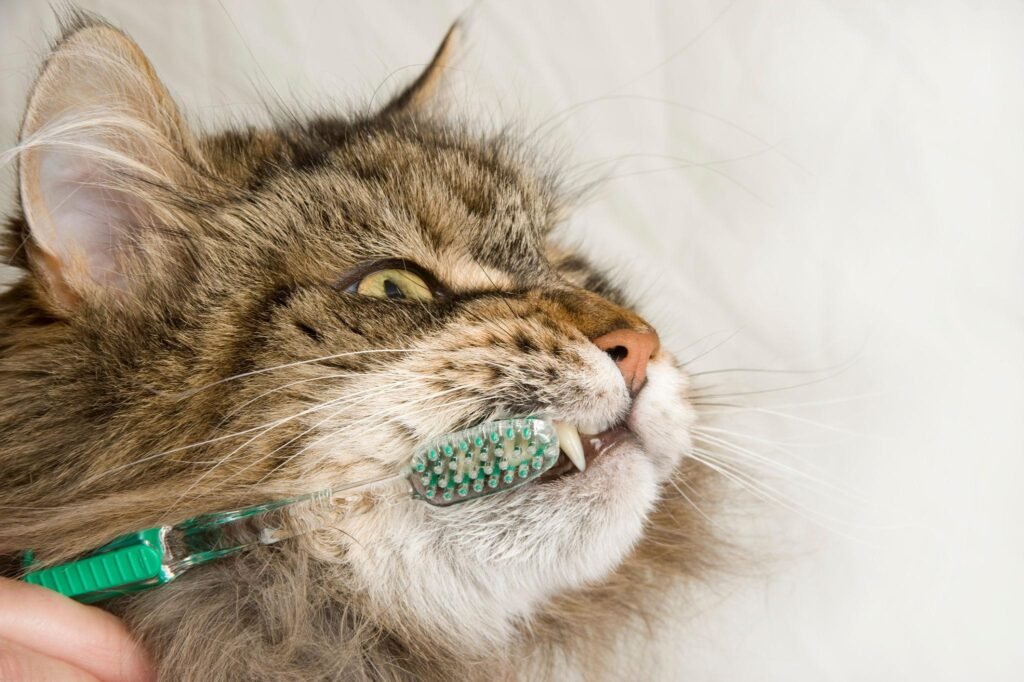
Dental Problems
Large breeds may also experience:
- Gum disease
- Tartar buildup
- Tooth decay
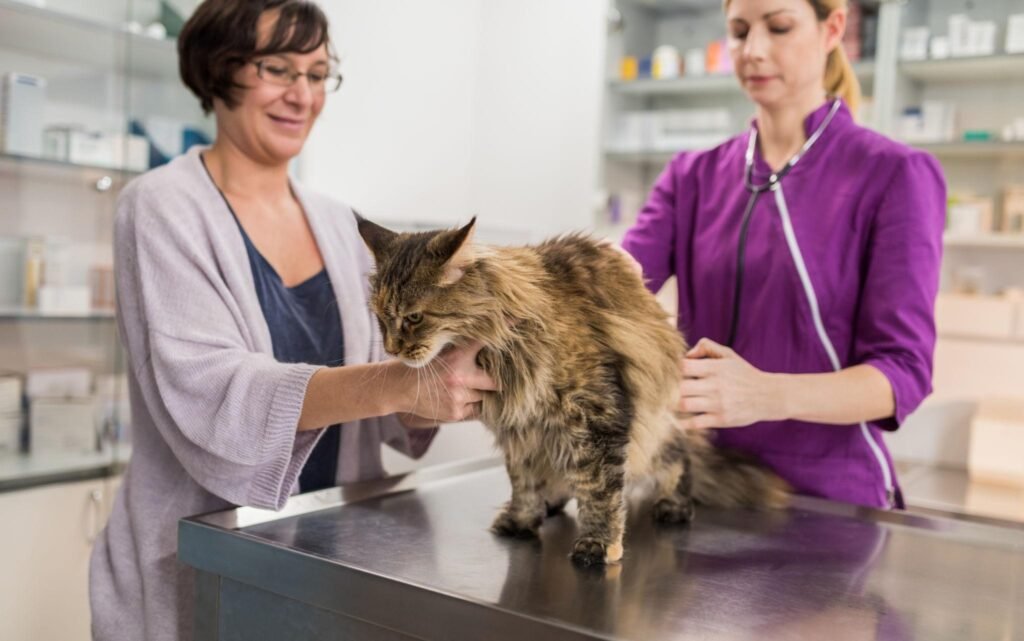
Regular veterinary care helps detect problems early.
Are Maine Coons Good Family Cats?
Yes, Maine Coons are widely considered excellent family pets.
They are often:
- Patient with children
- Social with guests
- Compatible with dogs
- Playful but gentle
However, personality still varies between individual cats.
Some Maine Coons are:
- Extremely outgoing
- Independent
- Quiet
- Highly vocal
Meeting the cat before adoption is important.
Maine Coon Grooming Requirements
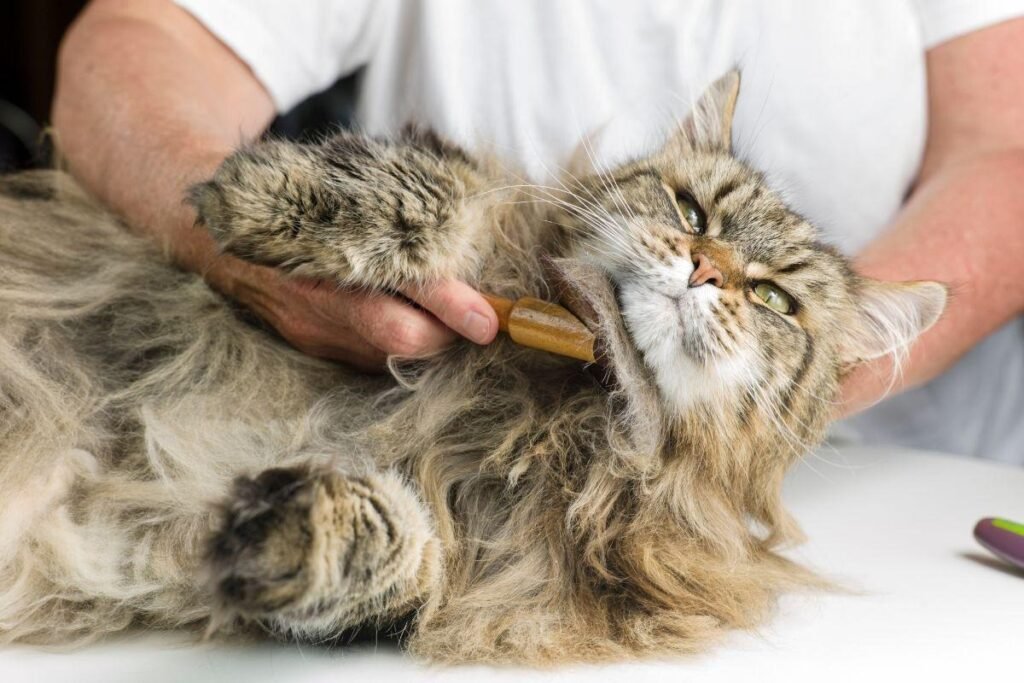
Their beautiful coat requires regular maintenance.
Basic Grooming Needs
- Brushing several times weekly
- Nail trimming
- Ear cleaning
- Dental care
- Occasional bathing
Without regular grooming, long fur can develop painful mats.
Indoor vs Outdoor Living
Most rescues require Maine Coons to remain indoors.
Indoor living protects cats from:
- Traffic
- Predators
- Disease
- Parasites
- Extreme weather
Some owners build:
- Catios
- Secure outdoor enclosures
- Harness walking routines
These options provide enrichment while improving safety.
Best Questions to Ask Before Adopting
Before adopting a Maine Coon cat in Michigan, ask:
- Is the cat purebred or mixed?
- Has the cat been tested for common illnesses?
- Is the cat spayed or neutered?
- What food does the cat currently eat?
- Has the cat lived with other pets?
- Does the cat have behavioral issues?
- Has the cat shown signs of heart disease?
- What grooming routine is needed?
Detailed answers help prevent surprises later.
Common Mistakes People Make
Choosing Based Only on Appearance
Large fluffy cats require:
- Grooming
- Space
- Veterinary care
- Time and attention
Ignoring Personality Fit
A high-energy cat may not suit a quiet household.
Falling for Online Scams
Scam warning signs include:
- Requests for wire transfers
- No video calls
- Refusal to provide veterinary records
- Unrealistically low prices
- Stock-photo listings
Underestimating Long-Term Costs
Maine Coons can live well into their teens, requiring years of:
- Food
- Litter
- Veterinary care
- Grooming
- Emergency medical expenses
Tips for Successfully Bringing Your Maine Coon Home
Prepare a Quiet Starter Room
Include:
- Food and water
- Litter box
- Scratching post
- Bed or hiding space
Transition Slowly
Allow the cat to:
- Explore gradually
- Adjust to household sounds
- Meet pets slowly
Schedule a Veterinary Visit
Even healthy adopted cats should see a veterinarian soon after adoption.
Quick Summary: Finding Maine Coon Cats for Adoption in Michigan
| Topic | Key Point |
| Best places to search | Rescues, shelters, adoption websites |
| Purebred availability | Less common but possible |
| Maine Coon mixes | Much more common |
| Adoption fees | Usually include medical care |
| Main benefits of adoption | Lower cost and helping rescue cats |
| Important health concerns | HCM, hip dysplasia, dental issues |
| Grooming needs | Moderate to high |
| Best home environment | Indoor-focused with enrichment |
FAQ About Maine Coon Cats for Adoption in Michigan
Are Maine Coon cats rare in Michigan shelters?
Purebred Maine Coons are relatively uncommon, but Maine Coon mixes appear more frequently in shelters and rescue groups throughout Michigan.
How can I tell if a cat is really a Maine Coon?
Without pedigree papers or DNA testing, identification is usually based on physical traits and behavior. Many shelter cats labeled “Maine Coon mix” simply resemble the breed.
Is adopting a Maine Coon cheaper than buying one?
Yes. Adoption fees are typically much lower than breeder prices and often include vaccinations and spay/neuter surgery.
Are Maine Coons difficult to care for?
Not usually, but they do require regular grooming, social interaction, and routine veterinary care.
Do Maine Coons get along with dogs?
Many do. Maine Coons are known for adaptable and social personalities, especially when introduced properly.
Final Thoughts on Maine Coon Cats for Adoption in Michigan
Finding Maine Coon cats for adoption in Michigan takes patience, research, and realistic expectations. Purebred cats may be harder to find, but shelters and rescue groups regularly have beautiful Maine Coon mixes needing homes.
The best approach is to focus on temperament, health, and compatibility rather than appearance alone. A well-matched adopted cat can become an affectionate, loyal companion for many years.
By working with reputable rescues, asking the right questions, and preparing your home properly, you significantly increase the chances of a successful adoption experience for both you and your future cat.

Passionate about pets and animal care, we shares trusted tips, fun facts, and practical advice to help pet lovers give their furry, feathered, and scaly companions the best life possible. From everyday care guides to fascinating animal insights, we’re dedicated to making pet information easy, helpful, and enjoyable for every reader.