
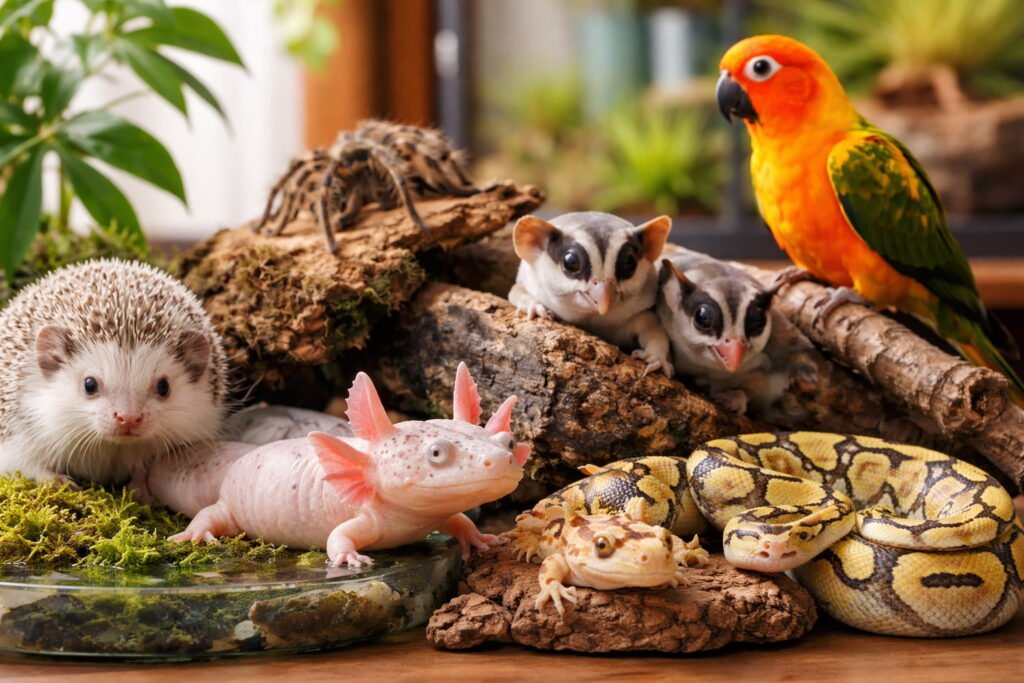
Popular exotic pets in 2026 are no longer a niche interest reserved for collectors or zoology enthusiasts. They have moved into the mainstream, driven by changing lifestyles, improved access to ethical breeders, and a growing desire for pets that feel unique yet manageable. Urban households, remote work culture, and smaller living spaces are reshaping what people look for in animal companionship.
Unlike traditional cats and dogs, exotic pets often offer specialized care routines, quieter environments, and visually striking traits. Social platforms continue to amplify this interest, showcasing well-maintained reptiles, intelligent birds, and even invertebrates thriving in carefully designed habitats. This visibility has helped normalize ownership while also raising awareness around responsibility and welfare.
What defines an exotic pet in 2026 is clearer than ever. These animals are typically non-domesticated species kept legally and ethically as companions, supported by advances in veterinary care, nutrition, and habitat technology. As a result, the rise of popular exotic pets in 2026 reflects not impulse buying, but informed, lifestyle-driven choices.
“The modern exotic pet owner is more educated, cautious, and welfare-focused than at any other point in the past two decades.”
— Exotic Animal Veterinary Association
In This Article
Key Factors Driving Popular Exotic Pets in 2026
Several measurable trends explain why certain species are becoming popular exotic pets in 2026, while others decline in demand. These factors go beyond aesthetics and focus heavily on practicality and ethics.
Lifestyle Compatibility and Space Efficiency
Compact living environments strongly influence pet selection. Smaller exotic animals often thrive in controlled enclosures, making them suitable for apartments and urban homes. Owners value pets that fit into structured routines without requiring constant supervision.
Key preferences include:
- Species comfortable in enclosed habitats
- Animals active during predictable hours
- Pets that tolerate limited human traffic and noise
Low-Allergen and Low-Noise Benefits
Allergy concerns have redirected many people away from fur-heavy pets. Exotic animals such as reptiles, amphibians, and invertebrates produce minimal dander and no airborne allergens, making them ideal for sensitive households. Noise reduction is another factor, especially in shared living spaces.
| Pet Type | Allergen Level | Noise Level |
| Reptiles | Very low | Silent |
| Small mammals | Low | Minimal |
| Birds | Moderate | Variable |
| Invertebrates | None | Silent |
Legal Clarity and Responsible Ownership
By 2026, stricter laws and clearer classifications have helped buyers make informed decisions. Regions now provide transparent guidance on species legality, licensing requirements, and ethical sourcing. This clarity has reduced illegal trade and increased demand for captive-bred exotic pets.
Common owner priorities include:
- Species with clear legal status
- Documented captive breeding programs
- Availability of veterinary specialists
Advances in Exotic Pet Care Knowledge
Education has transformed exotic pet ownership. Online courses, veterinary teleconsultations, and scientifically formulated diets now support long-term animal health. Smart thermostats, humidity sensors, and automated lighting systems enable precise habitat control, reducing mortality rates significantly.
Modern care systems replicate natural environments with remarkable accuracy, allowing exotic pets to live healthier and longer lives than in previous years.
Small Mammals Leading the Popular Exotic Pets in 2026 Trend
Among popular exotic pets in 2026, small mammals stand out for their intelligence, emotional bonding, and manageable care requirements. These animals offer personality-rich companionship without the space demands of larger pets.
Sugar Gliders
Sugar gliders remain one of the most sought-after exotic mammals due to their social nature and unique gliding ability. Native to Australia and Indonesia, they thrive in pairs or small groups and form strong bonds with human caretakers.
Core care facts:
- Lifespan: 12–15 years
- Diet: Nectar, insects, fruits, protein supplements
- Daily interaction: High
Owners who invest time often describe sugar gliders as “pocket-sized companions with dog-like loyalty.”
African Pygmy Hedgehogs
African pygmy hedgehogs continue to gain popularity due to their compact size and solitary temperament. Unlike social mammals, hedgehogs prefer minimal handling, making them suitable for quieter households.
Why they are trending:
- Low space requirements
- Nocturnal behavior fits evening routines
- Relatively low maintenance when properly housed
Degus and Dormice
Degus and dormice appeal to enthusiasts seeking highly intelligent, interactive rodents. Degus, in particular, exhibit complex social behaviors and problem-solving skills comparable to small primates.
| Species | Social Level | Lifespan | Ideal Owner Type |
| Degus | Very high | 8–10 years | Interactive owners |
| Dormice | Moderate | 4–6 years | Observation-focused owners |
These mammals represent a shift toward pets that encourage mental enrichment and responsible engagement, reinforcing why they dominate the list of popular exotic pets in 2026.
Reptiles Dominating the Popular Exotic Pets in 2026 Market
Reptiles continue to rank among the most popular exotic pets in 2026, largely due to their low-noise nature, predictable routines, and improving husbandry standards. Modern enclosure systems now replicate temperature gradients, UV exposure, and humidity levels with precision, making reptile care more accessible than ever.
Crested Geckos and Leopard Geckos
Crested geckos and leopard geckos remain entry points into reptile ownership. Both species are captive-bred at scale and recognized for their calm temperament.
Key reptile care facts:
- Lifespan: 15–20 years
- Enclosure size: 20–40 gallons per adult
- Diet: Commercial gecko diets, live insects
Crested geckos, once thought extinct, are now a conservation success story. Their resurgence highlights how ethical captive breeding directly supports species preservation.
Ball Pythons With Rare Morphs
Ball pythons dominate the snake category among popular exotic pets in 2026. Selective breeding has introduced hundreds of color morphs, ranging from pastel to piebald variations.
Why ball pythons remain popular:
- Docile temperament
- Manageable adult size (3–5 feet)
- Feeding schedules as infrequent as once every 7–14 days
Veterinary data indicates ball pythons raised in regulated environments now live 25–30 years, a sharp improvement compared to early 2000s figures.
Blue-Tongued Skinks
Blue-tongued skinks attract owners seeking active, diurnal reptiles. Their visible curiosity and omnivorous diet simplify feeding routines.
| Species Trait | Details |
| Activity cycle | Daytime |
| Diet | Insects, vegetables, lean protein |
| Temperament | Tolerant, inquisitive |
These lizards reflect a growing preference for reptiles that offer visual engagement and predictable behavior.
Birds Among the Most Popular Exotic Pets in 2026
Bird ownership has evolved significantly, positioning birds as emotionally intelligent companions rather than ornamental pets. Among popular exotic pets in 2026, birds appeal to owners who value interaction, communication, and long-term bonds.
Parrotlets and Conures
Parrotlets and conures top the list due to their compact size and expressive personalities. Despite their small stature, these birds display impressive cognitive skills.
Notable traits include:
- Vocabulary capacity of up to 50 words
- Strong pair bonding behaviors
- Lifespans of 15–25 years depending on species
Ethologists often compare parrot intelligence to that of human toddlers, emphasizing the importance of enrichment and daily interaction.
Talking Birds vs Companion Birds
Bird enthusiasts increasingly differentiate between birds selected for vocal mimicry and those prized for companionship. While African greys remain famous talkers, smaller species are favored in urban settings.
| Bird Type | Primary Appeal | Noise Level |
| Talking birds | Speech mimicry | Moderate–high |
| Companion birds | Bonding, play | Low–moderate |
This distinction helps prospective owners choose birds aligned with realistic expectations.
Intelligence, Bonding, and Lifespan Considerations
Avian veterinarians emphasize that birds require mental stimulation comparable to primates. Puzzle feeders, rotation of toys, and social exposure are essential for preventing stress-related behaviors.
Aquatic and Semi-Aquatic Popular Exotic Pets in 2026
Aquatic animals are redefining exotic pet ownership through quiet observation and ecosystem-based care models. Advances in filtration and water chemistry monitoring have made aquatic pets far more sustainable and beginner-friendly.
Axolotls
Axolotls have become icons among popular exotic pets in 2026, prized for their regenerative abilities and calm demeanor. These amphibians require cool, stable water environments.
Axolotl care essentials:
- Water temperature: 16–18°C (60–64°F)
- Lifespan: 10–15 years
- Diet: Earthworms, soft pellets
Scientific research continues to study axolotl limb regeneration, placing them at the intersection of pet ownership and biological science interest.
Freshwater Stingrays
Freshwater stingrays appeal to advanced aquarists capable of maintaining large, meticulously filtered tanks. Their graceful movement and intelligence make them showpiece pets.
| Requirement | Standard |
| Tank size | 300+ gallons |
| Diet | Crustaceans, fish fillets |
| Lifespan | 20–25 years |
Exotic Shrimp and Nano Fish Species
Nano aquariums featuring exotic shrimp and micro-fish species reflect minimalist lifestyle trends. These aquatic setups emphasize low bioload ecosystems rather than individual animals.
Owners often describe nano tanks as living art, blending nature with interior design.
Invertebrates Rising as Popular Exotic Pets in 2026
Invertebrates have moved from curiosity status to mainstream acceptance, earning a firm place among popular exotic pets in 2026. Their minimal space needs, silent presence, and fascinating behaviors attract both beginners and experienced keepers. Increased educational content has also helped remove fear and misconceptions surrounding these species.
Tarantulas
Tarantulas remain the most recognizable invertebrate pets. Captive-bred specimens are now widely available, reducing wild collection concerns and improving temperament predictability.
Important tarantula facts:
- Lifespan: Females 20–30 years, males 5–10 years
- Space needs: 5–10 gallon enclosure
- Maintenance: Weekly feeding, minimal handling
Despite common myths, most pet tarantulas are docile and non-aggressive, relying on stillness rather than defense.
Giant African Land Snails
Giant African land snails have gained popularity in regions where ownership is legal. Their slow movement and visible growth cycles appeal to educational households and classrooms.
Why owners choose them:
- No noise or odor
- Easy feeding with fresh vegetables
- Observable life stages ideal for learning
| Care Aspect | Requirement |
| Temperature | 22–28°C |
| Diet | Leafy greens, calcium sources |
| Lifespan | 7–10 years |
Praying Mantises
Praying mantises offer short-term but captivating ownership experiences. Their hunting behavior and ability to track movement make them interactive through observation alone.
Enthusiasts often describe mantises as “living robotics,” blending elegance with precision.
Ethical Considerations Around Popular Exotic Pets in 2026
Ethics sit at the center of conversations about popular exotic pets in 2026. Consumers increasingly demand transparency, sustainability, and welfare-focused breeding practices.
Captive-Bred Versus Wild-Caught Animals
Data from global wildlife organizations shows captive-bred exotic pets have:
- Higher survival rates
- Reduced stress behaviors
- Minimal impact on wild populations
Wild-caught animals often struggle to adapt to captivity, leading to shortened lifespans and health complications. Ethical owners actively avoid these sources.
Conservation Impact and Responsibility
Some exotic species benefit directly from responsible pet trade involvement. Breeding programs for reptiles and amphibians now contribute genetic data useful in conservation planning.
Responsible ownership includes:
- Supporting licensed breeders
- Avoiding impulse purchases
- Preparing for long-term care
Education as an Ethical Obligation
Modern exotic pet ownership comes with an expectation of education. Owners are encouraged to complete care courses or consult exotic veterinarians before acquisition.
“An informed owner is the single most important factor in exotic animal welfare.”
— Association of Reptile and Amphibian Veterinarians
Legal and Regional Restrictions Affecting Popular Exotic Pets in 2026
Legal frameworks have become more streamlined in 2026, helping clarify which species qualify as legal popular exotic pets in many regions. Regulations vary widely, making research essential before purchase.
Country and State-Specific Laws
Many countries categorize exotic pets using risk-based models rather than blanket bans. This approach allows lower-risk species to remain legal while protecting ecosystems and public safety.
Common legal factors include:
- Invasiveness risk
- Zoonotic disease potential
- Native wildlife protection
Import, Export, and Transport Regulations
International transport laws regulate exotic pets under frameworks like CITES, requiring permits for protected species. These rules reduce illegal trafficking and ensure humane transportation standards.
Permits, Licensing, and Documentation
Some popular exotic pets in 2026 require permits, even when legal. Proper documentation helps authorities track populations and maintain welfare standards.
| Requirement | Purpose |
| Ownership permit | Legal compliance |
| Veterinary certificate | Health verification |
| Breeder records | Ethical sourcing proof |
Choosing the Right Popular Exotic Pet in 2026
Selecting from the many popular exotic pets in 2026 requires realistic self-assessment rather than impulse or trend-following. Successful exotic pet ownership depends on aligning the animal’s needs with the owner’s time, budget, and long-term commitment.
Matching Pet Type to Lifestyle
Different exotic pets thrive under very different conditions. Understanding daily routines, space constraints, and interaction expectations prevents mismatches that often lead to rehoming.
Lifestyle-based guidance:
- Busy professionals: Reptiles, invertebrates, nano aquatic species
- Interactive pet seekers: Birds, small social mammals like sugar gliders
- Observation-focused owners: Axolotls, tarantulas, mantises
The best exotic pet is not the rarest one, but the one whose care fits effortlessly into daily life.
Cost, Time, and Long-Term Commitment
Exotic pets often live longer than common pets, with some reptiles and birds exceeding two decades. Startup costs can be misleadingly low, while long-term expenses add up.
| Expense Category | Estimated Annual Cost (USD) |
| Habitat & equipment | 150–600 |
| Food & supplements | 100–400 |
| Veterinary care | 200–800 |
Time investment matters just as much. Birds, for example, may require several hours of interaction weekly to prevent behavioral issues.
Common Mistakes First-Time Exotic Pet Owners Make
New owners frequently underestimate specialization. The most avoidable mistakes include:
- Purchasing before researching legality
- Skipping exotic veterinary consultations
- Inadequate enclosure size or enrichment
- Ignoring lifespan and rehoming challenges
Avoidance of these pitfalls separates responsible exotic pet keepers from trend-driven buyers.
Future Outlook: How Popular Exotic Pets in 2026 Will Shape the Pet Industry
The influence of popular exotic pets in 2026 extends far beyond individual households. It is actively reshaping veterinary medicine, breeding standards, and pet product innovation.
Innovation in Exotic Pet Products
Smart habitats equipped with automated climate control, AI-driven feeding reminders, and real-time health monitoring are becoming standard. These tools reduce human error and significantly improve welfare outcomes.
Emerging technologies include:
- App-controlled lighting and humidity systems
- RFID-based feeding and tracking
- AI-assisted behavior monitoring
Veterinary Advancements and Research
Exotic animal medicine has matured into a specialized veterinary discipline. Universities and clinics now offer advanced diagnostics, surgical care, and nutritional planning tailored to non-domesticated species.
This progress has extended average lifespans and reduced preventable illnesses across reptiles, birds, and small mammals.
Sustainability and Ethical Breeding Trends
Sustainability defines the future. Demand increasingly favors breeders who prioritize genetic diversity, transparency, and animal welfare rather than novelty. Consumer awareness continues to pressure the industry toward ethical normalization.
According to conservation guidance published by the World Wildlife Fund, responsible captive breeding and informed ownership can play a role in reducing pressure on wild populations while supporting education and conservation awareness: World Wildlife Fund (WWF) — https://www.worldwildlife.org
Popular exotic pets in 2026 represent a shift toward intentional, educated, and ethically grounded pet ownership. With the right preparation, these unique animals offer enriching companionship while setting higher standards for animal welfare worldwide.