
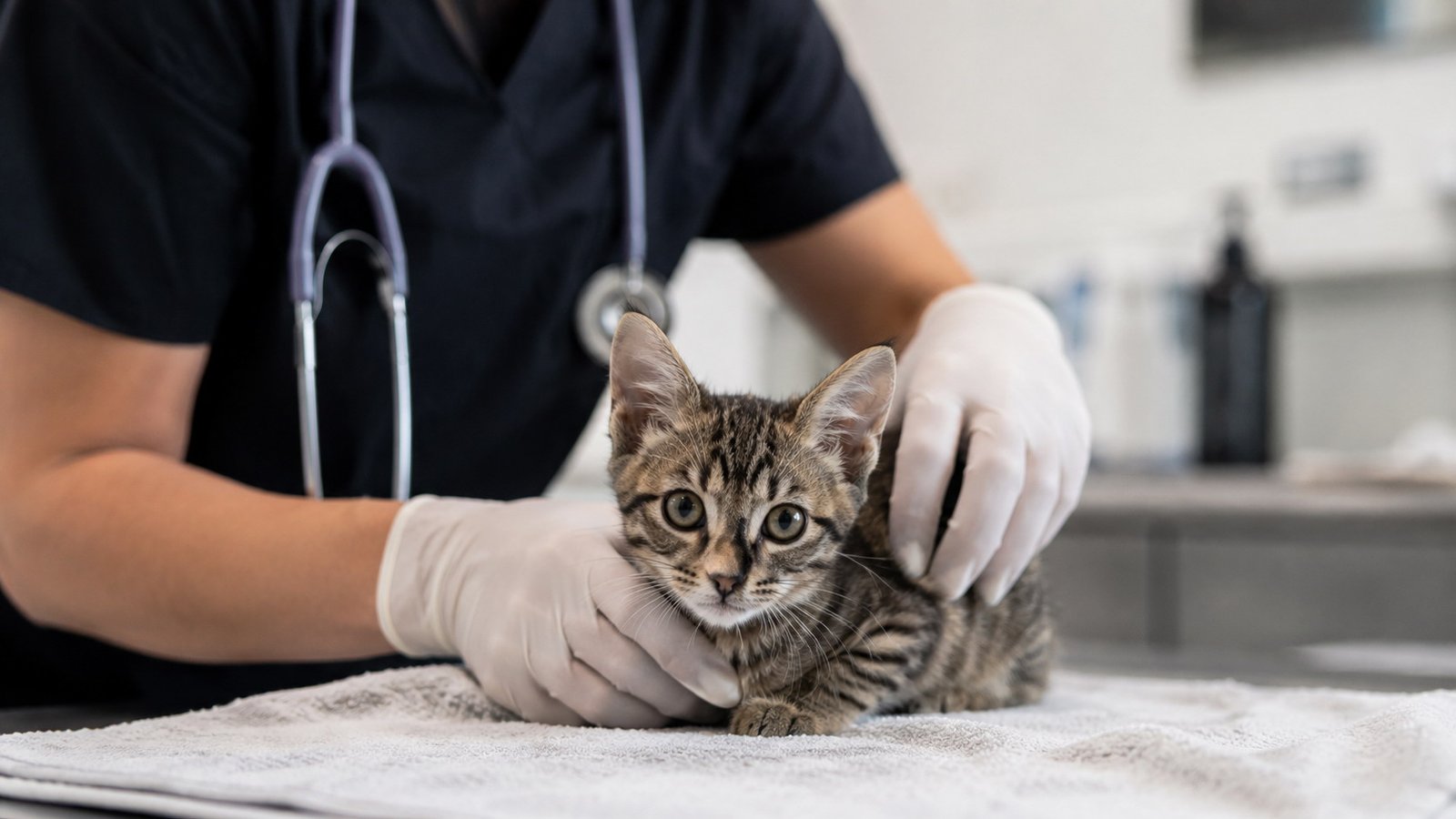
Many cat owners wonder: how old do cats need to be to get fixed?
The short answer is that most kittens can be safely spayed or neutered at around 4 to 6 months old, although some veterinarians and shelters perform the procedure as early as 8 weeks if the kitten is healthy and weighs enough.
Fixing a cat before sexual maturity helps prevent unwanted litters, reduces certain health risks, and may improve behavior. Timing matters, though, because factors like age, weight, breed, lifestyle, and overall health can influence the best time for surgery.
This guide explains exactly when cats should be fixed, why timing matters, what to expect before and after surgery, and how to make the safest decision for your pet.
In This Article
What Does “Getting Fixed” Mean?
“Getting fixed” refers to sterilization surgery:
- Spaying = removing a female cat’s reproductive organs
- Neutering = removing a male cat’s testicles
These procedures prevent reproduction permanently and are among the most common veterinary surgeries worldwide.
Veterinarians may also call the procedure:
- Desexing
- Sterilization
- Altering
- Surgical sterilization
Quick Answer: Ideal Age to Spay or Neuter a Cat
Here’s a simple breakdown:
| Cat Type | Recommended Age |
| Female kittens | 4–6 months |
| Male kittens | 4–6 months |
| Shelter kittens | 8–16 weeks in some cases |
| Adult cats | Any healthy age |
| Senior cats | Possible with vet evaluation |
Many veterinarians prefer scheduling the surgery before the first heat cycle in females and before males begin spraying or mating behaviors.
Why Cats Should Be Fixed Before Sexual Maturity
Cats reach sexual maturity surprisingly early.
- Female kittens can go into heat as young as 4 months
- Male kittens may begin spraying and seeking mates around the same age
A single unspayed female cat can contribute to dozens — even hundreds — of kittens over time through repeated breeding cycles.
Early spaying and neutering helps prevent:
- Unwanted litters
- Roaming behavior
- Fighting
- Urine spraying
- Certain reproductive cancers
- Uterine infections
- Hormone-driven stress behaviors
What Age Do Female Cats Need to Be Spayed?
Most female cats should be spayed around 5 to 6 months old.
Some veterinarians recommend earlier spaying, especially for rescue or shelter cats, because female cats can enter heat unexpectedly early.
Why Timing Matters for Female Cats
Spaying before the first heat cycle significantly reduces the risk of:
- Mammary tumors
- Pyometra (dangerous uterine infection)
- Pregnancy complications
Once a cat begins heat cycles, the surgery can become slightly more complicated because reproductive tissues are more developed and have increased blood flow.
Signs a Female Cat Is in Heat
If you wait too long, you may notice:
- Loud yowling
- Restlessness
- Rolling on the floor
- Increased affection
- Attempting to escape outdoors
- Tail lifted to one side
Cats in heat can become pregnant very quickly, even if they are still young kittens themselves.
What Age Do Male Cats Need to Be Neutered?
Male cats are usually neutered between 4 and 6 months old.
Neutering before puberty often helps reduce unwanted behaviors later.
Benefits of Early Neutering in Male Cats
Early neutering may help prevent:
- Urine spraying
- Aggression
- Territorial fighting
- Roaming
- Escaping to find mates
Male cats that roam outdoors are also at higher risk of:
- Injuries
- Parasites
- Feline immunodeficiency virus (FIV)
- Traffic accidents
Can Kittens Be Fixed at 8 Weeks?
Yes. Early-age spaying and neutering is common in shelters and rescue organizations.
Most veterinarians who perform pediatric sterilization require kittens to:
- Be at least 8 weeks old
- Reach a minimum weight, often around 2 pounds (0.9 kg)
- Be healthy overall
Why Shelters Use Early Spay/Neuter
Shelters often sterilize kittens before adoption to ensure:
- No accidental breeding occurs
- Population growth is controlled
- Adopters don’t delay the procedure later
Research over the years has shown that early-age sterilization is generally safe when performed by trained veterinarians on healthy kittens.
Is It Ever Too Late to Fix a Cat?
No — healthy adult cats can usually be fixed at almost any age.
Older cats may need:
- Bloodwork
- Heart evaluation
- Additional anesthesia monitoring
The procedure may not reverse all learned behaviors in mature cats, but it can still provide health and behavioral benefits.
Benefits of Fixing Adult Cats
Even later in life, sterilization can help reduce:
- Spraying
- Heat cycles
- Roaming
- Reproductive disease risk
Senior cats should always be evaluated individually by a veterinarian before surgery.
Should Indoor Cats Be Fixed?
Absolutely.
Some owners assume indoor cats do not need to be fixed, but indoor cats can still:
- Escape accidentally
- Develop reproductive diseases
- Display hormone-related behaviors
Unspayed female indoor cats may still experience stressful heat cycles every few weeks.
Unneutered males may spray furniture, mark territory, or become aggressive.
Pros and Cons of Early Spaying and Neutering
Benefits
| Benefit | Why It Matters |
| Prevents pregnancy | Stops accidental litters |
| Reduces spraying | Especially in males |
| Less roaming | Lowers injury risk |
| Prevents uterine infections | Can be life-threatening |
| Lowers cancer risk | Particularly mammary tumors |
| Reduces shelter overpopulation | Major public health benefit |
Potential Considerations
| Consideration | Details |
| Weight gain risk | Diet and exercise matter after surgery |
| Anesthesia concerns | Rare in healthy cats |
| Growth differences | Minor skeletal changes possible |
| Temporary recovery period | Usually 7–14 days |
For most cats, the benefits greatly outweigh the risks.
What Happens During a Spay or Neuter Surgery?
Female Cat Spay Procedure
A veterinarian:
- Places the cat under general anesthesia
- Makes a small incision
- Removes reproductive organs
- Closes the incision with sutures or surgical glue
Spays are more invasive than neuters and usually require slightly longer recovery.
Male Cat Neuter Procedure
For male cats, the veterinarian:
- Uses anesthesia
- Removes the testicles through small incisions
- Allows the area to heal naturally in many cases
Neuters are generally quicker and less invasive.
How Long Does Recovery Take?
Most cats recover surprisingly quickly.
Typical Recovery Timeline
| Time After Surgery | What to Expect |
| First 24 hours | Sleepiness, mild grogginess |
| 2–3 days | Appetite and energy improving |
| 7–10 days | Incision healing well |
| 10–14 days | Most restrictions lifted |
Recovery Tips
- Keep your cat indoors
- Prevent jumping when possible
- Use an e-collar if licking occurs
- Monitor the incision daily
- Follow medication instructions carefully
Contact your veterinarian if you notice:
- Swelling
- Bleeding
- Loss of appetite lasting more than a day
- Vomiting
- Open stitches
- Extreme lethargy
How Much Does It Cost to Get a Cat Fixed?
Costs vary depending on:
- Location
- Clinic type
- Cat’s age and sex
- Additional services included
Average Cost Range
| Procedure | Typical Cost Range |
| Male neuter | Lower cost |
| Female spay | Higher cost due to complexity |
Animal shelters and nonprofit clinics often offer reduced-cost sterilization programs.
Some programs may include:
- Vaccinations
- Microchipping
- Pain medication
- Basic exams
Common Myths About Fixing Cats
“Female cats should have one litter first.”
This is a persistent myth with no proven health benefit.
In fact, spaying before the first heat cycle can lower the risk of mammary cancer.
“Neutered male cats become lazy.”
Neutering does not automatically make cats lazy. Weight gain usually results from:
- Overfeeding
- Lack of activity
- Poor diet management
“Indoor cats don’t need surgery.”
Indoor cats still benefit medically and behaviorally from sterilization.
“The surgery changes a cat’s personality.”
Most cats remain playful, affectionate, and energetic after recovery.
The main changes usually involve reduced hormone-driven behaviors.
Best Practices for Cat Owners
Schedule Early
Try to book surgery before:
- The first heat cycle
- Spraying begins
- Roaming habits develop
Choose an Experienced Veterinarian
Ask about:
- Age requirements
- Pre-surgery fasting instructions
- Pain management
- Recovery expectations
Keep Vaccinations Current
Many clinics recommend core vaccinations before surgery for added protection.
Monitor Weight After Surgery
Because metabolism can change slightly after sterilization:
- Feed measured portions
- Encourage play
- Use enrichment toys
- Avoid free-feeding if weight gain becomes an issue
Signs Your Cat May Need Immediate Sterilization
Consider scheduling promptly if your cat:
- Starts spraying
- Goes into heat
- Attempts to escape outdoors
- Becomes territorial
- Interacts with unneutered cats
Delaying surgery increases the chance of pregnancy and hormone-related behaviors becoming established.
Should Purebred Cats Be Fixed Later?
Some breeders and veterinarians recommend different timelines for certain large breeds.
For example, larger cat breeds may mature more slowly. However, evidence supporting significantly delayed sterilization in cats is less established than in dogs.
Always discuss breed-specific considerations with your veterinarian.
Questions to Ask Your Veterinarian
Before surgery, consider asking:
- What age do you recommend for my cat?
- Does my cat need bloodwork first?
- How should I prepare the night before?
- What pain medication will be used?
- How long should activity be restricted?
- What complications should I watch for?
Frequently Asked Questions
Can cats be fixed while in heat?
Yes, but surgery may be more complex and sometimes more expensive due to increased blood flow.
Can pregnant cats be spayed?
Yes. Veterinarians can perform a spay during pregnancy, although the decision can be emotionally and medically complex.
Do male cats still spray after neutering?
Some do, especially if spraying behavior began before surgery. Early neutering improves the chances of preventing it.
How long should cats fast before surgery?
Most veterinarians recommend no food after midnight before anesthesia, but kittens may have different instructions.
Always follow your clinic’s guidance.
Is fixing cats cruel?
Veterinary sterilization is considered a routine and humane procedure that helps improve long-term health and reduce overpopulation.
Quick Summary
If you’re wondering how old cats need to be to get fixed, most veterinarians recommend spaying or neutering at around 4 to 6 months old, though healthy kittens can sometimes undergo the procedure earlier.
Fixing cats before sexual maturity helps prevent unwanted litters, reduces health risks, and minimizes hormone-driven behaviors like spraying and roaming. Adult cats can still benefit from surgery, even if they are older.
The best timing depends on your cat’s health, lifestyle, and veterinary guidance, but delaying too long increases the chances of behavioral and reproductive problems developing.
Final Thoughts on How Old Do Cats Need to Be to Get Fixed
Choosing the right age to spay or neuter your cat is one of the most important health decisions you’ll make as a pet owner. For most cats, the ideal window is before puberty — usually around 4 to 6 months old.
Early sterilization offers long-term benefits for both cats and communities. It helps reduce overpopulation, lowers the risk of serious diseases, and often leads to calmer, safer behavior.
If you’re unsure about the best timing for your cat, speak with a trusted veterinarian who can evaluate your kitten’s age, size, breed, and overall health.

Passionate about pets and animal care, we shares trusted tips, fun facts, and practical advice to help pet lovers give their furry, feathered, and scaly companions the best life possible. From everyday care guides to fascinating animal insights, we’re dedicated to making pet information easy, helpful, and enjoyable for every reader.