
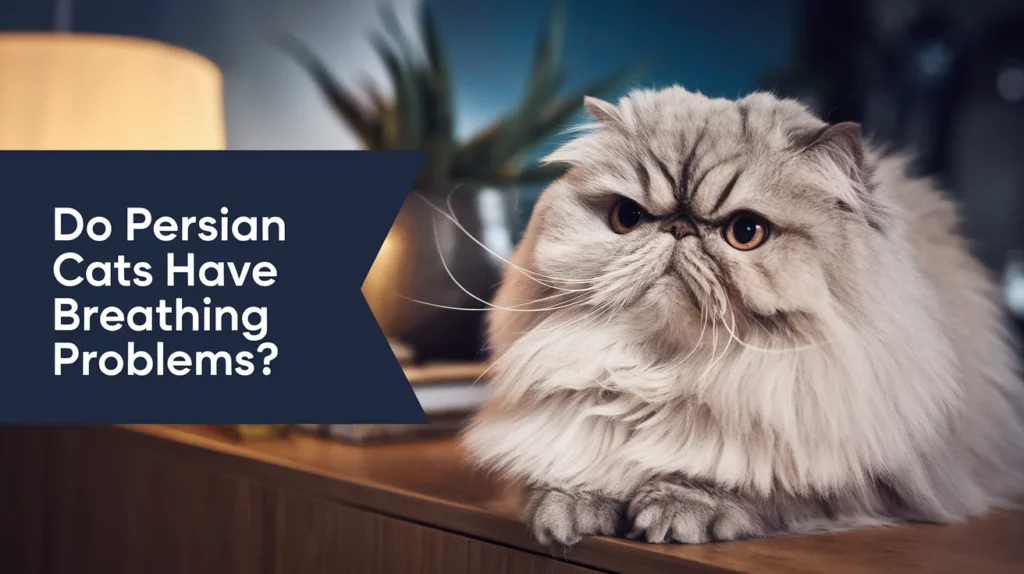
If you’ve ever seen a Persian cat, you know how adorable they are with their flat faces, luxurious fur, and big, expressive eyes. But have you ever wondered if their unique appearance comes with health concerns? One common question among cat lovers is: Do Persian cats have breathing problems? This is an important topic for anyone considering adopting one of these charming felines. In this article, we’ll dive deep into the breathing issues associated with Persian cats, why they occur, and what you can do to help your furry friend breathe easier.
Why Do Persian Cats Have Breathing Issues?
Persian cats suffer from breathing difficulties primarily due to their facial structure. This breed is classified as brachycephalic, meaning they have a shortened skull and flattened face. While this makes them look irresistibly cute, it also leads to a condition known as Brachycephalic Obstructive Airway Syndrome (BOAS). BOAS can cause restricted airflow, leading to snoring, noisy breathing, and in severe cases, respiratory distress. The shorter nasal passages and smaller nostrils make it harder for Persians to take in air efficiently, which is why many of them breathe through their mouths.
Symptoms of Breathing Problems in Persian Cats
Persian cat owners often report various signs that indicate breathing difficulties. Some common symptoms include:
- Snoring and noisy breathing – Due to their narrow airways, Persians often make snorting or wheezing sounds while sleeping.
- Labored breathing – If your cat breathes with its mouth open, it may be struggling to get enough air.
- Frequent panting – Unlike dogs, cats rarely pant, so if your Persian is doing so, it might be a sign of respiratory distress.
- Fatigue and lethargy – Cats with breathing difficulties may not engage in physical activities as much as other breeds.
- Nasal discharge and sneezing – Because of their compressed facial structure, Persians are prone to nasal infections and blockages.
If your Persian cat exhibits any of these symptoms persistently, it’s essential to consult a veterinarian for further evaluation.
How Genetics Play a Role in Persian Cat Breathing Problems
Persian cats have been selectively bred for decades to achieve their signature flat face, but this has come at a cost. The extreme brachycephalic structure is the result of breeding choices that prioritize appearance over health. While some Persians have moderate facial structures that do not cause significant breathing issues, others have severely restricted airways that can lead to lifelong respiratory problems. Ethical breeders aim to produce Persian cats with a slightly longer nose and more open nostrils to reduce health risks.
Environmental Factors That Affect Breathing
Even if your Persian cat has relatively mild breathing issues, certain environmental factors can worsen their condition. Here’s what can make it harder for them to breathe:
- Hot and humid weather – Persian cats are more sensitive to heat because they cannot regulate their body temperature efficiently due to restricted airflow.
- Dust and allergens – Their flat noses make them more prone to allergies and sinus infections, which can lead to further breathing complications.
- Overweight or obesity – Extra weight puts pressure on the chest and lungs, making it even more difficult for Persians to breathe properly.
- Poor air quality – Smoke, perfumes, and household chemicals can irritate their already compromised airways.
By keeping your cat in a clean, cool, and well-ventilated environment, you can help them breathe more comfortably.
Treatment and Management of Breathing Issues in Persian Cats
While Persian cats may have chronic breathing problems, there are several ways to help them lead a comfortable life:
- Regular vet check-ups – Routine visits can help detect early signs of severe respiratory issues before they become life-threatening.
- Use a humidifier – Keeping moisture in the air can prevent nasal dryness and help them breathe more easily.
- Weight management – Feeding your Persian a balanced diet and encouraging light exercise can prevent obesity-related breathing difficulties.
- Surgery for severe cases – In extreme cases, surgery (such as nostril widening or soft palate trimming) can improve airflow and quality of life.
- Avoid stress and overexertion – Overexerting a Persian cat, especially in hot weather, can cause respiratory distress.
Pros and Cons of Owning a Persian Cat with Breathing Issues
Pros:
- Loving and affectionate personality – Persian cats are known for their gentle, friendly nature.
- Beautiful and unique appearance – Their long, fluffy fur and distinctive faces make them one of the most popular breeds worldwide.
- Low activity level – They are not very active, making them suitable for apartment living.
Cons:
- High-maintenance grooming – Their thick fur requires regular brushing to prevent matting.
- Frequent vet visits – Due to their respiratory issues and other genetic concerns, Persian cats often require ongoing medical care.
- Potential breathing difficulties – Owners need to be vigilant about their Persian’s respiratory health to ensure a good quality of life.
Conclusion
Persian cats are undoubtedly one of the most beautiful and beloved cat breeds, but their flat-faced appearance comes with health challenges, including breathing problems. While not every Persian cat will suffer from severe respiratory issues, it’s essential for potential and current owners to understand the risks and take preventive measures. With proper care, regular vet check-ups, and a well-managed environment, Persian cats can live happy and fulfilling lives despite their breathing challenges.
What has your experience been with Persian cats? Share your thoughts and tips in the comments!