
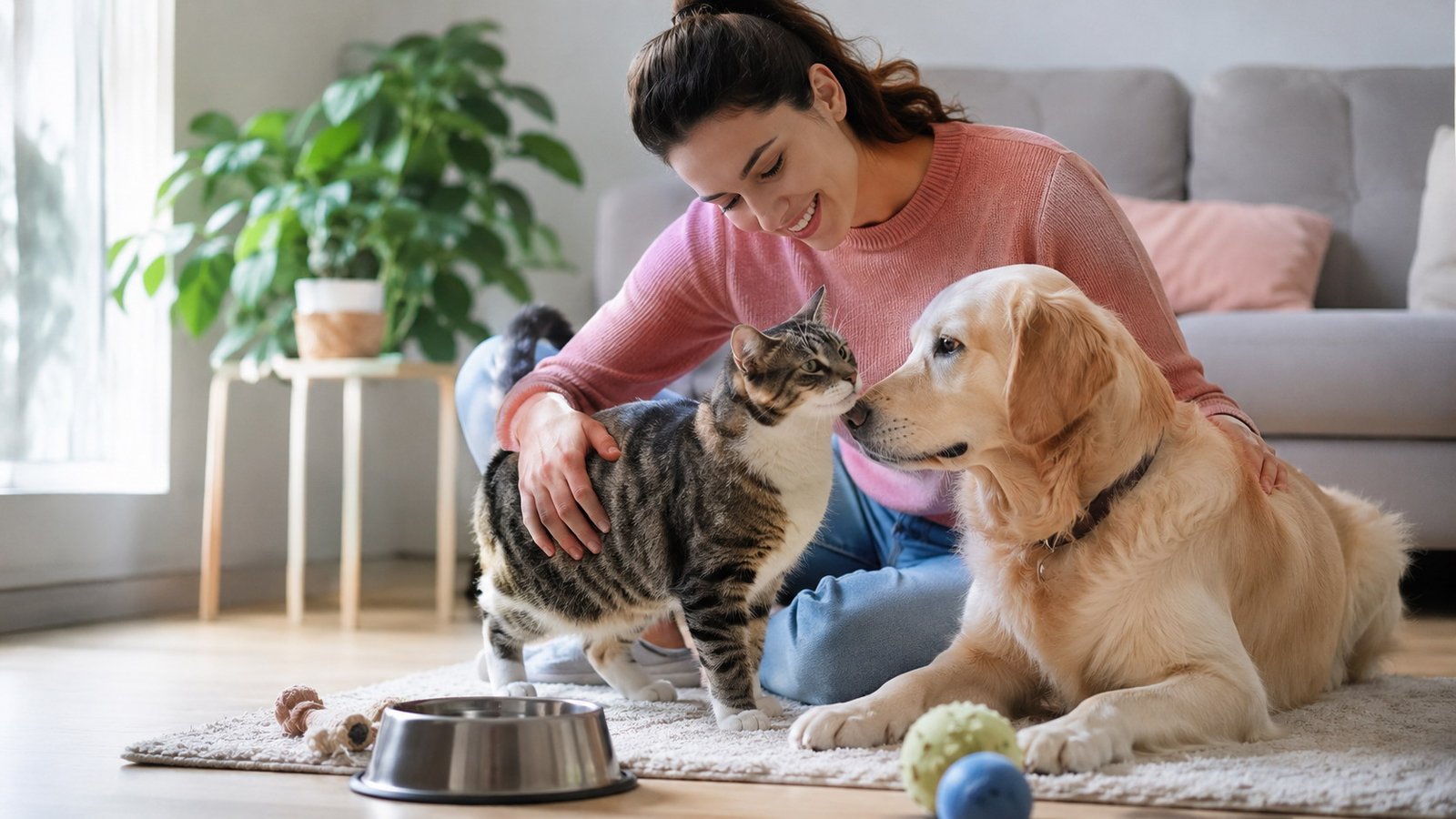
Bringing home a new pet is exciting, but it can also feel overwhelming when you’re unsure if you’re doing everything right. That’s why expert pet care advice for beginners matters so much—small daily habits can shape your pet’s health, behavior, and happiness for years to come.
Whether you’re adopting your first puppy, welcoming a curious kitten, or caring for a small companion animal, this guide will walk you through the essentials. You’ll learn how to choose the right pet, create a safe home environment, avoid common beginner mistakes, and build routines that make pet ownership easier and more rewarding.
In This Article
Why Expert Pet Care Advice Matters for First-Time Pet Owners
Many first-time owners underestimate how much pets rely on consistency, structure, and proper care. Cute moments and cuddles are part of the experience, but pets also need daily attention, training, mental stimulation, and preventive healthcare.
Good pet care doesn’t require perfection. It requires awareness, patience, and a willingness to learn.
The Biggest Challenges Beginners Often Face
New pet owners commonly struggle with:
- Feeding the wrong portion sizes
- Inconsistent routines
- Misunderstanding normal pet behavior
- Delaying training and socialization
- Ignoring early signs of illness or stress
These issues usually come from lack of experience—not lack of love.
A puppy chewing furniture, for example, is often bored or teething rather than “bad.” Cats scratching furniture may need better scratching outlets instead of punishment. Understanding why pets behave a certain way helps you respond more effectively.
Proper Care Shapes Long-Term Health
Healthy habits started early can prevent many common problems later. Pets thrive when they have:
- Balanced nutrition
- Routine vet visits
- Daily exercise
- Safe environments
- Predictable schedules
- Positive interaction with humans
Preventive care is almost always easier and cheaper than treating serious health issues later.
Vaccinations, parasite prevention, and dental care may seem minor at first, but they play a major role in your pet’s long-term well-being.
The First 30 Days Matter More Than Most Owners Realize
The adjustment period after adoption can influence your pet’s confidence and behavior for months.
During the first few weeks:
- Keep routines consistent
- Avoid overwhelming environments
- Introduce new people gradually
- Focus on trust-building
- Reward calm behavior
Some pets adapt within days, while others need several weeks before they fully relax. Patience makes a huge difference.
Pets Need Emotional Care Too
Many beginners focus only on food and supplies, but emotional health matters just as much.
Pets can experience stress, boredom, anxiety, and loneliness. Signs may include:
| Possible Stress Sign | What It May Look Like |
| Loss of appetite | Skipping meals or eating less |
| Excessive hiding | Avoiding interaction |
| Destructive behavior | Chewing, scratching, digging |
| Overgrooming | Constant licking or biting fur |
| Vocal changes | Excess barking or meowing |
Behavior changes are often one of the earliest signs something is wrong.
If symptoms continue or worsen, contact a veterinarian.
Choosing the Right Pet for Your Lifestyle Before Anything Else
One of the best pieces of expert pet care advice for beginners is surprisingly simple: choose a pet that actually fits your lifestyle.
A high-energy dog may struggle in a tiny apartment without regular outdoor activity. Some exotic pets require specialized care that beginners may not expect. Even certain cat breeds demand more attention and stimulation than others.
Questions to Ask Before Adopting Any Pet
Before bringing a pet home, honestly consider:
- How much daily time can you commit?
- What is your monthly pet budget?
- Do you travel frequently?
- Are children or other pets in the home?
- How much exercise can you realistically provide?
- Are you prepared for long-term responsibility?
Some pets live much longer than beginners expect. Cats commonly live 15–20 years, while some parrots can live several decades.
Beginner-Friendly Pet Comparisons
| Pet Type | Best For | Main Challenge |
| Dogs | Active owners who enjoy interaction | Training and exercise needs |
| Cats | Busy households and smaller spaces | Behavioral enrichment |
| Fish | Low-noise environments | Water maintenance |
| Rabbits | Gentle indoor companionship | Sensitive digestive systems |
| Hamsters | Small living spaces | Fragile handling needs |
No pet is truly “maintenance-free.”
Even smaller pets require proper housing, enrichment, and veterinary care.
Energy Levels Matter More Than Breed Popularity
Many beginners choose pets based on appearance instead of temperament or lifestyle compatibility.
A trendy dog breed may not suit your routine at all.
For example:
- Border Collies need intense mental stimulation
- Huskies require significant exercise
- Persian cats need regular grooming
- Rabbits need daily social interaction
Matching energy levels is often more important than choosing the “perfect” breed.
Red Flags That a Pet May Not Fit Your Routine
Certain situations can create long-term stress for both owners and pets.
Potential warning signs include:
- Working long hours with no pet care support
- Limited budget for veterinary care
- No time for training or exercise
- Choosing a pet based only on social media trends
- Impulse adoptions without research
Taking time to prepare before adoption is responsible—not selfish.
Essential Expert Pet Care Advice for Beginners at Home
Your home environment directly affects your pet’s safety, comfort, and behavior. A well-prepared setup helps pets feel secure much faster.
Create a Calm, Safe Space First
Pets need a quiet area where they can relax without constant stimulation.
Helpful setup ideas include:
- Soft bedding in a low-traffic area
- Access to fresh water at all times
- Safe hiding spaces for nervous pets
- Separate feeding and bathroom areas
- Gradual introduction to larger spaces
Cats especially benefit from vertical spaces like cat trees or shelves, while dogs often feel safer with crates when introduced properly.
Pet-Proofing Prevents Common Household Accidents
Many everyday items can be dangerous for pets.
Common hazards include:
- Electrical cords
- Chocolate and grapes
- Toxic plants
- Cleaning chemicals
- Small swallowable objects
- Open trash bins
- Human medications
According to the ASPCA Animal Poison Control Center, many emergency poison cases involve common household items that owners didn’t realize were dangerous.
Prevention is one of the most important forms of beginner pet care.
Essential Supplies Worth Buying Early
Focus on practical necessities before spending money on trendy gadgets.
Start with:
- Quality food and water bowls
- Species-appropriate food
- Comfortable bedding
- Collar and ID tag
- Leash or secure carrier
- Grooming basics
- Safe toys
- Cleaning supplies for accidents
Durable, easy-to-clean products usually save money over time.
Build a Routine Immediately
Pets feel safer when they know what to expect.
Try to keep:
- Feeding times consistent
- Walk schedules predictable
- Training sessions short and regular
- Bedtime routines calm and stable
Routine reduces stress and helps prevent behavior problems.
Small Daily Interactions Build Trust Faster
Trust develops through repeated positive experiences.
Simple ways to strengthen your bond include:
- Calm verbal praise
- Gentle play sessions
- Reward-based training
- Respecting your pet’s boundaries
- Avoiding punishment-based discipline
Many beginners expect instant attachment, but real trust often develops gradually.
A pet that feels secure in your home is more likely to become confident, social, and emotionally balanced over time.
Feeding Basics: Nutrition Mistakes Beginners Should Avoid
Nutrition plays a huge role in your pet’s energy, behavior, digestion, and overall health. Unfortunately, feeding mistakes are extremely common among first-time owners.
Many problems start with good intentions—too many treats, oversized portions, or choosing food based on marketing instead of nutritional quality.
Understanding What Your Pet Actually Needs
Pets have different nutritional requirements depending on their:
- Age
- Breed or species
- Activity level
- Weight
- Health conditions
A growing puppy, for example, needs different nutrients than a senior dog. Indoor cats may require fewer calories than highly active outdoor cats.
Feeding “one-size-fits-all” diets can lead to obesity or nutritional deficiencies over time.
Wet Food vs Dry Food: What Beginners Should Know
Both wet and dry food can work well when properly balanced.
Here’s a simple comparison:
| Food Type | Benefits | Possible Downsides |
| Dry Food | Convenient, affordable, helps dental scraping | Lower moisture content |
| Wet Food | Higher hydration, appealing taste | Spoils faster after opening |
Some owners combine both for variety and hydration support.
Always choose food labeled as complete and balanced for your pet’s life stage.
Portion Control Matters More Than Most Owners Think
Overfeeding is one of the biggest beginner mistakes.
Pets often beg for food even when they aren’t hungry. Extra treats and oversized meals can quickly cause unhealthy weight gain.
Signs your pet may be overweight include:
- Difficulty feeling ribs
- Reduced energy
- Trouble jumping or climbing
- Heavy breathing after light activity
Human Foods That Can Be Dangerous
Certain foods that are safe for humans are toxic to pets.
Common dangerous foods include:
- Chocolate
- Grapes and raisins
- Onions and garlic
- Xylitol sweetener
- Alcohol
- Cooked bones
- Caffeine
Even small amounts can cause serious illness in some animals.
If your pet eats something suspicious, contact a veterinarian immediately.
Reading Pet Food Labels Without Feeling Confused
Pet food packaging can be misleading.
Look for:
- Named protein sources (like chicken or salmon)
- Clear ingredient lists
- Appropriate life-stage formulas
- Veterinary or nutritional certification standards
Avoid choosing food based only on flashy packaging or internet trends.
Helpful nutrition guidance is also available through the World Small Animal Veterinary Association (WSAVA) Nutrition Resources.
Healthy Treat Habits Beginners Often Overlook
Treats should support training and bonding—not replace balanced meals.
A good rule:
- Treats should make up no more than 10% of daily calories
Healthy beginner-friendly treat ideas may include:
- Small training treats
- Freeze-dried meat treats
- Vet-approved dental chews
- Tiny pieces of pet-safe fruits or vegetables
Too many treats can upset digestion and encourage picky eating.
Beginner-Friendly Grooming Habits That Prevent Bigger Problems
Grooming is about much more than appearance. Regular grooming helps you monitor your pet’s skin, coat, ears, teeth, and overall health.
Small issues are often easier to spot during grooming sessions before they become serious.
Brushing Does More Than Reduce Shedding
Brushing helps:
- Remove loose fur
- Prevent painful mats
- Spread natural skin oils
- Reduce hair around the house
- Strengthen your bond with your pet
Long-haired pets usually need more frequent brushing, while short-haired pets still benefit from regular coat care.
Skipping grooming can lead to skin irritation, matting, and hidden infections.
Bathing Frequency Depends on the Pet
Many beginners bathe pets too often.
Excessive bathing can dry out skin and cause irritation.
General guidelines:
| Pet Type | Typical Bath Frequency |
| Most dogs | Every 1–3 months |
| Indoor cats | Rarely needed unless dirty |
| Long-haired breeds | More frequent grooming support |
| Active outdoor pets | As needed |
Always use pet-safe shampoos. Human products may disrupt skin balance.
Nail Care Is Easier Than It Looks
Overgrown nails can affect posture, walking, and joint comfort.
Signs nails are too long:
- Clicking sounds on floors
- Curved nail growth
- Difficulty walking comfortably
Start slowly if your pet dislikes nail trims.
Helpful beginner tips:
- Use rewards after each trim
- Trim tiny amounts at a time
- Stay calm and patient
- Ask a groomer or vet for demonstrations if needed
Dental Care Is Commonly Ignored
Dental disease affects many pets earlier than owners realize.
Bad breath, red gums, and difficulty chewing should never be ignored.
Simple ways to support dental health include:
- Pet-safe toothbrushes
- Dental chews
- Regular oral checks
- Veterinary cleanings when recommended
Dental problems can eventually affect the heart, kidneys, and overall health.
Grooming Warning Signs You Shouldn’t Ignore
During grooming, watch for:
- Bald patches
- Red skin
- Ear odor
- Lumps or bumps
- Fleas or ticks
- Excessive scratching
Changes in skin or coat condition can sometimes signal allergies, infections, or underlying illness.
If symptoms persist, schedule a veterinary checkup.
Expert Pet Care Advice for Beginners on Training and Behavior
Training isn’t about controlling pets—it’s about communication, trust, and creating healthy habits.
Many beginner behavior problems happen because pets simply don’t understand what owners expect.
Positive Reinforcement Works Better Than Punishment
Reward-based training teaches pets what to do instead of only punishing mistakes.
Rewards may include:
- Treats
- Praise
- Toys
- Affection
- Playtime
Pets learn faster when good behavior consistently leads to positive outcomes.
Fear-based punishment can increase anxiety and worsen behavior issues.
Consistency Is More Important Than Perfection
Mixed signals confuse pets.
If one family member allows jumping on the couch while another punishes it, training becomes harder.
Consistency should apply to:
- Commands
- House rules
- Feeding schedules
- Potty routines
- Reward timing
Short daily sessions usually work better than long, stressful training attempts.
Common Beginner Mistakes That Encourage Bad Habits
Some behaviors accidentally get reinforced without owners realizing it.
Examples include:
- Giving attention for barking
- Rewarding whining with treats
- Inconsistent potty schedules
- Allowing rough play that becomes problematic later
Pets repeat behaviors that successfully get attention or rewards.
Socialization Helps Prevent Fear and Anxiety
Early positive experiences help pets become more confident.
Safe socialization may include:
- Meeting calm people
- Hearing household sounds
- Exploring new environments
- Positive interactions with other animals
Socialization should always feel safe and gradual—not overwhelming.
Bored Pets Often Become Destructive
Chewing, scratching, digging, and excessive barking are frequently linked to boredom or excess energy.
Helpful enrichment ideas:
- Puzzle feeders
- Training games
- Daily walks
- Interactive toys
- Hide-and-seek activities
Mental exercise can tire pets just as effectively as physical activity.
Knowing When Professional Help Is Needed
Some behavioral problems require expert guidance.
Seek help if your pet shows:
- Aggression
- Severe anxiety
- Persistent fear
- Resource guarding
- Self-harming behaviors
- Extreme reactivity
Working with qualified trainers or veterinarians early can prevent issues from escalating.
Understanding Your Pet’s Health Before Emergencies Happen
Many serious pet health problems start with subtle warning signs that beginners may not recognize right away. Learning what’s normal for your pet makes it much easier to spot when something changes.
Daily observation is one of the most valuable skills a pet owner can develop.
Preventive Care Is Easier Than Emergency Care
Routine veterinary care helps catch issues early before they become expensive or dangerous.
Core preventive care usually includes:
- Vaccinations
- Parasite prevention
- Dental evaluations
- Weight monitoring
- Routine wellness exams
Even indoor pets need regular checkups. Indoor cats, for example, can still develop dental disease, obesity, urinary issues, or chronic illnesses.
Common Signs of Illness Beginners Should Never Ignore
Pets often hide discomfort instinctively, especially cats.
Watch closely for changes such as:
| Warning Sign | Possible Concern |
| Sudden appetite loss | Digestive illness, pain, stress |
| Vomiting or diarrhea | Infection, toxins, dietary problems |
| Excessive drinking | Diabetes, kidney disease |
| Limping | Injury or joint pain |
| Breathing changes | Respiratory or heart problems |
| Lethargy | Illness, fever, pain |
Behavior changes are often health clues, not “bad moods.”
Parasite Prevention Matters Year-Round
Fleas, ticks, worms, and heartworms can affect even well-cared-for pets.
Common beginner mistakes include:
- Skipping monthly preventives
- Assuming indoor pets are fully protected
- Waiting until parasites are visible
Parasites can lead to:
- Skin irritation
- Digestive problems
- Serious infections
- Anemia
- Heart complications
Your veterinarian can recommend safe prevention options based on your location and pet type.
Build a Simple Home Health Routine
You don’t need medical training to monitor your pet effectively.
A weekly health check can include:
- Looking at ears and eyes
- Checking skin and coat condition
- Monitoring appetite and water intake
- Watching bathroom habits
- Feeling for unusual lumps
- Observing mobility and energy levels
These small observations often help owners catch problems earlier.
When You Should Contact a Veterinarian Immediately
Certain symptoms require urgent care.
Seek veterinary help right away if your pet has:
- Difficulty breathing
- Seizures
- Collapse or severe weakness
- Ingestion of toxic substances
- Continuous vomiting
- Bloated abdomen
- Major injuries
- Sudden inability to walk
Never wait “to see if it improves” when severe symptoms appear suddenly.
Keep Emergency Information Ready
Emergencies become less stressful when you prepare ahead of time.
Save:
- Your veterinarian’s phone number
- Nearby emergency clinic contacts
- Vaccination records
- Medication lists
- Pet insurance information if applicable
Having this information organized can save valuable time during emergencies.
The Real Cost of Pet Ownership Most Beginners Underestimate
Pets bring incredible companionship, but responsible care also comes with ongoing financial responsibility.
Many beginners plan only for food costs and underestimate long-term expenses.
Monthly Costs Add Up Faster Than Expected
Typical recurring expenses may include:
- Food
- Grooming
- Preventive medications
- Litter or bedding
- Toys and enrichment
- Routine veterinary care
Larger dogs, long-haired breeds, and exotic pets often require higher maintenance costs.
Emergency Vet Bills Can Be Significant
Unexpected accidents or illnesses can happen even with excellent care.
Emergency costs may involve:
- X-rays
- Surgery
- Overnight hospitalization
- Blood tests
- Medications
Creating a small emergency savings fund for your pet can help reduce stress later.
Cheap Products Sometimes Cost More Long-Term
Low-quality products may wear out quickly or even create safety risks.
Examples include:
- Fragile collars or leashes
- Poor-quality food
- Unsafe toys
- Weak crates or carriers
Investing in reliable basics often saves money over time.
Pet Insurance: Worth Considering for Beginners?
Pet insurance isn’t required, but many owners find it helpful for unexpected medical expenses.
Potential benefits:
- Reduced financial pressure during emergencies
- Coverage for accidents or illnesses
- More treatment flexibility
Possible downsides:
- Monthly premiums
- Coverage limitations
- Pre-existing condition exclusions
Research plans carefully before choosing one.
Budget-Friendly Ways to Provide Great Care
Excellent pet care does not always mean buying expensive products.
Smart ways to save include:
- Buying food in larger quantities
- Using enrichment toys creatively
- Keeping up with preventive healthcare
- Learning basic grooming skills at home
- Avoiding impulse purchases
Pets usually care more about consistent attention and enrichment than luxury accessories.
Mental Stimulation: The Missing Piece in Beginner Pet Care
Physical care is essential, but mental stimulation is often overlooked by first-time owners.
A bored pet can become frustrated, anxious, or destructive—even when basic needs are being met.
Why Mental Enrichment Matters So Much
Pets are naturally curious and intelligent.
Without stimulation, they may develop:
- Excessive barking
- Furniture scratching
- Chewing problems
- Digging
- Hyperactivity
- Attention-seeking behaviors
Mental activity helps pets feel calmer, more balanced, and emotionally fulfilled.
Exercise Alone Is Not Enough
Many owners assume long walks solve everything, but pets also need opportunities to think and explore.
Mental stimulation can tire pets surprisingly fast.
Good enrichment activities include:
- Puzzle feeders
- Nose work games
- Basic training sessions
- Food-dispensing toys
- Obstacle challenges
- Interactive play
Simple Enrichment Ideas for Dogs
Dogs often enjoy:
- Sniff walks
- Hide-and-seek games
- Frozen treat toys
- Learning new commands
- Rotating toys weekly
Even 10–15 minutes of focused mental exercise can improve behavior significantly.
Cats Need Enrichment Too
Indoor cats especially need stimulation to prevent boredom.
Helpful ideas include:
- Cat trees and climbing shelves
- Window perches
- Wand toy play sessions
- Puzzle feeders
- Scratching posts
- Hidden treats around the house
A mentally stimulated cat is often less destructive and more confident.
Rotate Toys Instead of Buying Too Many
Constant access to every toy can reduce interest quickly.
Instead:
- Store some toys away
- Rotate options weekly
- Introduce novelty gradually
This keeps playtime more exciting without spending extra money.
Quality Interaction Matters More Than Quantity
Many pets value engaged interaction more than expensive products.
Short sessions of:
- Training
- Play
- Gentle grooming
- Calm affection
can strengthen your bond while supporting emotional health.
Pets thrive when their minds are active—not just their bodies.
Expert Insights: Habits Experienced Pet Owners Swear By
Seasoned pet owners often rely on simple daily habits rather than complicated routines. Over time, they learn that consistency and observation matter far more than perfection.
Small actions repeated regularly can dramatically improve your pet’s quality of life.
Watch for Tiny Changes Before They Become Big Problems
Experienced owners pay close attention to subtle differences in behavior.
They notice things like:
- Slight appetite changes
- Different sleeping patterns
- Reduced interest in play
- Increased hiding
- Bathroom habit changes
These small clues often appear before obvious illness symptoms.
Pets rarely tell you something is wrong directly—behavior is usually the message.
Routine Creates Security
Predictable schedules help pets feel calmer and more confident.
Stable routines support:
- Better digestion
- Easier potty training
- Reduced anxiety
- Improved sleep habits
- Stronger trust
Pets don’t need rigid perfection, but consistency helps them understand their environment.
Calm Energy Influences Pet Behavior
Animals are highly responsive to human emotions and reactions.
Yelling, frustration, or inconsistent discipline can increase fear and confusion. Calm communication usually produces better results.
Experienced owners often:
- Redirect unwanted behavior calmly
- Reward good choices immediately
- Avoid punishment-based corrections
- Stay patient during setbacks
Bonding Time Matters More Than Expensive Products
Many beginners overspend on accessories while overlooking emotional connection.
Pets benefit most from:
- Daily interaction
- Play sessions
- Gentle affection
- Positive training
- Shared routines
A strong bond improves trust, behavior, and emotional well-being.
Learn Your Pet’s Individual Personality
No guide can fully replace learning your own pet’s preferences and habits.
Some pets are:
- Highly social
- Independent
- Sensitive to noise
- Food motivated
- Cautious around strangers
- Extremely energetic
Understanding your pet as an individual helps you provide better care long term.
Common Beginner Pet Care Mistakes — and How to Avoid Them
Mistakes are part of learning, but some common errors can create avoidable stress or health problems for pets.
Awareness is the first step toward becoming a more confident pet owner.
Overfeeding Is More Common Than Underfeeding
Many owners use treats to show affection without realizing how quickly calories add up.
Overweight pets face higher risks of:
- Joint strain
- Diabetes
- Heart disease
- Reduced mobility
Measuring portions and limiting treats helps maintain a healthier weight.
Inconsistent Rules Confuse Pets
Pets learn best when expectations stay predictable.
Problems often happen when:
- Rules change daily
- Family members use different commands
- Training stops after early success
- Bad habits are accidentally rewarded
Consistency builds clarity and confidence.
Skipping Preventive Care Can Become Expensive
Waiting until a pet appears sick may allow small issues to worsen.
Preventive care helps reduce risks associated with:
- Parasites
- Dental disease
- Obesity
- Vaccine-preventable illnesses
Routine veterinary visits are part of responsible pet ownership—not only emergency care.
Too Much Freedom Too Soon
Many beginners give pets unrestricted access to the entire home immediately.
This can lead to:
- Accidents
- Destructive behavior
- Stress
- Unsafe situations
Gradual introductions to new spaces often work much better.
Ignoring Mental Stimulation
Physical exercise alone doesn’t fully meet most pets’ needs.
Without enrichment, pets may:
- Become destructive
- Develop anxiety
- Seek constant attention
- Create repetitive behaviors
Short daily enrichment sessions can prevent many common behavioral problems.
Comparing Your Pet to Others
Every pet develops at a different pace.
Some pets learn commands quickly, while others need extra patience and repetition.
Avoid unrealistic expectations based on:
- Social media
- Breed stereotypes
- Other people’s pets
Progress matters more than speed.
Frequently Asked Questions About Expert Pet Care Advice for Beginners
How often should beginners take pets to the vet?
Most healthy pets should visit the veterinarian at least once a year for wellness exams. Puppies, kittens, senior pets, and animals with medical conditions may need more frequent visits.
What is the easiest pet for first-time owners?
The best beginner pet depends on your lifestyle, available time, space, and budget. Cats, smaller dog breeds, and certain small pets are often considered beginner-friendly when properly researched and cared for.
How long does it take pets to adjust to a new home?
Some pets settle in within days, while others need several weeks or even months. Consistent routines, patience, and calm interactions help speed up the adjustment process.
Is pet insurance worth it for beginners?
Pet insurance can help reduce financial stress during emergencies or unexpected illnesses. Whether it’s worth it depends on your budget, risk tolerance, and access to emergency savings.
What are the first signs of stress in pets?
Common signs include hiding, appetite changes, excessive vocalization, destructive behavior, overgrooming, pacing, or withdrawal from interaction.
How can beginners build trust with a new pet?
Trust develops through positive experiences, gentle handling, consistent routines, reward-based training, and respecting your pet’s boundaries.
What should first-time pet owners buy before bringing a pet home?
Essentials include food and water bowls, quality food, bedding, grooming tools, toys, a leash or carrier, identification tags, and cleaning supplies.
Can indoor pets still get sick or develop health problems?
Yes. Indoor pets can still develop dental disease, obesity, diabetes, urinary problems, allergies, and other health conditions, which is why routine veterinary care remains important.
Becoming a great pet owner doesn’t happen overnight. Learning your pet’s needs, creating healthy routines, and staying consistent will make a huge difference over time.
Every small effort—from regular play sessions to proper nutrition and preventive healthcare—helps your pet live a happier, healthier life.
Start with the basics, stay patient during challenges, and continue learning as your pet grows. The stronger your understanding becomes, the stronger your bond with your pet will be.
If you’re preparing for life with a new companion, now is the perfect time to explore more guides on pet nutrition, grooming, training, and long-term health care so you can give your pet the best possible start.

Passionate about pets and animal care, we shares trusted tips, fun facts, and practical advice to help pet lovers give their furry, feathered, and scaly companions the best life possible. From everyday care guides to fascinating animal insights, we’re dedicated to making pet information easy, helpful, and enjoyable for every reader.
1 thought on “Expert Pet Care Advice for Beginners: Essential Tips for Healthy, Happy Pets”