
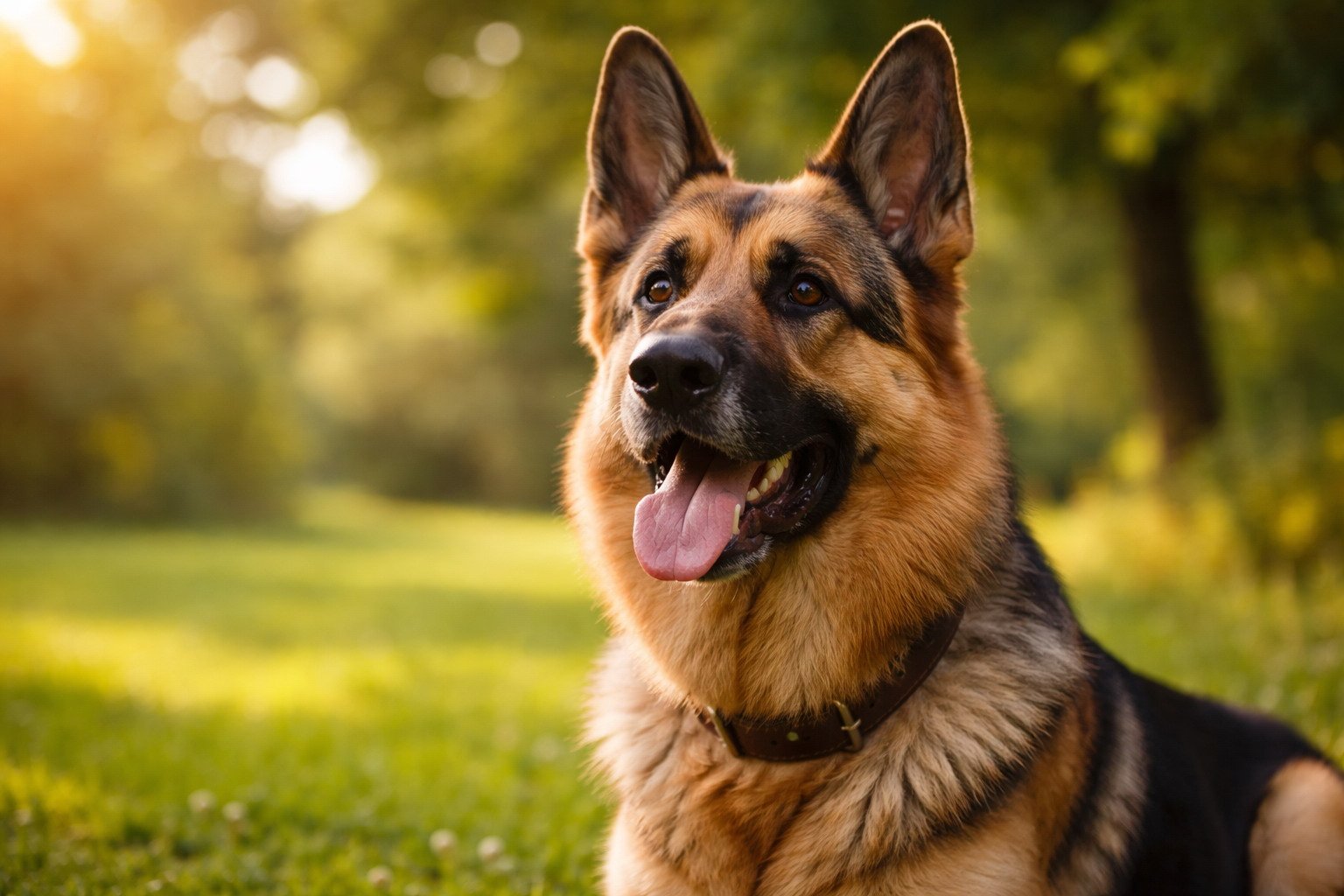
The average life expectancy of German Shepherd dog is one of the most searched topics among current and future owners of this intelligent working breed. German Shepherds are admired worldwide for their loyalty, strength, and versatility, yet many people are surprised to learn that their lifespan is shorter than that of some smaller dog breeds. Understanding how long German Shepherds typically live—and why—helps owners make informed decisions that directly affect long-term health and quality of life.
Generally recognized as a large, high-energy breed, the German Shepherd requires intentional care from puppyhood through senior years. Lifespan is not determined by genetics alone. Nutrition, exercise, preventive healthcare, and daily environment all play a measurable role. According to large-scale veterinary records and kennel club data, the average lifespan falls within a predictable range, but outcomes vary significantly depending on care standards.
“Longevity is rarely accidental. It reflects years of consistent health management rather than a single decision.” — Veterinary Canine Health Journal
This article explores the average life expectancy of German Shepherd dog in depth, starting with factual lifespan ranges and moving into the biological and lifestyle factors that shape how long these dogs live.
In This Article
What Is the Average Life Expectancy of a German Shepherd Dog?
The average life expectancy of German Shepherd dog typically ranges between 9 and 13 years, with most healthy individuals living around 10 to 12 years. This places German Shepherds slightly below the median lifespan for medium-sized dogs but within the expected range for large working breeds.
Verified Lifespan Facts
- Average lifespan: 10–12 years
- Minimum commonly recorded lifespan: 7–9 years
- Maximum documented lifespan: 14–15 years (rare, but possible with optimal care)
Male vs Female German Shepherd Lifespan
Gender differences play a modest but measurable role:
| Gender | Average Lifespan |
| Male German Shepherd | 9.5 – 11 years |
| Female German Shepherd | 10 – 13 years |
Female German Shepherds often live slightly longer, which is consistent across many dog breeds due to hormonal and metabolic factors.
How Size Impacts Longevity
Large breeds like German Shepherds age faster than smaller dogs. Scientific studies show that larger dogs experience accelerated cellular aging, which partially explains why a Chihuahua may live twice as long as a German Shepherd.
Key reasons size affects lifespan:
- Faster growth rate increases joint stress
- Higher risk of orthopedic diseases
- Increased likelihood of cardiac strain
Despite these challenges, responsible care can push lifespan toward the upper end of the expectancy range.
Historical Changes in the Average Life Expectancy of German Shepherd Dog
The average life expectancy of German Shepherd dog has changed noticeably over the last century. Early German Shepherds in the early 1900s often lived 12 to 14 years, particularly working lines bred for stamina and resilience rather than appearance.
Decline Due to Breeding Trends
From the mid-20th century onward, lifespan declined due to:
- Overemphasis on exaggerated physical traits
- Narrow genetic pools
- Increased prevalence of hereditary disorders
Modern research indicates that poor breeding practices reduced average lifespan by nearly 2 years between 1960 and 1990.
Modern Improvements in Longevity
Over the past two decades, lifespan stabilization has occurred thanks to:
- Advanced veterinary diagnostics
- Hip and elbow screening programs
- Improved canine nutrition science
| Era | Average Lifespan |
| Early 1900s | 12–14 years |
| 1970–1990 | 8–10 years |
| 2000–Present | 10–12 years |
Working-line German Shepherds frequently live longer than show-line counterparts due to stronger skeletal structure and better functional health.
“Breed purpose matters. Dogs bred for work often age more gracefully than those bred primarily for aesthetics.” — Canine Genetics Review
These historical insights highlight why ethical breeding and informed ownership matter when aiming to extend the average life expectancy of German Shepherd dog.
Genetic Factors That Affect the Average Life Expectancy of German Shepherd Dog
Genetics plays a defining role in shaping the average life expectancy of German Shepherd dog, often determining whether a dog reaches senior years in strong health or faces chronic conditions earlier in life. While genetics cannot be changed, understanding inherited risks allows owners to manage them proactively.
Common Inherited Conditions Linked to Lifespan
Several genetic disorders are known to shorten the lifespan of German Shepherds when unmanaged:
- Hip dysplasia causing chronic pain and mobility loss
- Elbow dysplasia leading to early-onset arthritis
- Degenerative myelopathy, a progressive spinal disease
- Inherited digestive sensitivity and pancreatic insufficiency
These conditions do not guarantee a shortened life; however, they significantly influence quality of life and long-term resilience.
Role of Responsible Breeding in Longevity
Ethical breeding directly impacts the average life expectancy of German Shepherd dog. Reputable breeders perform genetic screening before breeding, drastically lowering disease prevalence.
Responsible breeders prioritize:
- OFA or SV hip and elbow certifications
- Degenerative myelopathy DNA testing
- Diverse bloodlines to reduce inbreeding
- Functional body structure over exaggerated traits
| Breeding Standard | Impact on Lifespan |
| Health-tested parents | Higher survival rate |
| Narrow gene pool | Increased disease risk |
| Working-line genetics | Improved longevity |
“Genetics load the gun, environment pulls the trigger.” — Canine Geneticist Insight
German Shepherds sourced from tested bloodlines statistically live 1–3 years longer than dogs from uncontrolled breeding backgrounds.
Diet and Nutrition Impact on the Average Life Expectancy of German Shepherd Dog
Nutrition is one of the most controllable factors influencing the average life expectancy of German Shepherd dog. Every meal either supports longevity or accelerates aging at the cellular level.
Optimal Diet Composition for Longevity
German Shepherds thrive on diets tailored to large, active breeds:
- High-quality animal protein (22–30%) for muscle maintenance
- Moderate healthy fats to support joints and brain function
- Complex carbohydrates for sustained energy
- Omega-3 fatty acids to reduce inflammation
Cheap fillers and artificial additives contribute to obesity and chronic inflammation, both proven lifespan reducers.
Life-Stage Nutrition and Aging
Diet should evolve as the dog ages:
| Life Stage | Nutritional Focus |
| Puppy | Controlled calcium for bone health |
| Adult | Lean protein and joint support |
| Senior | Reduced calories, increased antioxidants |
German Shepherd puppies fed excess calcium experience higher rates of skeletal disorders, a mistake that commonly shortens lifespan later.
Impact of Obesity on Lifespan
Obesity is among the most damaging influences on the average life expectancy of German Shepherd dog.
Documented effects of obesity include:
- Reduced lifespan by up to 2 years
- Increased joint degeneration
- Higher risk of diabetes and heart disease
“Lean dogs live longer—every study confirms this pattern.” — Veterinary Nutrition Research
Maintaining a visible waistline and palpable ribs can meaningfully extend a German Shepherd’s life.
Exercise, Activity Level, and Longevity in German Shepherds
Balanced physical activity is a cornerstone of extending the average life expectancy of German Shepherd dog. This breed was developed for endurance, intelligence, and purposeful movement rather than inactivity.
Ideal Exercise Routine by Age
Exercise requirements evolve across life stages:
- Puppies: Short, controlled play sessions
- Adults: 60–120 minutes daily of structured activity
- Seniors: Low-impact walks and mobility exercises
Consistency matters more than intensity. Random bursts of overexertion increase injury risk without providing longevity benefits.
Mental Stimulation and Lifespan
Mental exercise is equally important:
- Obedience training
- Scent work or tracking
- Interactive puzzle toys
German Shepherds deprived of mental stimulation exhibit higher cortisol levels, contributing to immune suppression and faster aging.
Avoiding Overexertion and Injury
Excessive jumping, forced running, or early agility training damages developing joints. Joint injuries sustained before maturity often reappear as arthritis in later years, reducing lifespan.
Longevity-focused activity guidelines:
- Avoid repetitive high-impact movement
- Favor swimming and controlled hikes
- Rest days prevent cumulative joint stress
“Exercise should preserve the body, not wear it down.” — Canine Sports Medicine Specialist
When paired with proper nutrition and genetics, structured physical and mental activity significantly improves the average life expectancy of German Shepherd dog.
Health Issues That Commonly Shorten the Average Life Expectancy of German Shepherd Dog
Several medical conditions have a measurable effect on the average life expectancy of German Shepherd dog, particularly when diagnosis or treatment is delayed. Awareness allows owners to act early, often adding years of healthy life rather than merely extending time.
Orthopedic Disorders and Mobility Loss
Musculoskeletal disease represents the most frequent lifespan limiter in this breed.
- Hip dysplasia leads to chronic pain, reduced mobility, and secondary arthritis
- Elbow dysplasia causes front-limb lameness and early joint degeneration
- Arthritis commonly develops by senior years, even in otherwise healthy dogs
| Condition | Typical Onset | Lifespan Impact |
| Hip dysplasia | 6–24 months | Moderate to severe |
| Elbow dysplasia | 6–18 months | Moderate |
| Arthritis | 6+ years | Gradual decline |
Dogs receiving early joint support, weight management, and physical therapy frequently outlive untreated counterparts.
Neurological and Degenerative Diseases
Degenerative myelopathy (DM) remains a major concern:
- Progressive spinal cord deterioration
- Onset usually between 8–12 years
- Leads to paralysis without pain
DM does not directly cause death, but immobility-related complications often shorten the average life expectancy of German Shepherd dog.
“Mobility loss changes everything—from digestion to mental health.” — Veterinary Neurology Review
Digestive and Immune System Conditions
German Shepherds have uniquely sensitive gastrointestinal systems.
Common issues include:
- Exocrine pancreatic insufficiency (EPI)
- Chronic inflammatory bowel conditions
- Food allergies that trigger systemic inflammation
With proper dietary management, dogs with EPI often live full lifespans, proving that early diagnosis directly affects outcomes.
Preventive Veterinary Care and the Average Life Expectancy of German Shepherd Dog
Preventive medicine has one of the strongest positive correlations with the average life expectancy of German Shepherd dog. Routine vet care reduces disease severity, lowers treatment costs, and extends quality-adjusted life years.
Essential Preventive Care Schedule
A structured healthcare routine includes:
- Annual or biannual wellness exams
- Core vaccinations and titers
- Parasite prevention year-round
- Dental cleanings beginning by age three
| Preventive Measure | Lifespan Benefit |
| Early disease detection | High |
| Dental health | Moderate to high |
| Parasite control | Moderate |
Periodontal disease alone can shorten lifespan by contributing to heart, liver, and kidney complications.
Importance of Early Diagnosis
Blood panels, imaging, and orthopedic evaluations detect hidden problems long before symptoms appear. German Shepherds receiving senior screening from age seven onward often avoid sudden health decline.
Pain Management and Quality of Life
Modern veterinary medicine emphasizes comfort-based longevity. Pain relief, mobility supplements, and physical rehabilitation significantly extend the average life expectancy of German Shepherd dog without compromising well-being.
“Managing pain effectively adds life to years, not just years to life.” — American Veterinary Association Insight
Lifestyle and Environmental Factors Influencing Lifespan
Daily living conditions shape aging just as powerfully as genetics or healthcare. A stable, enriched environment raises the average life expectancy of German Shepherd dog while improving emotional balance.
Indoor vs Outdoor Living Conditions
German Shepherds living primarily indoors consistently live longer due to:
- Reduced exposure to parasites and toxins
- Lower injury risk
- Increased human interaction and monitoring
Outdoor-only dogs face higher mortality from trauma, infections, and environmental stressors.
Mental Health and Social Connection
This breed bonds deeply with its humans. Chronic isolation correlates with:
- Increased anxiety behaviors
- Suppressed immune response
- Shortened lifespan
Engagement through training, companionship, and routine strengthens both mental and physical resilience.
Safety, Training, and Injury Prevention
Structured training reduces accidental injury and stress-related illness.
Effective strategies include:
- Leash control to avoid vehicle accidents
- Obedience training to prevent risky behavior
- Secure fencing and safe play surfaces
Small, consistent safety choices accumulate into years of added life.
“Longevity thrives in environments where predictability and purpose coexist.” — Canine Behavior Science Journal
How Owners Can Help Extend the Average Life Expectancy of German Shepherd Dog
Owners have more influence over the average life expectancy of German Shepherd dog than any single external factor. Daily habits, early decisions, and long-term planning consistently separate short-lived dogs from those that thrive into advanced age.
Daily Care Habits That Add Years
Small routines practiced consistently produce measurable lifespan benefits:
- Maintaining ideal body weight throughout life
- Providing structured physical and mental activity
- Feeding breed-appropriate, high-quality nutrition
- Ensuring clean sleeping areas and stress-free routines
German Shepherds kept lean, mentally engaged, and pain-free often outlive breed averages by 1–2 years.
Monitoring Aging Signs Early
Subtle changes frequently appear before major health decline:
- Reduced stamina during walks
- Stiffness after resting
- Changes in appetite or digestion
- Increased anxiety or confusion
Early intervention preserves mobility, independence, and emotional stability—key contributors to the average life expectancy of German Shepherd dog.
Creating a Long-Term Health Plan
Intentional planning improves outcomes:
| Life Phase | Owner Focus |
| Puppy | Joint-safe growth, training, socialization |
| Adult | Fitness balance, preventive care |
| Senior | Comfort, mobility, regular screening |
“Proactive owners don’t wait for problems—they plan around them.” — Canine Longevity Study
A personalized health roadmap can transform lifespan predictions into reality.
Comparing the Average Life Expectancy of German Shepherd Dog to Similar Breeds
Comparing lifespan across breeds provides context for understanding the average life expectancy of German Shepherd dog and highlights why size and function matter more than popularity.
Lifespan Comparison With Other Large Breeds
| Breed | Average Lifespan |
| German Shepherd Dog | 10–12 years |
| Labrador Retriever | 11–13 years |
| Golden Retriever | 10–12 years |
| Rottweiler | 8–10 years |
| Belgian Malinois | 12–14 years |
Working breeds with lighter frames and fewer structural exaggerations often live longer.
What Makes German Shepherds Unique
German Shepherds combine:
- High intelligence
- Strong working drive
- Emotional sensitivity
- Athletic build
This combination creates exceptional versatility but also increases susceptibility to stress-related and orthopedic conditions that influence lifespan.
“Versatility demands balance—mental and physical.” — Working Dog Research Group
Understanding breed-specific needs helps owners push the average life expectancy of German Shepherd dog toward the upper range.
Final Thoughts on the Average Life Expectancy of German Shepherd Dog
The average life expectancy of German Shepherd dog rests at 10 to 12 years, yet this number represents potential rather than limitation. Genetics may establish the foundation, but environment, nutrition, healthcare, and daily engagement determine how fully that potential is realized.
German Shepherds rewarded with:
- Thoughtful breeding
- Preventive veterinary care
- Balanced exercise
- Strong human bonds
often age with dignity, clarity, and comfort rather than decline.
Longevity is not accidental. It reflects hundreds of small, correct decisions made over a decade.
For ongoing, evidence-based insights into canine health and lifespan research, guidance from organizations like the American Kennel Club (AKC) provides reliable breed-specific information and updated health recommendations: https://www.akc.org
A well-cared-for German Shepherd does not simply live longer—
it lives better.

Passionate about pets and animal care, we shares trusted tips, fun facts, and practical advice to help pet lovers give their furry, feathered, and scaly companions the best life possible. From everyday care guides to fascinating animal insights, we’re dedicated to making pet information easy, helpful, and enjoyable for every reader.